The global magazine and marketplace for classic car enthusiasts, by enthusiasts.


Filter
Make a choice:
- Cars
-
Make >>
-
Year >>
-
- Bikes
-
Make >>
-
Year >>
-
-
Location >>
- Parts & more
-
Make of car >>
-
Manufacturer >>
-
Category >>
-
Countries


Halfway across the world – Peking to Paris competitors conquer Kazakhstan’s brutal desert and reach Caspian Sea


Press release
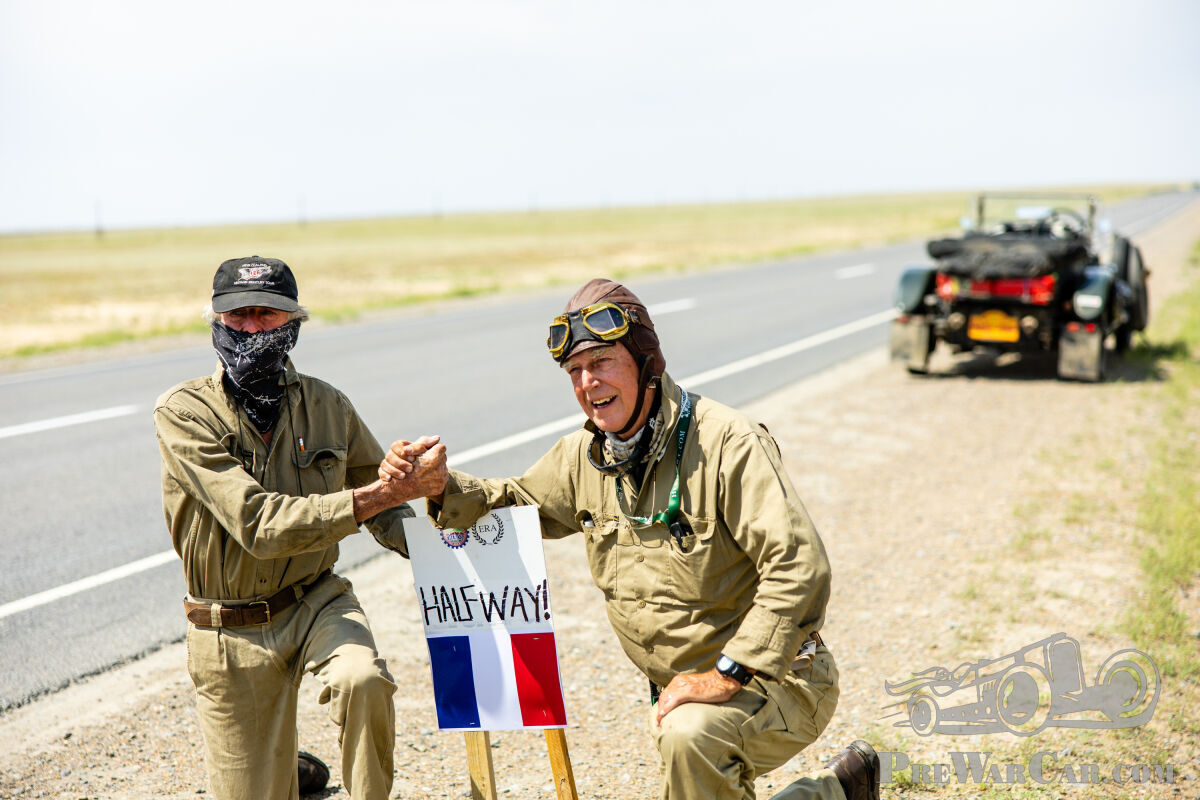
- Halfway point after 3 weeks, 7,350 kms on day 20 of 37
- Argentine team of Jorge and Cristobal Perez Companc extend overall lead, Harold Goddijn (NL) and Corinne Vigreux (FR) retake Classic Class lead as Scowcroft and Gilmour (GB) plummet from second to fifth overall after major engine problems
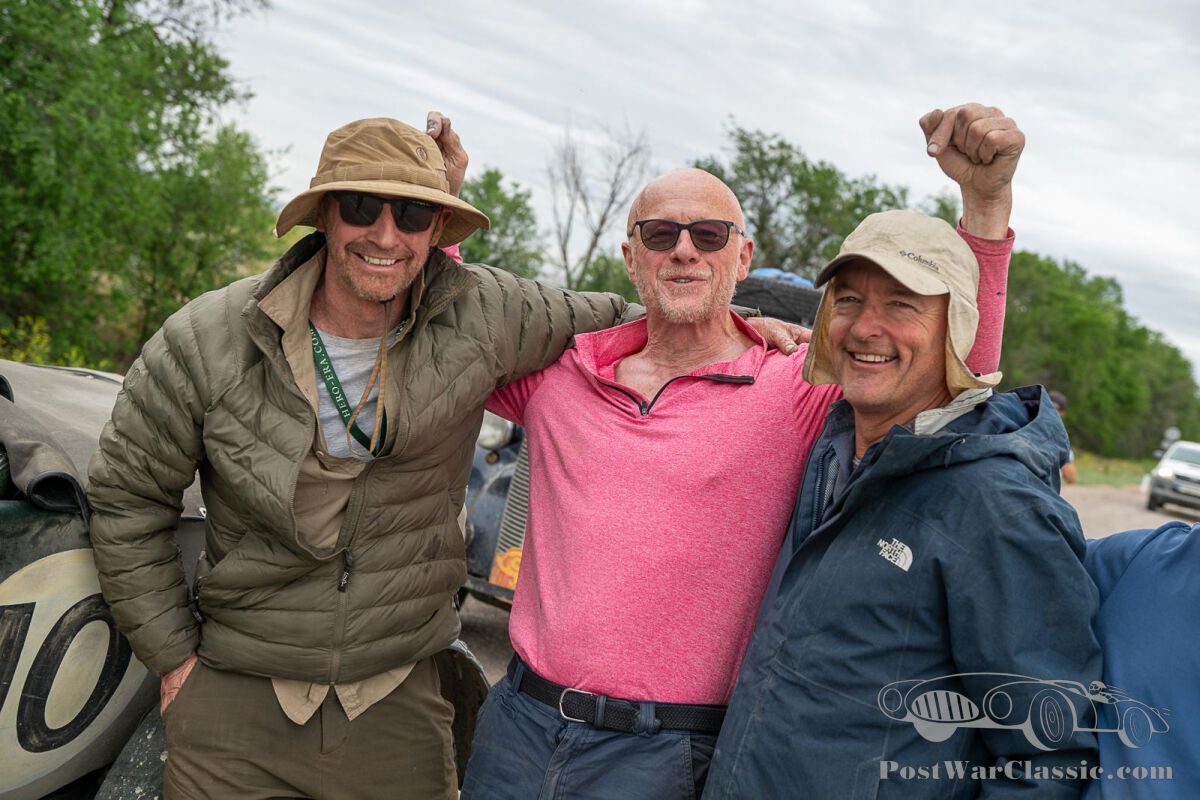
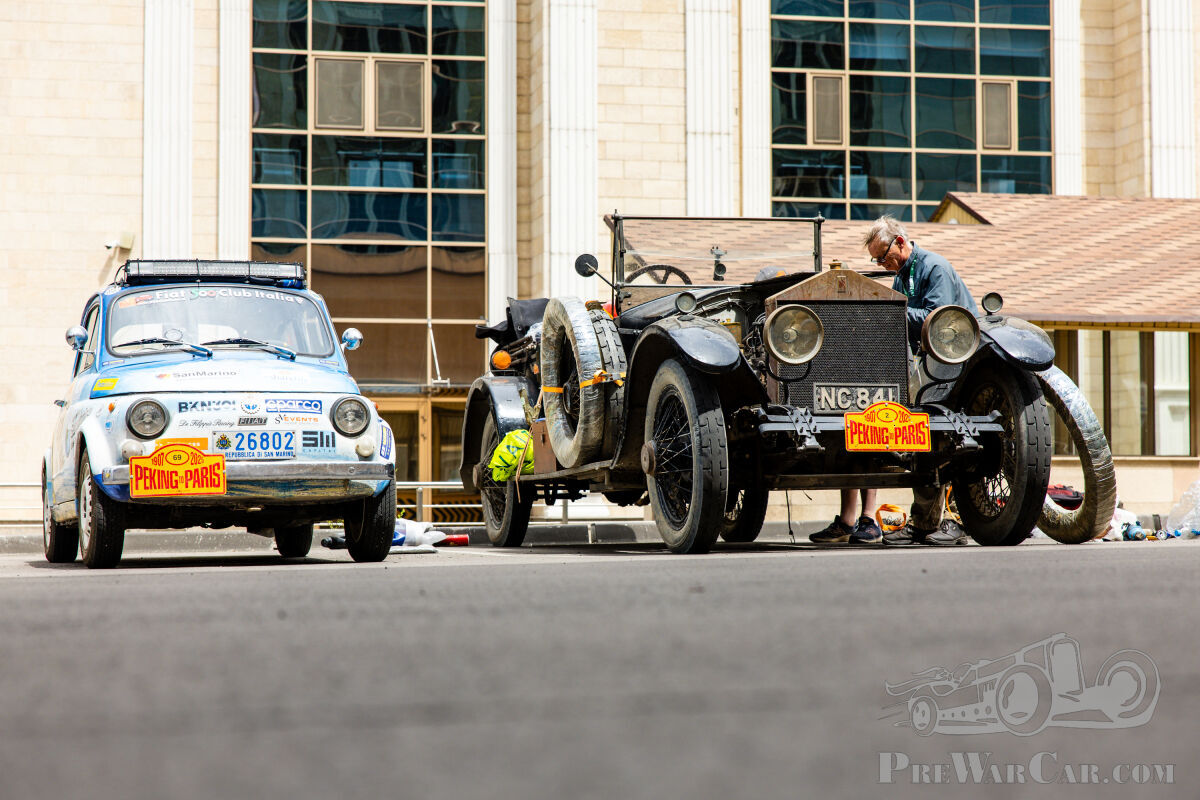
- Car 1, the LaFrance goes long way round, Fiat 500 on flatbed to Aktau, Solo entrant just makes flight to Baku, US team catch up with stories to tell
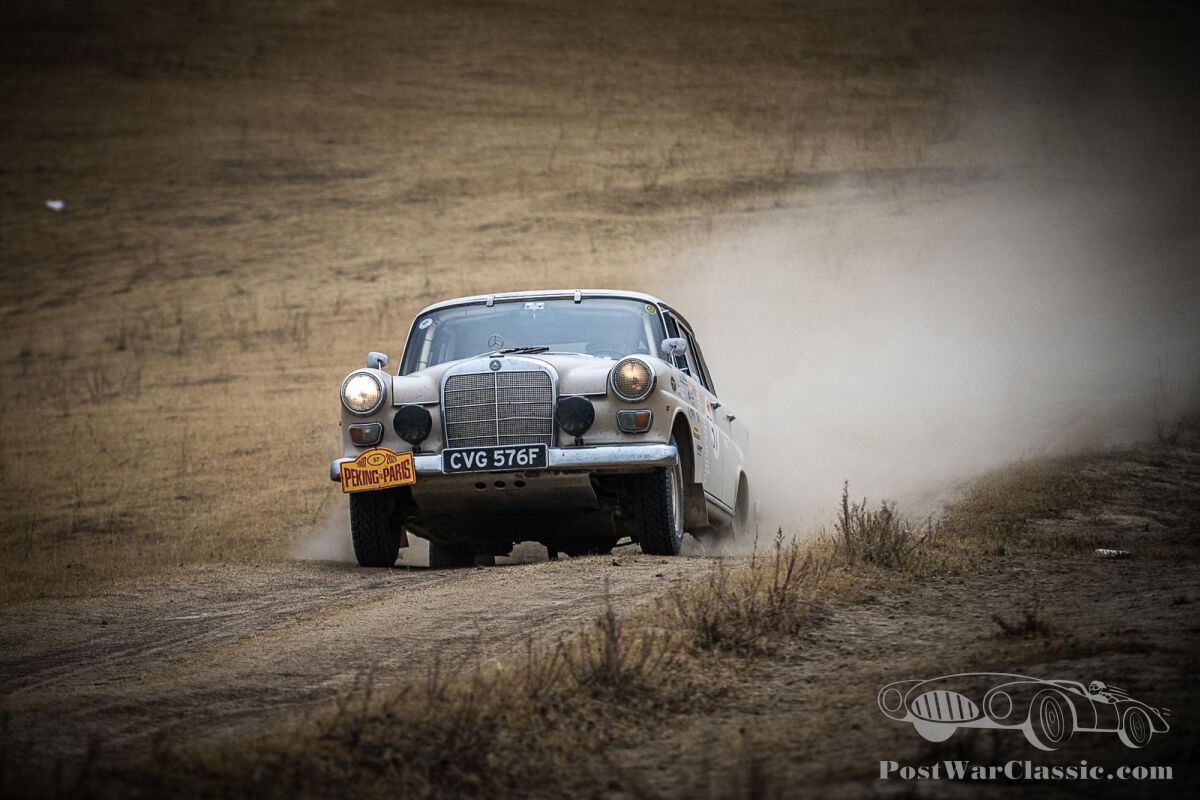
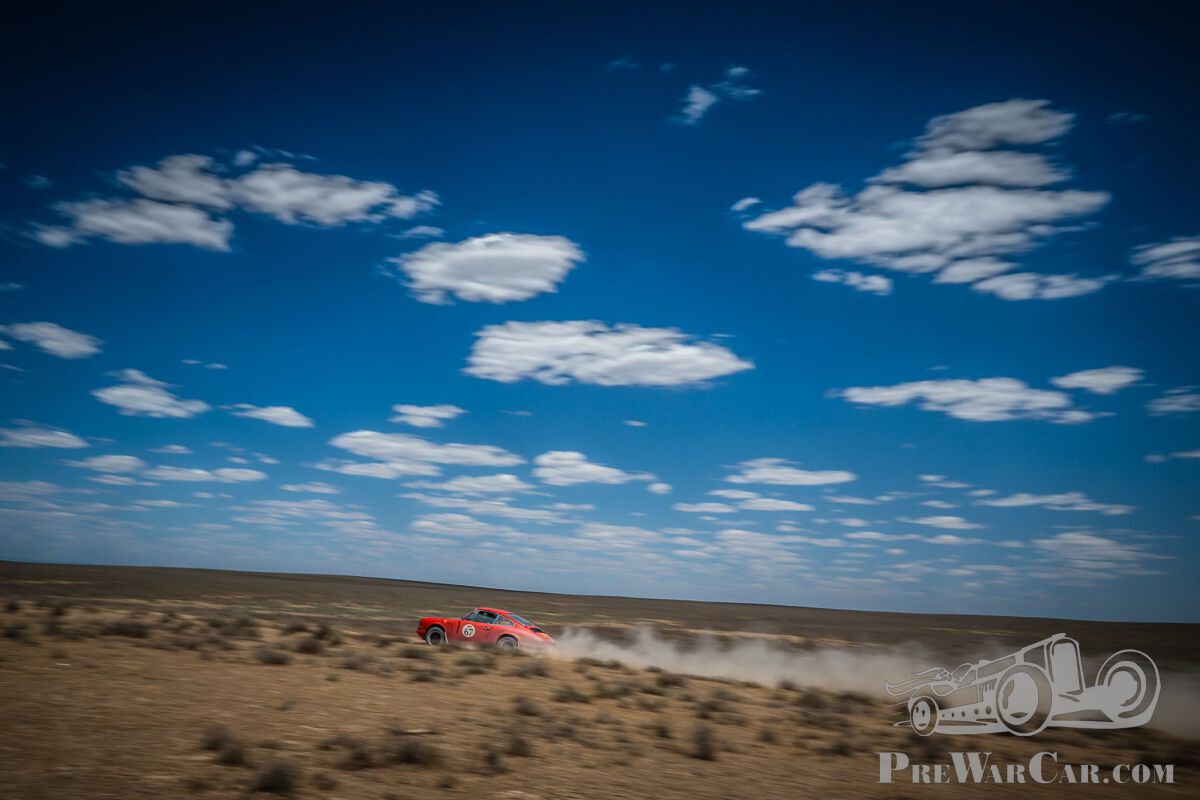
- The 2025 Peking to Paris Motor Challenge has hit its halfway mark after 20 grueling days and 7,350 kilometers of rugged terrain, with 52 intrepid crews emerging from Kazakhstan’s unforgiving desert to cross the Caspian Sea by ferry and air to Azerbaijan.
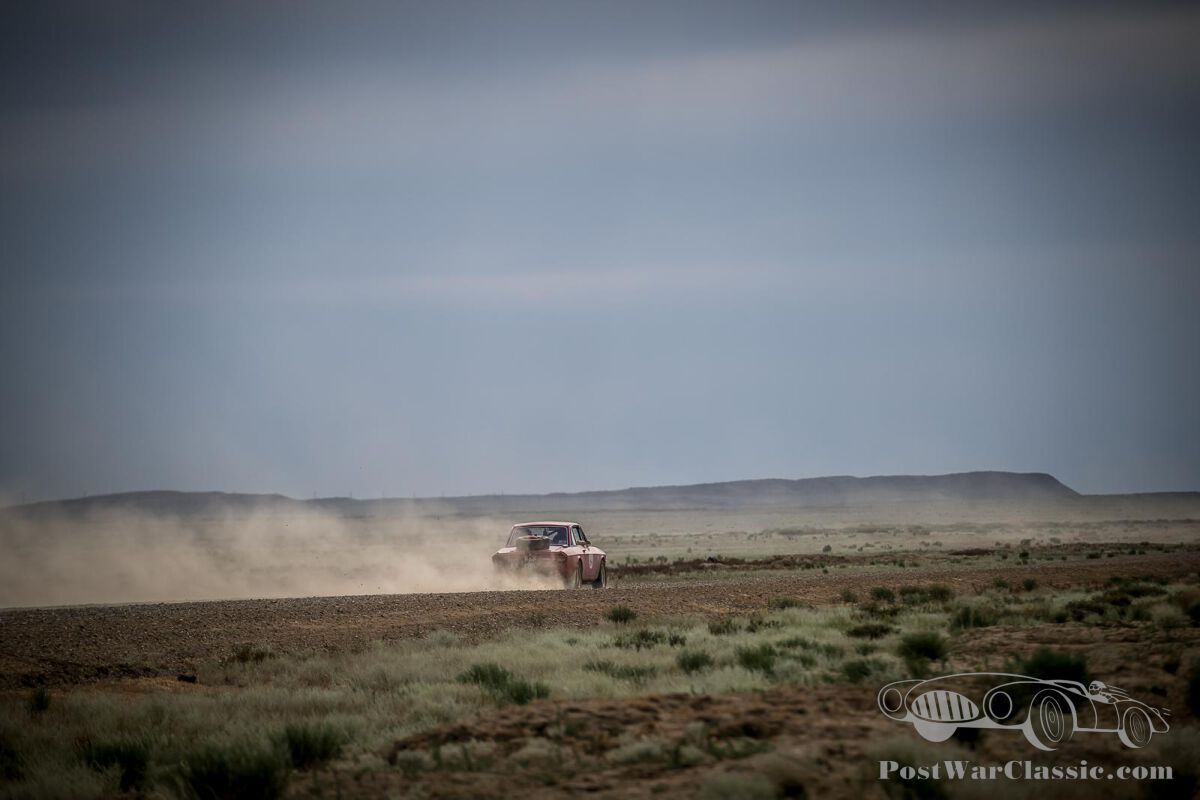
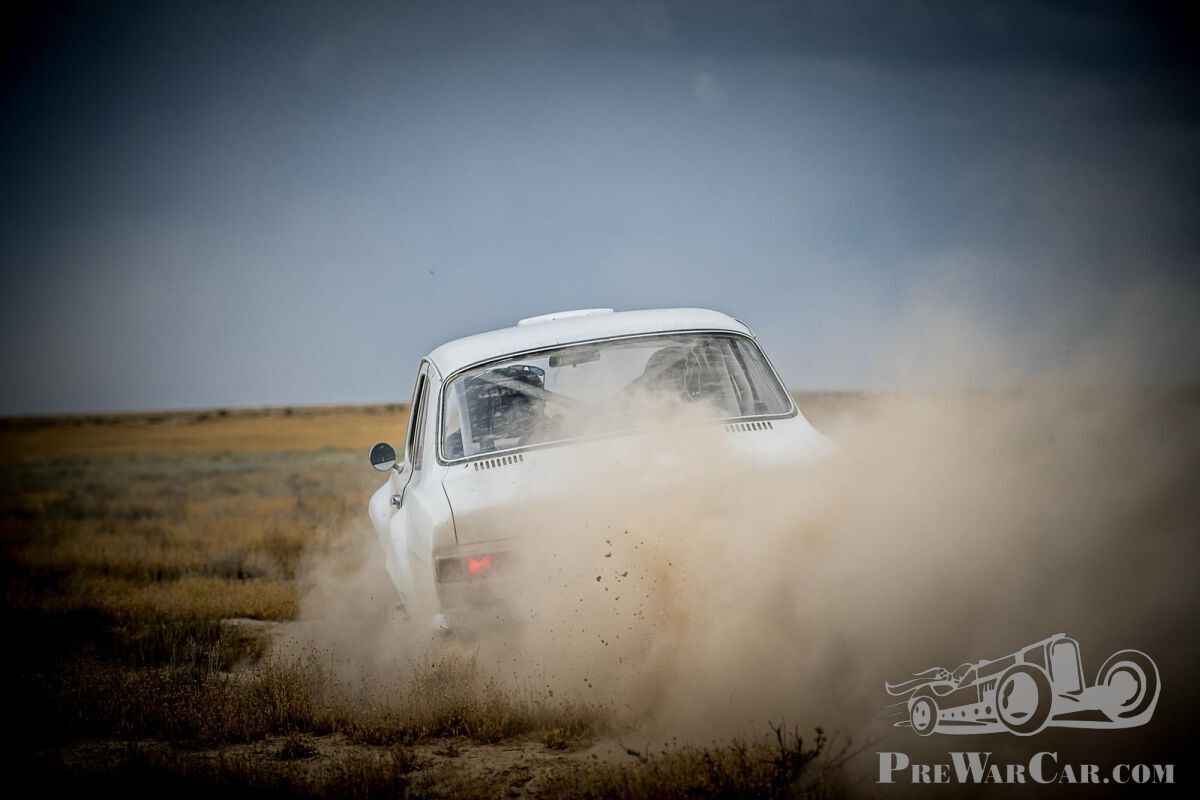
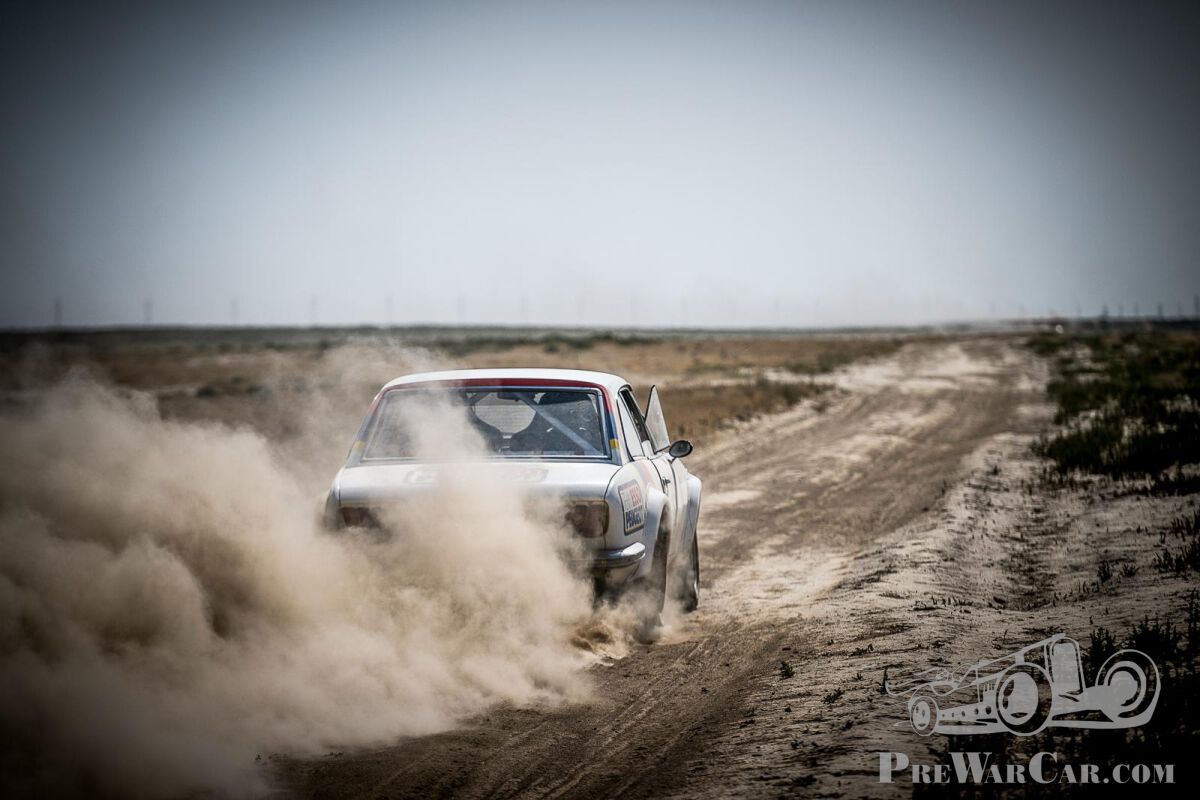
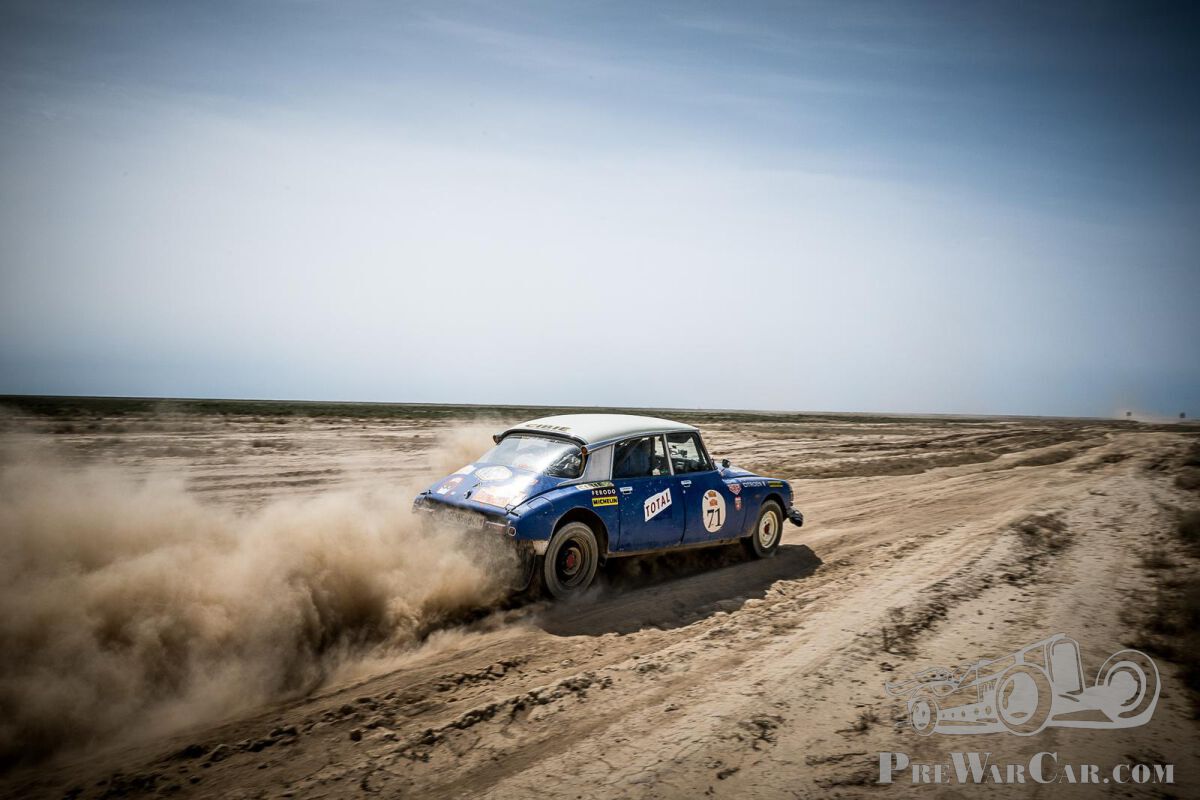
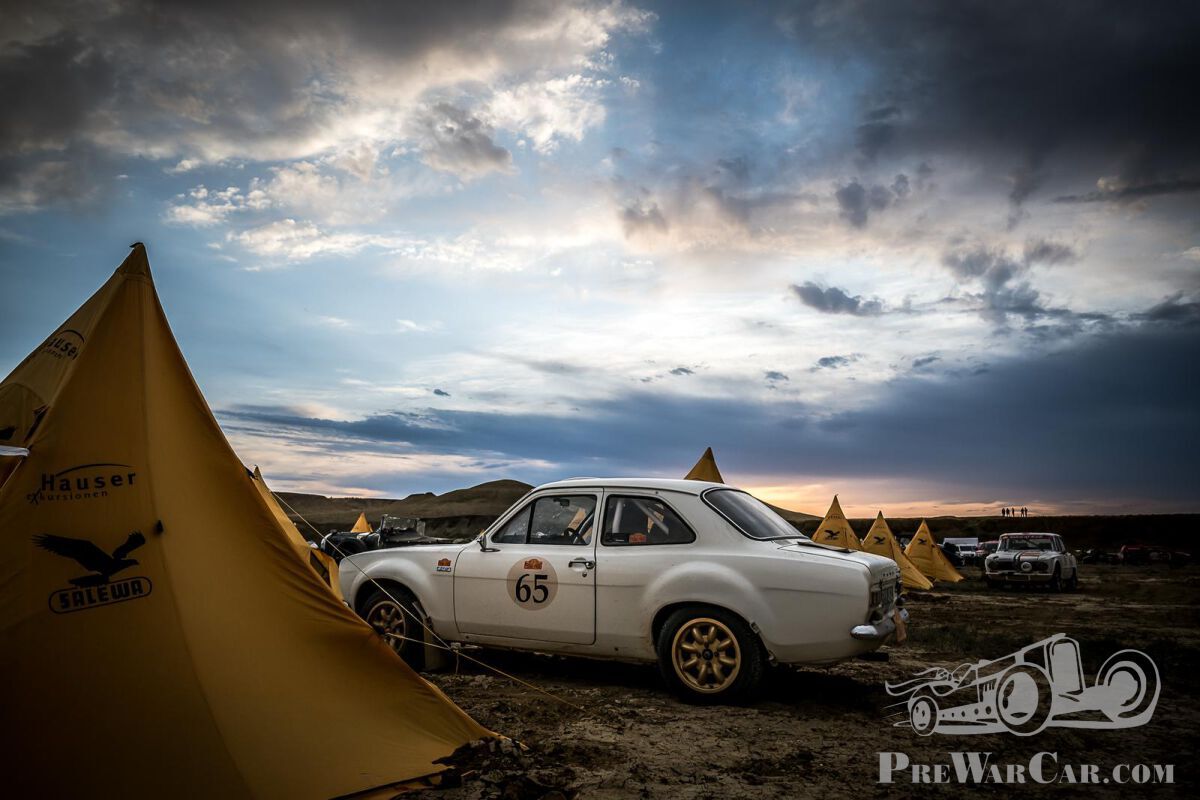
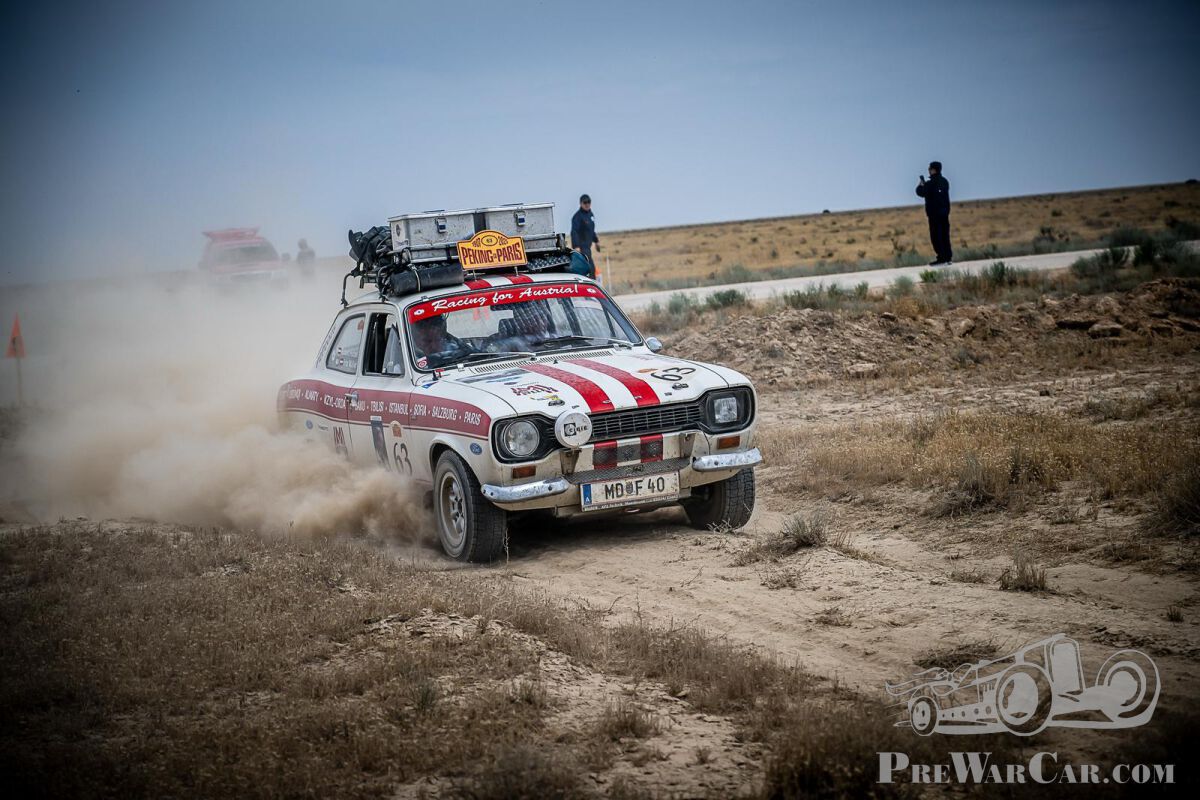
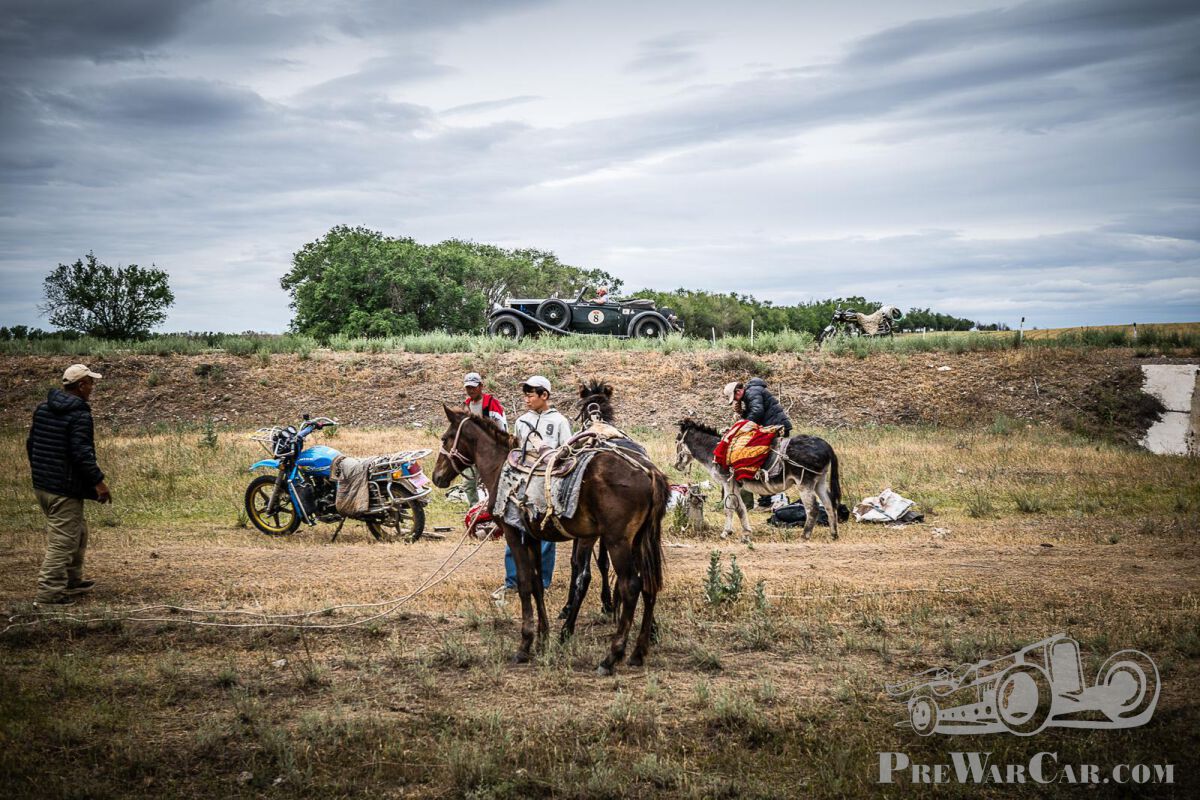
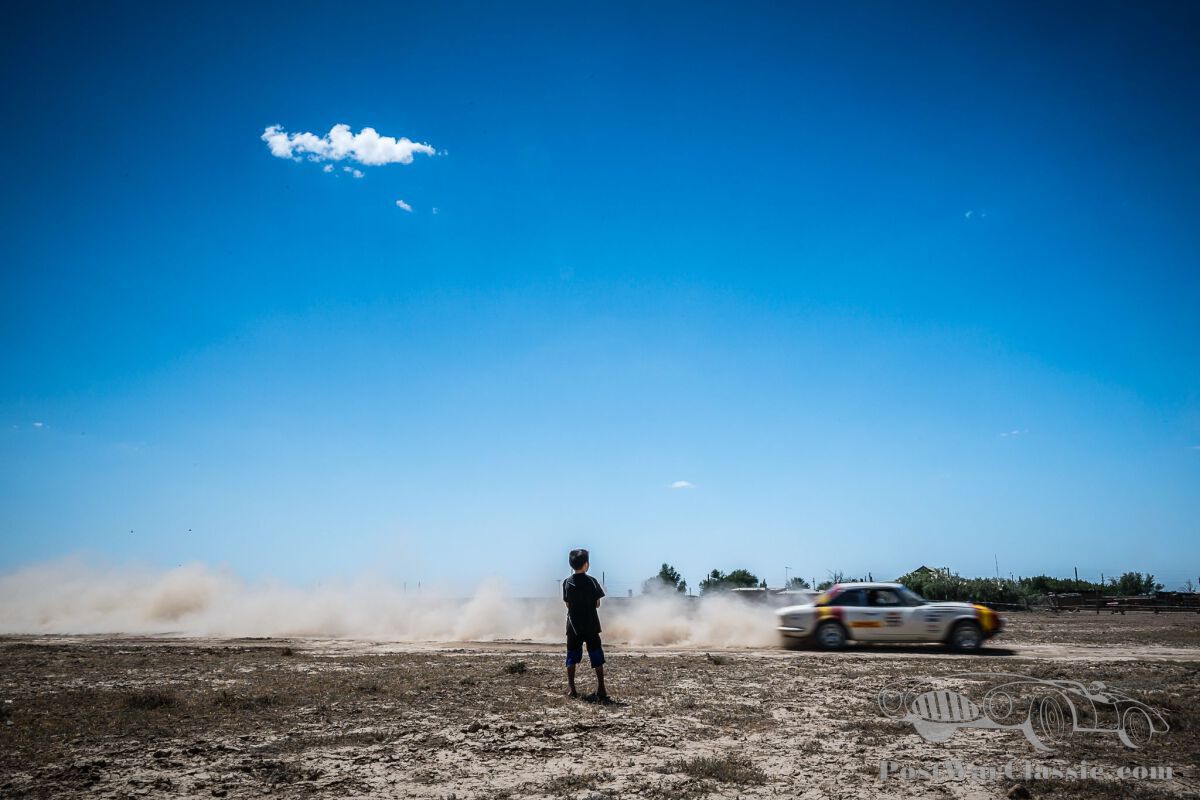
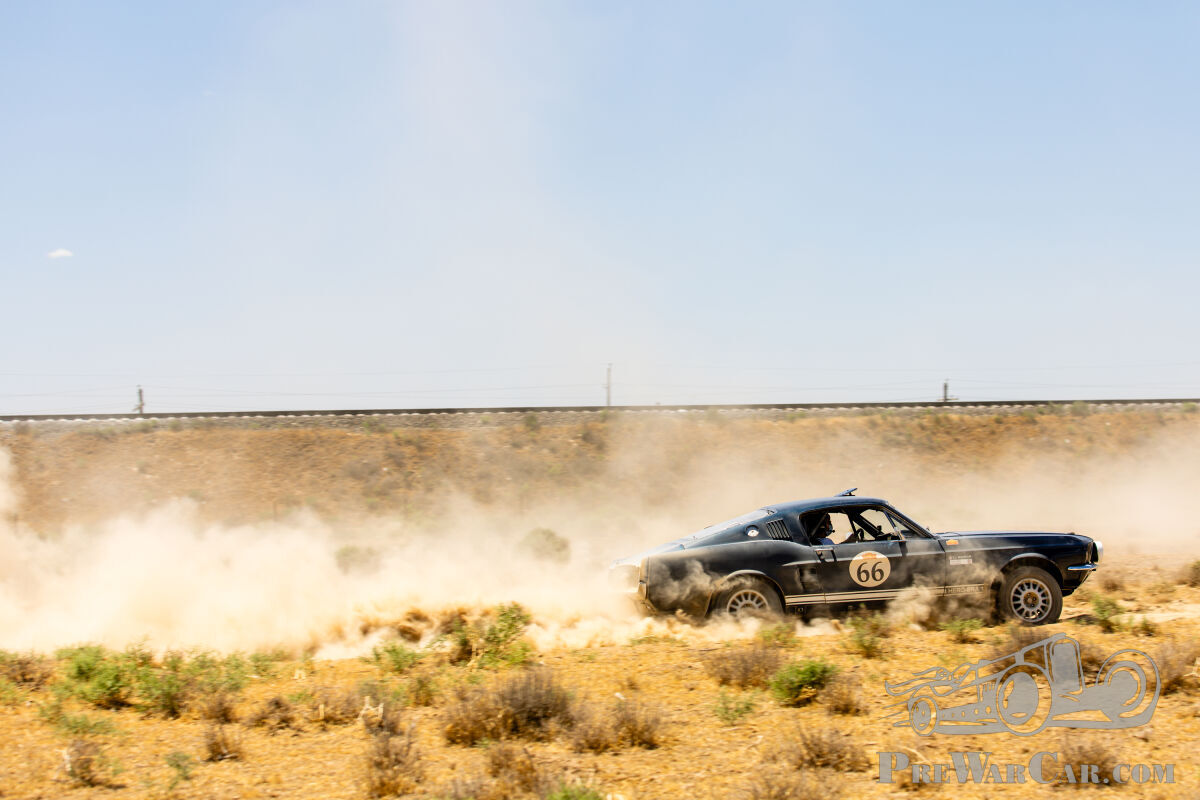
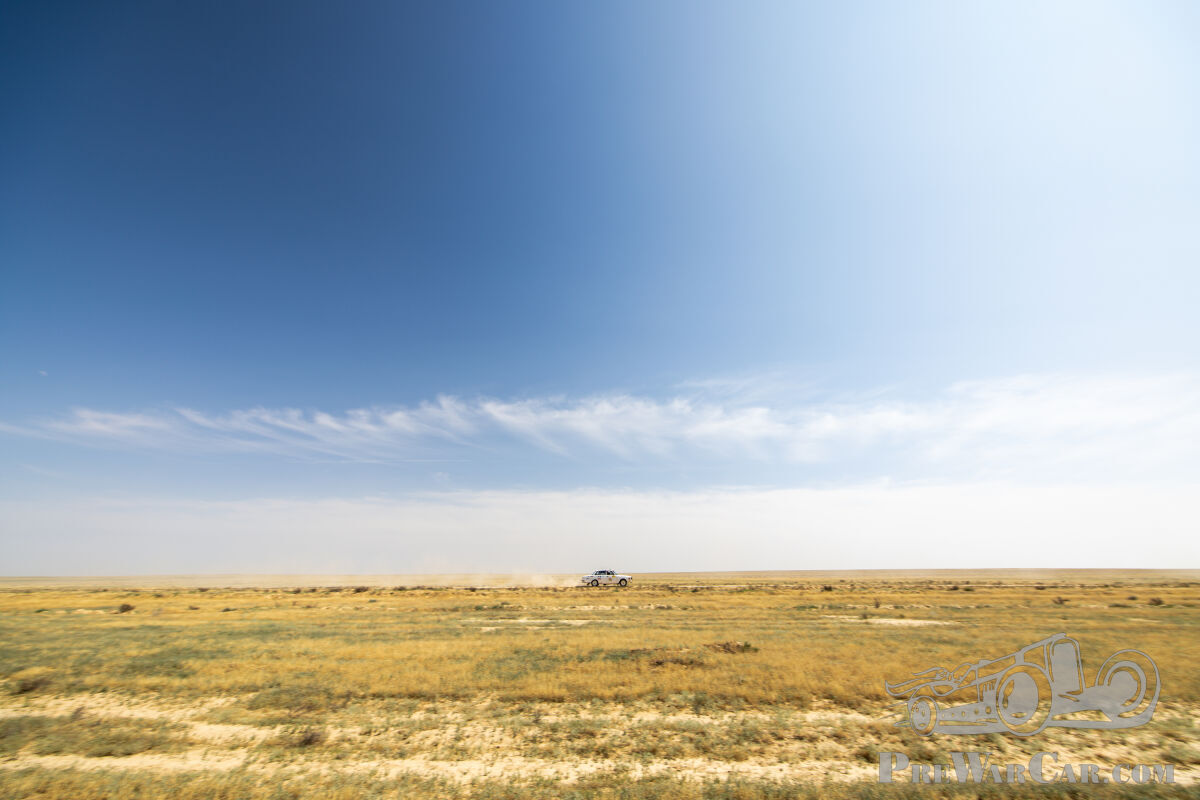
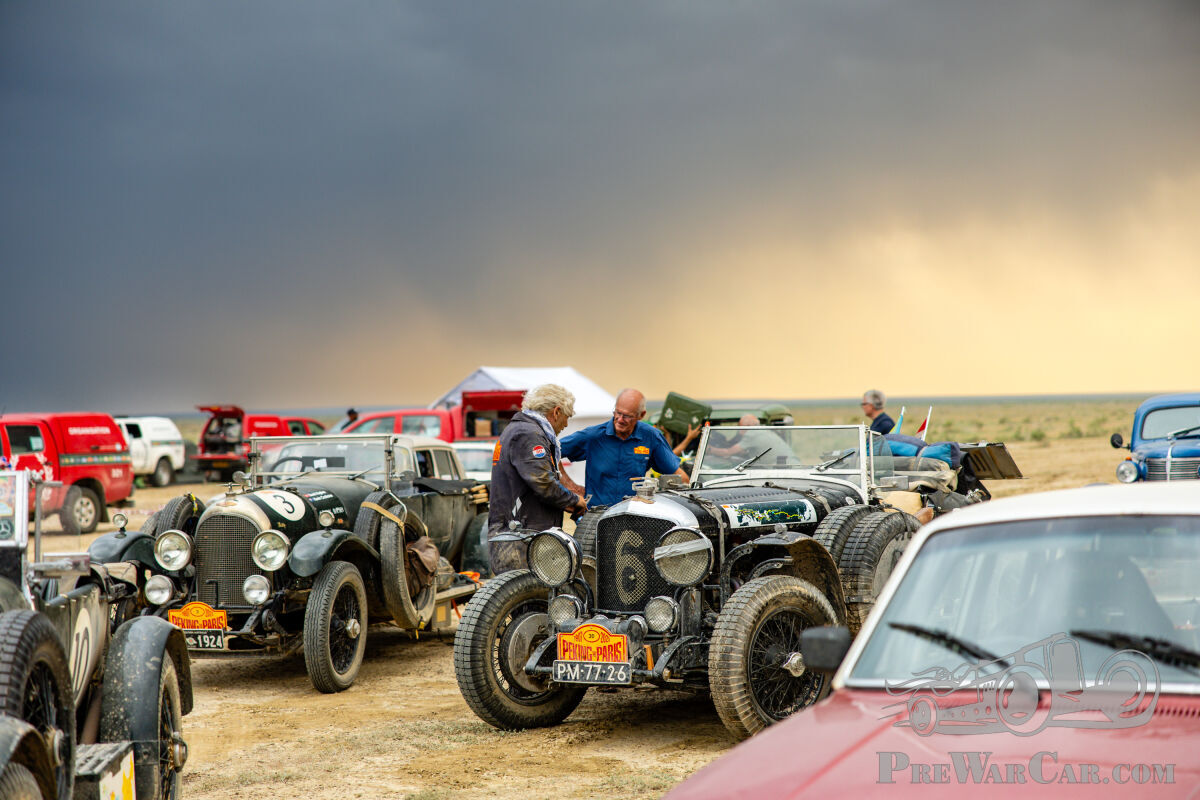
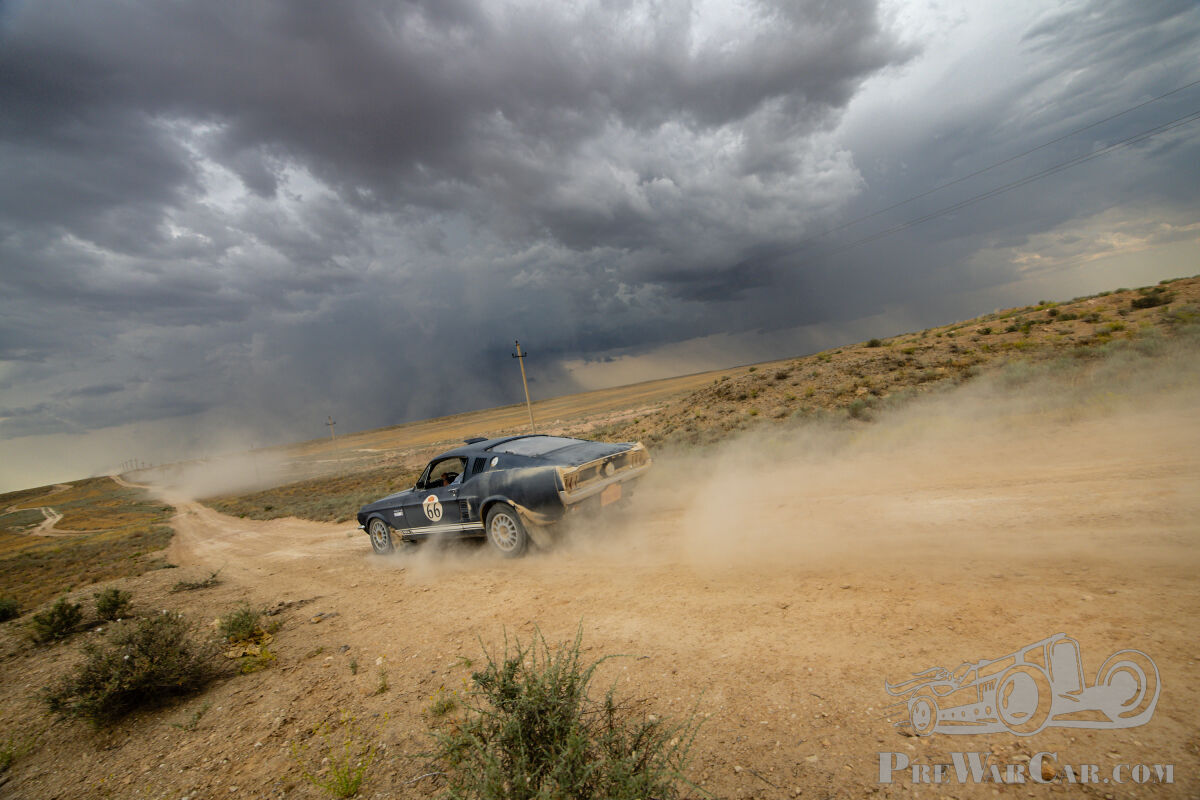
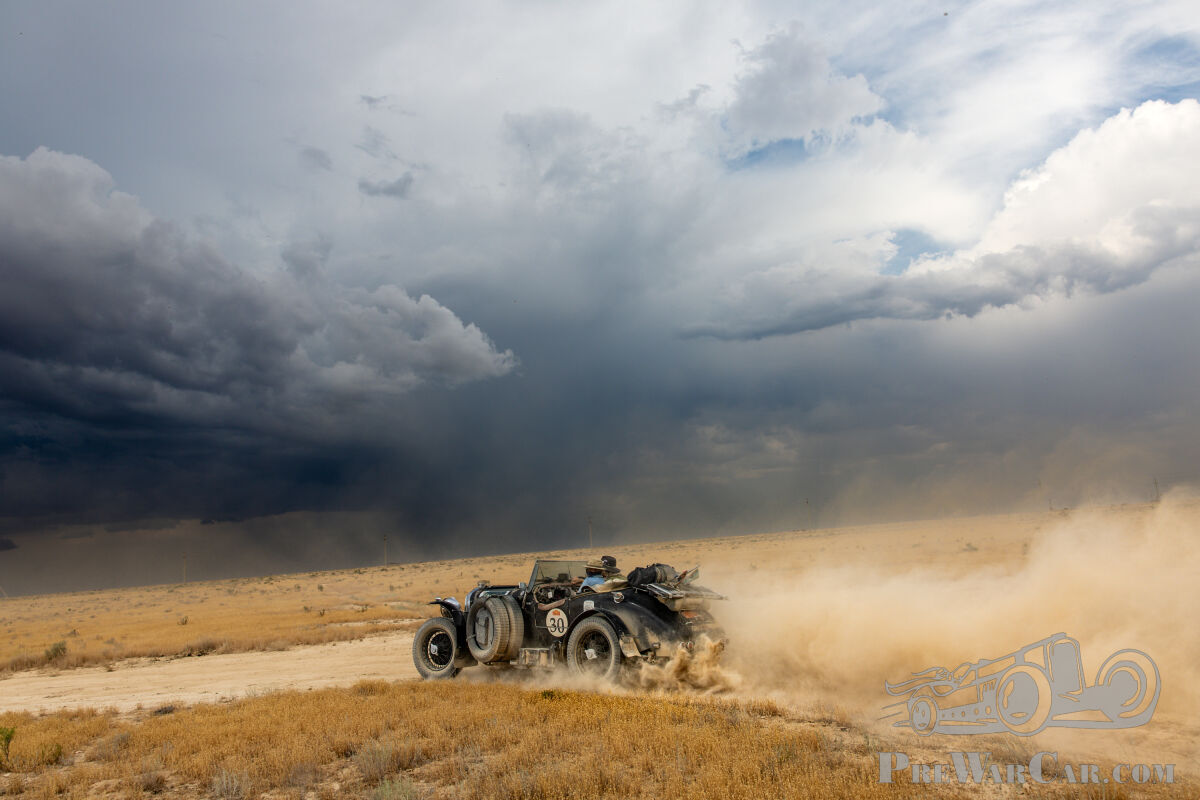
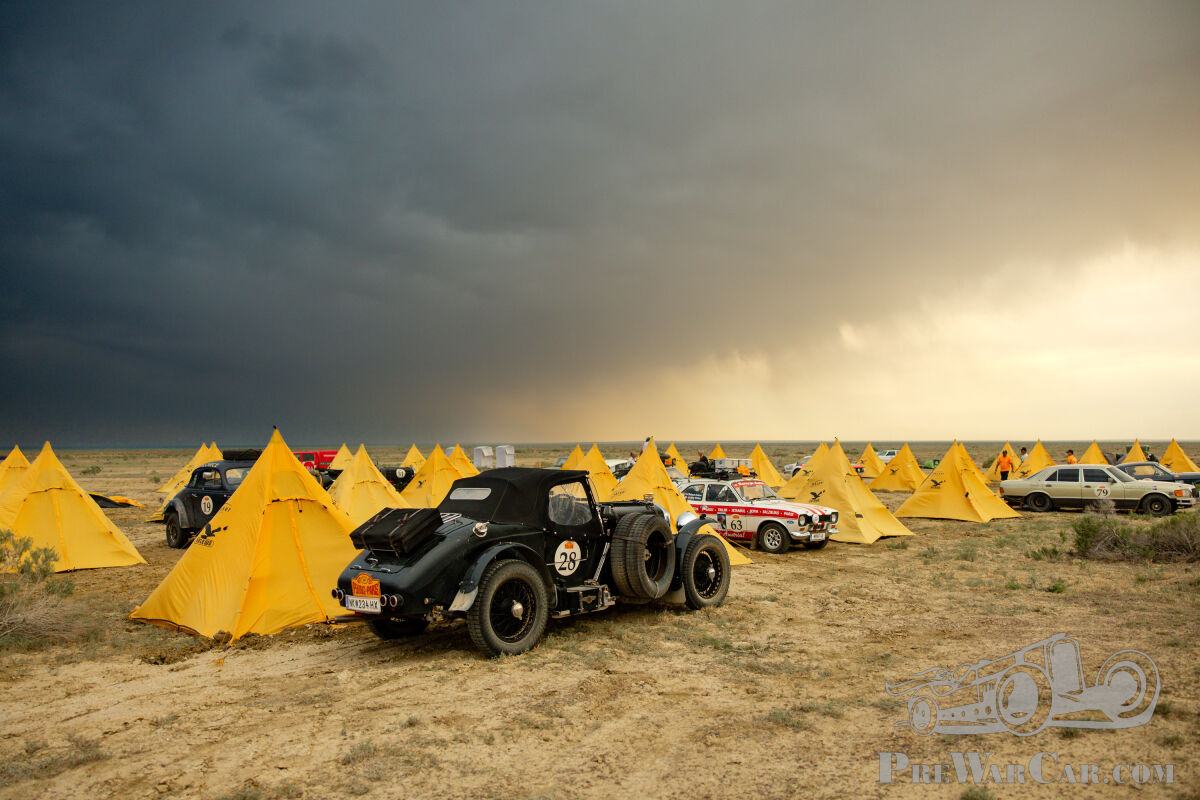
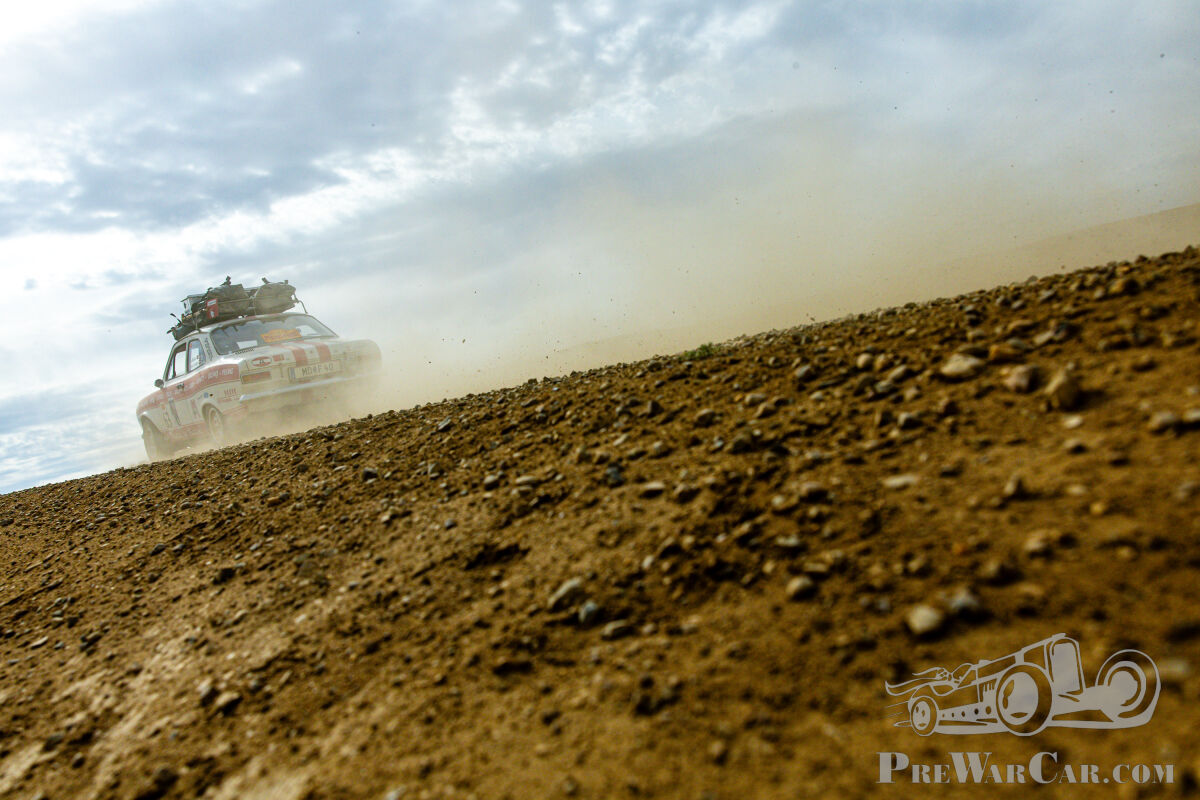
Surviving the harshest leg of the world’s toughest vintage endurance rally, competitors endured searing 48°C heat, choking dust storms, torrential rain, and mechanical carnage across three perilous days in the remote Kazakh steppe and Aral Karakum desert. With no civilization in sight, navigation errors, treacherous terrain, and sleep-deprived campouts tested both spirit and steel.
Leaders Hold Firm – Others Falter
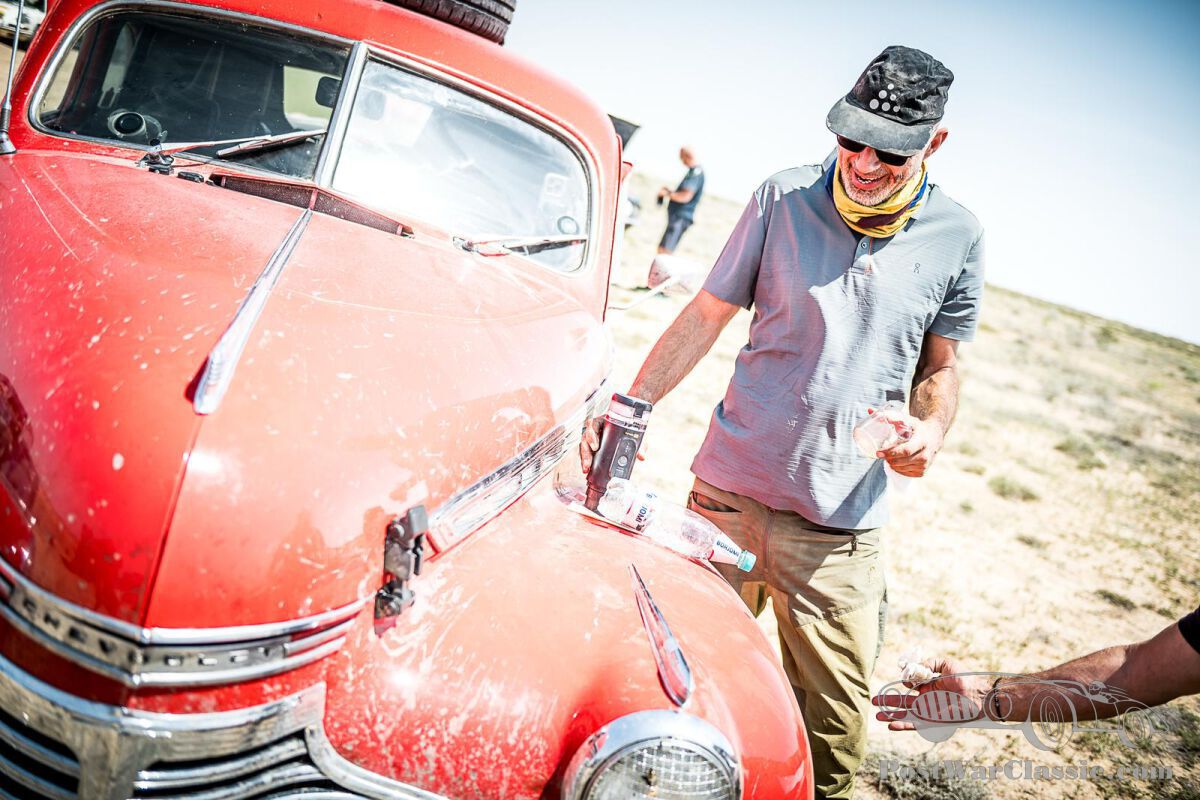
Argentine duo Jorge and Cristobal Perez Companc, driving a 1939 Chevrolet Master Coupe, have maintained their composure and extended their overall lead with a flawless performance through Kazakhstan’s punishing Special Time Control (STC) sections.
Meanwhile, British team Brian Scowcroft and Mark Gilmour saw disaster strike as engine trouble in their 1936 Fangio Roadster dropped them from 2nd to 5th overall. A suspected piston failure has them scrambling for a replacement engine in Baku.
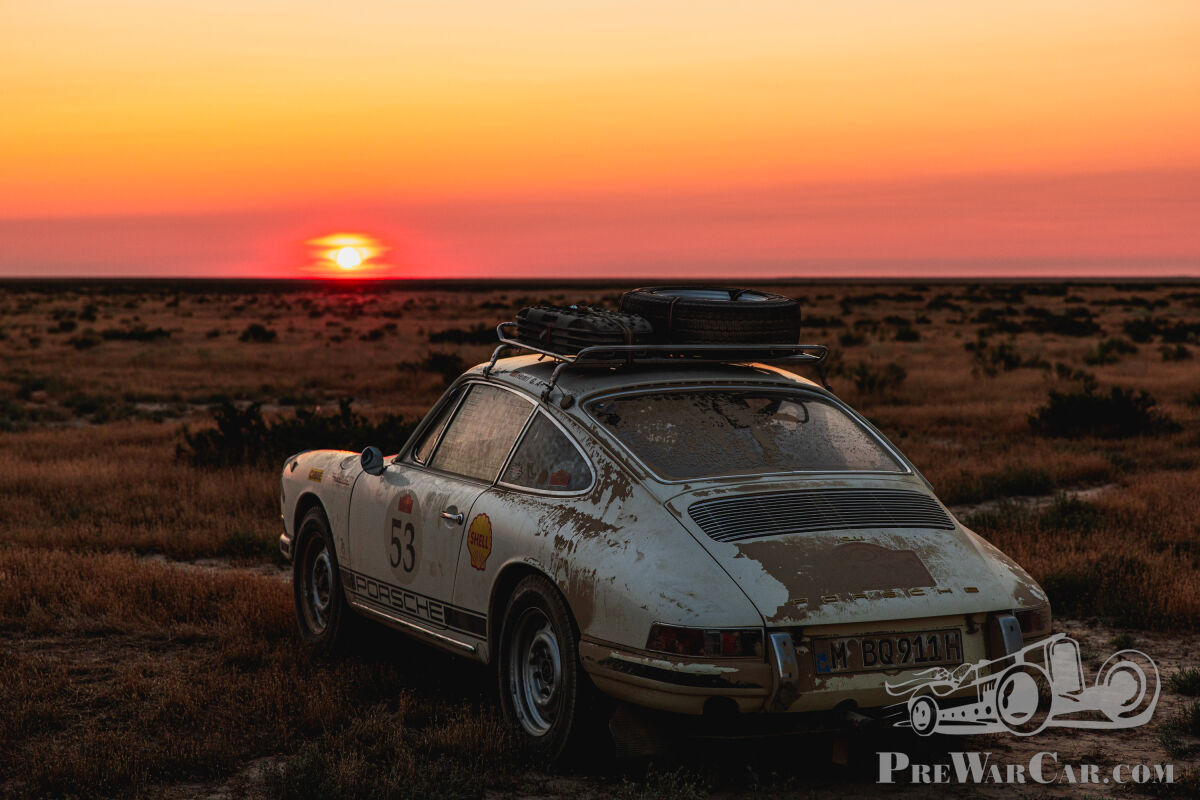
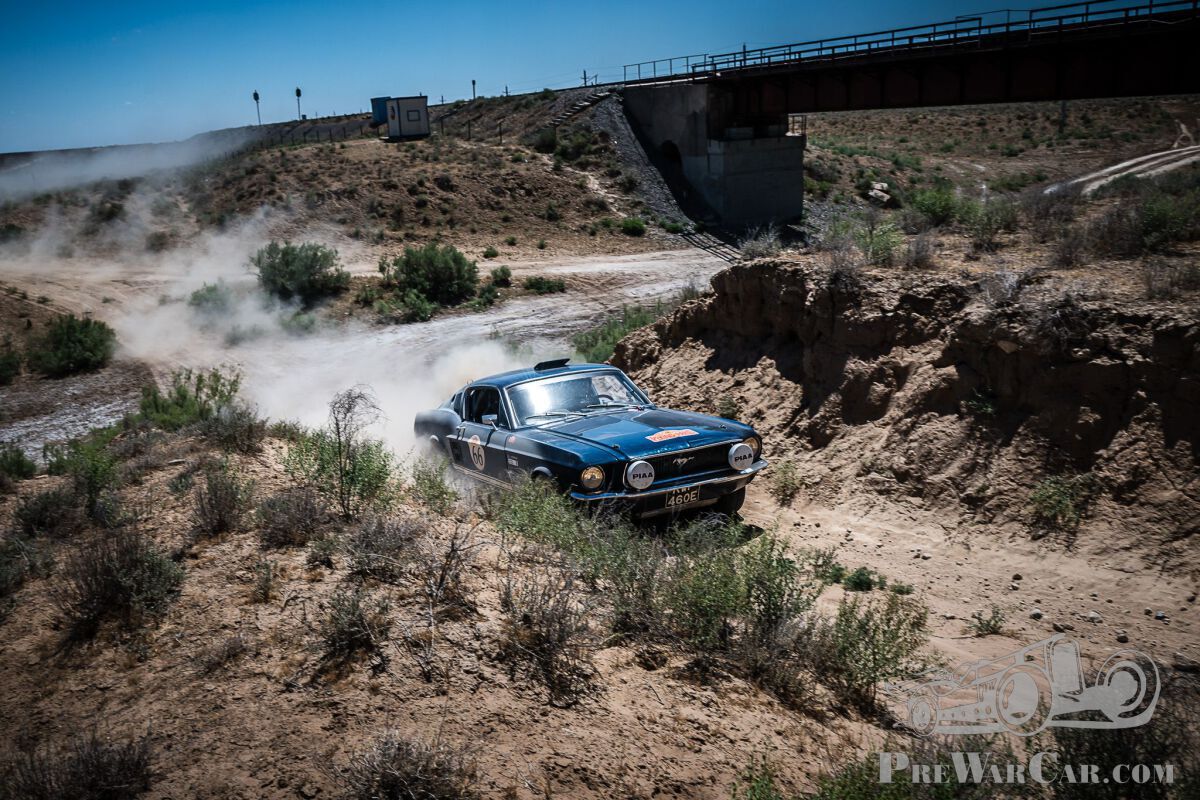
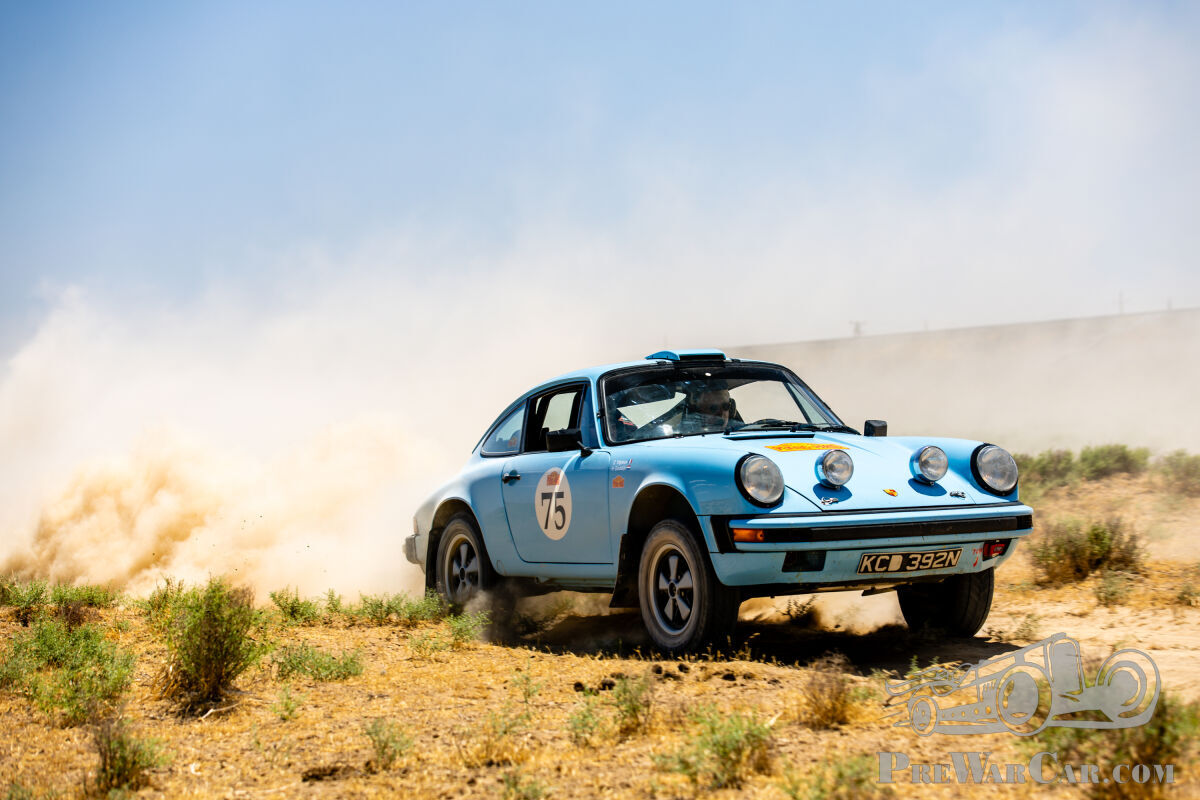
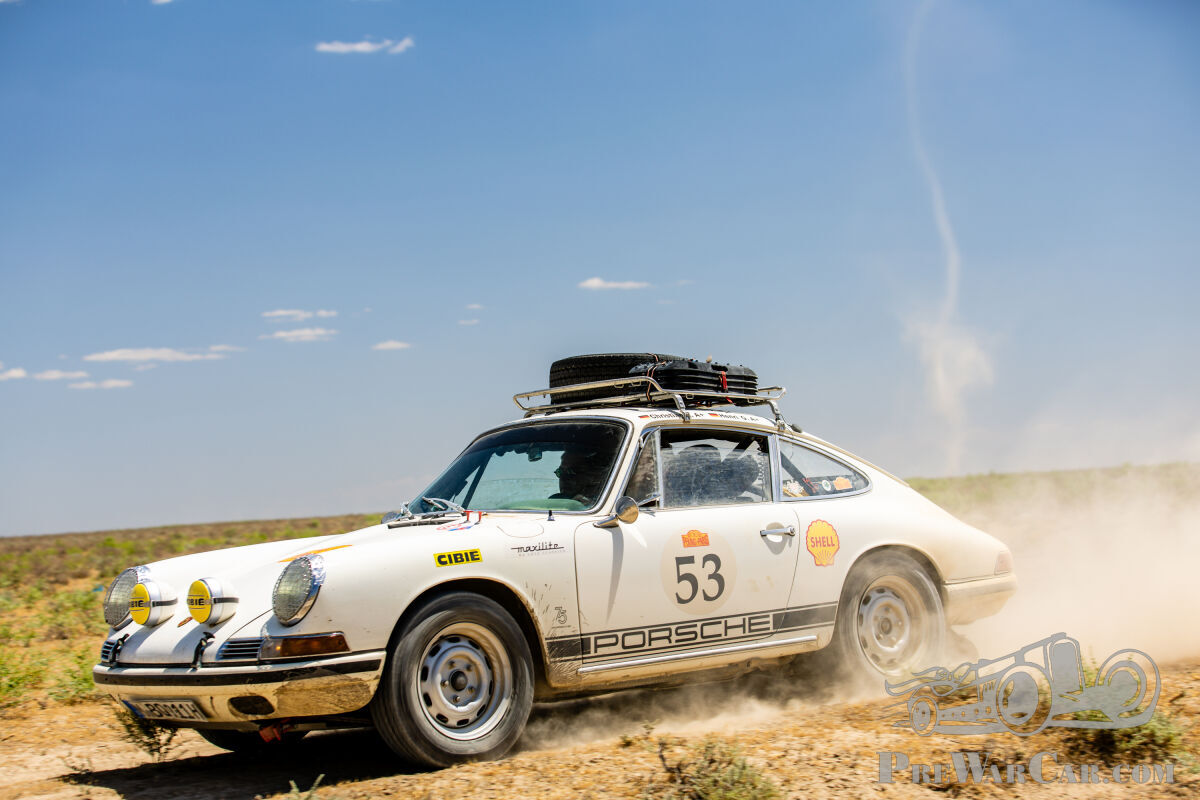
In the Classic Class, Dutch-French pair Harold Goddijn and Corinne Vigreux reclaimed the lead in their Porsche 911, edging out Australians John Henderson and Lui MacLennan in a Volvo 144. Brits Brian Palmer and David Bell are back in podium contention, while German team Gerd Bühler and Laurenz Feierabend dropped to fourth after receiving 2.5 minutes in penalties during the treacherous final Kazakh test.
Struggles, Camaraderie, and Survival
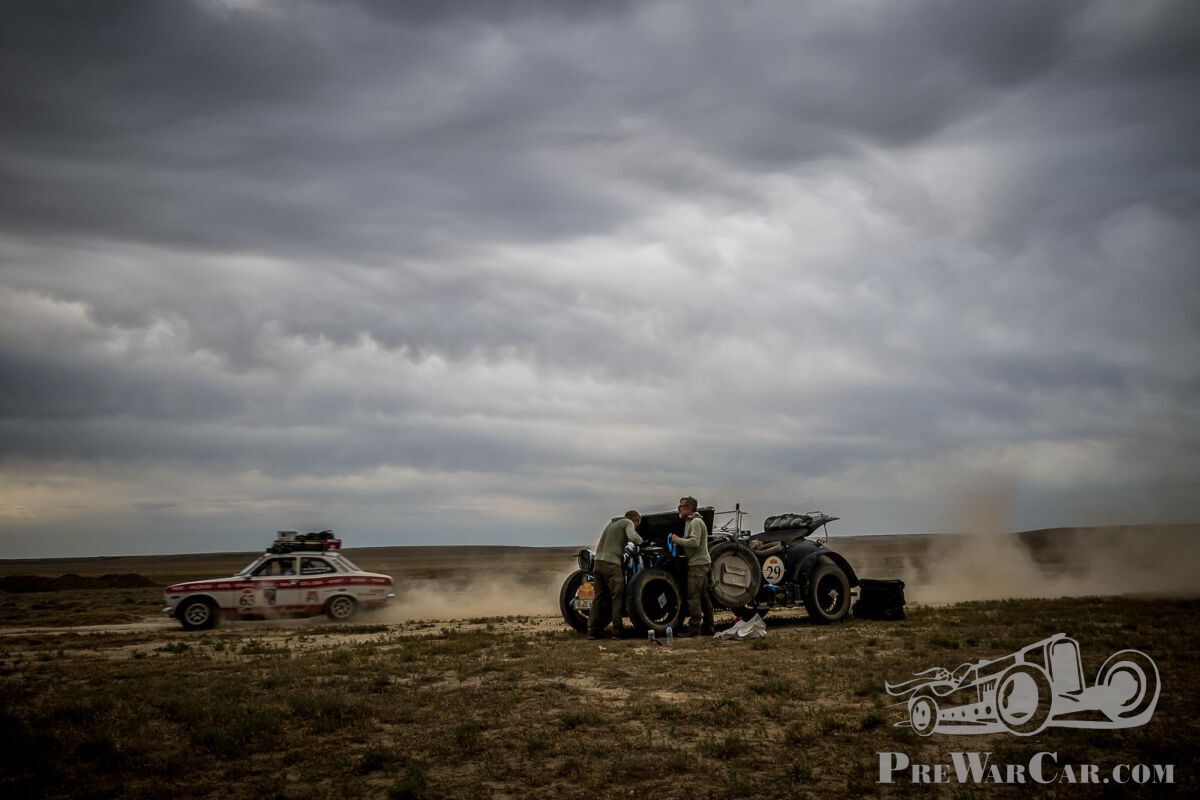
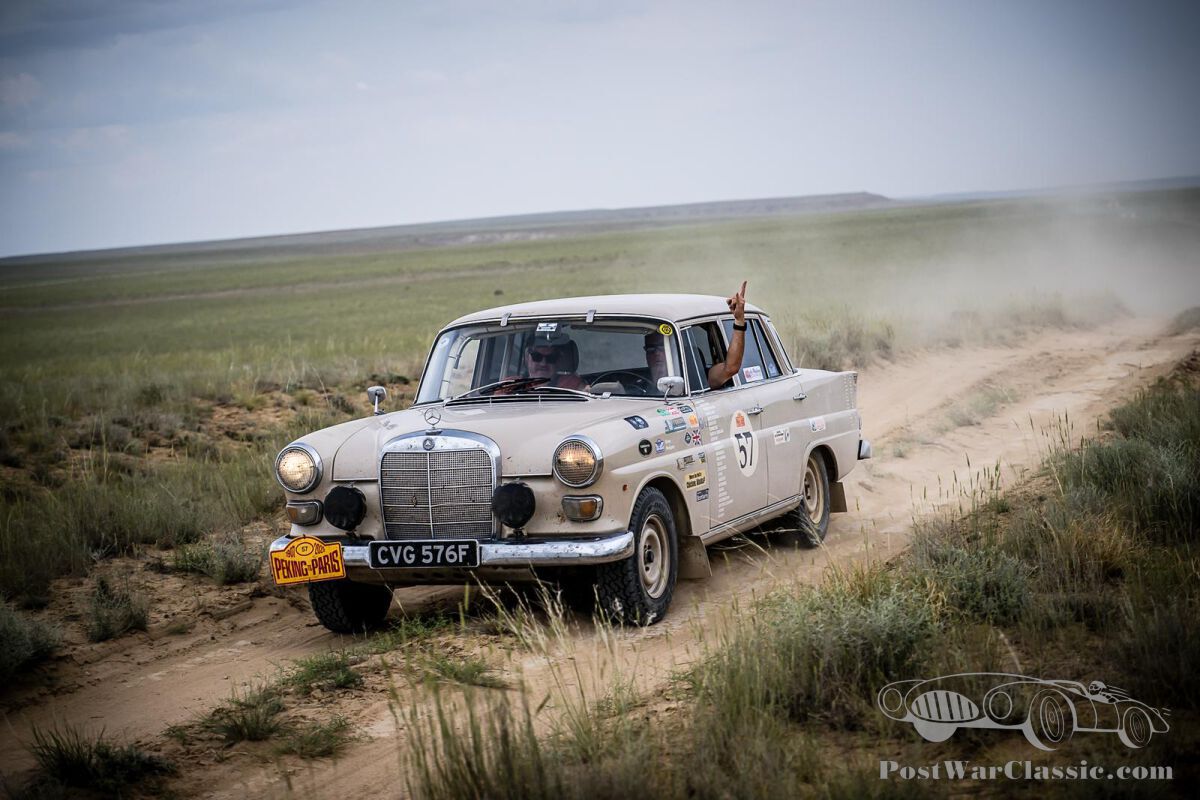
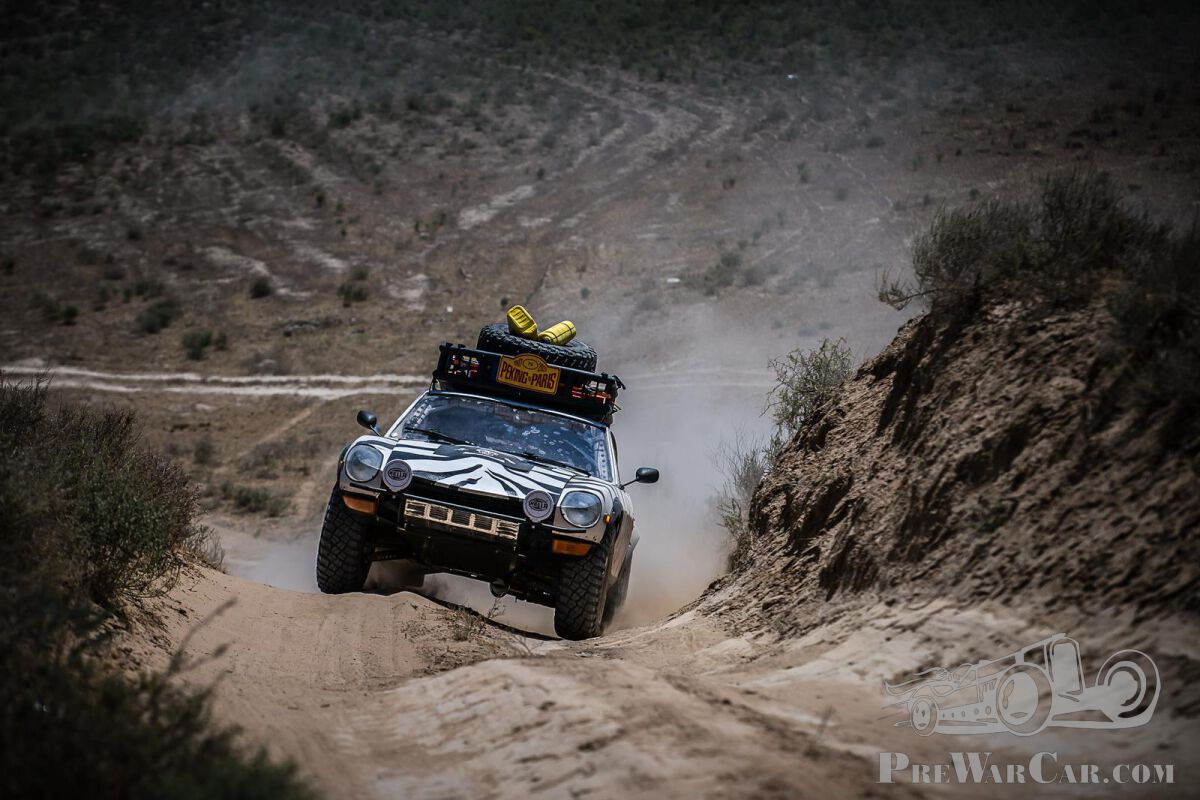
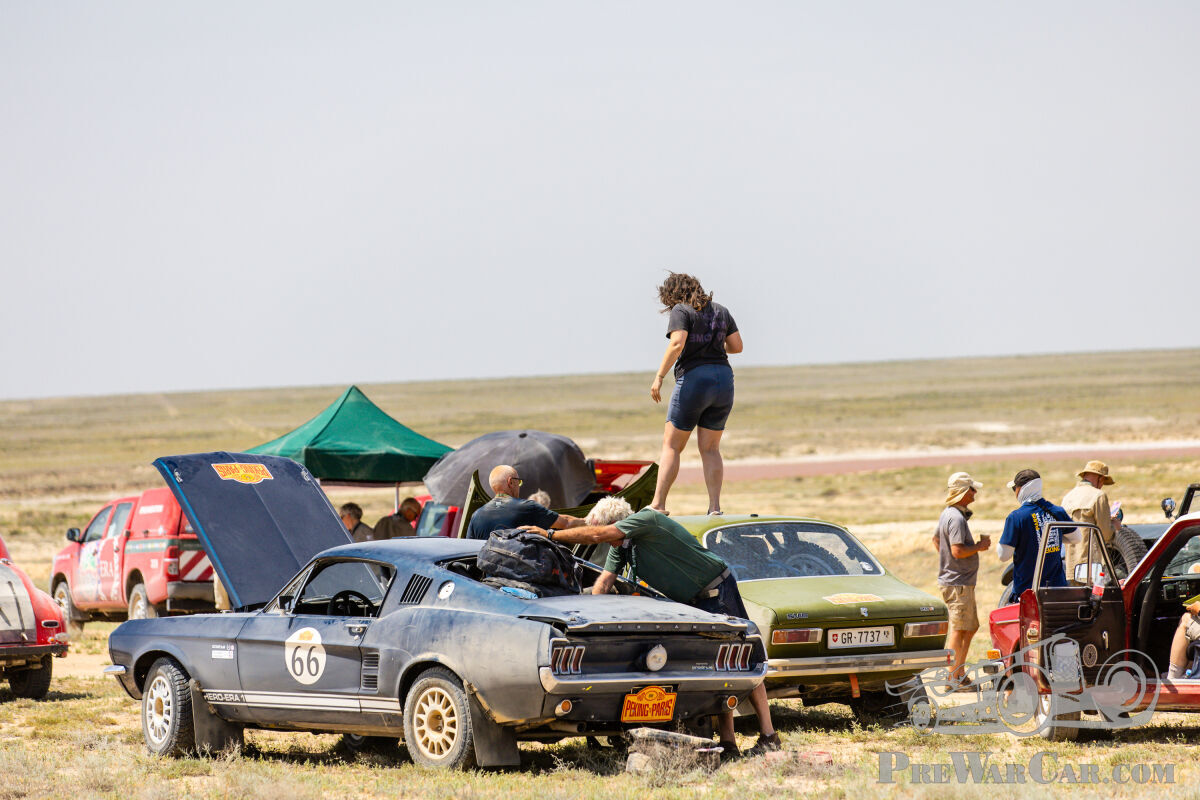
Breakdowns were frequent. From the massive 1917 LaFrance taking a long northern detour to avoid the desert, to the zebra-striped Datsun 240Z of Americans Ryan and Isaiah Salter catching up after a breakdown at the China-Kazakhstan border—each car has a saga of grit and recovery. The port of Aktau has become a staging ground of battle-scarred vehicles arriving on flatbeds, in need of mechanical salvation.
In one act of P2P camaraderie, Vigreux’s oil cooler broke on her Porsche. Who crawled under to help? Her main rival, Feierabend—a true testament to the spirit of the rally.
Mechanical Madness and Dust-Fueled Drama
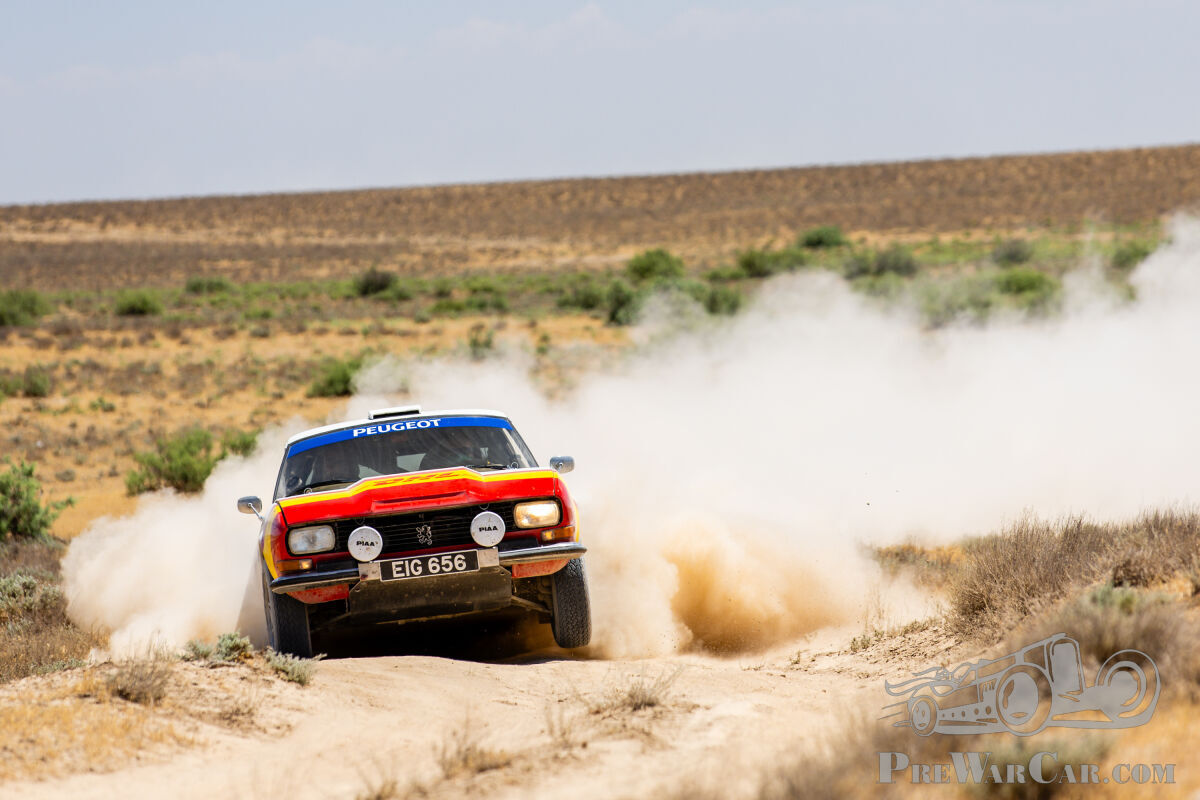
Kazakhstan’s challenges weren’t just physical. Drivers faced tricky navigation, off-camber corners, and axle-breaking ruts that left cars—and tempers—on the edge. A sticking throttle, a blown fuse, and failed head gaskets added to the growing tally of mechanical woes. The Salters broke a strut; the Swiss Merlino team snapped more suspension on their Volvo PV544.
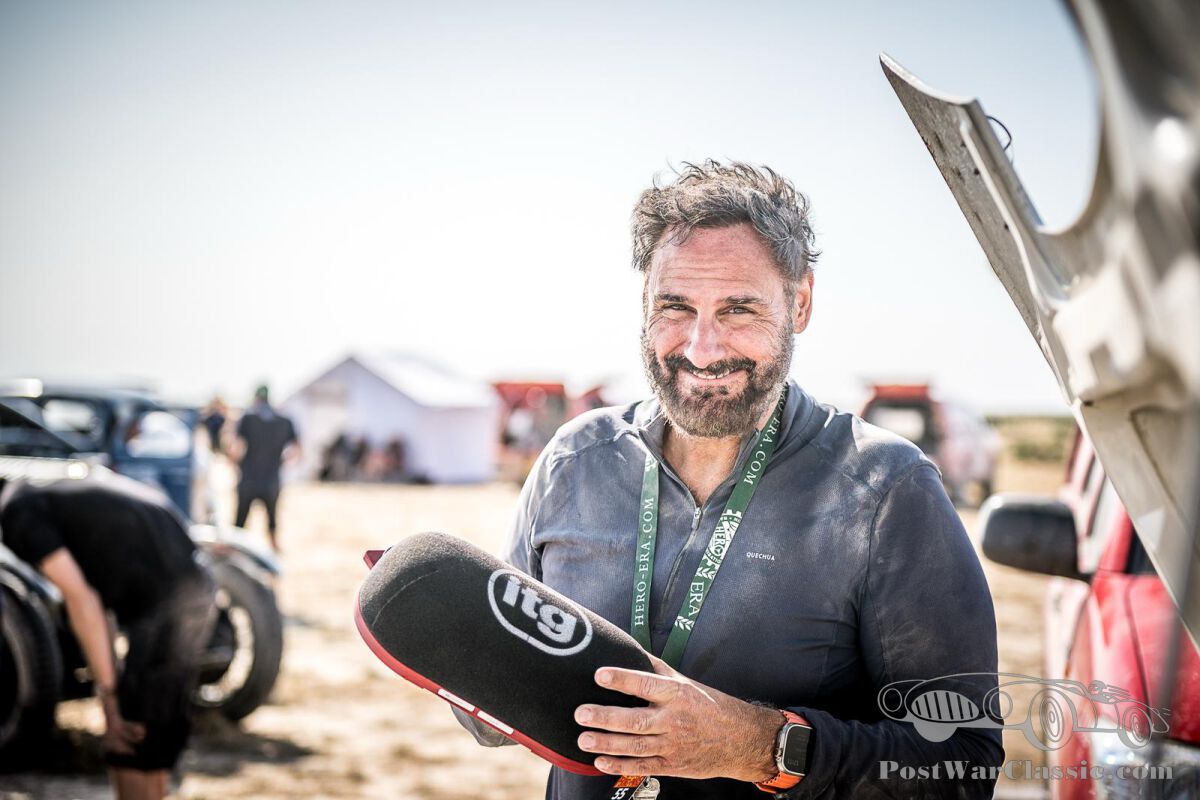
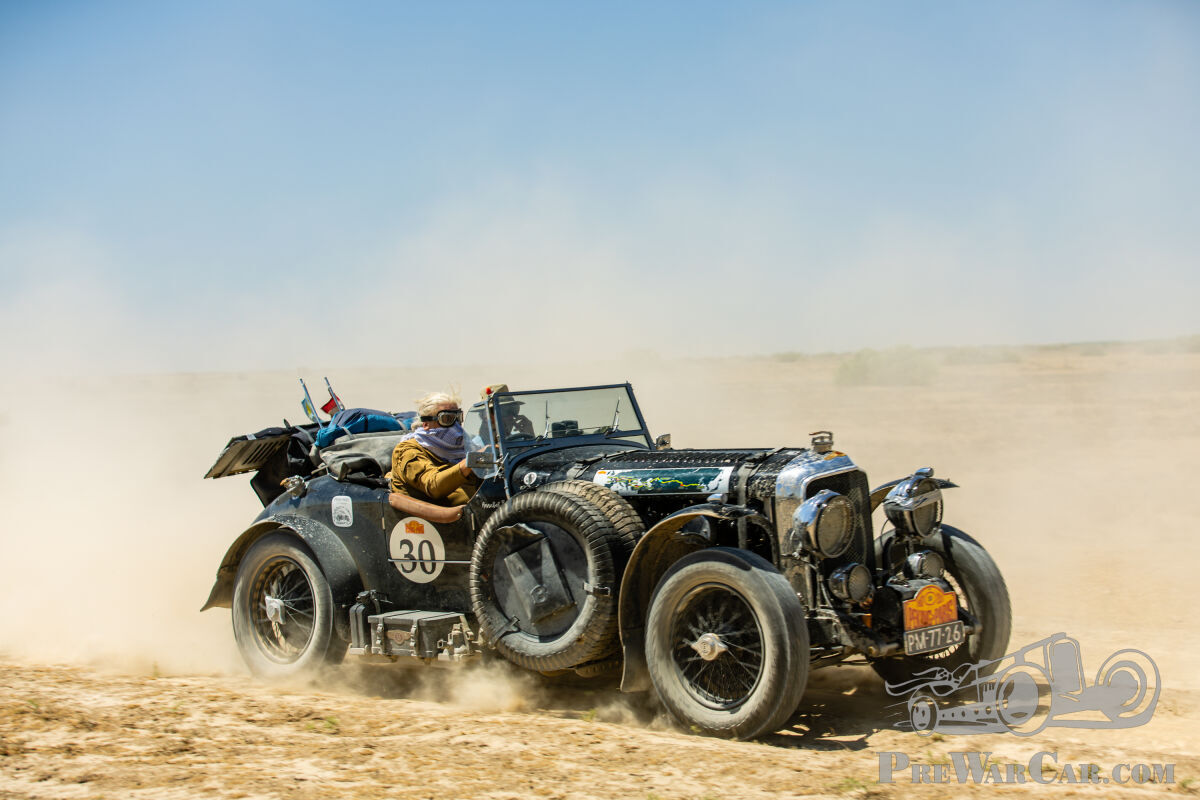
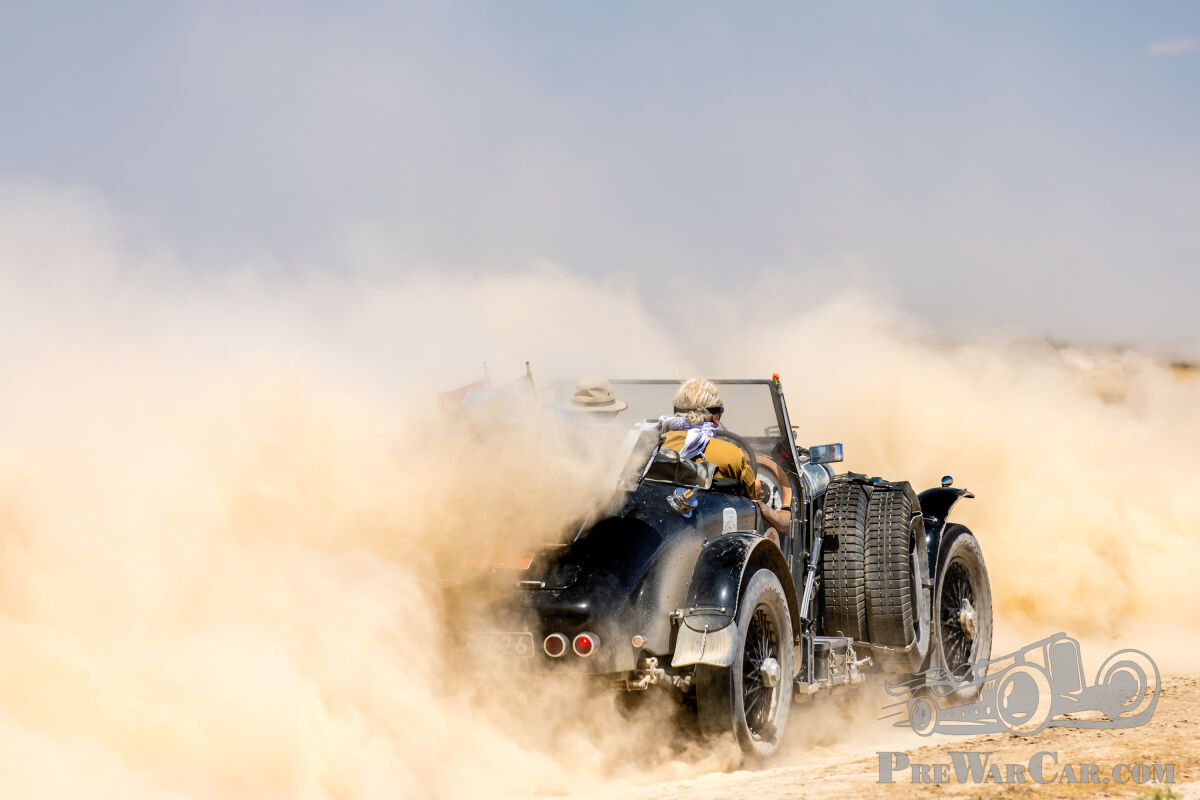
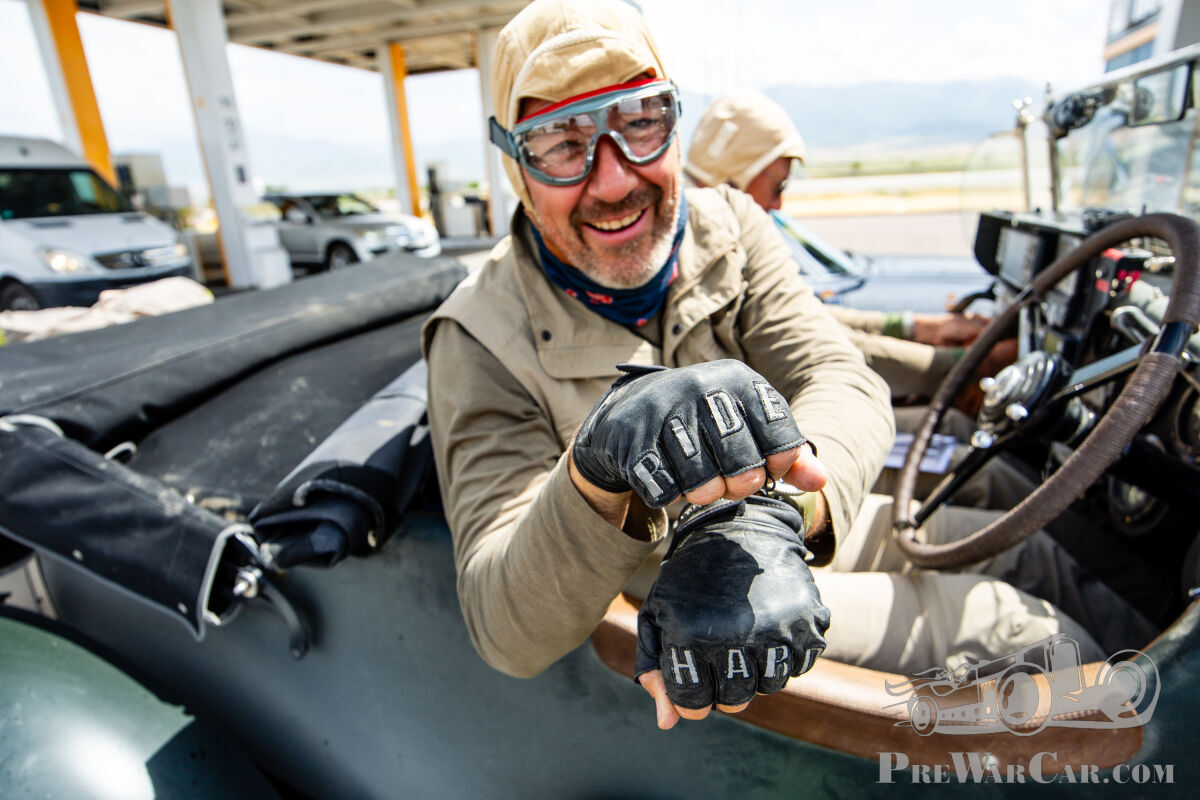
Even seasoned adventurers like Tomas de Vargas Machuca, Chairman of HERO-ERA, felt the pressure. Driving solo in his 1926 Bentley, he powered through the harsh steppe alone, tackling dust storms and deep water-filled ruts. His reward? A rejuvenating swim in the Caspian—though he nearly missed the plane to Baku afterward.
Onward to Europe – But No Room to Relax
With the Kazakh desert behind them and the Caspian Sea crossed, competitors now enjoy a brief respite in Azerbaijan. But the rally is far from over. With Europe still ahead—including stages in Georgia, Türkiye, Bulgaria, Romania, Hungary, Austria, Germany, Switzerland, and finally France—the toughest roads may still lie ahead.
As organizers warn: "Only now can crews start thinking about their end game—but they’d be wise to focus on reliability and steady pace. The sting in the tail is still to come."
Stay tuned as the 2025 Peking to Paris Motor Challenge continues to write stories of adventure, resilience, and the indomitable human—and mechanical—spirit.
Photos by Will Broadhead Photography and Ian Skelton Photography
Published:
Friday June 6th, 2025
Facebook
LinkedIn
Twitter
WhatsApp
Email
Copy