The global magazine and marketplace for classic car enthusiasts, by enthusiasts.


Filter
Make a choice:
- Cars
-
Make >>
-
Year >>
-
- Bikes
-
Make >>
-
Year >>
-
-
Location >>
- Parts & more
-
Make of car >>
-
Manufacturer >>
-
Category >>
-
Countries


Adams and Amigo: the future that wasn't
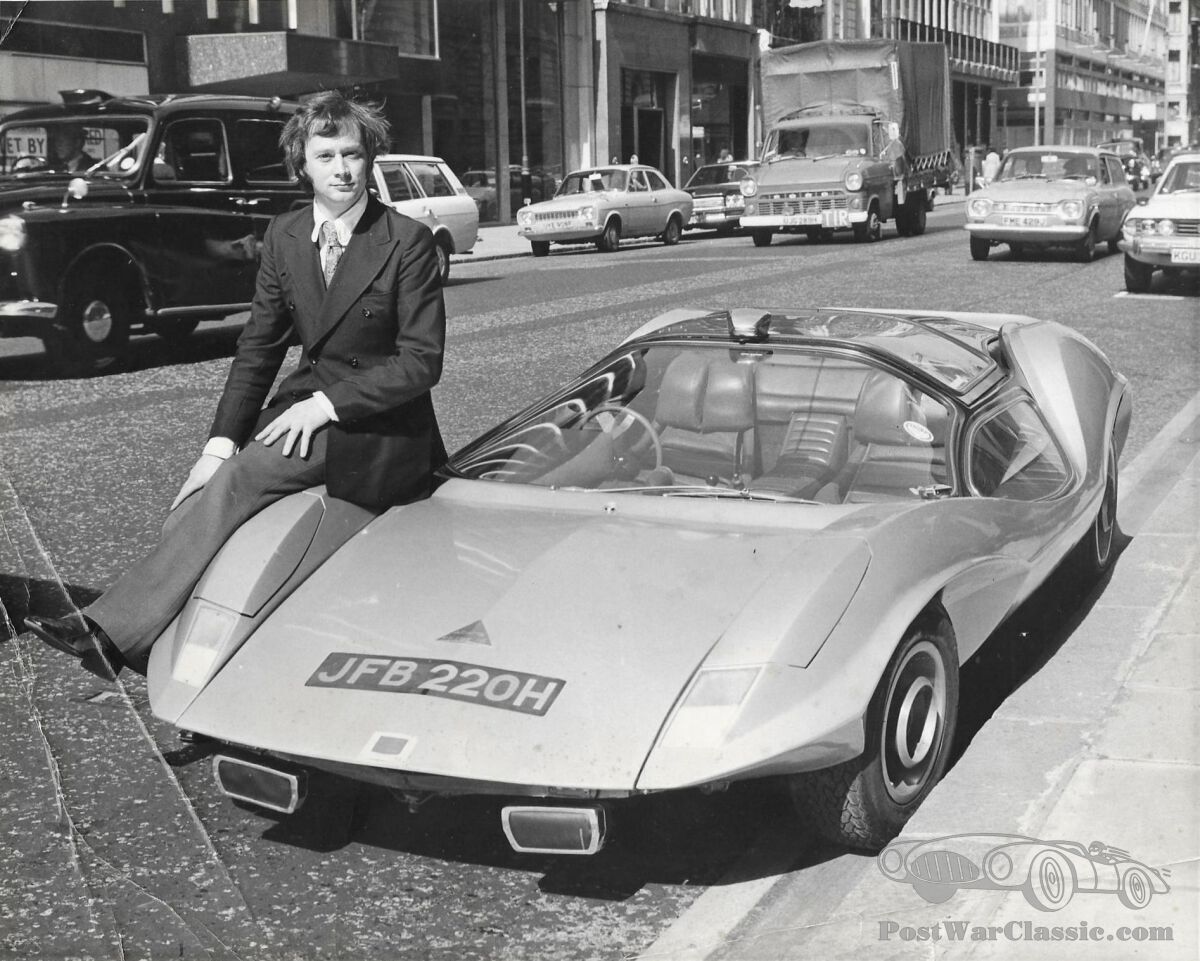


Survey the background, and the London street in the accompanying photograph all looks very normal. We see two Ford Escorts, a Transit, Cortina estate, FX4 taxi, Triumph Stag and, a little unusually, a big 1973 Buick. In the foreground, though, is what appears to be nothing less extraordinary than a flying saucer, with which some King's Road dandy has stopped to pose.
The car, as many people will know, is the Adams Probe 16, created in 1969 as 'an exercise in the extremes of styling'. The engine, a tuned, mid-mounted 1.8-litre B-series, was less radical. It's most famous for its appearance as the 'Durango 95' in the 1971 film adaptation of Anthony Burgess's violent dystopian novel A Clockwork Orange. There were, in fact, three made, but who would buy one? The first was bought by American songwriter Jimmy Webb, the second by none other than Cream bassist Jack Bruce, and the third one (shown here) - the Clockwork Orange car - was owned by an Englishman called Robin Gibbons. Since we don't know what Gibbons looked like, we can only assume he's the suave, swinging chap in the picture.
The aeronautically-inspired Amigo
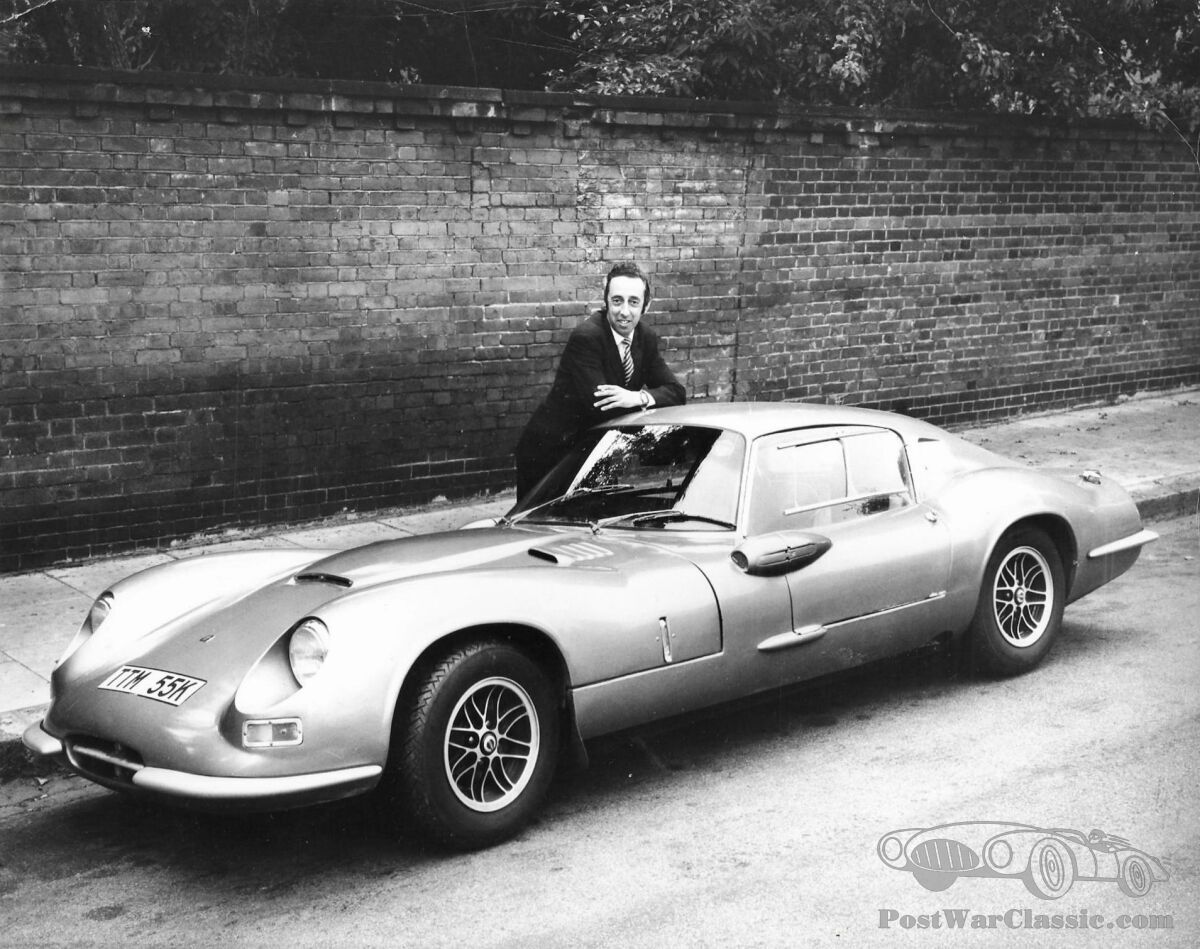
The second car is equally extraordinary, if a little more awkward-looking. It's a Costin Amigo, one of just eight made between 1970 and 1972. Designed by expert aerodynamicist Frank Costin and built by Costin Automotive Racing Products, it was supposed to have a 100mph cruising speed, adequate luggage space, and the ability to cover 250 miles, returning 30mpg, without stopping for fuel. It used a wooden monocoque chassis and Vauxhall's 1975cc slant-four but was eye-wateringly expensive at £3327 and, needless to say, it didn't catch on. It would do 127mph, but for close to E-type money, buyers probably wanted more than sliding Perspex windows.
The connection, if you're wondering, is Marcos. With Jem Marsh, Costin co-founded Marcos in 1959 and was responsible for an ugly, but supremely well thought-through, racing car. Marsh wanted to completely redesign Marcoses to make them palatable to a buying public, but Costin was devoted solely to technical brilliance. Unwilling to compromise, he left Marcos in 1961 and went ahead with his own projects. It was brothers Dennis and Peter Adams who took over as stylists. Their pretty Marcos 1800 was so successful that they effectively made themselves redundant, so they, too, left and pursued their own interests freely.
There you have it: two striking cars from two fundamentally divergent schools of thought, one favouring form and the other function. Take your pick...
Words: Zack Stiling; photos: Stiling Collection
Published:
Monday November 28th, 2022
Facebook
LinkedIn
Twitter
WhatsApp
Email
Copy