The global magazine and marketplace for classic car enthusiasts, by enthusiasts.


The Market; all post-war cars and bikes for sale
Overview of related ads to ad Triumph 1979 TR 7 Roadster
-

1968 Triumph TR5 | Bicester Heritage 23rd September 2023 Sale | Historics Auctioneers
The Triumph TR5 was manufactured for just 13 months, from August 1967 through to September 1968 and is the most sought after of the Michelotti /Karmann-styled Triumph sports roadsters, combining the most elegant early looks with all-independent suspension and the best engine. Optional extras included overdrive, wire wheels and the Surrey top with d.. -
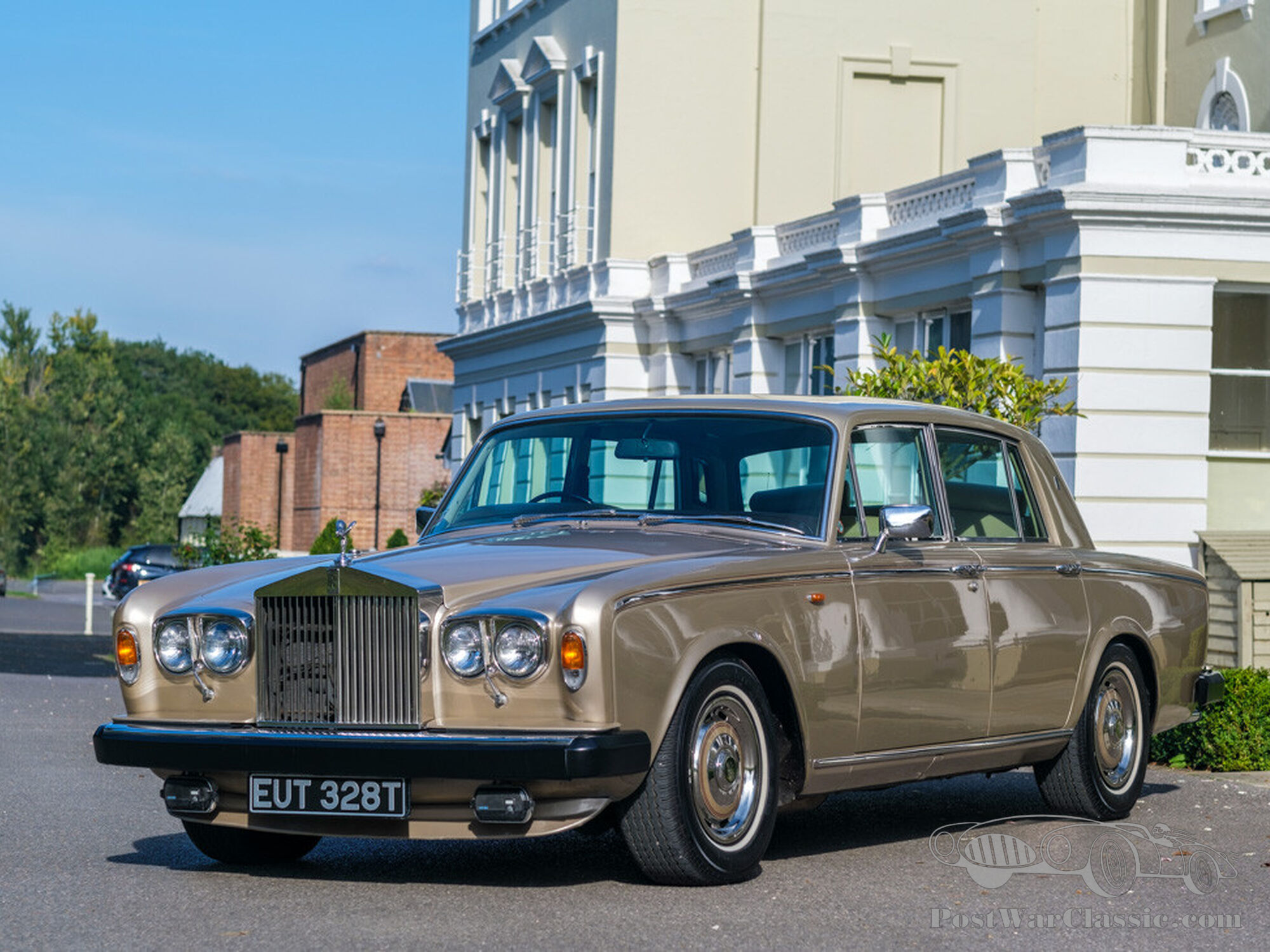
1978 Rolls-Royce Silver Shadow II | Bicester Heritage 23rd September 2023 Sale | Historics Auctioneers
Whilst the Yichang Factory in China assembles a car every 46 seconds, over here we take our time. And it shows. For every Silver Shadow that Rolls-Royce produced in Crew during the 1970s and 80s, the highly focused and specialised workforce spent 12 weeks putting each one together. From the advanced fully-independent and self-levelling suspension t.. -
1968 Triumph TR5 | Bicester Heritage 23rd September 2023 Sale | Historics Auctioneers
The 1968 Triumph TR5 is an iconic British sports car that seamlessly blends timeless design with exhilarating performance. Powered by a 2.5 litre inline-six engine, it delivers 150 horsepower, offering a thrilling driving experience. Its distinctive Michelotti-penned bodywork features flowing lines and a classic British roadster profile, capturing .. -
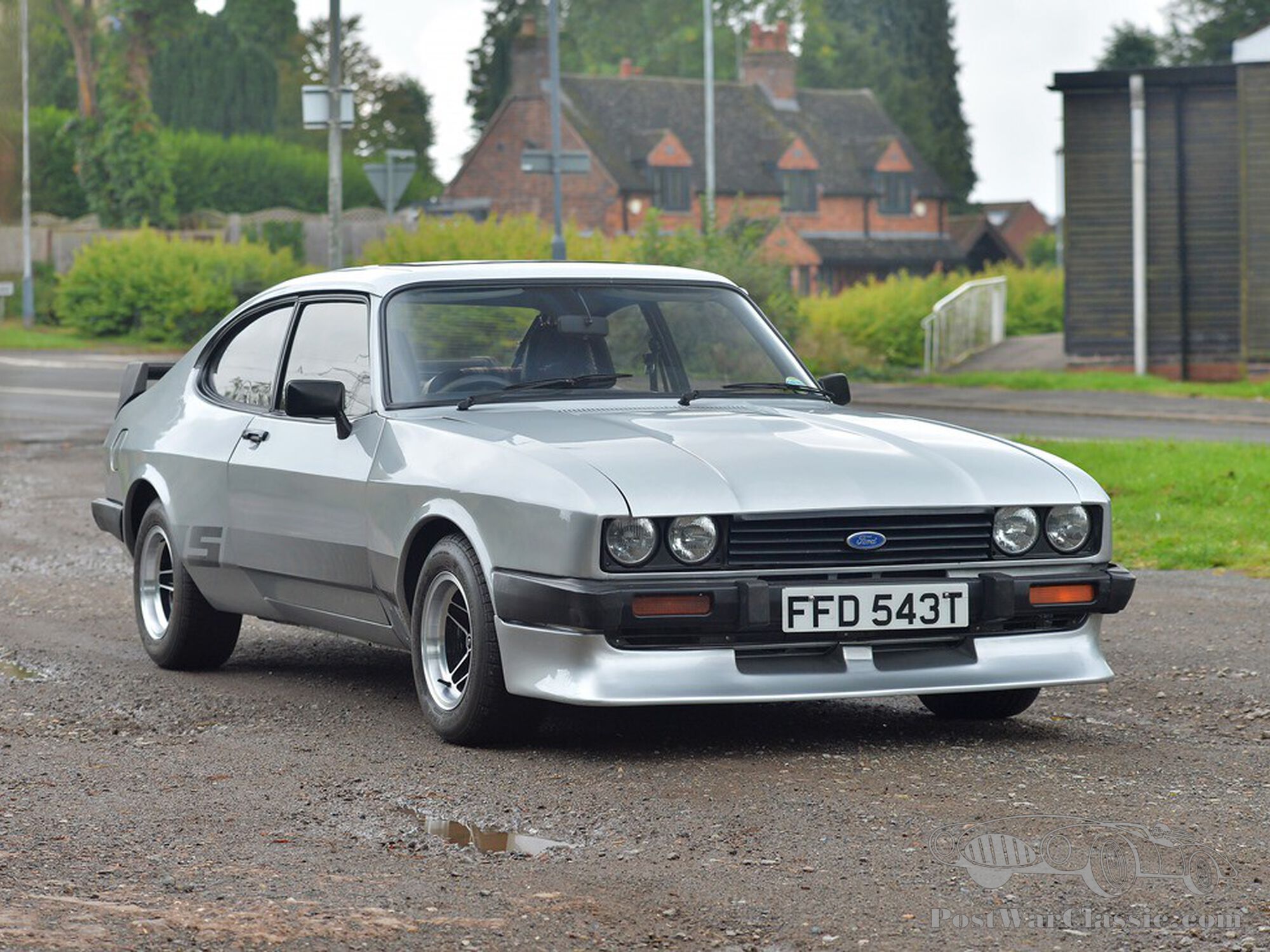
1979 Ford Capri Mk. III 3.0 S X-Pack | Bicester Heritage 23rd September 2023 Sale | Historics Auctioneers
The Mk. III Capri was launched in 1978 and with a facelift which included quad headlights and wrap around bumpers that offered a more modern shape and improved dynamics which naturally improved the performance and economy. The Mk. II and Mk. III 3.0 litre X-pack special performance options pack was offered between 1977 and 1980. They used a special.. -
1969 Triumph TR6 | Bicester Heritage 23rd September 2023 Sale | Historics Auctioneers
The Triumph TR6 was produced between 1969 and 1976 and, by the time production ended in July 1976, it was the best-seller of the TR range. In total 94,619 TR6s were manufactured of which 86,249 were sold overseas and only 8,370 were sold in the UK. The bodywork closely resembled that of the previous model, the TR5, but the front and rear were squar.. -
1979 Ferrari 308 GT4 Dino | Bicester Heritage 23rd September 2023 Sale | Historics Auctioneers
The 308 GT4 was a ground-breaking model for Ferrari in several ways; it was the first production Ferrari to feature the mid-engined V8 layout that would become the bulk of the company's business in subsequent decades and was the first production Ferrari to feature Bertone (rather than Pininfarina) bodywork. The GT4 was introduced at the Paris Motor.. -
1973 Volkswagen Manx Beach Buggy Evocation | Bicester Heritage 23rd September 2023 Sale | Historics Auctioneers
Bruce Meyers is quoted as saying, “I'm an artist and I wanted to bring a sense of movement and gesture to the Manx. Dune buggies have a message, fun. They’re playful to drive and should look like it. Nothing did at the time.” Sure enough, using a basic Volkswagen chassis and engine, this radical design concept proved an instant hit both in the US a.. -
1968 Triumph TR5 | Bicester Heritage 23rd September 2023 Sale | Historics Auctioneers
The TR5 was built for a 13-month period between August 1967 and September 1968 in Coventry. Visually identical to the Michelotti styled TR4, the TR5 hid the main differences under the body. The most significant change was the 2.5 litre straight-six fuel-injected engine developing around 150bhp and which was carried forward to the TR6. At the time, .. -
1967 Triumph TR4A IRS | Bicester Heritage 23rd September 2023 Sale | Historics Auctioneers
Produced between 1961 and 1967, the Triumph TR4 combined a new, modern, and aggressive body design by famed Italian stylist, Giovanni Michelotti, with the basic chassis of the previous TR3A. The TR4 also improved passenger comfort with wind-up windows, face-level ventilation, and an optional hardtop. When equipped with the optional overdrive, the T.. -
1972 Ford Escort Mk. I to Mexico Specification | Bicester Heritage 23rd September 2023 Sale | Historics Auctioneers
There was, in the early days of the Ford Escort, a higher performance version for rallies and racing. The Mk. I Escorts became very successful as a rally car and eventually went on to become one of the most successful rally cars of all time. The Ford works team was practically unbeatable in the late 1960’s and early 1970’s; arguably the Escort's gr..




Featured
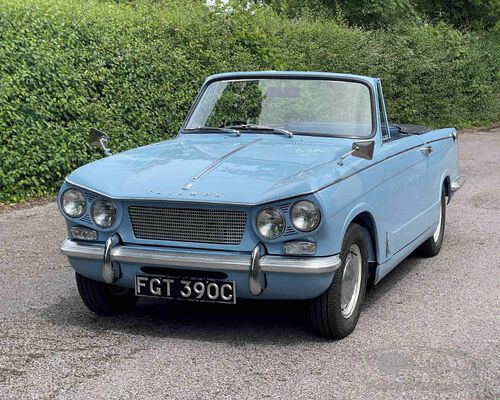
Triumph Vitesse 6 Convertible
Technical SpecificationsMark & Model: Triumph Vitesse 6 ConvertibleYear: 1965Registration plate: UK registered
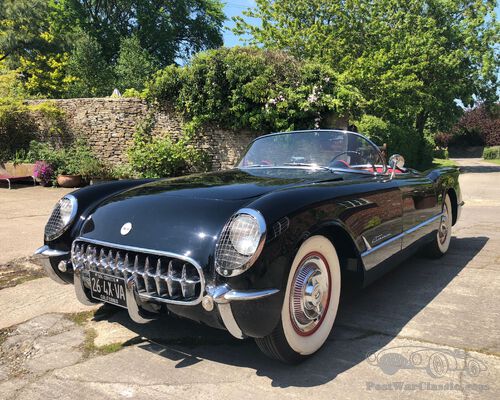
1954 Corvette C1 - SUPER RARE Black!!
Looking for her next lover, my classy 1954 Corvette C1. She's a beautiful sculpture. Never have i had so many adoring comments as when drivi..
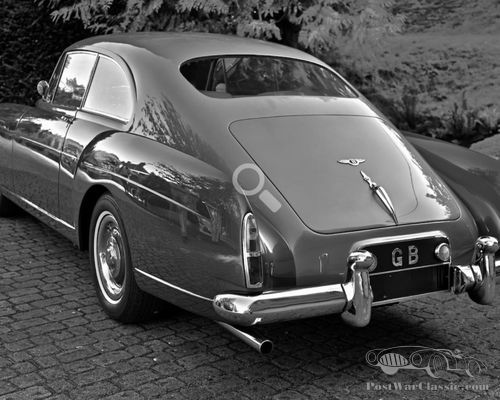
1957 Bentley S1 Fastback by H.J. Mulliner.
1957 Bentley S1 Fastback by H.J. Mulliner.A freshly restored award winning car in like new condition. A later car with Power assited steerin..