The global magazine and marketplace for classic car enthusiasts, by enthusiasts.


Filter
Classic Rambler for sale - Rambler cars for sale
-

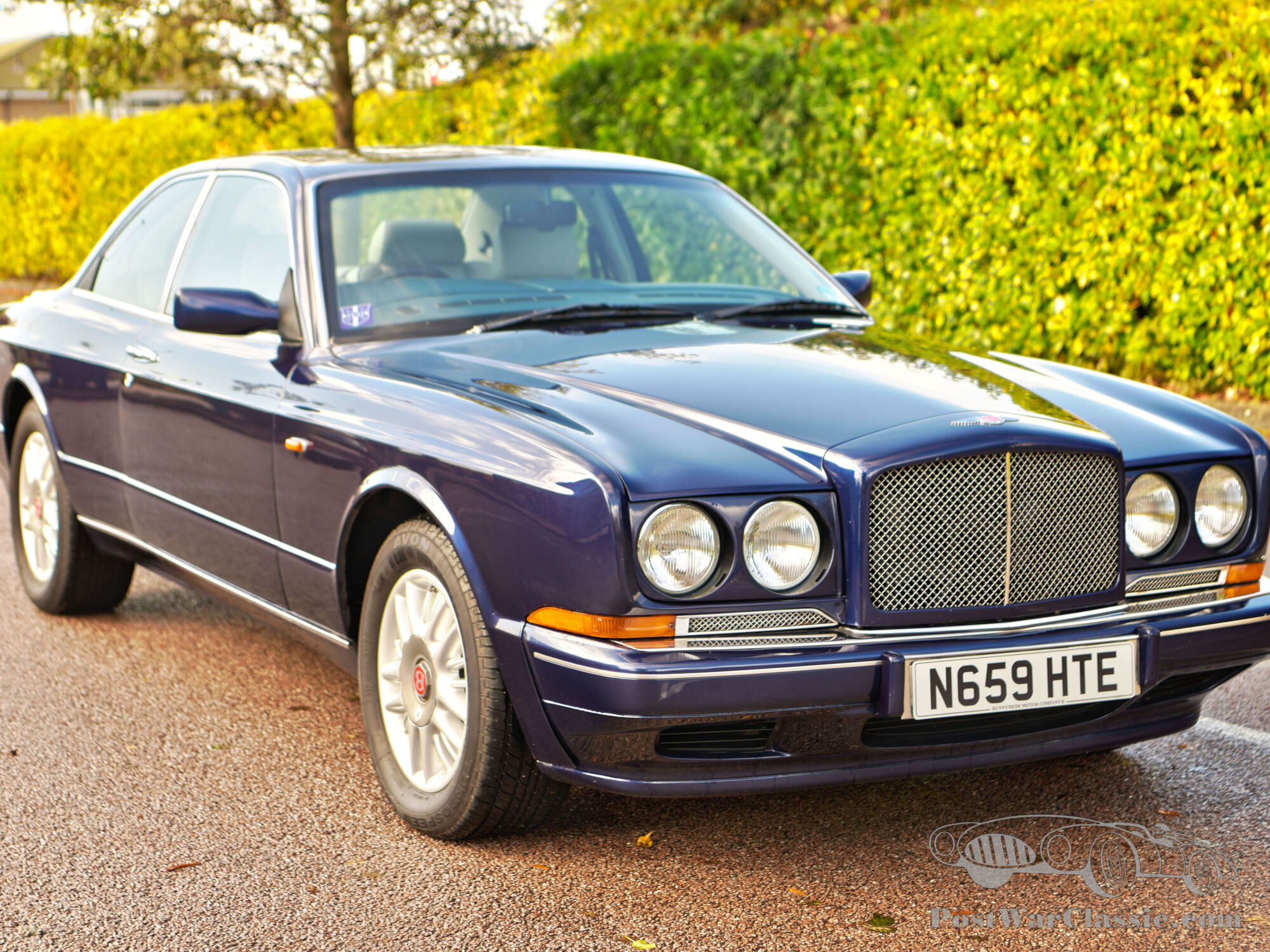
1996 Bentley Continental R
1996 Bentley Continental R Vin Number: SCBZB15C8TCH53102 Registration Number: N659HTE A properly maintained vehicle coming to us with 17 service stamps in the book, The car belongs to a higher up at Bentley Motors in Crewe & is a really fine example having covered 78,000 mil.. -
1964 ALFA ROMEO 2600 SPIDER
1964 ALFA ROMEO 2600 SPIDER Registration Number: BFX290B One of only 102 factory produced right hand drive cars all of which were manufactured in 1964, of a total production of only 2255 spiders. This is the last model to use Alfas classic six cylinder, twin cam engine, the comp.. -
1963 Porsche 356 B 1600 Super Cabriolet
Engine No. 832147 Transmission No. 59818 For much of its early history, Porsche was a four-cylinder company. The cars that established the marque's reputation around the world were defined by a careful balance of lightweight construction, engineering precision, and remarkable efficiency. At the center of that philosophy stood the Porsc.. -
1997 Porsche 911 Turbo S | RM Sotheby's | The Monterey Auction
To Be OFFERED AT AUCTION at RM Sothebys' The Monterey Auction event, 13 - 15 August 2026. $700,000 - $900,000 USD Please check back soon as our dedicated cataloguing team is preparing the description for this lot. To view this car and others currently consigned to this auction, please visit the RM website at rmsothebys.com/auctions/mo26/.. -
1962 Aston Martin DB4 GT Zagato | RM Sotheby's | The Monterey Auction
To Be OFFERED AT AUCTION at RM Sothebys' The Monterey Auction event, 13 - 15 August 2026. $12,000,000 - $15,000,000 USD Pristine example of one of automotive history’s most celebrated sports cars; the 14th of only 19 cars builtWinner of the Zagato Centennial Postwar class and The Vitesse — Elegance Trophy at the 2019 Pebble Beac.. -
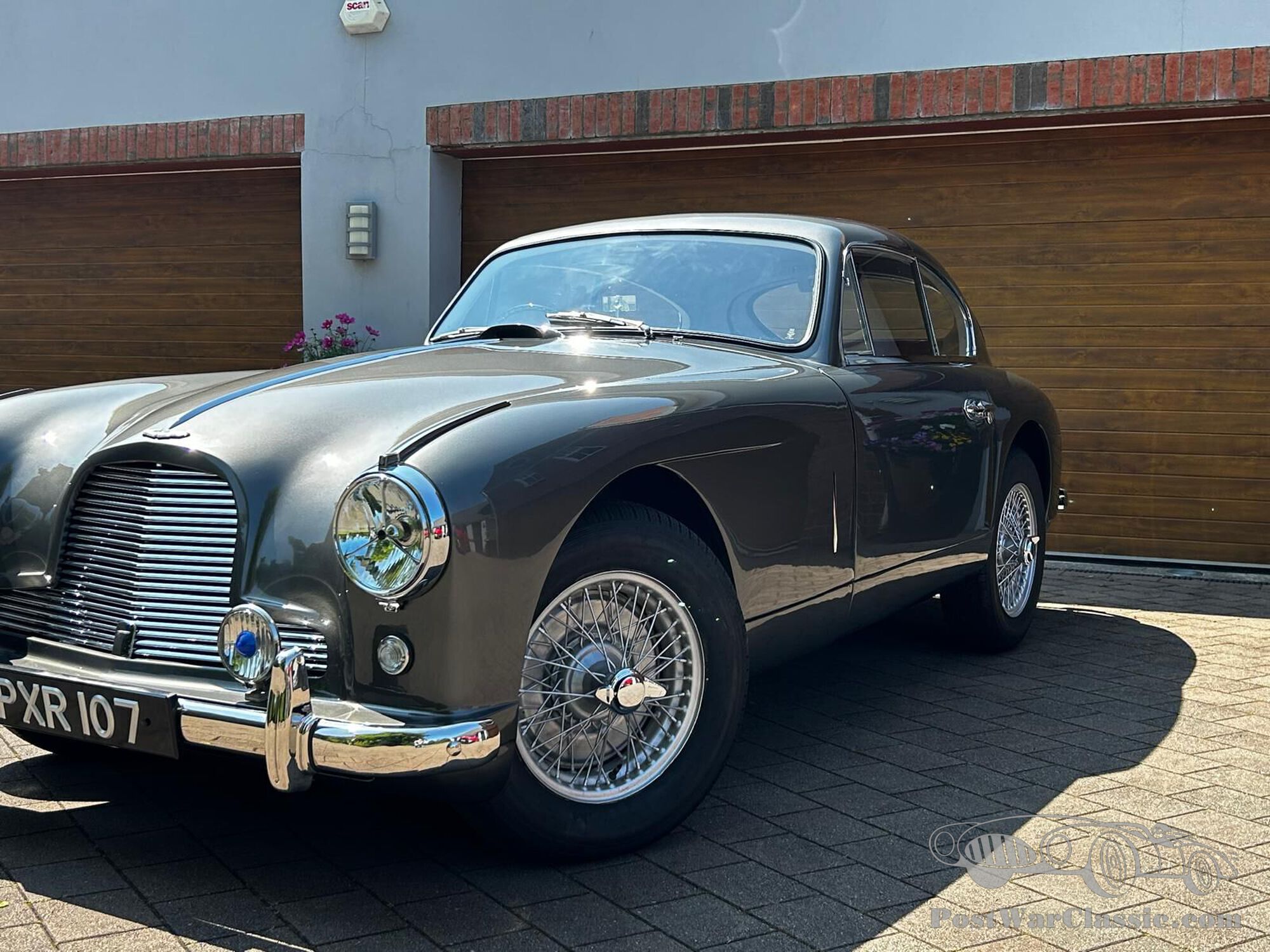
1955 ASTON MARTIN DB2/4
1955 ASTON MARTIN DB2/4 Chassis Number: LML865 Registration: PXR107 Car was purchased in 2016 as a “barn find” . it had been sitting under a tarpaulin for over 40years in a heated workshop! Car subsequently dismantled and subject to a complete nut & bolt restor.. -
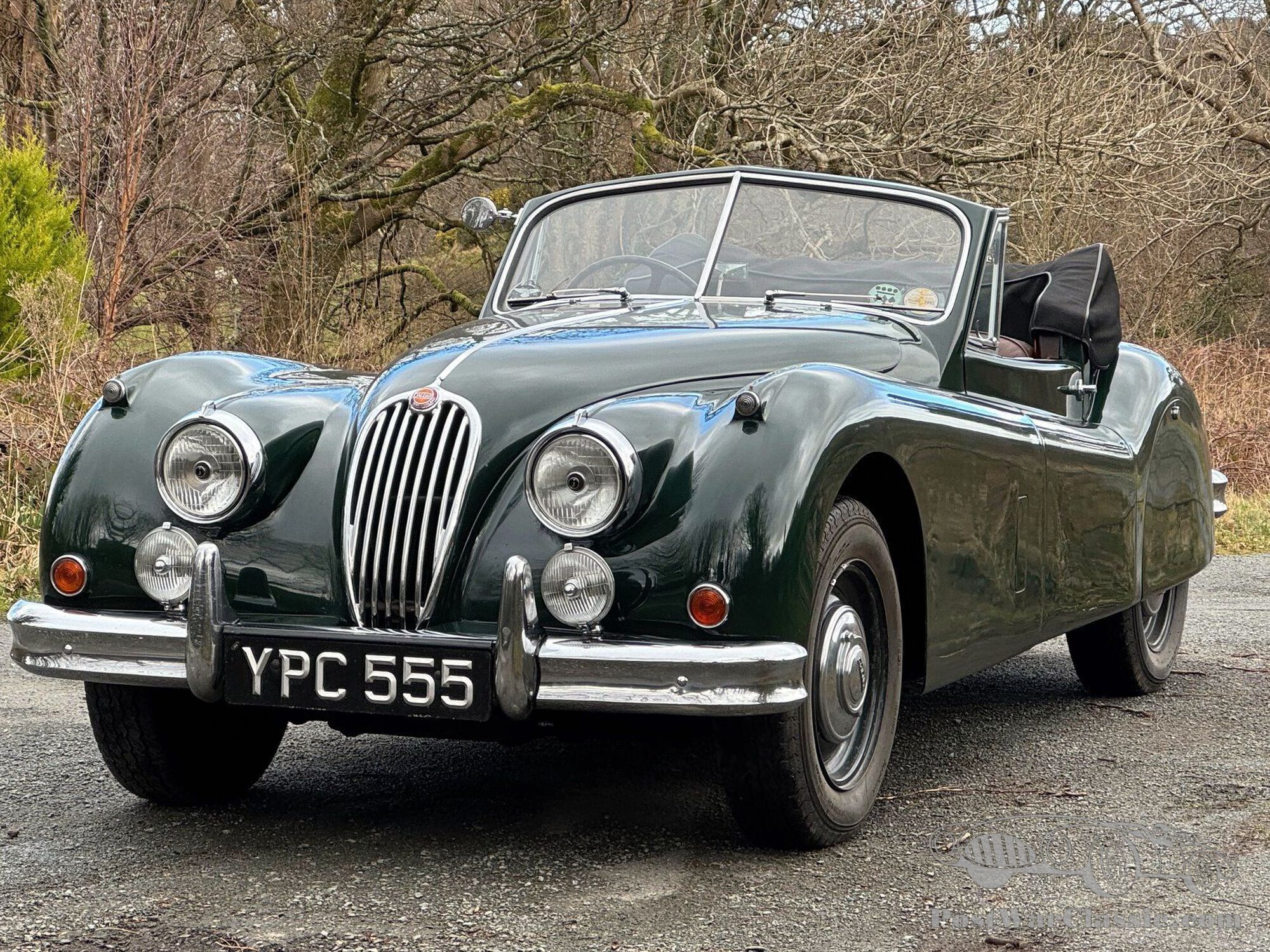
1955 Jaguar XK140 Drophead Coupe 807260
A totally correct and exceptionally original example of a rare UK market, RHD drophead, supplied new in 1955 by The Woodcote Motor Co, Epsom. Sound condition, cosmetically mature and appealing, retaining original, mellowed tan leather interior, and of nicely understated specification with disc wheels and spats. The paint shows its age in a quite.. -
1965 Jaguar E Type FHC HRH Prince Michael of Kent.
1965 Jaguar E type series 1 4.2 Litre FHC. Chassis number: 1E20384Registarion number: DWK464C On the 12th of April, 1965 His Royal Highness Prince Michael of Kent took delivery of this iconic sports car & had it delivered to & registered in Germany where we has serving in the armed forces with the 11th Hussar.. -
2009 Porsche 911 Turbo | RM Sotheby's | Sealed June
To Be OFFERED AT AUCTION at RM Sothebys' Sealed June event, Bidding Closes 24/25 June 2026. $375,000 - $425,000 USD Exceptionally low mileage, just 118 miles from newAccompanied by its original window stickerDesirable “997.1.5” generation 911 Turbo Delivered new via Porsche Nashville, the 997-generation 911 .. -
2015 Ferrari 458 Speciale | RM Sotheby's | The Tegernsee Auction
To Be OFFERED AT AUCTION at RM Sothebys' The Tegernsee Auction event, 4 July 2026. €500,000 - €600,000 EUR Boasts one registered owner; catalogued showing a mere 365 kilometres from newRosso Corsa exterior with Nero roof pairs with red and black Alcantara interiorSpecified with Scuderia shields, carbon fibre splitter an..




Rambler
US, 1902 – 1913; 1950 – 1970
(1) Thos. B. Jeffery Co, Kenosha, Wic., 1902 – 1913
(2) Nash Motor Co, Kenosha, Wisc., 1950 – 1954
(3) American Motors Corporation, Kenosha, Wisc., 1950 – 1970
Despite the interval of 37 years, these two Rambler car makes are directly connected. The original Rambler car derived its name from the bicycles built by Gormully and Jeffery, who had a branch factory in Coventry in the 1890s. In 1902 form this Rambler car was a light runabout in the American idiom with a single horizontal cylinder, chain drive, cycle-type wire wheels and tiller steering, this Rambler car was selling for $750. In the first season 1.500 Rambler cars were sold, a figure which places the makers in the same category as Oldsmobile, among the world’s first mass producers.
By 1905 the Rambler car had grown into a sizable twin-cylinder machine with front bonnet, and with the introduction of a 4-cylinder Rambler car in 1907 the Rambler car make had moved up into the semi-luxury class; another parallel with Oldsmobile, but one which had less unfortunate financial consequences, for Rambler sold over 3.000 Rambler cars in 1911 and 4.435 in 1913, the last year of production of Rambler cars. The bigger of two fours offered in 1912 had a 7-litre engine with separate cylinders. 1914 Rambler cars went under the name of Jeffery. Advanced features of these late Ramblers were sidelamps faired into the scuttle, and detachable wooden wheels.
Nash Motors, successors to the Jeffery company, revived the name in 1950 for the first of the modern generation of American ‘compacts’. This Rambler car was a 2.8-litre sv six with a wheelbase of 8ft 4in and an overall length of under 15ft, priced at $1.800. It featured unitary construction of chassis and body, and the Rambler car weighed only 2.576lb at a time when a regular Chevrolet sedan turned the scales at around 3.600lb. Nash sales went up by 50.000 as a result of the Rambler car, which was offered as a Nash until 1957, acquiring styling by Pininfarina in 1952, the option of an automatic gearbox in 1953, and an alternative V8 engine in 1957. Some Rambler cars were also sold under the Hudson after the merger which brought American Motors into being in 1954.
From 1958 on, all A.M.C. cars were known as Rambler cars, the former full-sized Nashes continuing as Rambler’s Ambassador model. The Rambler car was the first of the contemporary compacts, and set a fashion imitated later by the Big Three. In the recession year, 1958, George Romney’s criticisms of large Rambler cars were widely quoted. In 1958 the low-priced American model reverted to the 8ft 4in wheelbase, and 1961 saw the introduction on Rambler cars of a die-cast aluminium ohv push-rod six which eventually supplanted the old sv unit. The last vestiges of the 1949 Nash Airflyte styling vanished in 1963, and disc brakes were offered as an option in 1965, in which year a sporting fastback coupé, the Rambler Marlin, was introduced. 1967 Rambler cars were made on three wheelbase lengths – 8ft 10in, 9ft 4in, and 9ft 8in – and with a choice of ohv 3.8-litre 6-cylinder or 4.8- and 5.6-litre V8 engines. From 1968 the name Rambler cars became less prominent in the range, new models such as the Javelin being known under their own names. For the 1970 season the name Rambler was dropped altogether in the USA and Canada, although the Hornet was sold as a Rambler car in export markets. For the 1971 season the name Rambler was no longer used at all.
Source: Georgano, encyclopedia of motorcar; MCS
The information is written with the greatest of care. However, if you have any suggested amendments please contact us at office@postwarclassic.com


Featured

Triumph Spitfire 1500
This stunning Triumph Spitfire 1500 is a Dutch-delivered example with only two previous owners. In its early years, the first owner carefully prepa..
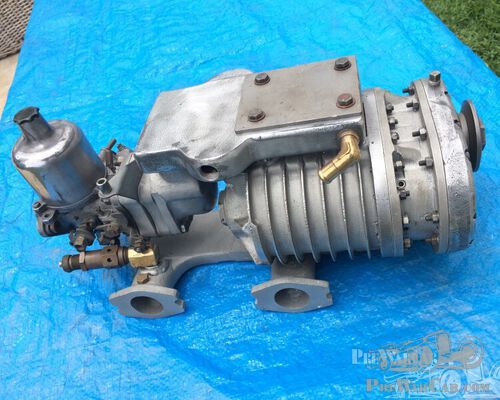
Blower / Compressor / Supercharger - Godfrey Marshall - A Series BMC Engine
SuperchargerA Godfrey Marshall cabin blower Type Mk22 converted to vehicle use by Barry Ekins of Sydney NSW. Ekins created kits for many popula..

BMW 502 V8 3,2L (Barockengel)
6-seater touring sedan, famous from the german television series "Isar 12"Production period: 1955 – 1959, 2,517 unitsV-engine 8 cylin..