The global magazine and marketplace for classic car enthusiasts, by enthusiasts.


Filter
Classic SEAT for sale - SEAT cars for sale
-

Fiat 500L - LHD
Technical Specifications:Mark & Model: Fiat 500L - LHDYear: 1971Registration plate: Guernsey registeredChassis Number: 2939560Engine Number: 110F.000 3191576Engine Capacity: 499 ccTransmission: 4-speed manualMileage:Body style: 2-door saloonInterior color: Black.. -
1976 Lancia STRATOS HF
La Lancia Stratos rappresenta probabilmente l’auto da rally più iconica della storia La Stratos fu infatti la prima vettura di Lancia ad essere progettata esclusivamente per i rally. Nata sotto la spinta di Cesare Fiorio e Pier Ugo Gobbato all'indomani dell'acquisizione di Lancia da parte di Fiat (1969), trae ispirazione dal futuristico proto.. -
1971 Lancia Fulvia 1600 HF Second Series
The Lancia Fulvia first appeared at the Geneva Motor Show of March 1963 as a three-box saloon.Drive was via the front wheels, front suspension was by transverse leaf spring and brakes were Dunlop discs all round. The 1,091cc V4 engine was designed by Zaccone Mina and featured an unusually narrow 12° V mounted at 45 degrees and featured tw.. -
1955 Aston Martin DB2 4
Price on Application Plans for 2026? How about the Mille Miglia? Or maybe the Monaco Rally Historique? But what can you enter with I hear you ask? Well, I have an idea for you… This stunning 1955 Aston Martin DB2 4, recently available from a large private collection is primed for a British themed plot twist on the famed Ital..


S.E.A.T.
E, 1953 to date
Sociedad Espanola De Automóviles de Turismo, Barcelona
Spain’s biggest private-car producers, SEAT cars, opened their factory in July 1953, and SEAT cars have concentrated on the manufacture of Fiat designs. Until 1956 the staple offering of SEAT car was the 1400 4-cylinder saloon, but this SEAT car was joined in 1957 by the rear-engine SEAT 600. In 1959 SEAT cars followed Fiat in adopting the angular Pininfarina line, but SEAT cars combined the hull of the 6-cylinder SEAT 1800 model with the 1400 engine and transmission. In 1963 the parent company’s 1500 engine first became an option in this SEAT car, and then supplanted the old type. Some Siata-modified SEAT cars were also made and sold, and in 1966 the SEAT 850 joined the range of SEAT cars. A SEAT 4-door saloon version was catalogued in 1968, when production of SEAT cars passed the six-figure mark for the first time, and another special Spanish model SEAT car made its appearance. This SEAT 1430 was a de-luxe 4-headlamp 124 with 1.430cc pushrod engine. In 1970 283.678 SEAT cars were delivered, and SEAT cars assumed the role of supplier of obsolete Fiat models for which an export demand still existed – initially the SEAT 600D, but from late 1971 the 850 saloon and coupé SEAT cars as well. Alongside these production of the 124/125 family SEAT car continued.
Source: Georgano, encyclopedia of motorcar; MCS
The information is written with the greatest of care. However, if you have any suggested amendments please contact us at office@postwarclassic.com


Featured
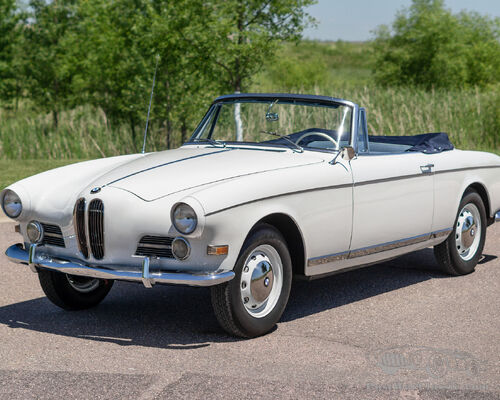
1957 BMW 503 Cabriolet (V8) 1 of 13 Built for US Market #Matching Example
1957 BMW 503 Cabriolet Series 1 Original Aluminum V8 # Matching Original Aluminum Body with Factory Stampings 1 of ..
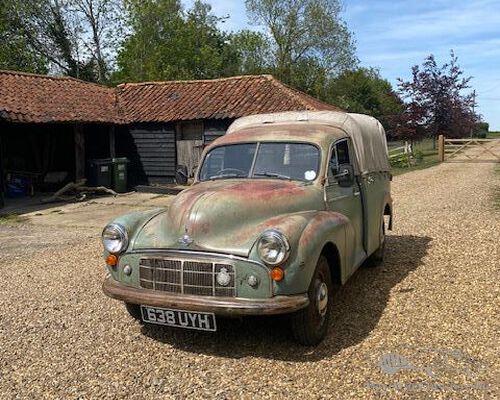
1954 Morris Minor Series II Pick Up
Morris Minor Series II Pick-Up, first registered 15th Jan 1954. Exported from new to Australia, returned to the UK in 2014. Swansea documentation r..
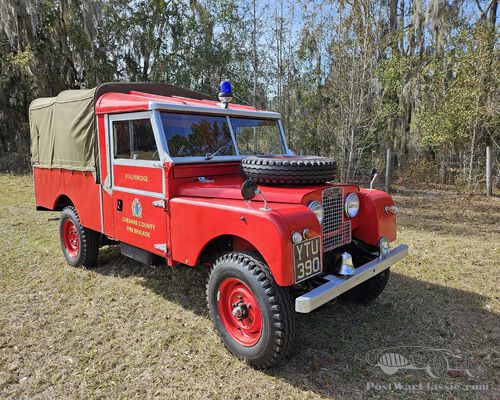
1957 Series 1 Land Rover Fire Engine + Coventry Climax Godiva Fire Pump
Betsy was used by Cheshire Fire Service (UK) from 1957 to 1975. She was based at Hazel Grove and Stalybridge Fire stations. She comes with an exten..