The global magazine and marketplace for classic car enthusiasts, by enthusiasts.


Filter
Classic Siata for sale - Siata cars for sale
-

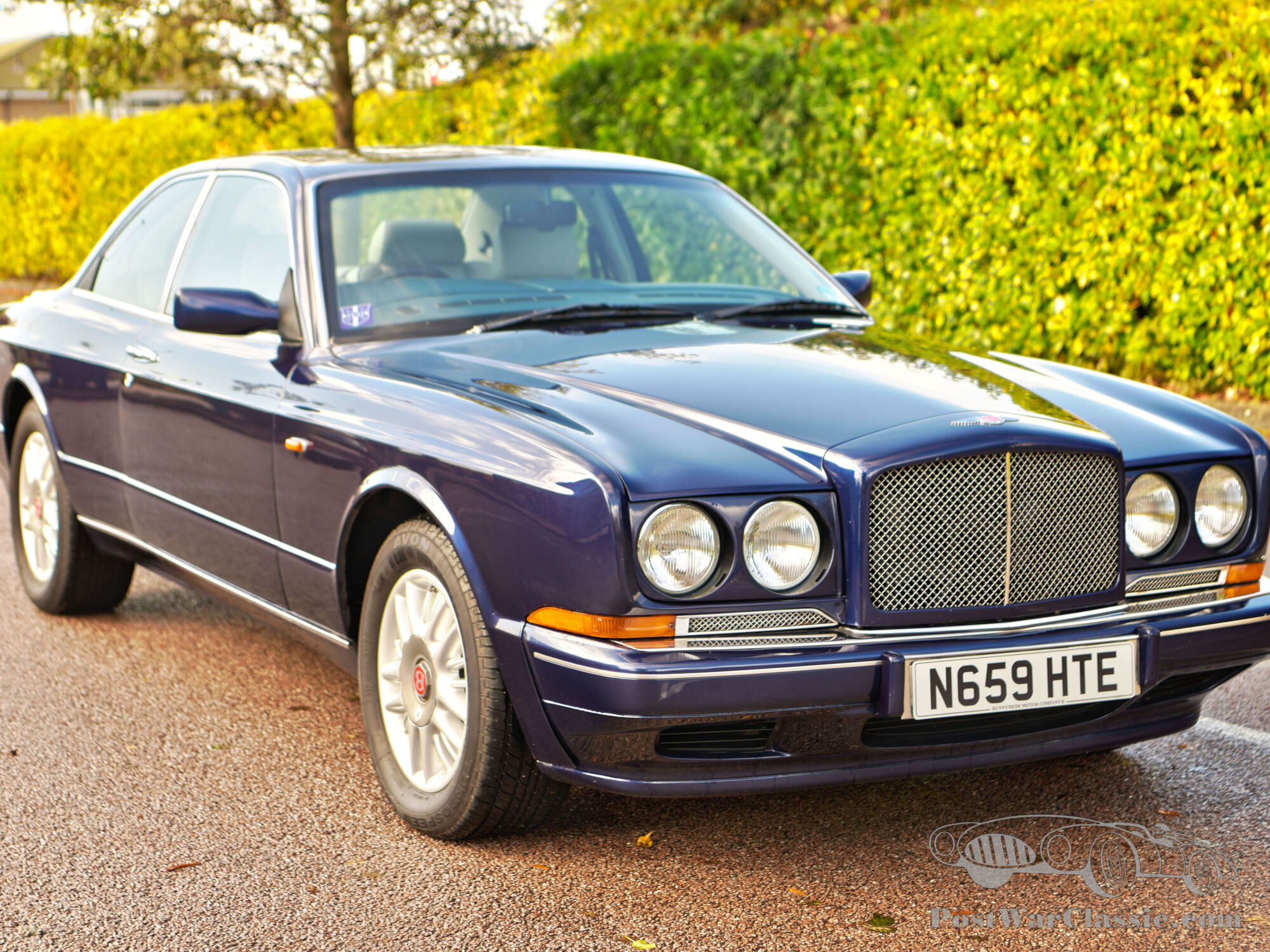
1996 Bentley Continental R
1996 Bentley Continental R Vin Number: SCBZB15C8TCH53102 Registration Number: N659HTE A properly maintained vehicle coming to us with 17 service stamps in the book, The car belongs to a higher up at Bentley Motors in Crewe & is a really fine example having covered 78,000 mil.. -
1964 ALFA ROMEO 2600 SPIDER
1964 ALFA ROMEO 2600 SPIDER Registration Number: BFX290B One of only 102 factory produced right hand drive cars all of which were manufactured in 1964, of a total production of only 2255 spiders. This is the last model to use Alfas classic six cylinder, twin cam engine, the comp.. -
1963 Porsche 356 B 1600 Super Cabriolet
Engine No. 832147 Transmission No. 59818 For much of its early history, Porsche was a four-cylinder company. The cars that established the marque's reputation around the world were defined by a careful balance of lightweight construction, engineering precision, and remarkable efficiency. At the center of that philosophy stood the Porsc.. -
1997 Porsche 911 Turbo S | RM Sotheby's | The Monterey Auction
To Be OFFERED AT AUCTION at RM Sothebys' The Monterey Auction event, 13 - 15 August 2026. $700,000 - $900,000 USD Please check back soon as our dedicated cataloguing team is preparing the description for this lot. To view this car and others currently consigned to this auction, please visit the RM website at rmsothebys.com/auctions/mo26/.. -
1962 Aston Martin DB4 GT Zagato | RM Sotheby's | The Monterey Auction
To Be OFFERED AT AUCTION at RM Sothebys' The Monterey Auction event, 13 - 15 August 2026. $12,000,000 - $15,000,000 USD Pristine example of one of automotive history’s most celebrated sports cars; the 14th of only 19 cars builtWinner of the Zagato Centennial Postwar class and The Vitesse — Elegance Trophy at the 2019 Pebble Beac.. -
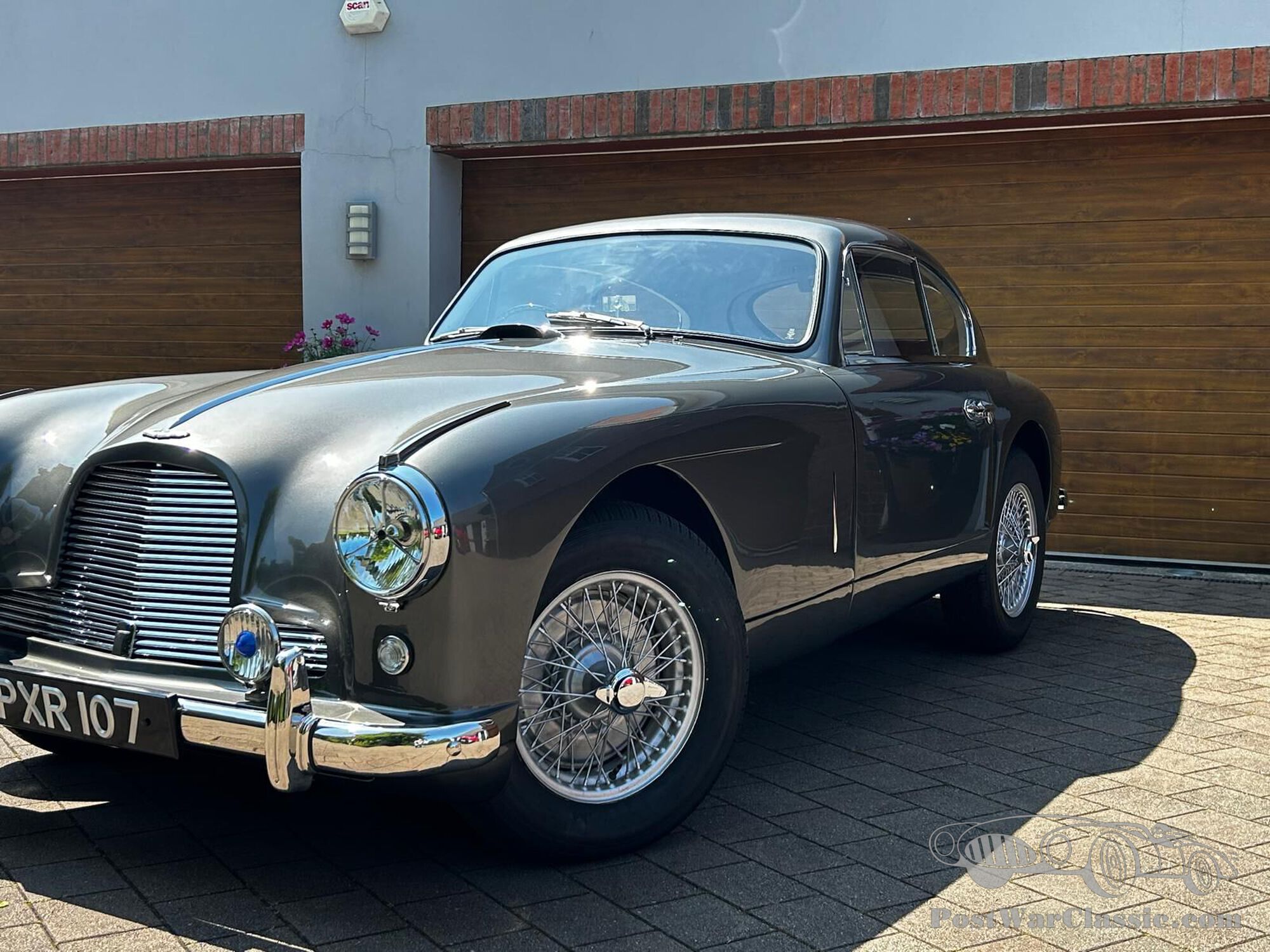
1955 ASTON MARTIN DB2/4
1955 ASTON MARTIN DB2/4 Chassis Number: LML865 Registration: PXR107 Car was purchased in 2016 as a “barn find” . it had been sitting under a tarpaulin for over 40years in a heated workshop! Car subsequently dismantled and subject to a complete nut & bolt restor.. -
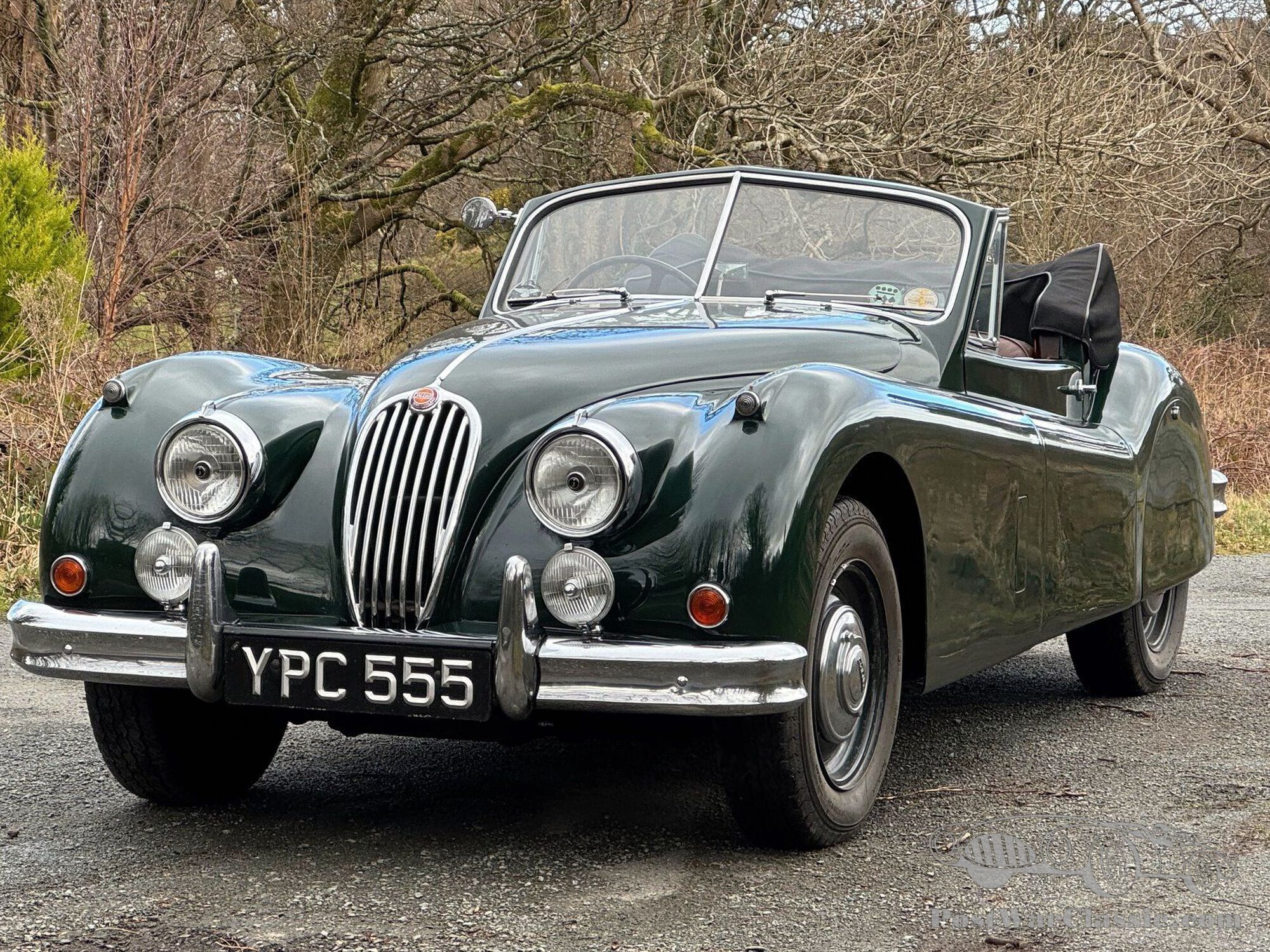
1955 Jaguar XK140 Drophead Coupe 807260
A totally correct and exceptionally original example of a rare UK market, RHD drophead, supplied new in 1955 by The Woodcote Motor Co, Epsom. Sound condition, cosmetically mature and appealing, retaining original, mellowed tan leather interior, and of nicely understated specification with disc wheels and spats. The paint shows its age in a quite.. -
1965 Jaguar E Type FHC HRH Prince Michael of Kent.
1965 Jaguar E type series 1 4.2 Litre FHC. Chassis number: 1E20384Registarion number: DWK464C On the 12th of April, 1965 His Royal Highness Prince Michael of Kent took delivery of this iconic sports car & had it delivered to & registered in Germany where we has serving in the armed forces with the 11th Hussar.. -
2009 Porsche 911 Turbo | RM Sotheby's | Sealed June
To Be OFFERED AT AUCTION at RM Sothebys' Sealed June event, Bidding Closes 24/25 June 2026. $375,000 - $425,000 USD Exceptionally low mileage, just 118 miles from newAccompanied by its original window stickerDesirable “997.1.5” generation 911 Turbo Delivered new via Porsche Nashville, the 997-generation 911 .. -
2015 Ferrari 458 Speciale | RM Sotheby's | The Tegernsee Auction
To Be OFFERED AT AUCTION at RM Sothebys' The Tegernsee Auction event, 4 July 2026. €500,000 - €600,000 EUR Boasts one registered owner; catalogued showing a mere 365 kilometres from newRosso Corsa exterior with Nero roof pairs with red and black Alcantara interiorSpecified with Scuderia shields, carbon fibre splitter an..




Siata
Italy, 1949 – 1970
(1) Società Italiana Applicazione Trasformazione Automobilistiche, Turin, 1949 – 1959
(2) Siata-Abarth, Turin, 1959 – 1961
(3) Siata Auto, Turin, 1961 – 1970
As the Siata car name implies, Ambrosini’s company, founded in 1926, has always specialized in tuned and ‘customized’ version of other makes, chiefly Fiat. By 1933 Siata cars were extracting 48bhp from the basic Balilla design, which developed only 22bhp in standard form, and their ohv head for the 1936 500 Topolino enjoyed a wide currency: Siata cars also marketed a handsome little cabriolet version of this model with a V-grille. A rear-engined 750cc machine, the Bersaglieri, was announced in 1948, but the first production Siata car was the Siata Amica, which Siata car used ohv Fiat 500 B/C mechanical components in their own steel tube frame, clothed with full width cabriolet bodywork, and this Siata car was available not only with a 22bhp tuned standard engine, but also with a Siata-modified 750cc 3-bearing version developing 25bhp. The next Fiat model to receive the Siata treatment was the oversquare 1400 of 1950, which Siata car emerged with output boosted from 44 to 65bhp, open or closed sporting bodywork, and a grille which had a hint of MG about it – the Rallye two-seater of 1951 had a 5-speed gearbox and was a close imitation of the MG TD-type. Special Fiat 1400s were still being offered in 1958. In 1952 American power units were adopted, a few Siata cars being made both with the 722cc ohc Crosley and the big hemi-head V8 Chrysler, the latter unit mounted in a chassis with separate gearbox, torsion-bar independent front suspension, and De Dion rear axle. From 1952 to 1955 some handsome Siata car derivazioni were evolved round FIAT’s limited-production V8 2-litre, these Siata cars offering Vignale coachwork, a 5-speed gearbox, and 110mph for $6.000 in America. A brief essay into the popular market was made in 1953 with the Mitzi minicar by Siata cars: this Siata car had all-round torsion-bar suspension and a rear-mounted 400cc sv vertical-twin engine. Thereafter Siata cars concerned themselves with Fiat derivatives, using 600 and 1100 mechanical elements. In 1960 rescources of Siata cars were pooled with Abarth, both companies retaining their separate existences, and two years later Siata cars transferred their attention to the 1300 and 1500 Fiat models. 1.400 Siata cars were made in 1964, most of these being twin-carburettor 94bhp variants of the regular Fiat 1500 saloon, though a handsome GT coupé Siata car was offered as well. Last of the Siata cars was the Siata Spring, a sports two-seater based on the rear-engined Fiat 850; this Siata car marked a reversion to the mock-MG themse of 1951.
Source: Georgano, encyclopedia of motorcar; MCS
The information is written with the greatest of care. However, if you have any suggested amendments please contact us at office@postwarclassic.com


Featured

Triumph Spitfire 1500
This stunning Triumph Spitfire 1500 is a Dutch-delivered example with only two previous owners. In its early years, the first owner carefully prepa..
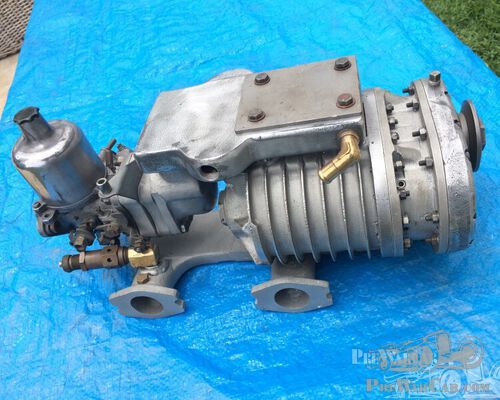
Blower / Compressor / Supercharger - Godfrey Marshall - A Series BMC Engine
SuperchargerA Godfrey Marshall cabin blower Type Mk22 converted to vehicle use by Barry Ekins of Sydney NSW. Ekins created kits for many popula..

BMW 502 V8 3,2L (Barockengel)
6-seater touring sedan, famous from the german television series "Isar 12"Production period: 1955 – 1959, 2,517 unitsV-engine 8 cylin..