The global magazine and marketplace for classic car enthusiasts, by enthusiasts.


Filter
Classic Volvo for sale - Volvo cars for sale
-

1968 Volvo P1800S
Technical Specifications:Mark & Model: Volvo P1800SYear: 1968Registration plate: Jersey registeredChassis Number: 25411Engine Number: 3339Engine Capacity: 1780 ccTransmission: 4-speed manual + overdriveMileage:Body style: 2-door coupeInterior color: BlackExte..


Volvo
Sweden, 1927 to date
AB Volvo, Gothenburg
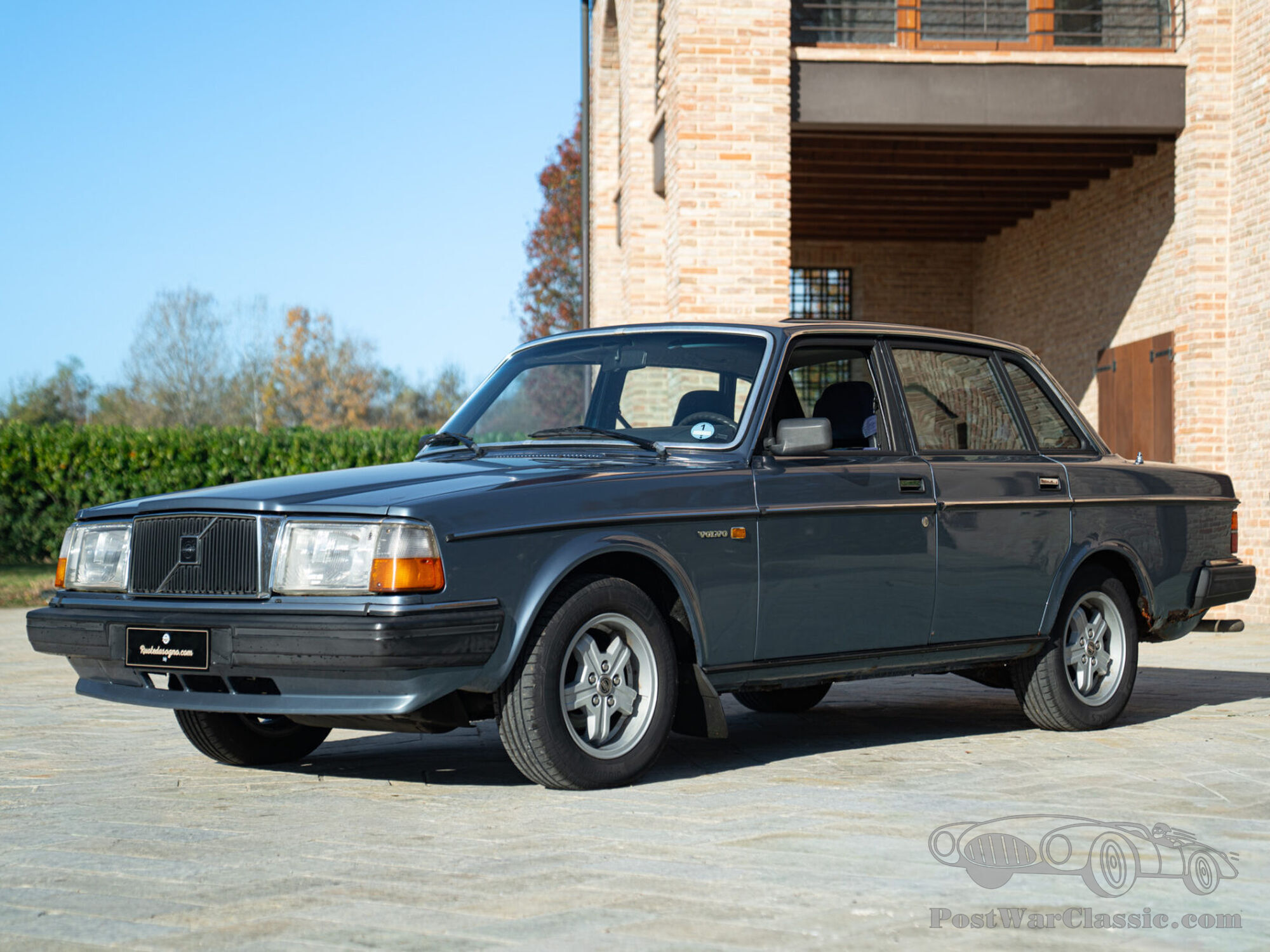
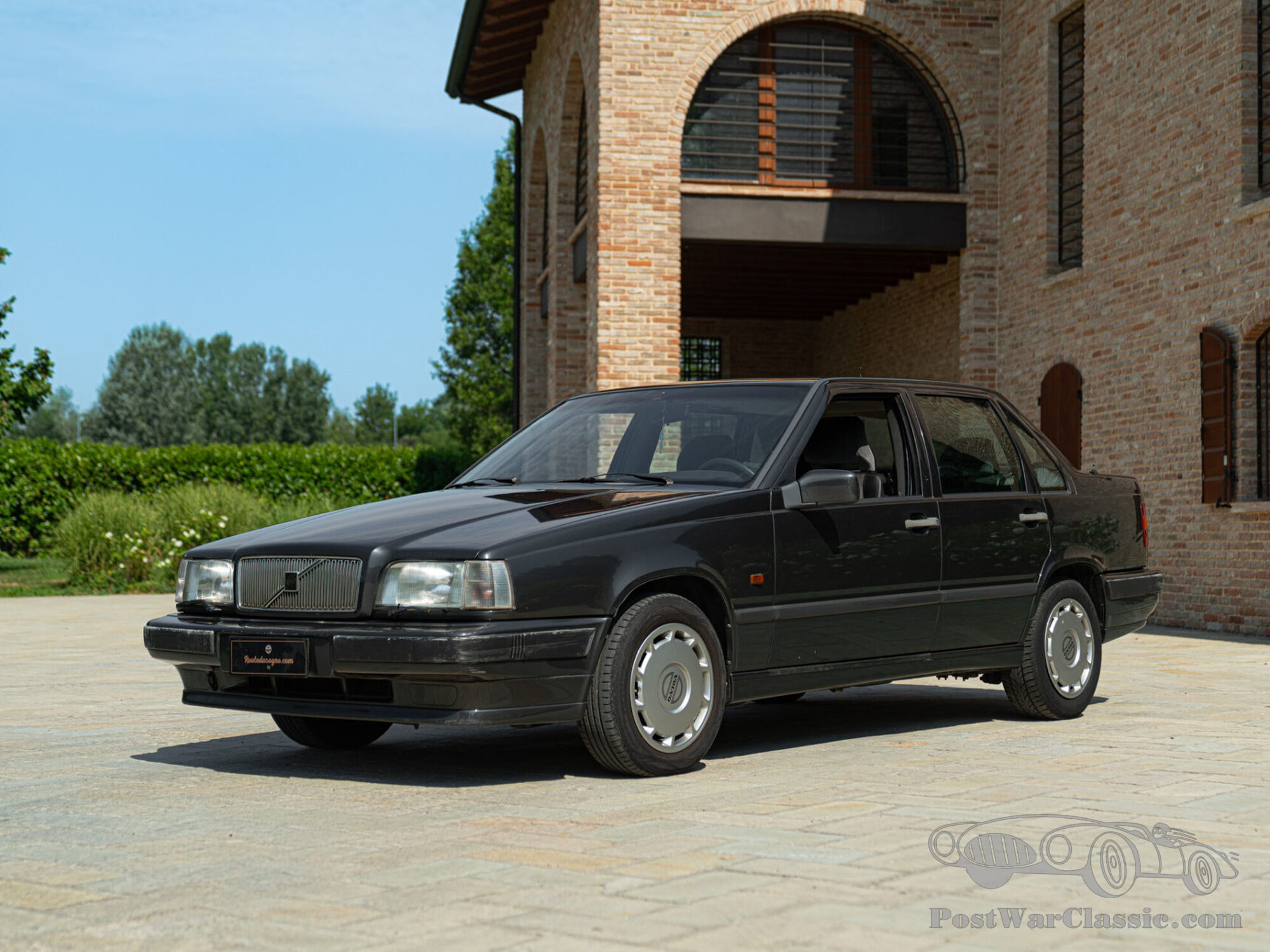
The Volvo car company was formed under the management of Assar Gabrielson with financial backing from the SKF ball-bearing firm. The first Volvo car product was the P4, a 4-cylinder 1.9-litre Volvo car with an sv engine and a comparatively low output of 28bhp. However, the Volvo car was well built, and sold well. A 3-litre 6-cylinder Volvo car appeared in 1929, and during the 1930s Volvo cars evolved a range of solid family cars similar to contemporary Americans in appearance, one model Volvo car being reminiscent of the Airflow Chrysler. The 1939 Volvo car, the PV60 with a 3.6-litre sv engine, was the culmination of this Volvo car range and this Volvo car remained in production until after World War 2.
In 1944 the Volvo car company policy changed in favour of a small saloon with a 1.4-litre ohv engine developing 40bhp. This Volvo car, the PV444, was the first Volvo car to sell in any numbers outside Scandinavia, and during the 1950s it rapidly established the Volvo car company’s reputation for good roadholding and fine quality construction. The specification of the Volvo car included independent front suspension, coil rear suspension, 3-speed gearbox and hydraulic brakes. Production of the Volvo car did not cease until 1965, by which time the engine size of the Volvo car had been increased to 1.8-litres, and power to 80bhp (Volvo 544). In 1956 the Model 122 Volvo car appeared with the same engine as the Volvo 444 and a completely new 4-door saloon body. The 3-speed gearbox was retained on the Volvo car until 1958, though the limited production sport roadster Volvo car had a 5-speed box in 1956. The Volvo 122 won more friends for Volvo cars throughout the world, and was supplemented by the Volvo P1800S, a sports coupé with a body built by Jensen of West Bromwich, and Girling disc brakes on the front wheels. The output of this Volvo car engine was 115bhp, and top speed of the Volvo car was over 110mph. Power units of this type Volvo car were also used by Facel Vega and Marcos. For 1967 the 1.8-litre engine was installed in an entirely new model Volvo car, the Volvo 144, noted for a safety-keyed structure with reinforced passenger compartment, telescopic steering column, and dual-circuit, 4-wheel disc brakes. Unique was the six-figure odometer. A full range of Volvo car saloons and station wagons first supplemented and then supplanted the old 122 family , though this Volvo car soldiered on until 1970.
All the 4-cylinder engines were enlarged on the Volvo car to 2-litres in 1969, when there was a companion six, the conventional 3-litre Volvo 164 with a Vanden Plas Princess-style radiator grille, alternator ignition, and the coice of 4-speed manual gearbox (with or without overdrive) and automatic. Through-flow ventilation featured on 1970 Volvo cars, and Bosch fuel injection was standardized on the Volvo P1800 (it was available on all Volvo cars by 1972). In this latter year the sports model Volvo car was once again modified, emerging as a GT estate car in the Reliant manner, the coupé Volvo car being discontinued a year later. Main improvements for 1973 Volvo car concern new safety features such as revised controls and a deforming boss to the steering wheel.
Source: Georgano, encyclopedia of motorcar; OB
The information is written with the greatest of care. However, if you have any suggested amendments please contact us at office@postwarclassic.com


Featured
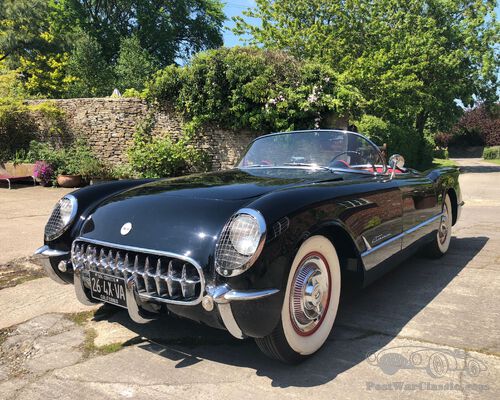
1954 Corvette C1 - SUPER RARE Black!!
Looking for her next lover, my classy 1954 Corvette C1. She's a beautiful sculpture. Never have i had so many adoring comments as when drivi..
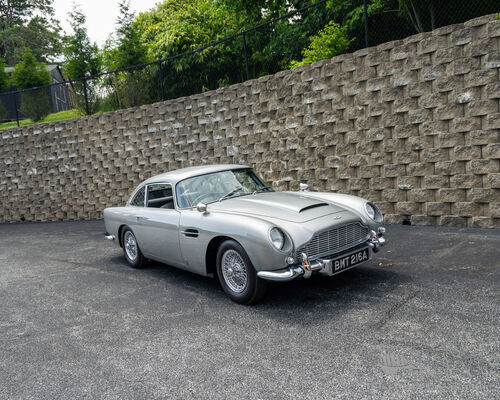
2020 Aston Martin DB5 Goldfinger Continuation | RM Sotheby's | The Monterey Auction
To Be OFFERED AT AUCTION at RM Sothebys' The Monterey Auction event, 13 - 15 August 2026. $1,000,000 - $1,500,000 USD One of 25 examples co..
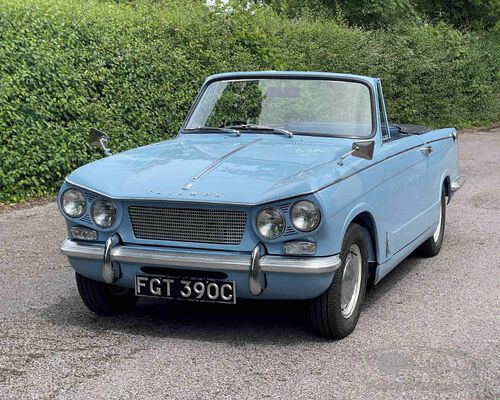
Triumph Vitesse 6 Convertible
Technical SpecificationsMark & Model: Triumph Vitesse 6 ConvertibleYear: 1965Registration plate: UK registered