The global magazine and marketplace for classic car enthusiasts, by enthusiasts.


Filter
Make a choice:
- Cars
-
Make >>
-
Year >>
-
- Bikes
-
Make >>
-
Year >>
-
-
Location >>
- Parts & more
-
Make of car >>
-
Manufacturer >>
-
Category >>
-
Countries


Celebrating 75 years of motorsport at Zandvoort
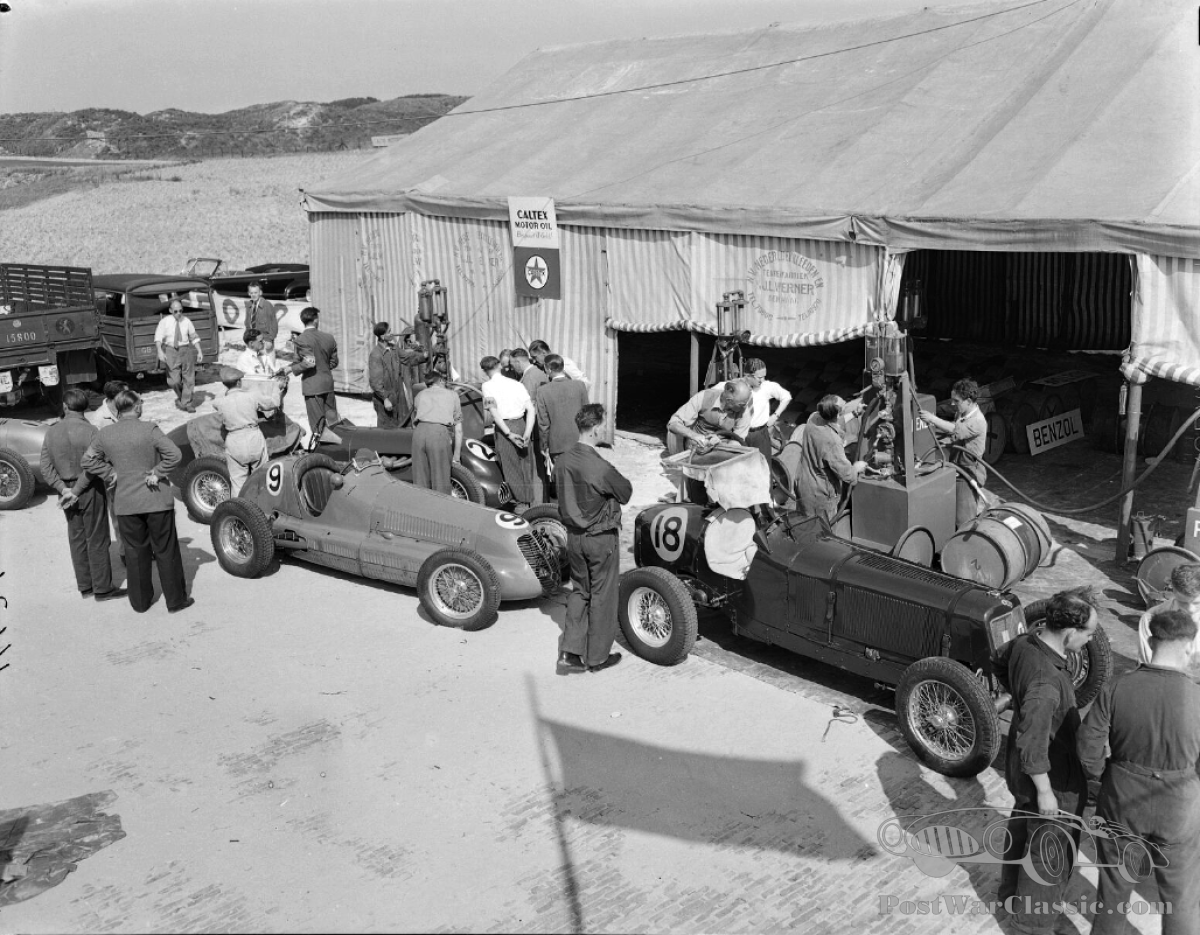
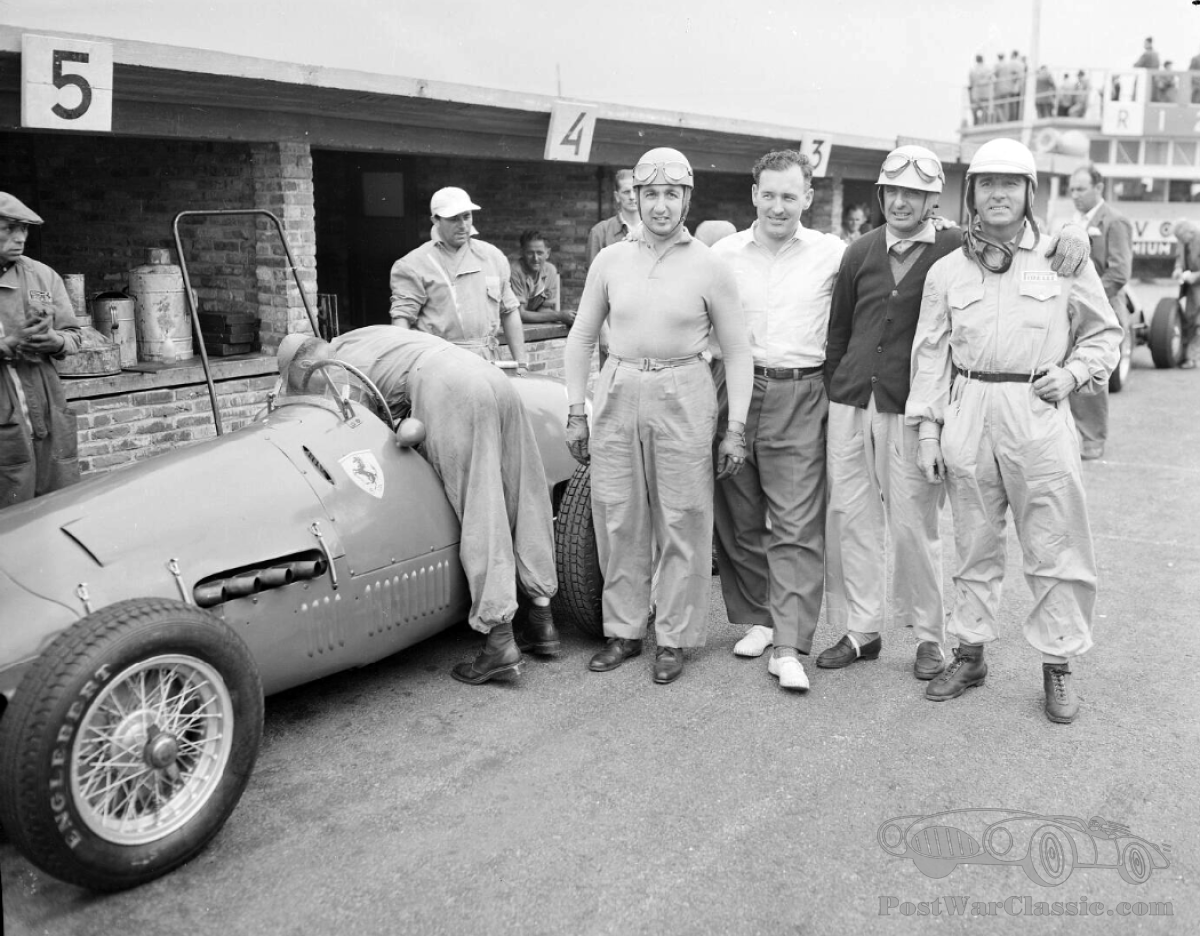
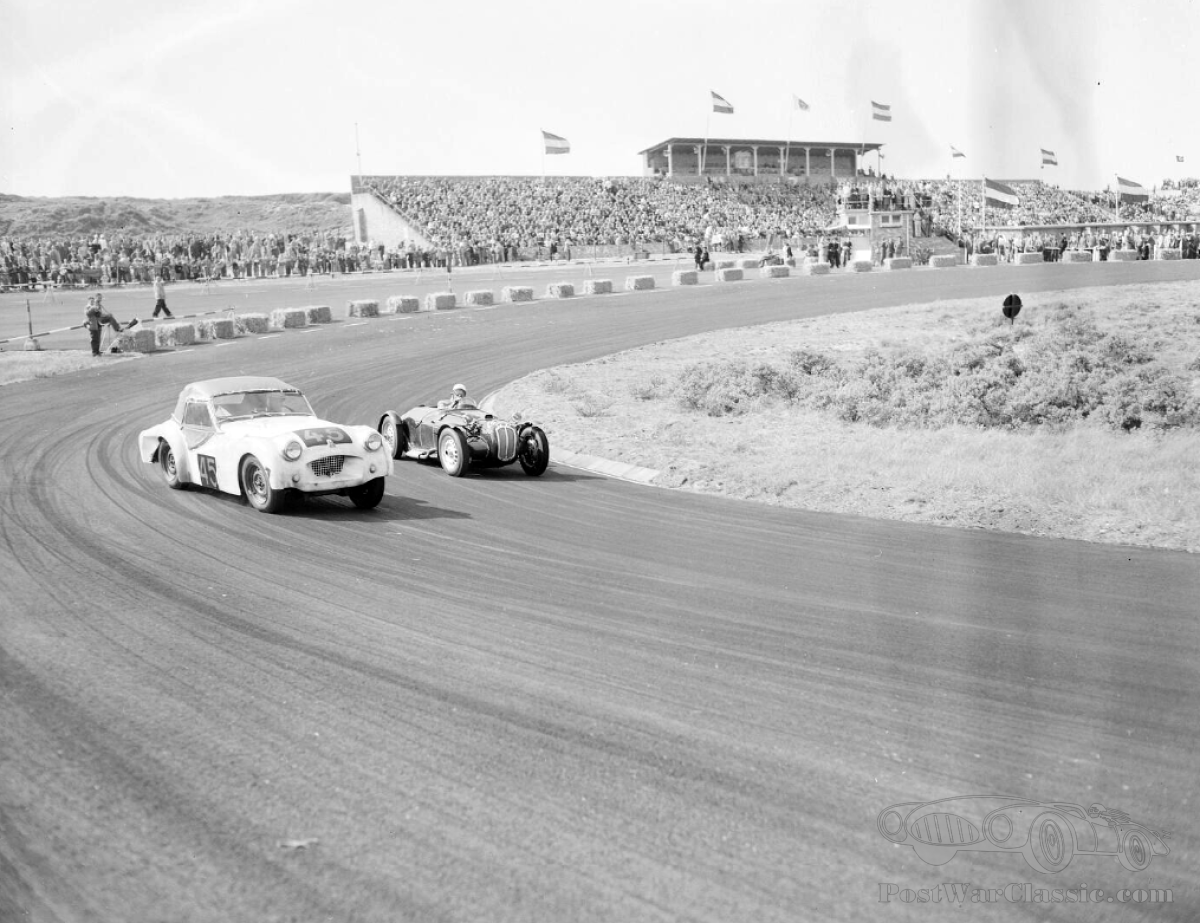
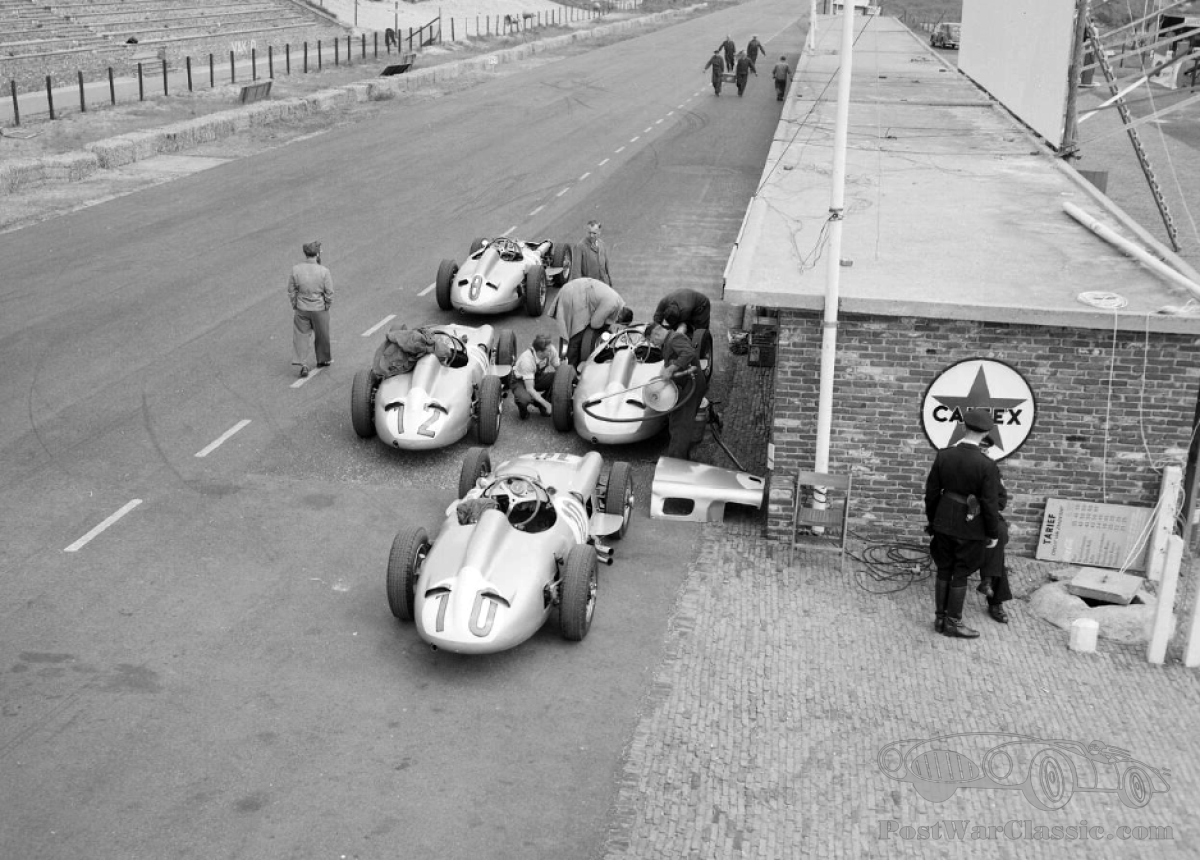
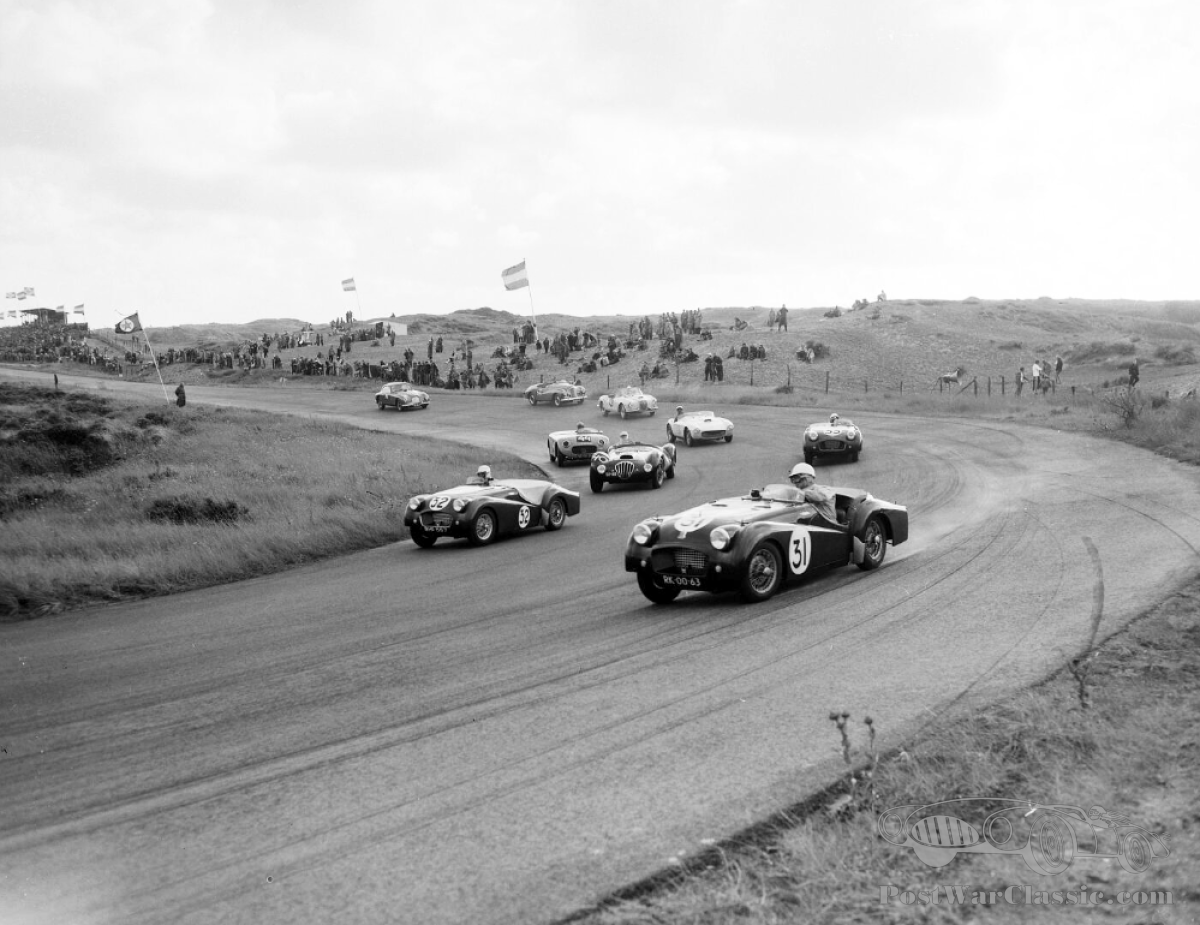
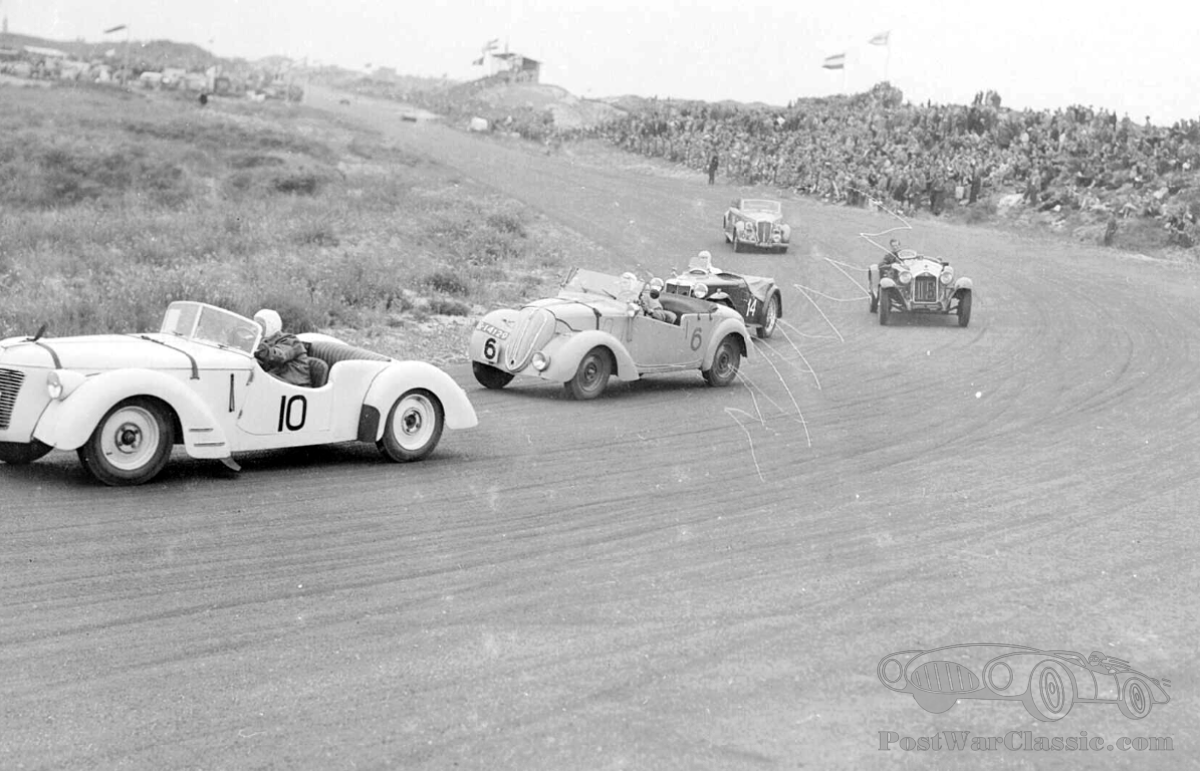
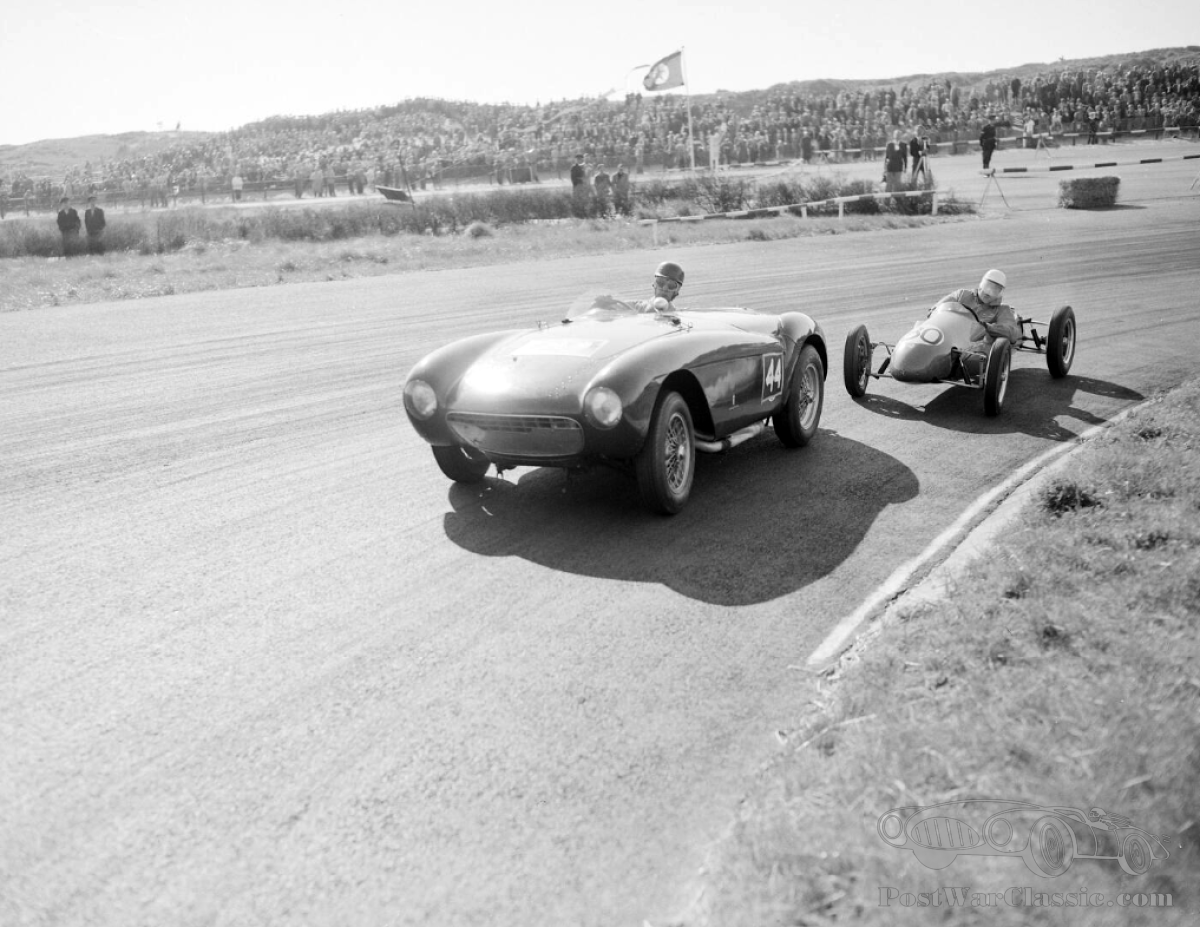


The racing track in the Dutch dunes of Zandvoort is celebrating its 75th birthday very soon, since the first race took place on 7th August 1948. On that day, 100,000 spectators saw Prince Bira cross the line first in a 16-valve two-litre Maserati 4CL, just ahead of another Maserati with a 3.4-litre engine driven by Tony Rolt. We believe the first picture shown here is an image of this first race, when the pit area was unpaved and a tent served as team garage. There were no less than five ERAs entered that race, driven by Brooke, Bolster, Hampshire, Ashmore and Ansell. Which of these could be the dark one seen in front?
Plans to build a racing track in Zandvoort are said to date back to 1930, but work didn’t start until after the war. Its instigator Hans Hugenholtz, who owned an OM which he’d equipped with his own home-made aluminium pointed tail, and an Austin Seven Ulster painted orange and nicknamed ‘Tim’ after Tim Birkin, wrote the following to Motor Sport magazine in June 1939: “In spite of all the work I have till now, not been able to bring a Grand Prix to Holland nor bring (except for a few very enthusiastic friends) the spirit of and the love for the old sports-cars like the Vintage Sports Car Club does in England. But then, we lack sports-cars and a centre like Brooklands and a course like Donington. The Royal Netherlands Automobile Club, which is the official body in Holland, and has much influence, organizes for the first time a race; on June 3rd at Zandvoort where a circuit of 2.3 km. is made, for races in two open classes... Maybe this is a beginning but what we need is a course like Donington; a course about 5 kms. in length, with about four car and several motor-cycle races a year. This can be a centre for sports-activity, young people can practice there with their sports-cars and a new generation of racing-drivers can be made there. I am working for this, but I think that ideal will be a long way ahead.”
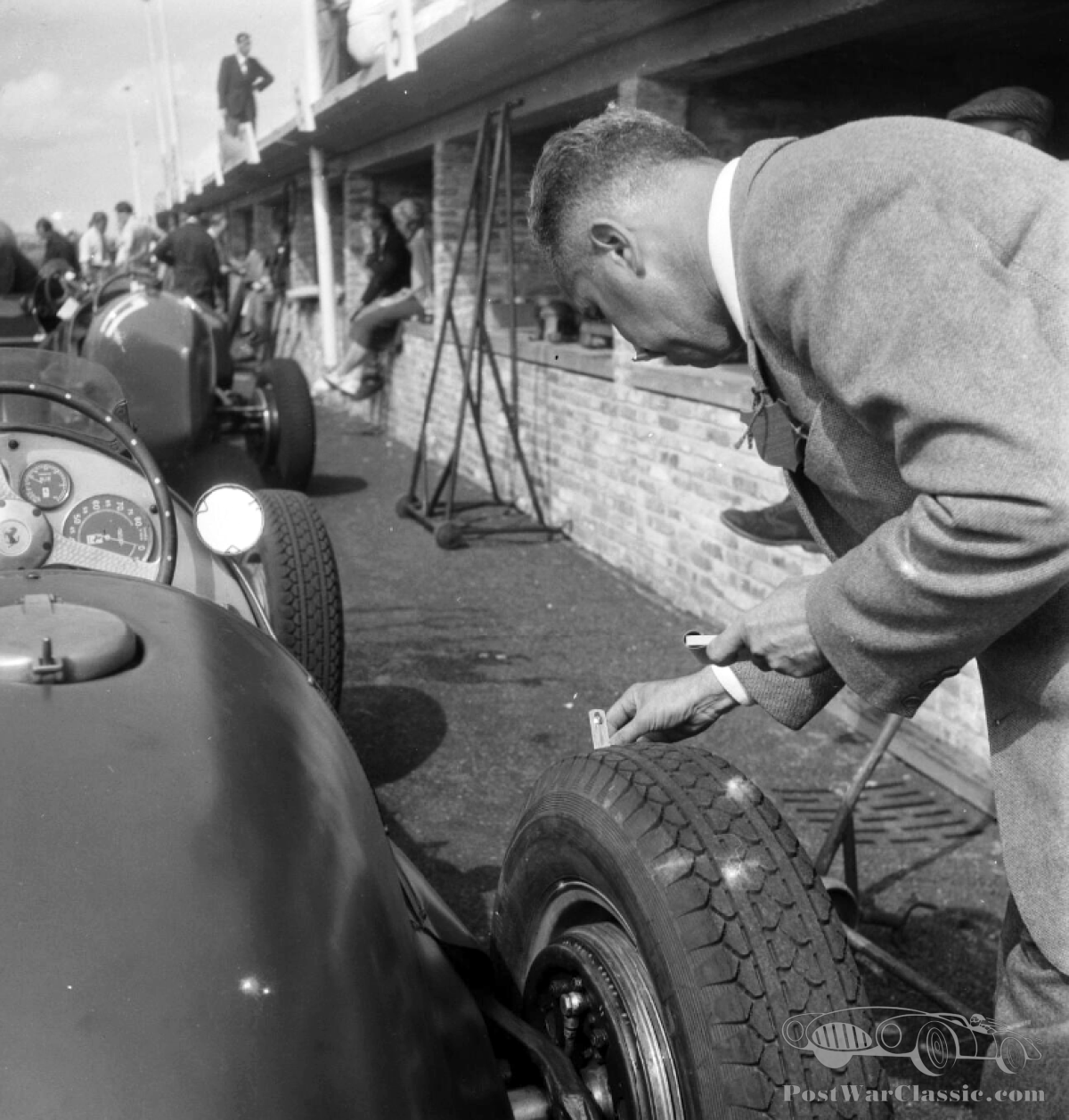
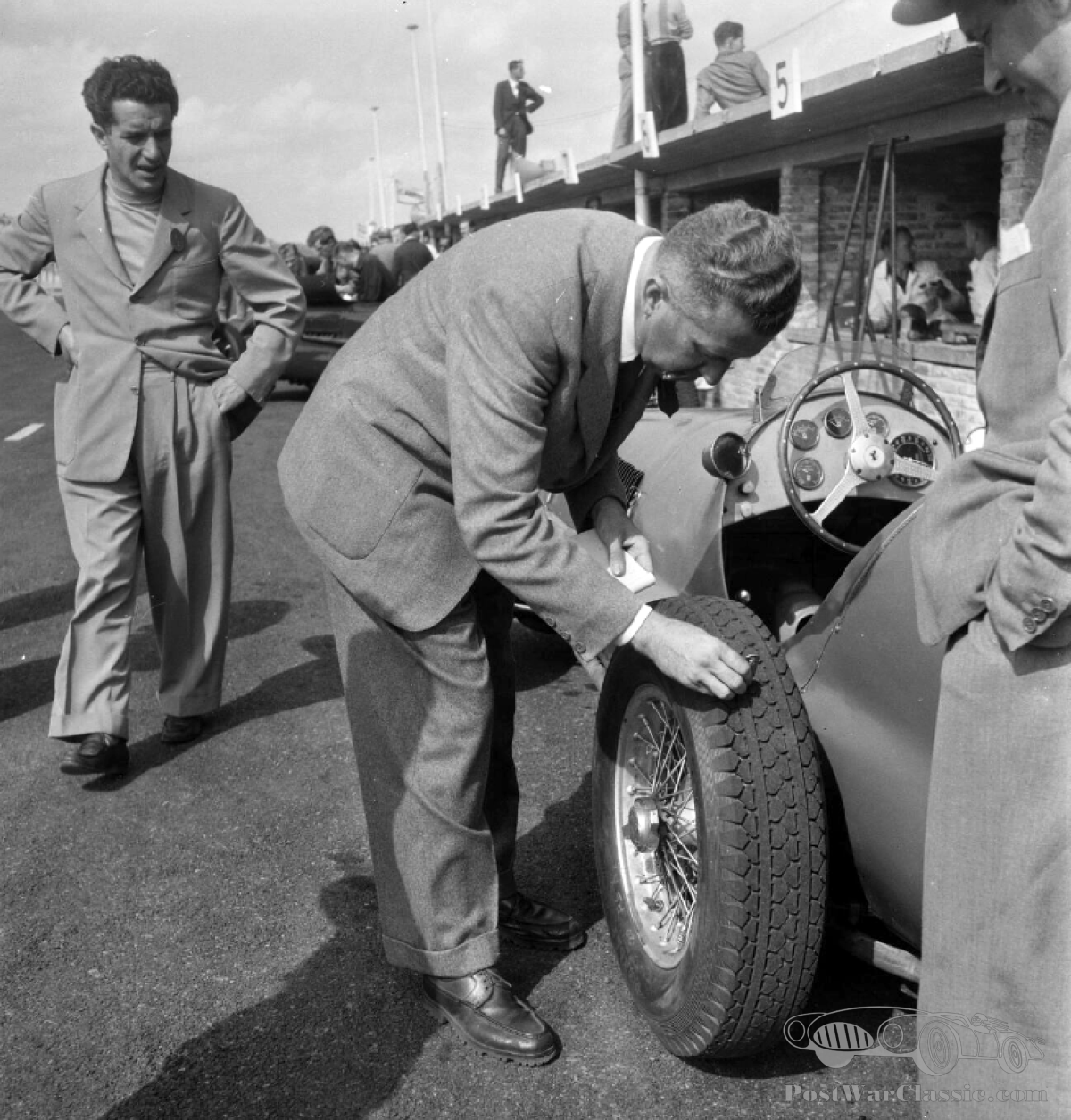
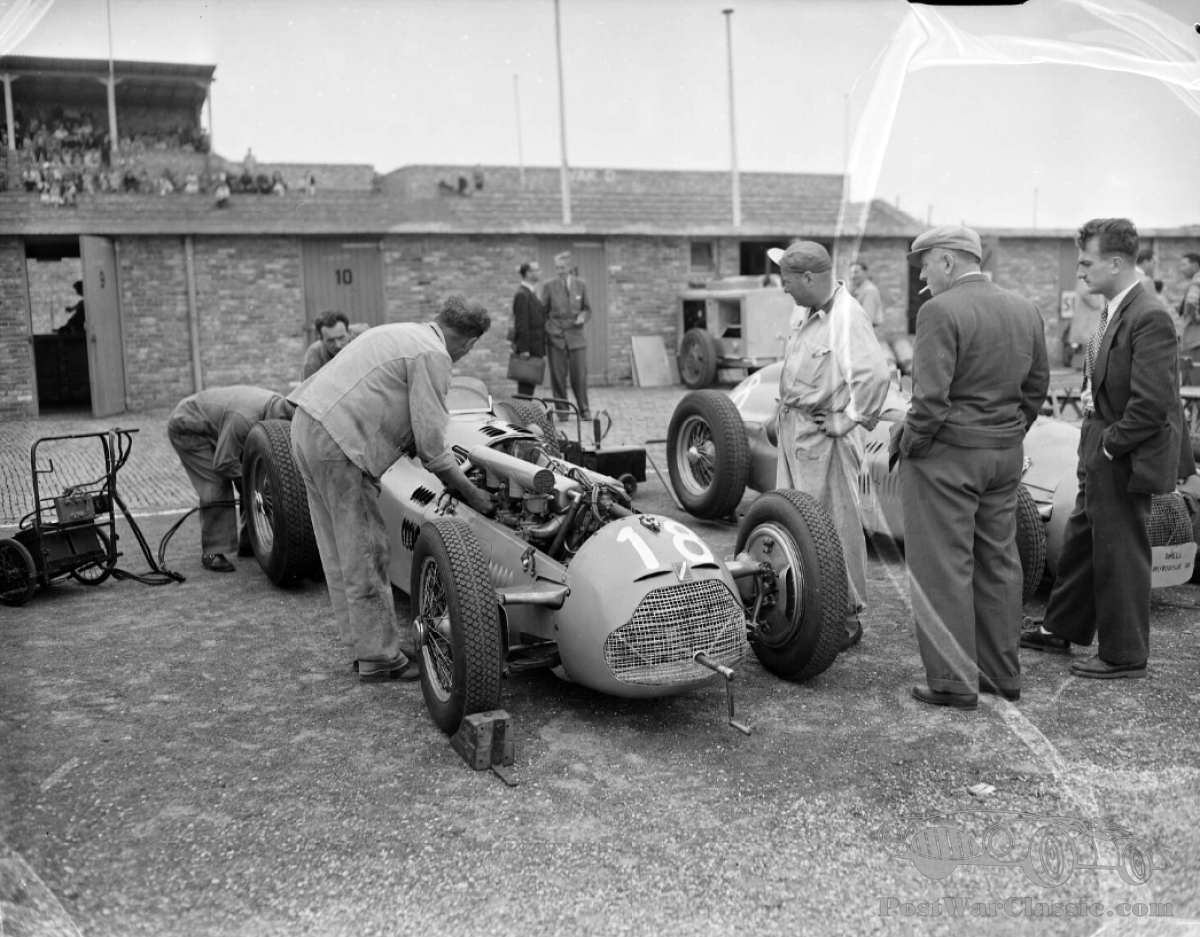
Hugenholtz must have been proud and pleased when that first race became a reality, with many more to follow. The pictures here all date from the late 1940s and early 1950s. What can you see?
Words: Jeroen Booij; pictures: Noord-Hollands archive
Published:
Thursday July 13th, 2023
Facebook
LinkedIn
Twitter
WhatsApp
Email
Copy
Comments
Mike Hill
16 July 2023, 21:15
Photo six is the 1955 Dutch Grand Prix; Motor Sport's D.S.J. can be seen to the left.
Read more
Bob Graham
16 July 2023, 15:52
Those first three cars are indeed TR2s. This has to be a much later sports car race.
Read more
Jeroen Booij
17 July 2023, 21:43
Pictures mixed up from my numbering. The number 1 mentioned is actually now the last of them.
Read more