The global magazine and marketplace for classic car enthusiasts, by enthusiasts.


Filter
Make a choice:
- Cars
-
Make >>
-
Year >>
-
- Bikes
-
Make >>
-
Year >>
-
-
Location >>
- Parts & more
-
Make of car >>
-
Manufacturer >>
-
Category >>
-
Countries


Refining the faithful family runabout: Gerald Palmer’s Wolseley Six-Ninety
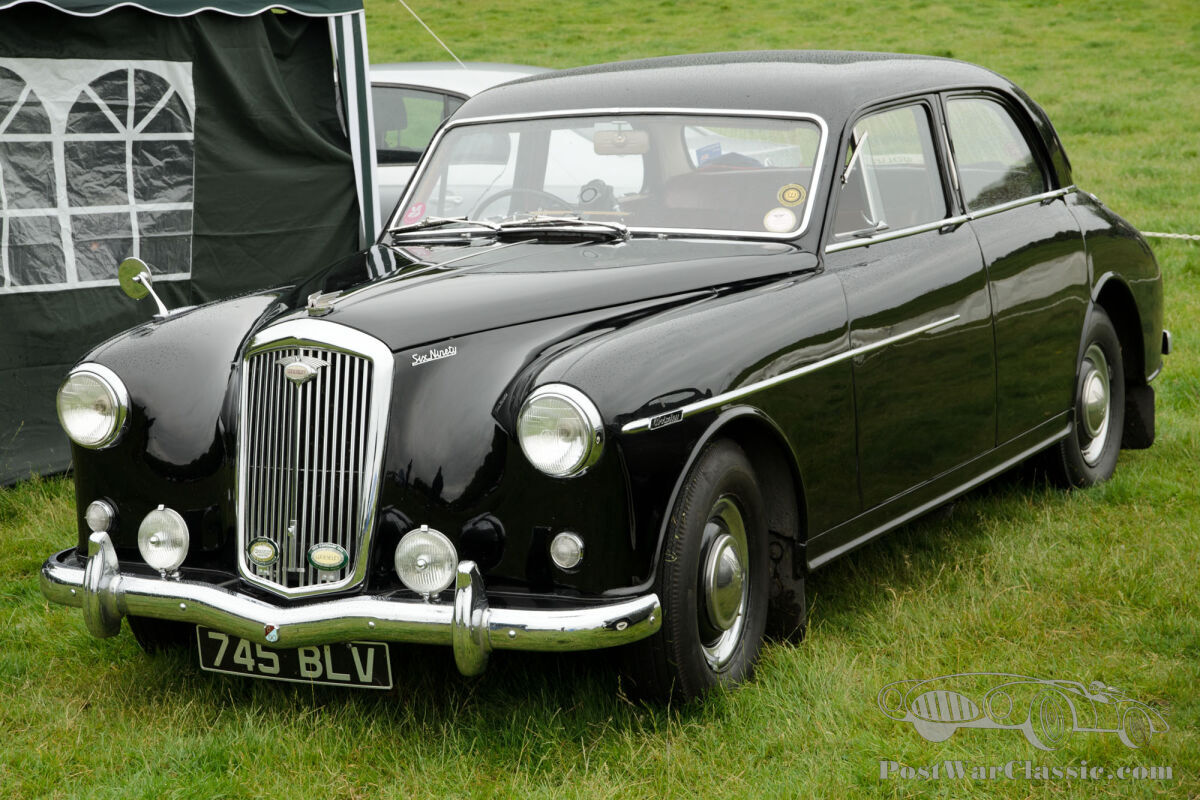
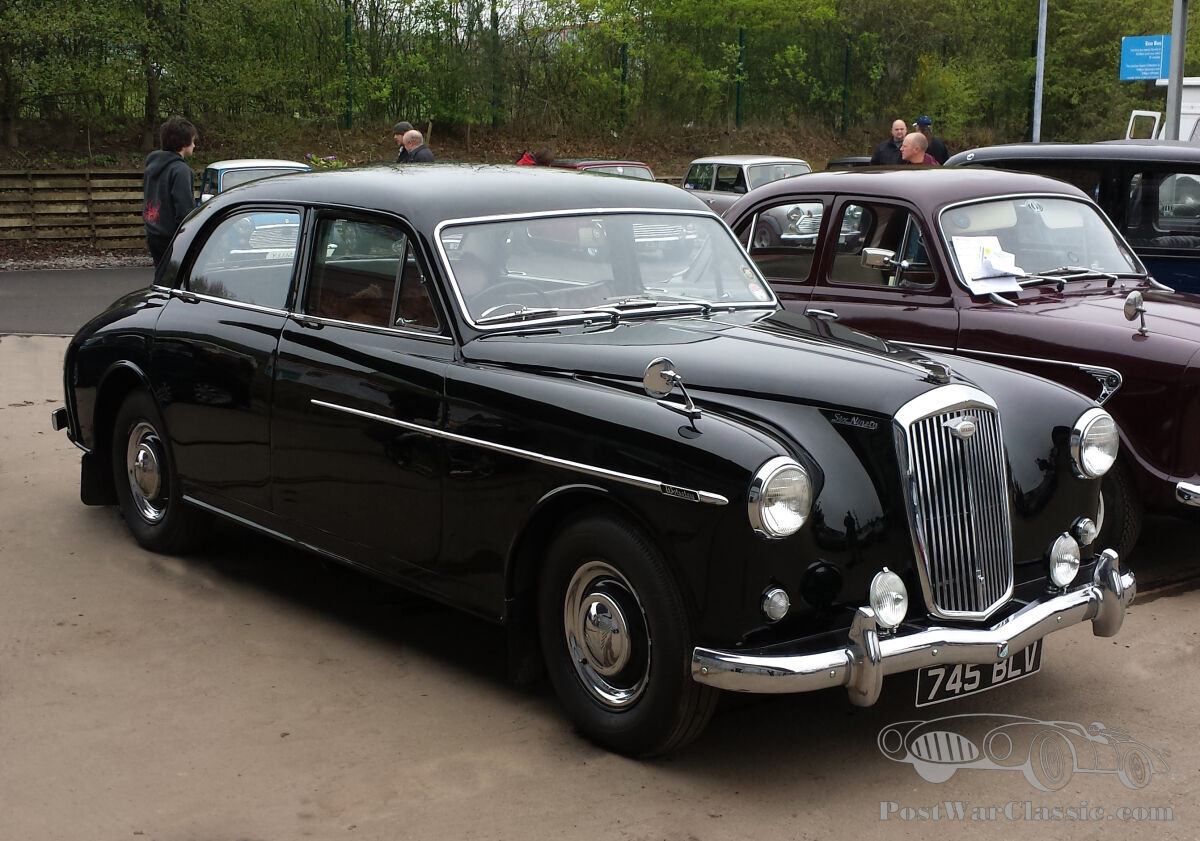
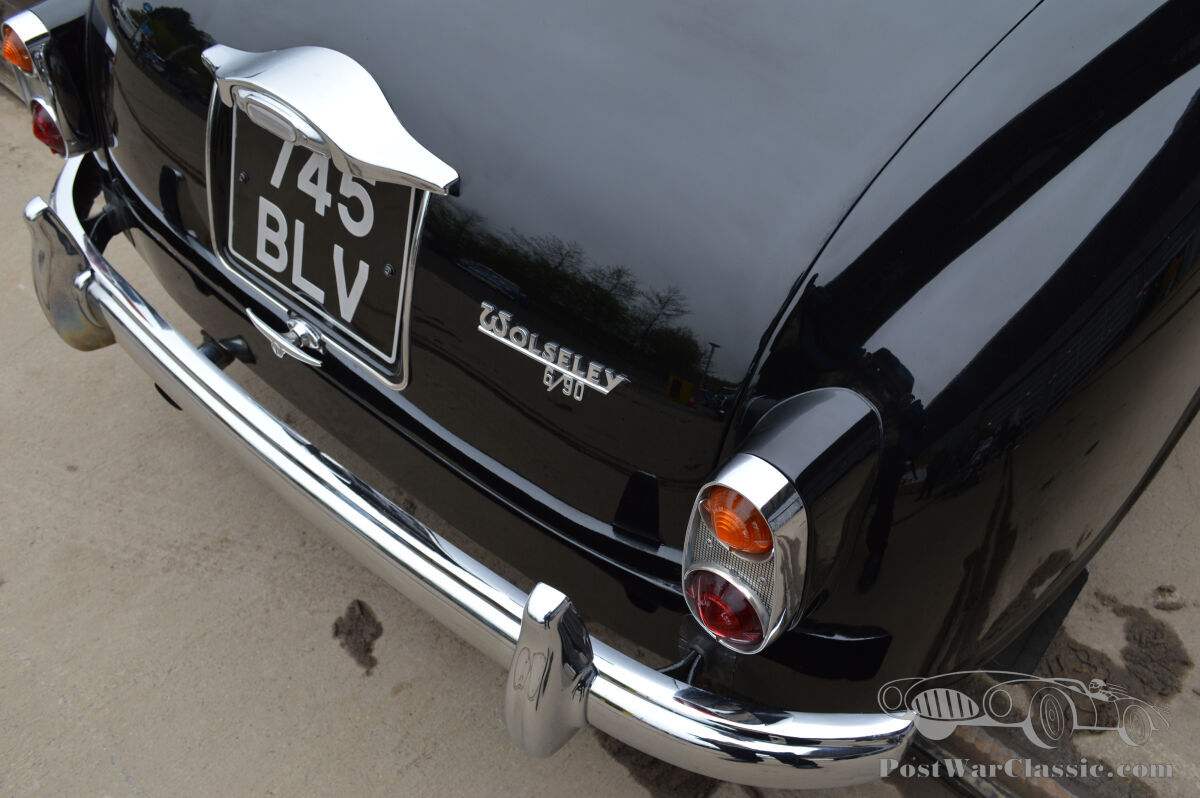


Gerald Palmer’s name is synonymous with rugged, reliable and typically family-oriented everyday cars. His work on the Jowett Javelin is perhaps overlooked, despite being well ahead of its time in the late 1940s. However, his brief spell with BMC’s Wolseley marque produced what many regard as Palmer’s most elegant and best-loved design: the Six-Ninety.
One of a series of four cars penned by Palmer, the Ninety was intended to replace Wolseley’s ageing Six-Eighty. Although it occupied the same place in the range, the new model shared remarkably little with its predecessor. Instead, Palmer’s thinking was far more closely aligned with his earlier Riley Pathfinder, albeit thankfully without that model’s notorious tendency to career into the nearest ditch.
Mechanically, BMC’s latest offering represented a considerable improvement. The Wolseley was the first model to receive BMC’s new C-Series six-cylinder engine. Designed at the company’s Longbridge factory, the unit was intended from the outset to be durable. Equipped with twin SU carburettors and displacing 2,639cc, it produced 135 lb ft of torque at just 2,000 rpm. Its strong low-speed pulling power, combined with exceptionally smooth running, enabled the car to withstand prolonged heavy use. As a result, the saloon became particularly popular with the Metropolitan Police, and a black Six-Ninety became the quintessential image of a 1950s British police car.
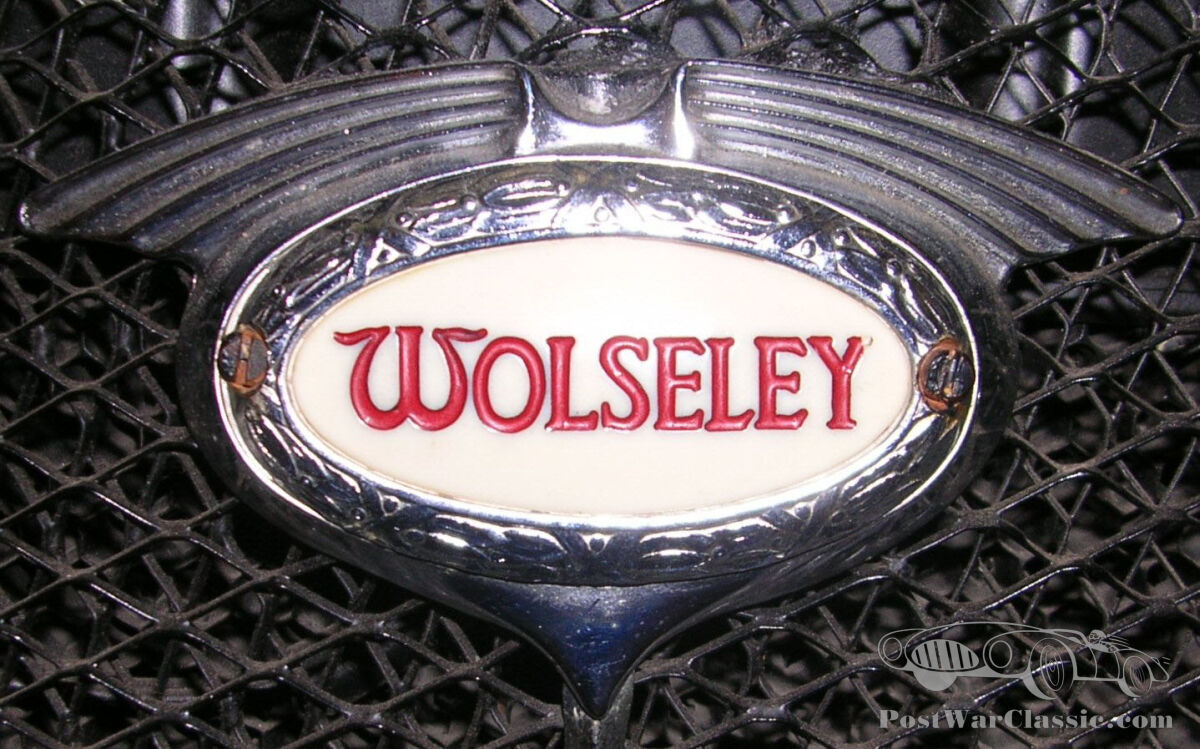
Another feature quickly inherited by the latest model was Wolseley’s illuminated oval radiator badge, which had served as the company’s trademark since 1932. The Six-Ninety’s interior was also finished to a high standard, with leather upholstery available in a variety of colours. In the Series I, the dashboard featured a grey striped instrument panel made from Formica. Undoubtedly intended to emphasise the ultramodern character of the new model, this easy-to-clean ‘wonder material’ occupied pride of place in Palmer’s flagship saloon. By the final Series III generation, however, it had been replaced with a more traditional walnut veneer fascia.
Making its debut at the British International Motor Show in October 1954, the newly formed British Motor Corporation aimed this modern saloon at professional and middle-class buyers. Prices started at £1,062, including Purchase Tax. A leather-trimmed interior came as standard, while optional extras such as automatic transmission, a Radiomobile valve radio, a cigar lighter and fog lamps allowed buyers to tailor the car to their preferences. Export models were also equipped with flashing direction indicators, whereas home-market cars retained the traditional trafficators.
Palmer’s time at BMC, however, was cut short when he was infamously dismissed by the company’s chairman, Leonard Lord. Had his tenure not ended so abruptly, he might well have gone on to design a further generation of Rovers, MGs and Wolseleys, potentially creating cars capable of rivalling contemporary offerings from Lancia, Rover, Triumph and Volvo. Nevertheless, with the Six-Ninety, Palmer successfully refined the qualities of reliability, durability and practicality into an elegant family saloon, securing his place in British motoring history. Even so, it remains fascinating to consider what might have been.
Text and photographs: Alexander Simmons-Miller
Published:
Tuesday July 7th, 2026
Facebook
LinkedIn
Twitter
WhatsApp
Email
Copy