The global magazine and marketplace for classic car enthusiasts, by enthusiasts.


Filter
Make a choice:
- Cars
-
Make >>
-
Year >>
-
- Bikes
-
Make >>
-
Year >>
-
-
Location >>
- Parts & more
-
Make of car >>
-
Manufacturer >>
-
Category >>
-
Countries


The Veritas 315: a post-war vision for a pre-war BMW
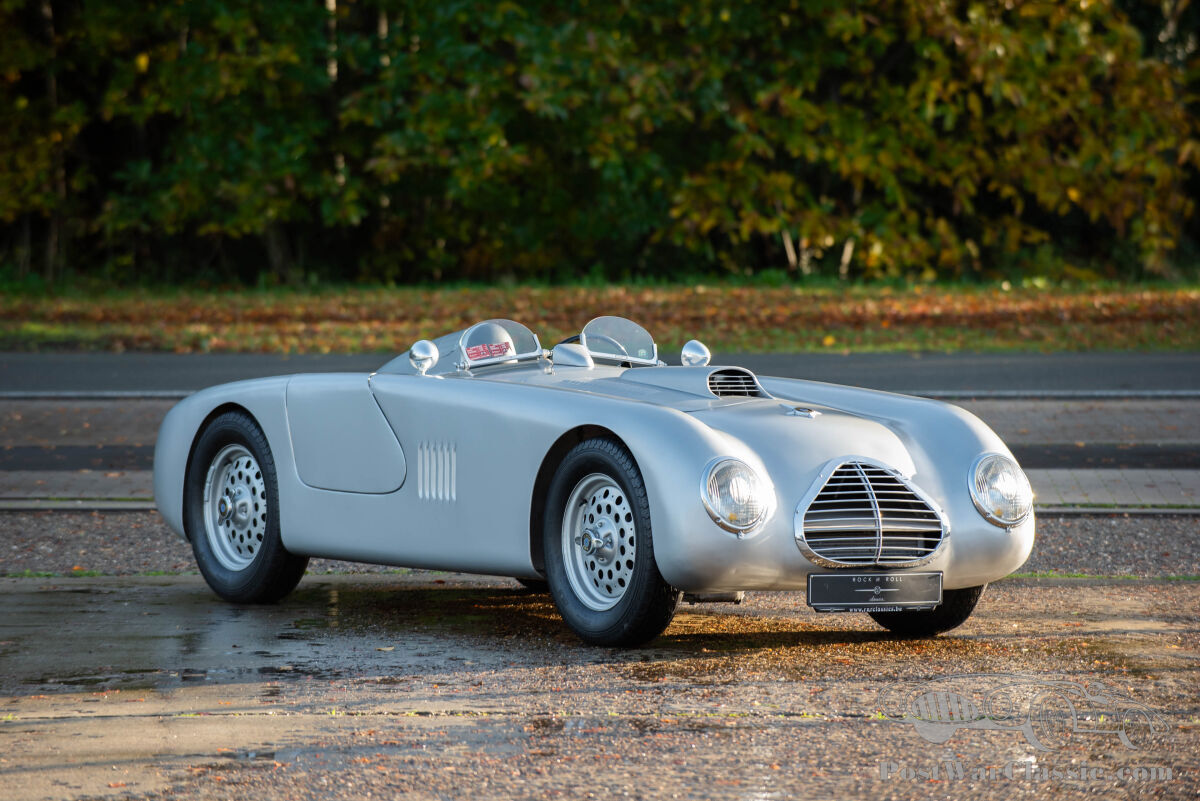
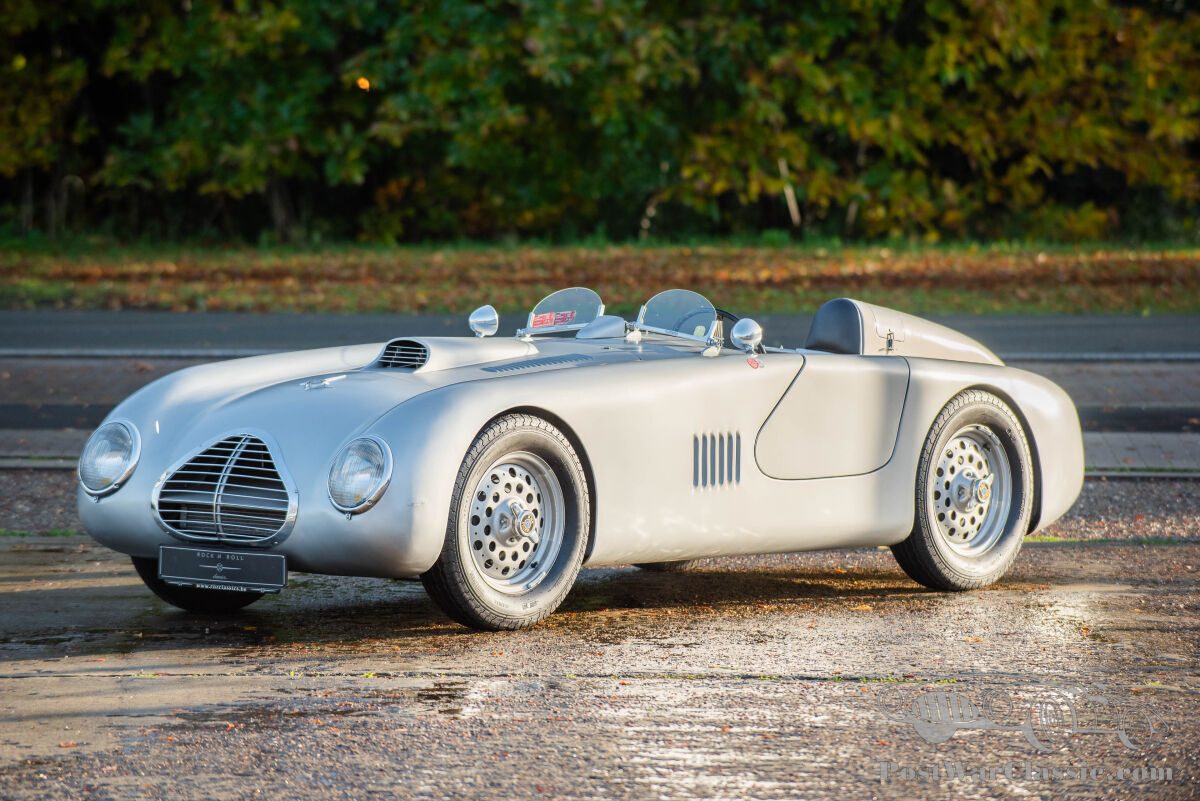
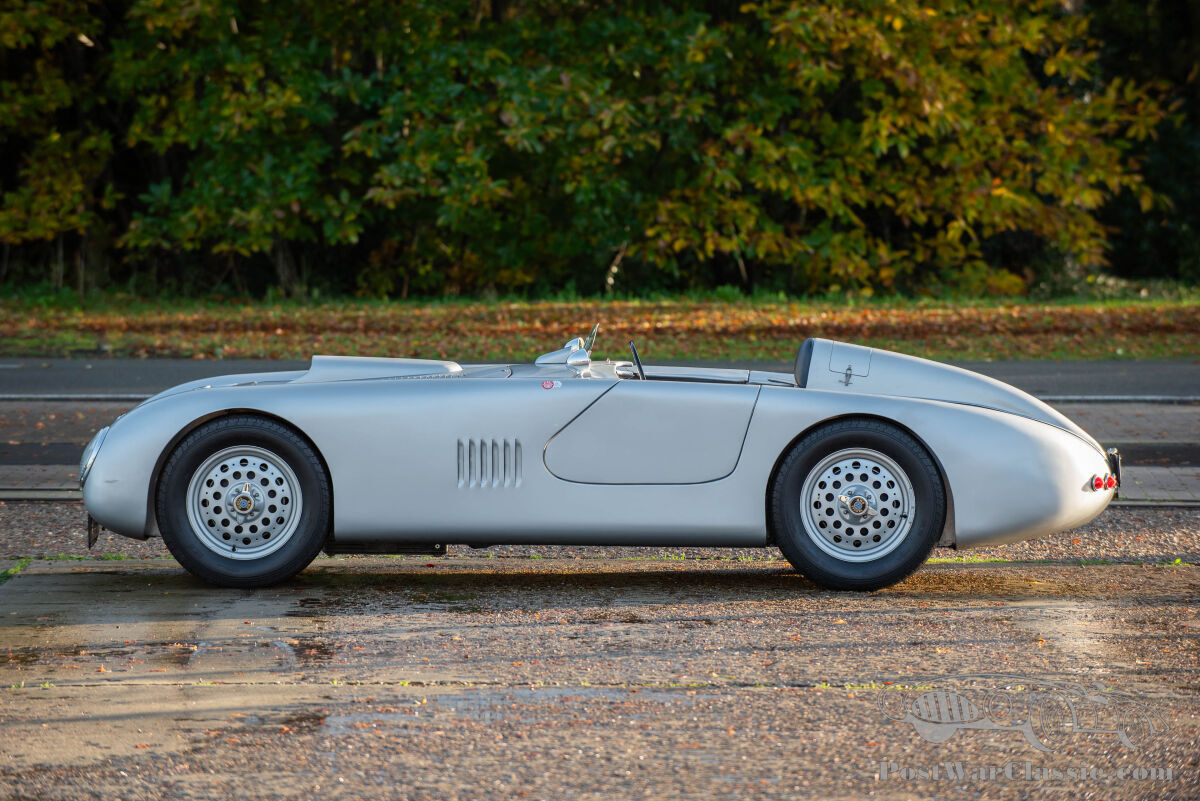
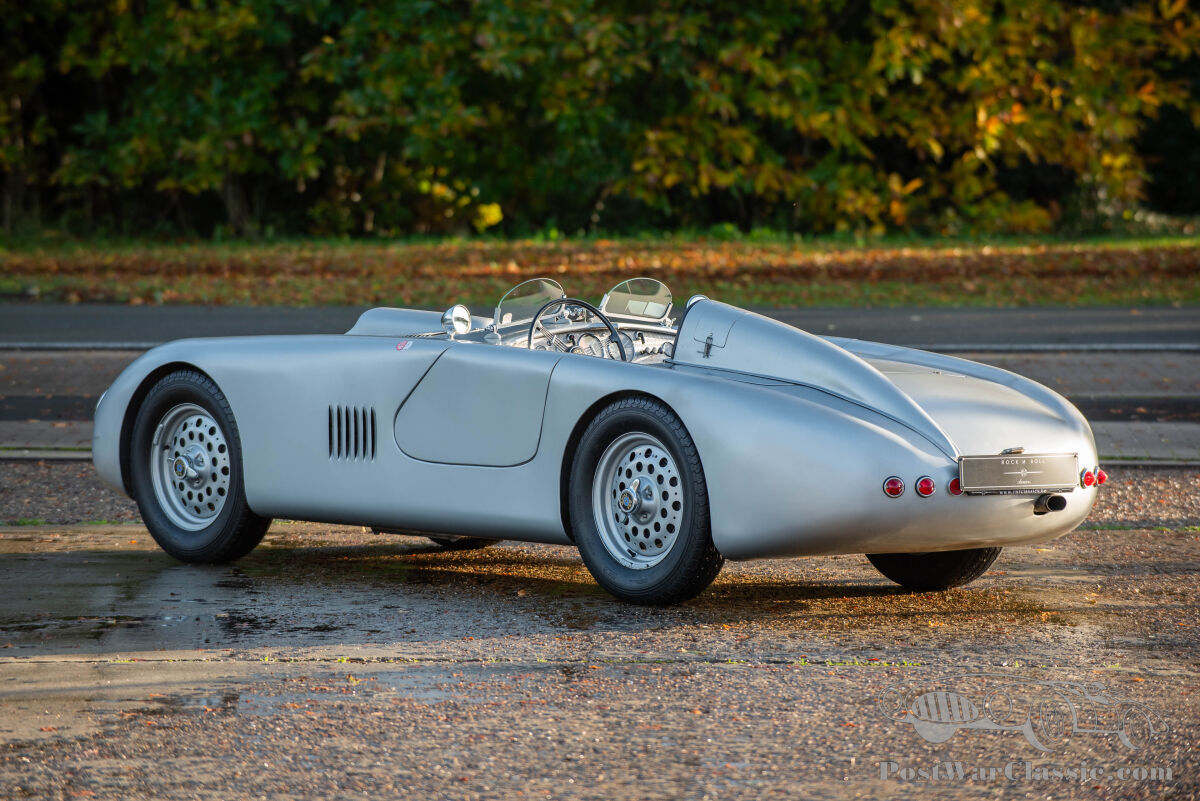
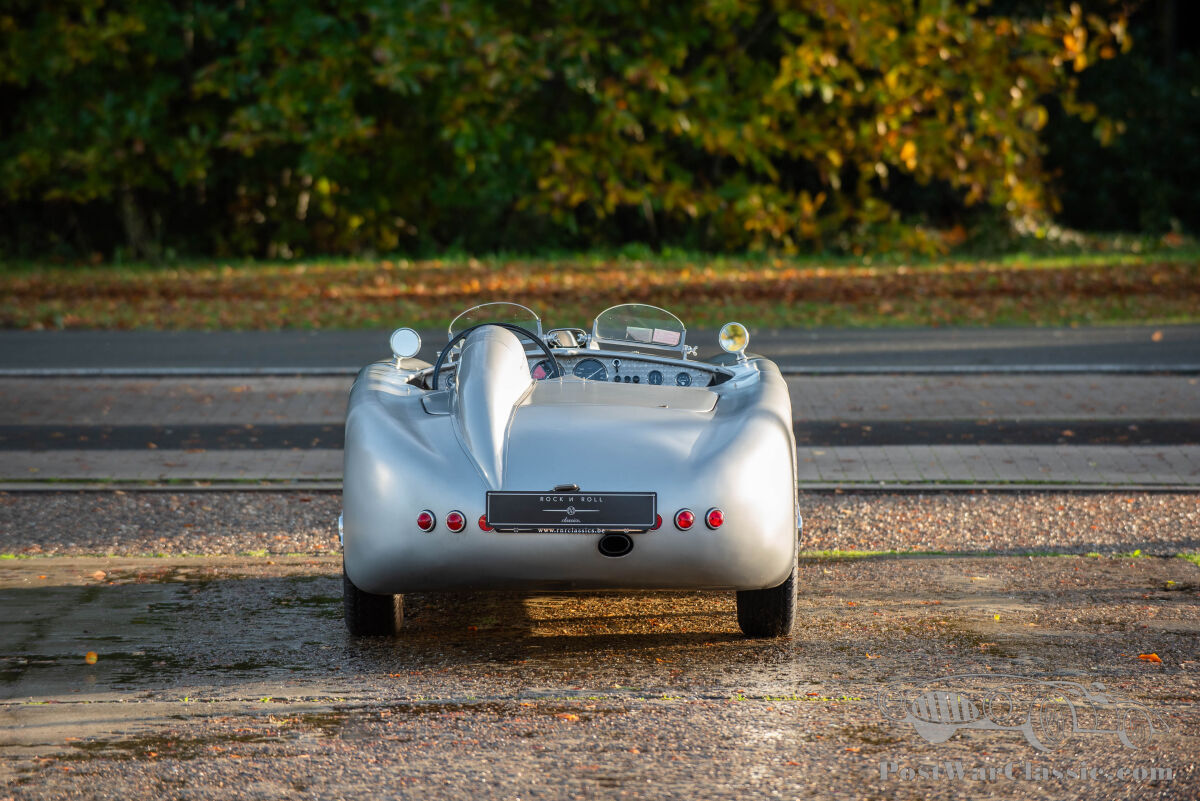
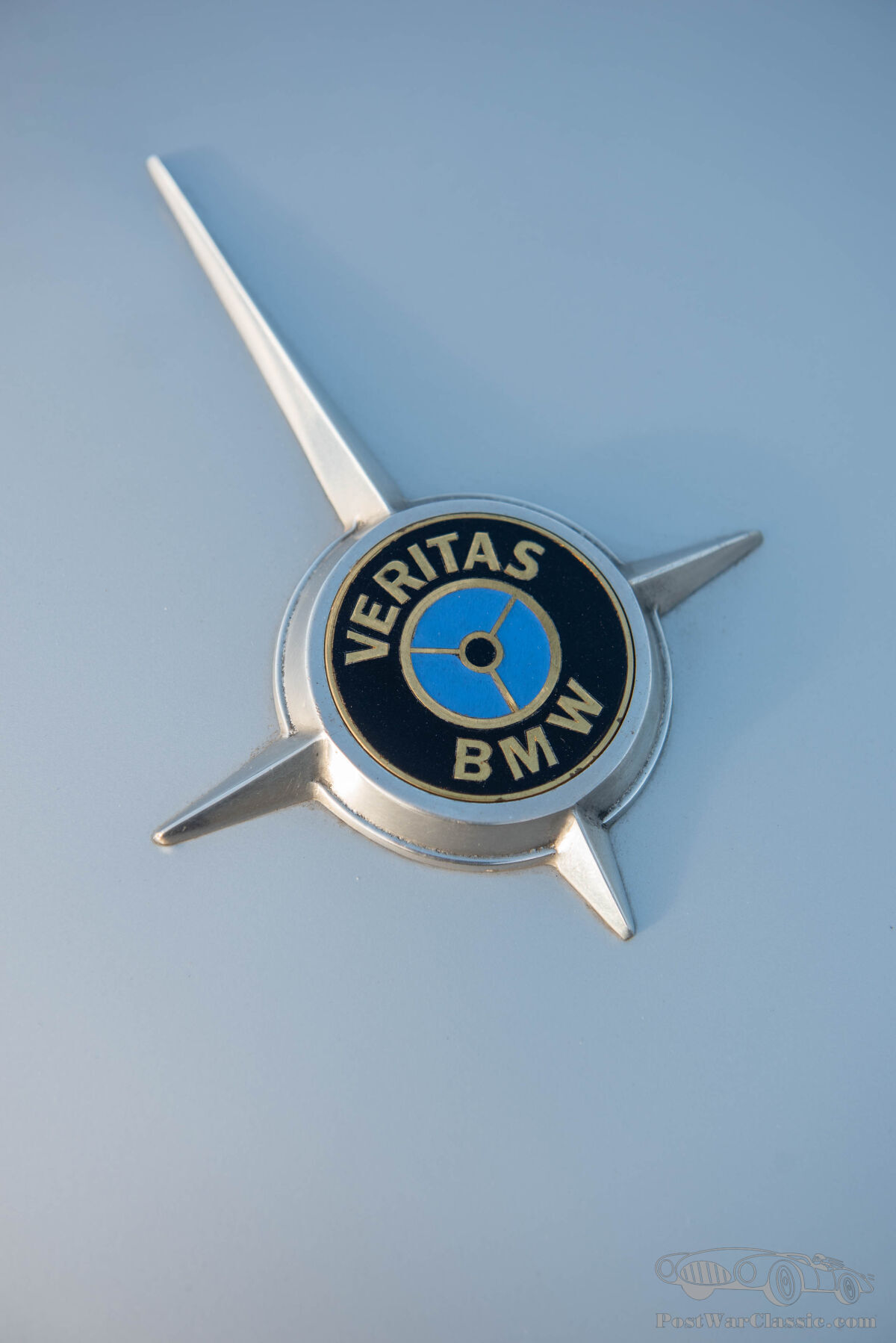
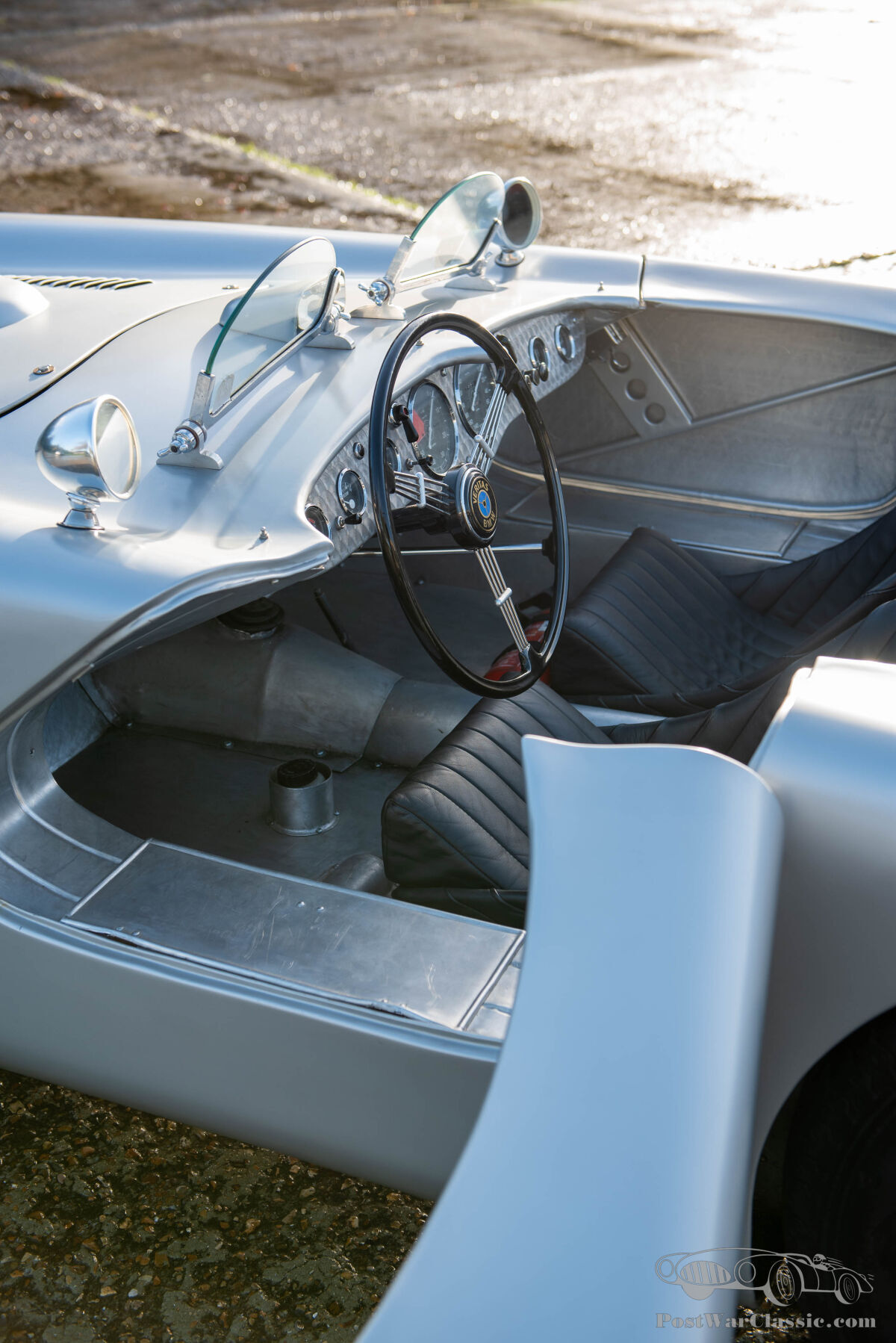
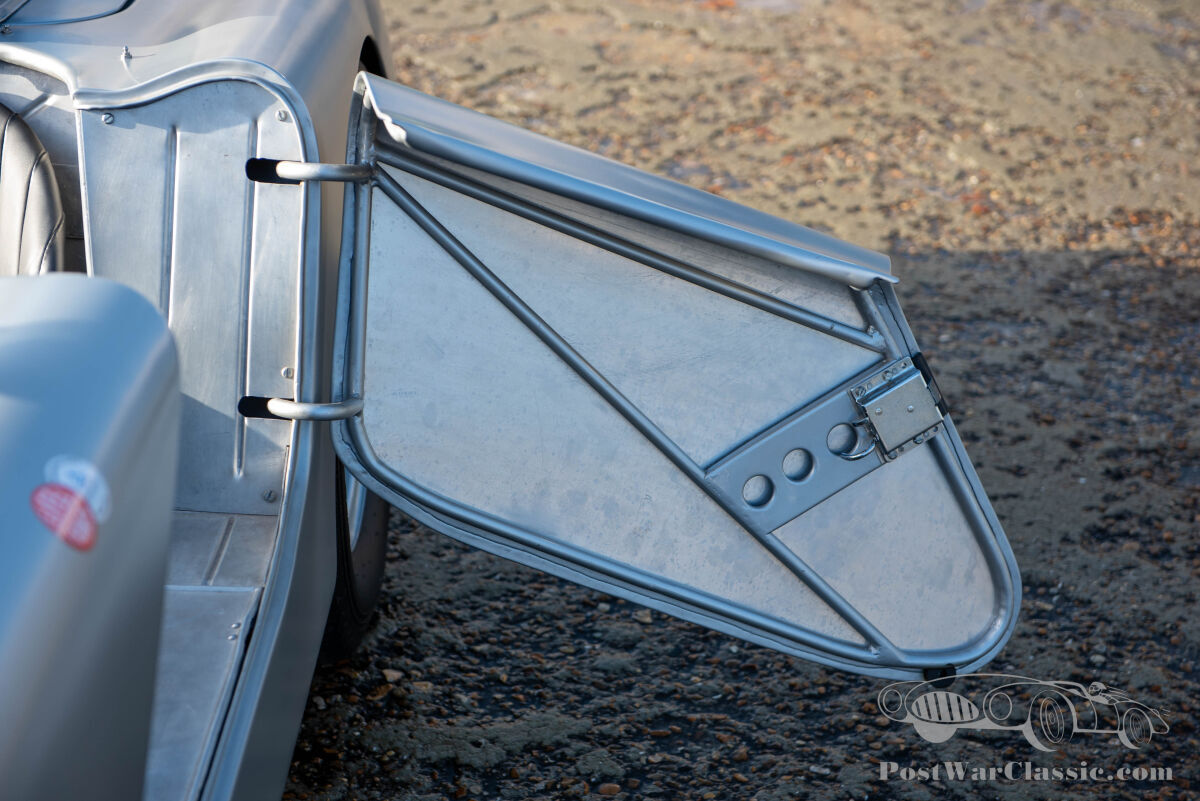
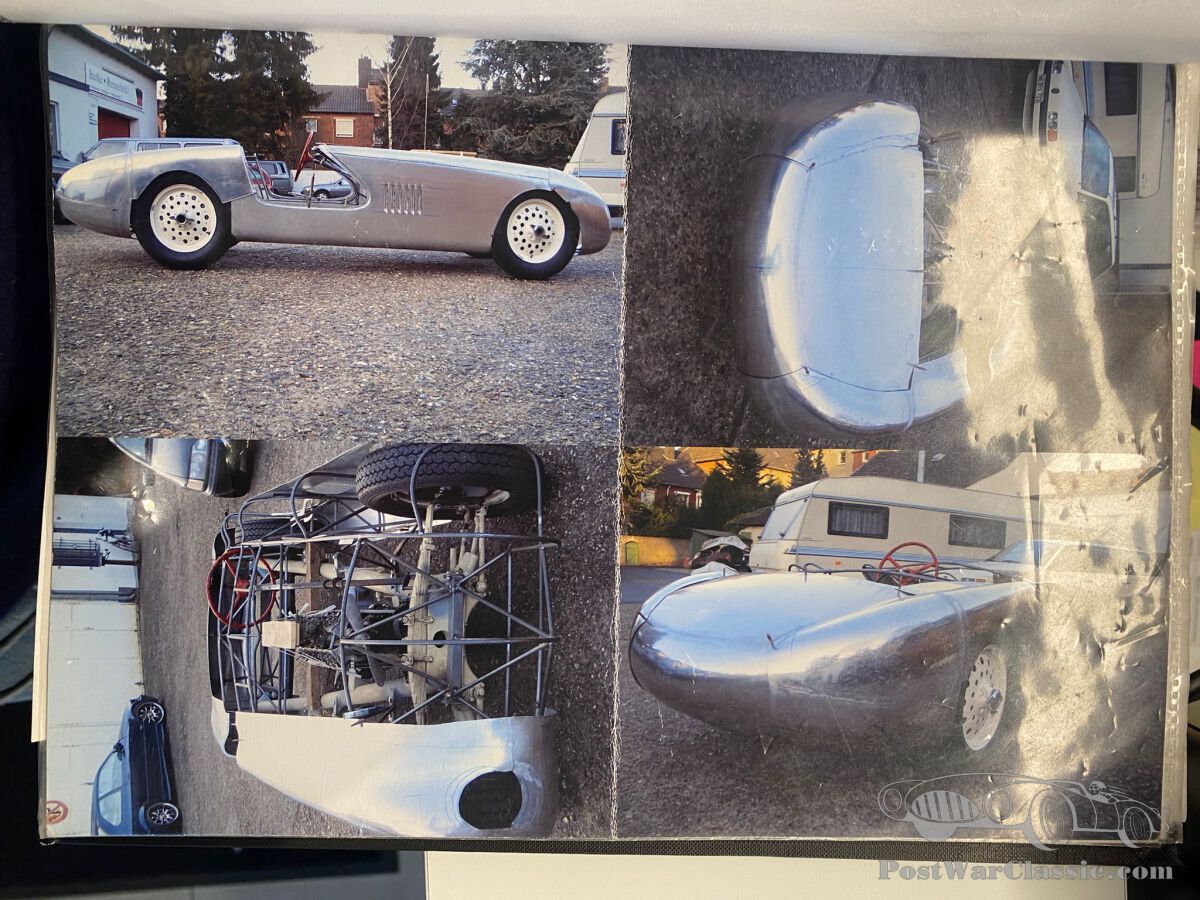


Without knowing anything about Veritas, one can probably guess at its Teutonic origins. Maybe the racing silver is the giveway, but there's something in the streamlined pontoon shape which suggests a spiritual kinship and pre- and post-war German sports cars, like the BMW 328 and Porsche 356. Serious, scientific streamlining was very much en vogue in 1930s Germany, perhaps more so than in any other country, and might have reached its zenith with the Mercedes-Benz W125 Rekordwagen of 1937. The designers of the post-war Veritas clearly belonged to the same school of thought.
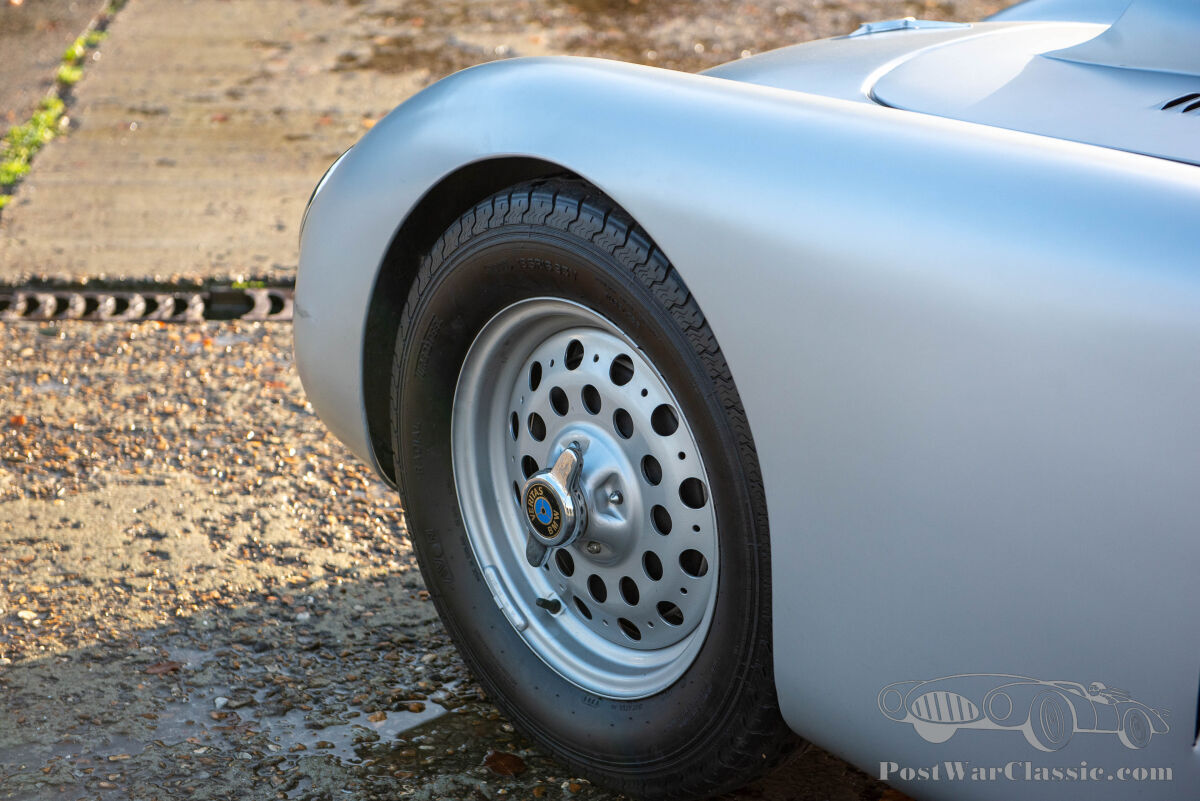
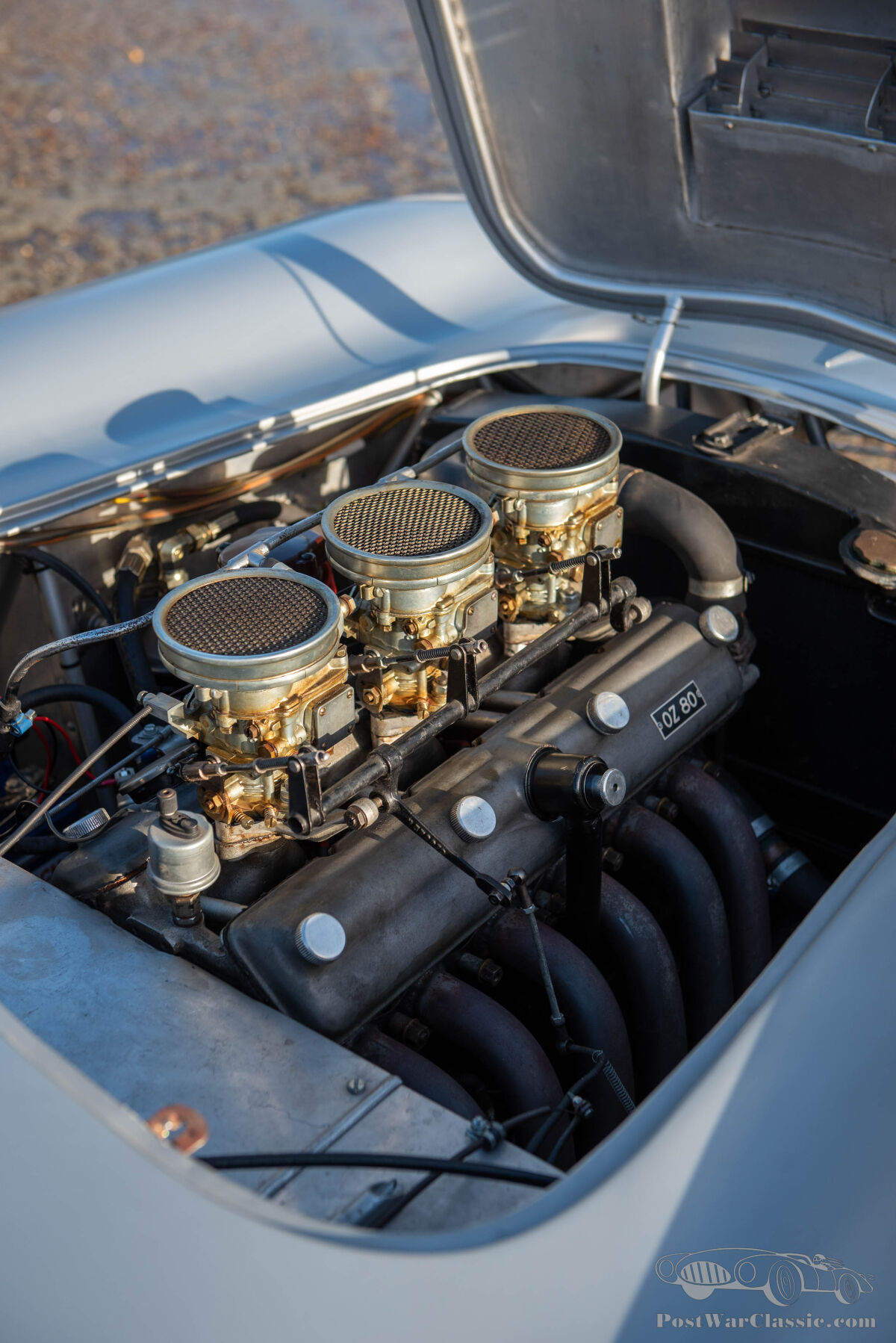
Eagle-eyed readers might take one look at the drilled wheels of this Veritas 2000 RS and spot a pronounced similarity to those used on the BMW 328. Could it possibly be that they shared a common heritage? As it happened, yes. Veritas was founded in 1948 when a group of ex-BMW employees got together in Messkirch, Baden-Württemburg, with the idea of building a post-war sports car round one of the very best pre-war engines. The BMW 328 was arguably the crowning achievement of pre-war sports-car development. It utilised a 1,917 c.c., o.h.v. straight-six which, though compact, produced 80 b.h.p. It would help the 328 to exceed 90 m.p.h. in standard tune and made it a tour de force in pre-war motor sport; most notably, the 328 was the outright winner of the 1940 Mille Miglia. Its life, however, was curtailed by the outbreak of war and BMW would not re-enter the sports-car market until launching the 507 in 1956.
It was not through BMW's own free will that it gave up sports-car production. There were national restrictions in place which forbade the manufacture of new sports cars of more than one litre, but Ernst Loof, who had been in charge of BMW's motor sport division when the 328 achieved its Mille Miglia victory, was not happy at the thought of all his pre-war work being terminated just like that. He took the helm of the new Veritas marque, with a view to creating a new home for the 328's engine. His colleagues in the enterprise were former BMW engineer Lorenz Dietrch and motorcycle racer Georg Meier, who had actually built their first 328-powered single-seat racer in 1945. Of course, they still couldn't make new cars per se, but there was nothing to stop them proceeding in the manner of a special-builder and adapting old ones.
Born from a spirit of determination
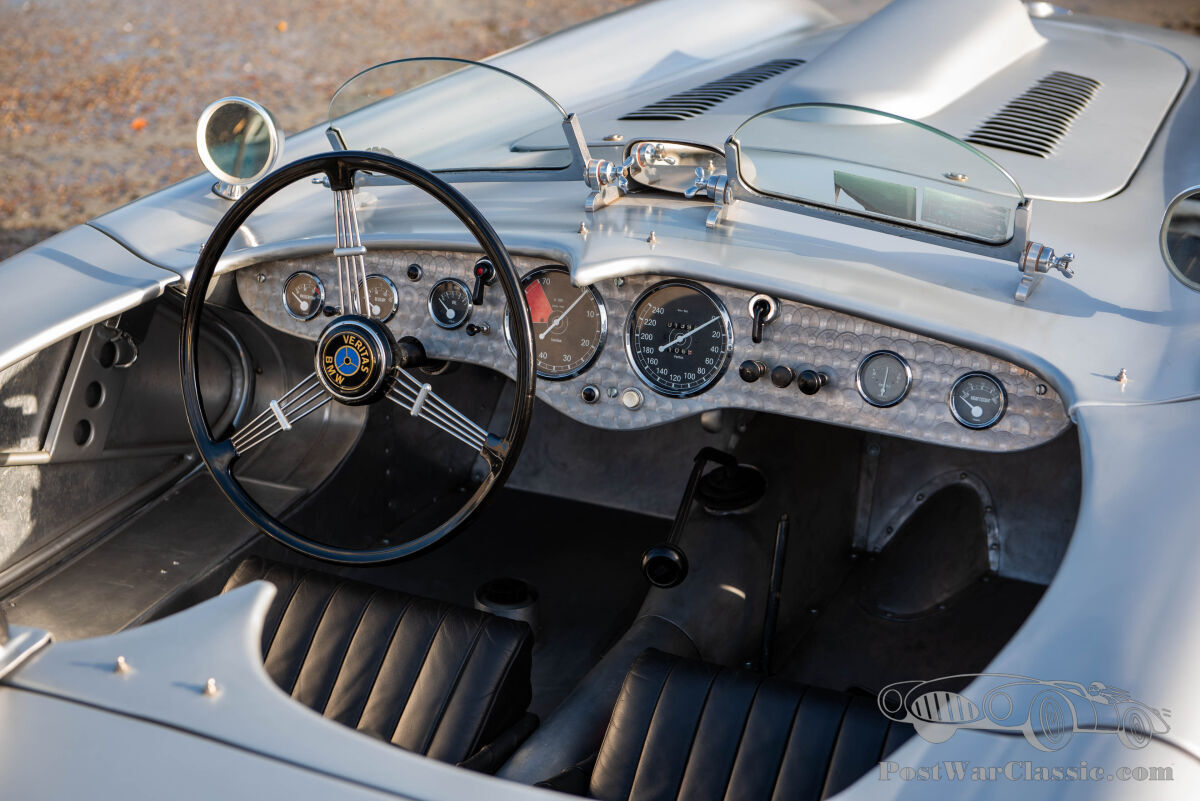
So it was that the Veritas 2000 RS came into being, using the underpinnings of the 1934-37 BMW 315, but with a lusty 328 engine in the place of the 315's original 1,490 c.c. six. The slippery streamlined coachwork was Veritas's own creation. By 1948, the 328's engine was 12 years old and not quite the world-beater it had once been—Ferrari was just coming to the fore with its Colombo V12 and would dominate sports-car racing for some time to come—but the Veritas was still a godsend for German enthusiasts, most of whom probably never wanted a war and doubtless felt themselves more sinned against than sinning. Though Veritases were only built in very small numbers, they ended up having a significant presence in the German Sports Car Championship, and at major race meetings across Germany, France, Belgium and the Netherlands; several also found their way to America to race with the S.C.C.A., and even in the 1950s they were occasionally winning competitions.
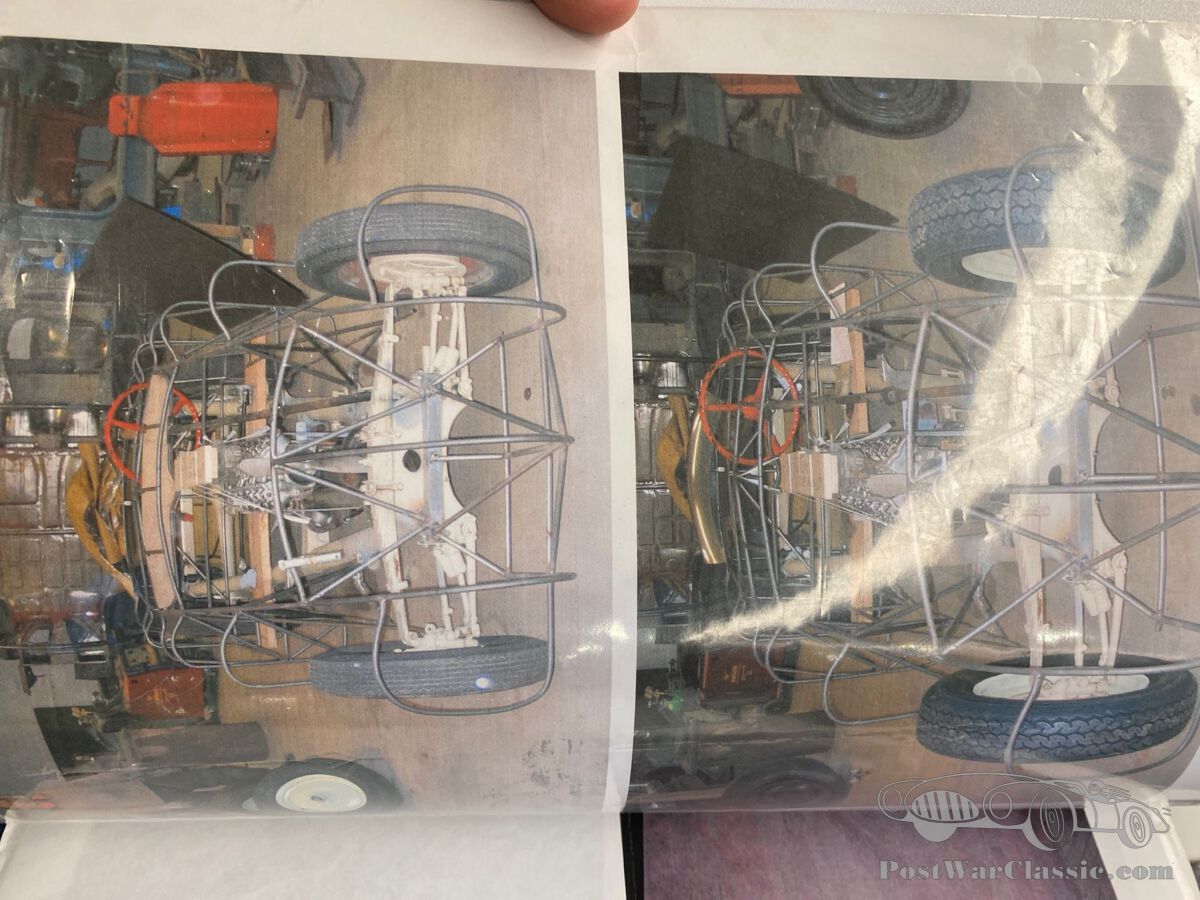
Maybe it's because it stopped building cars in 1953, or maybe it's because it was not a constructor in the completest sense, but Veritas is far from a household name today. However, this beautiful example—actually a very faithful replica—will be representing "Forgotten Marques" at Interclassics Maastricht. This particular car originated as a 1935 BMW 315 Roadster, and its documented history begins on December 30th, 1953. By September, 1956, it was in the ownership of one C. Lagerwij, and in the 1960s it entered the hands of Mr. van Dijk of Amsterdam, in whose possession it remained until 2006. By that time, sadly, it had gone downhill a lot and needed considerable restoration. Andries Jan of Apeldoorn stepped in to resurrect the car, reconstructing it to the exacting specifications of the Veritas 2000 RS. Happily, the original 315 Roadster body even managed to be saved, though it ended up being restored on a different chassis. Fitted with a four-speed Volvo gearbox, a common modification for pre-war BMWs, it is said to be a real joy to drive.
As a testament to the quality of this car's reconstruction, it was even selected for display in an exhibition at the Prototyp Museum in Hamburg. Now, it's guaranteed to be a star at Interclassics Maastricht, which takes place on January 16-19th, 2025. For more information or to buy tickets, visit www.interclassics.events/en/classic-car-show-maastricht.
Published:
Monday December 30th, 2024
Facebook
LinkedIn
Twitter
WhatsApp
Email
Copy