The global magazine and marketplace for classic car enthusiasts, by enthusiasts.


Filter
Make a choice:
- Cars
-
Make >>
-
Year >>
-
- Bikes
-
Make >>
-
Year >>
-
-
Location >>
- Parts & more
-
Make of car >>
-
Manufacturer >>
-
Category >>
-
Countries


Double bubble beauty: ultra-rare Zagato Lancia confirmed for Salon Rétromobile
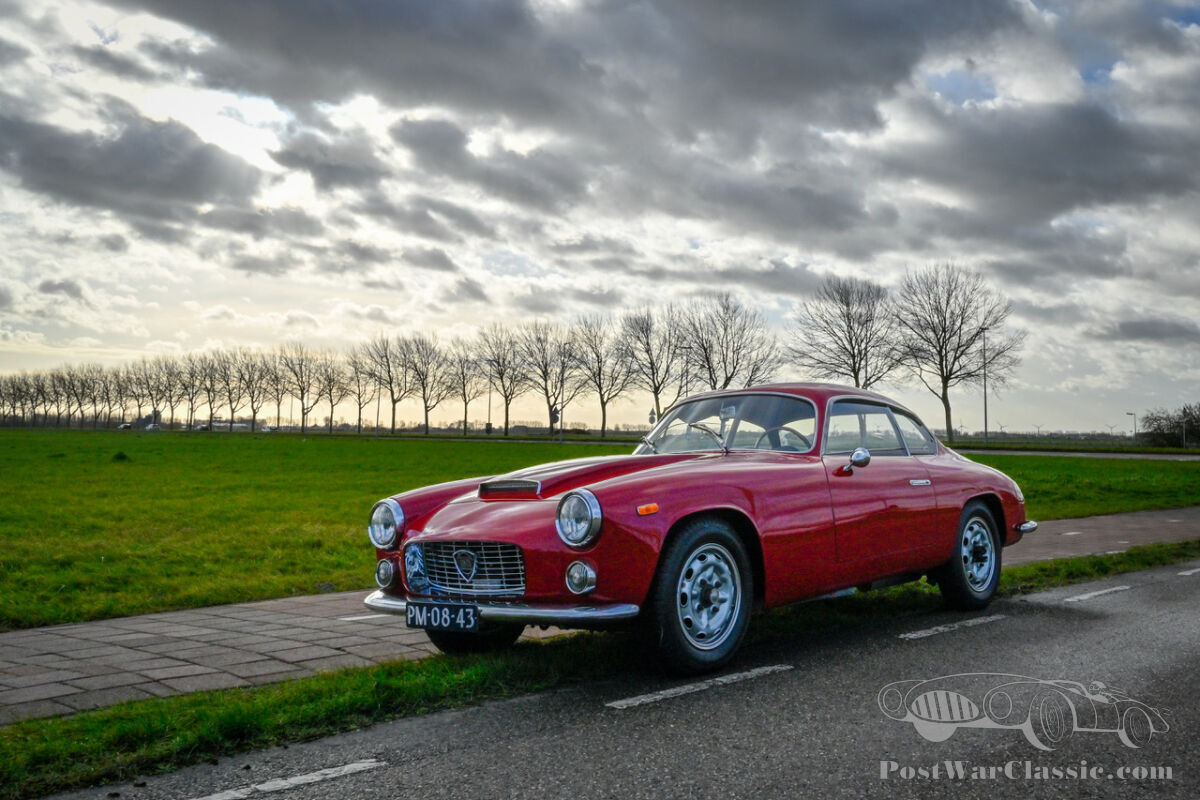
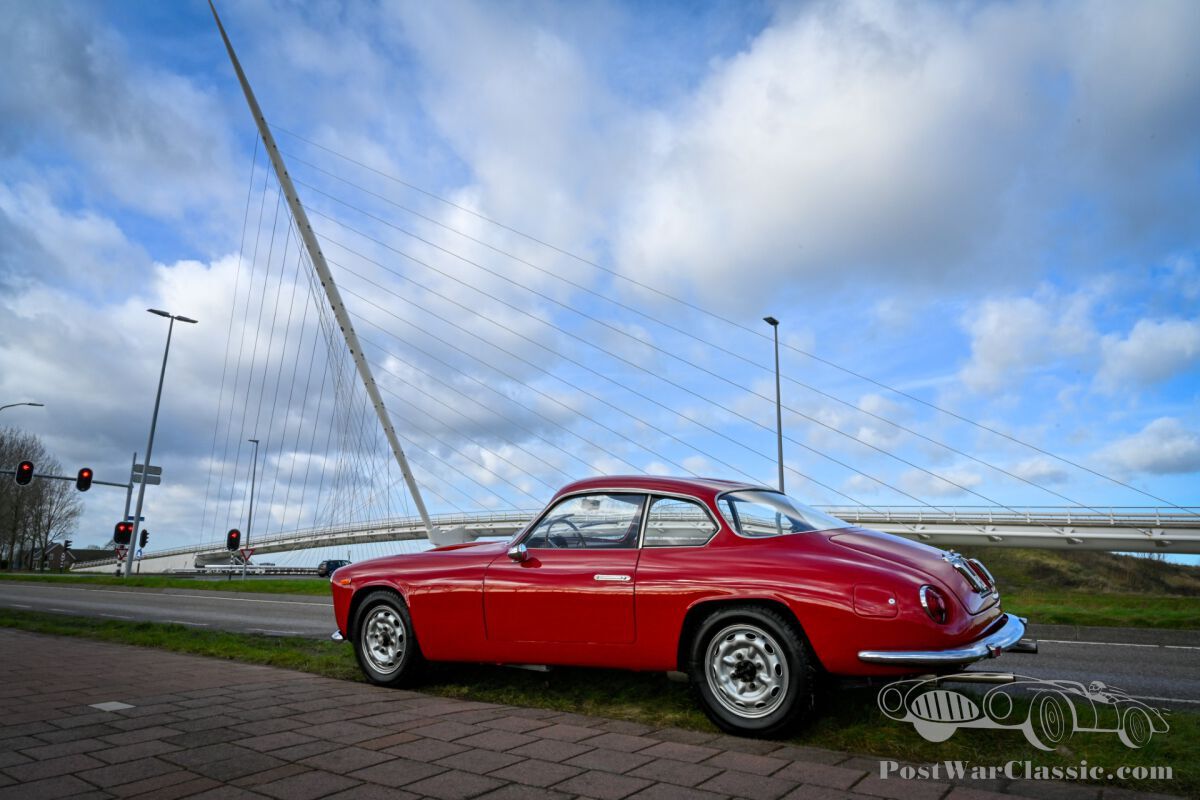
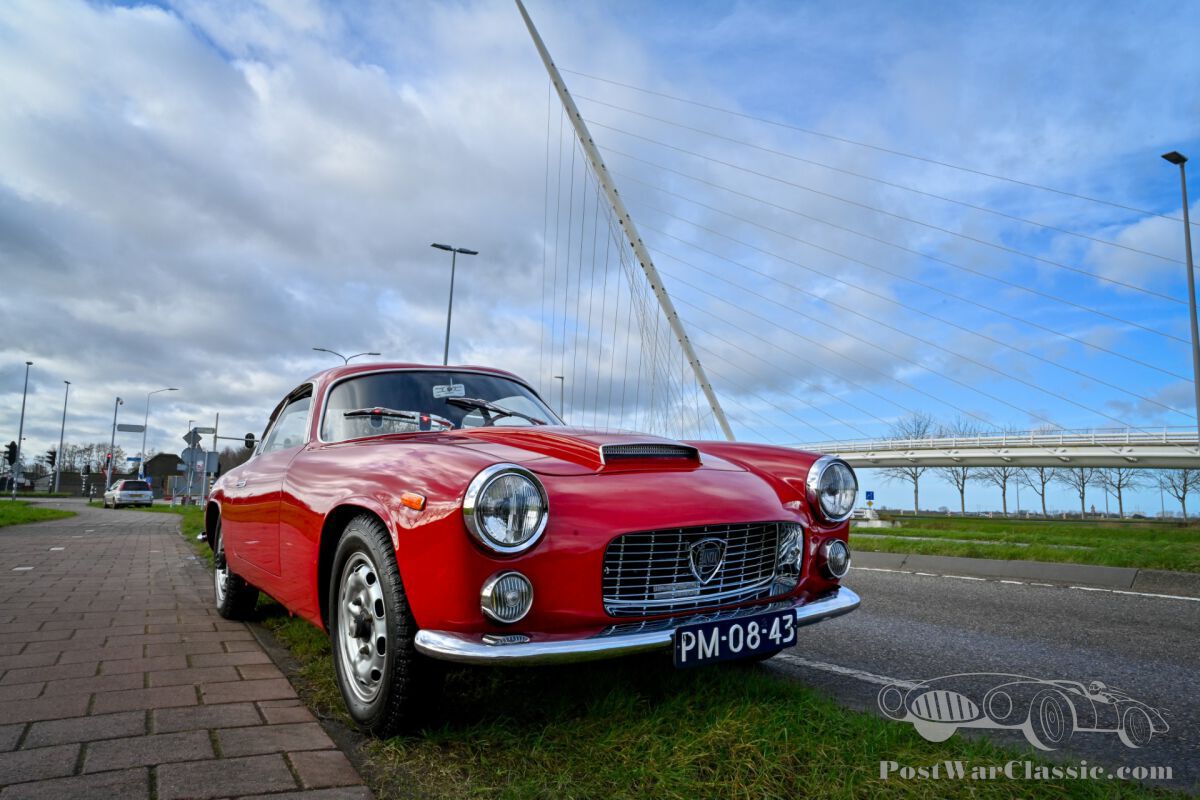
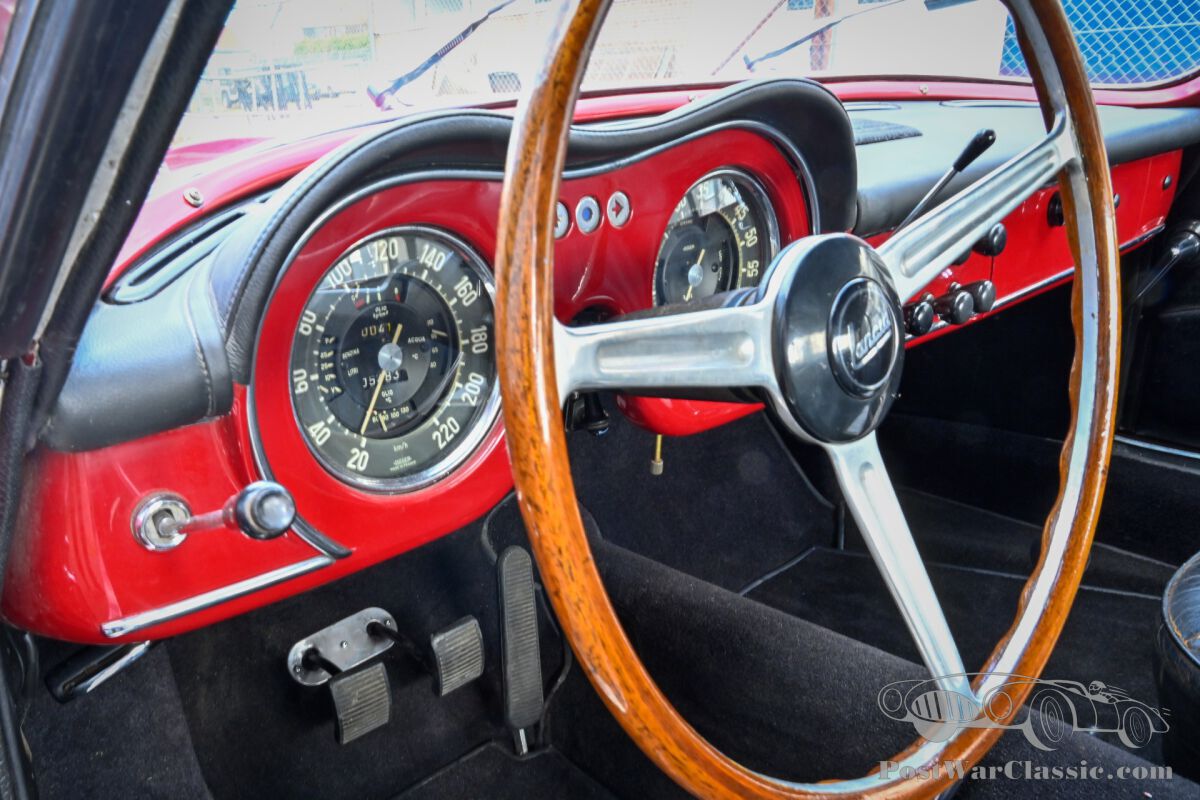
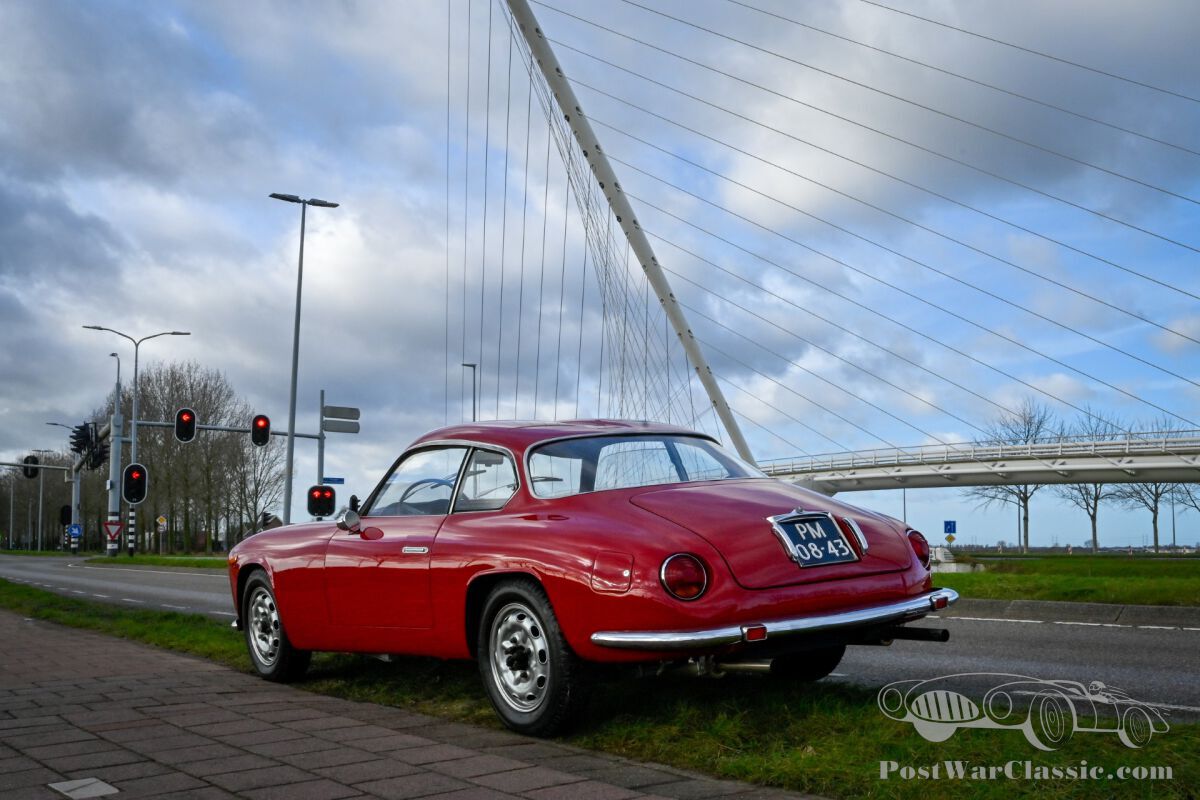
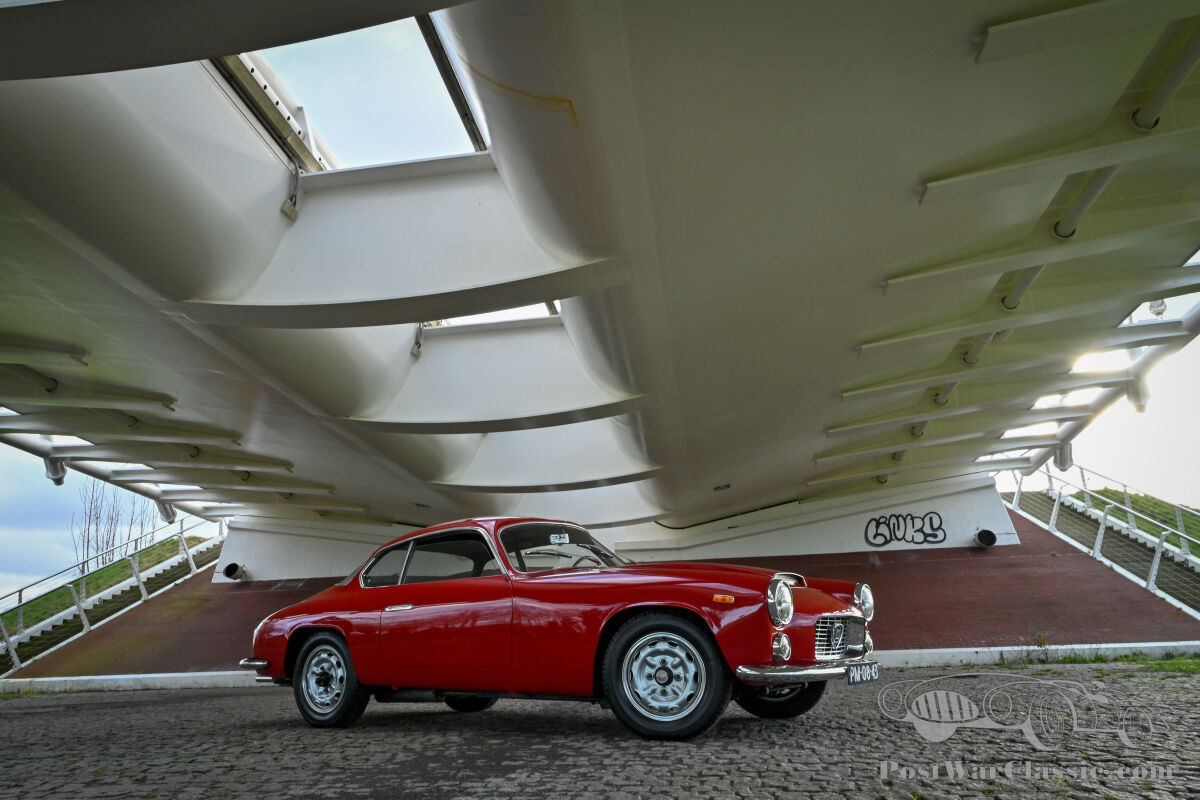
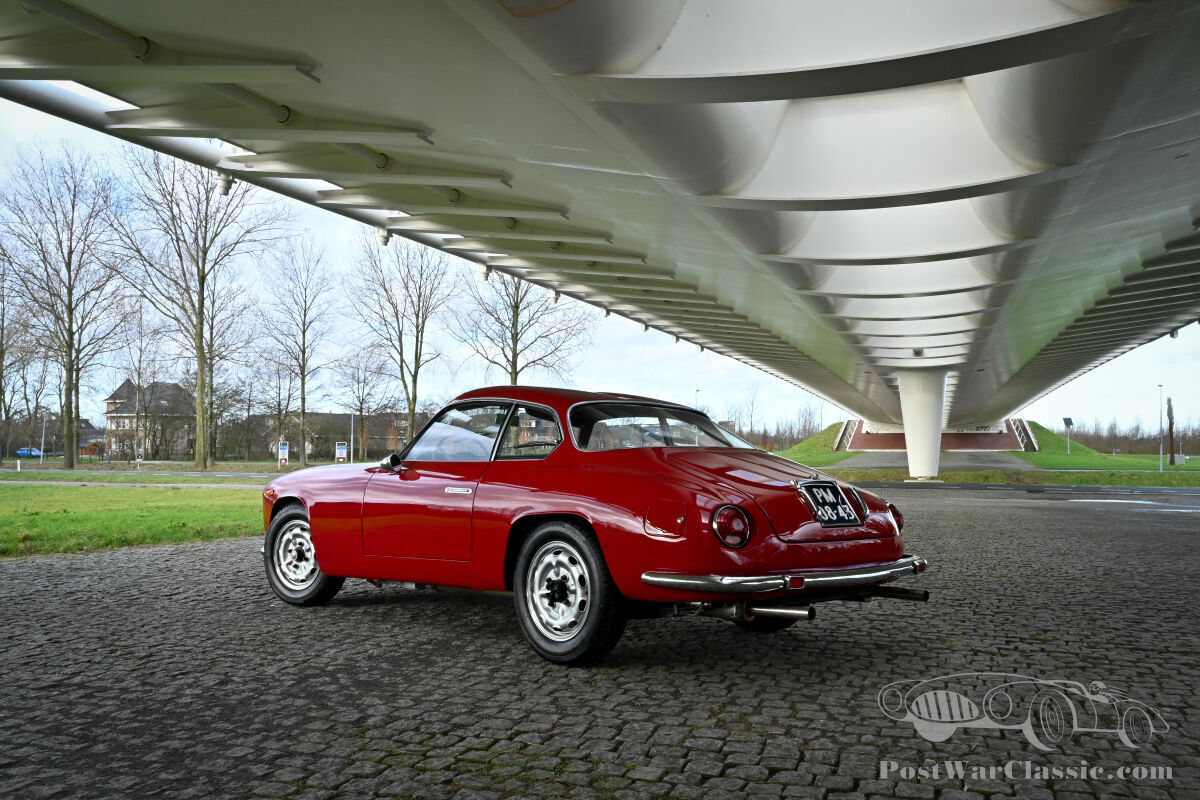
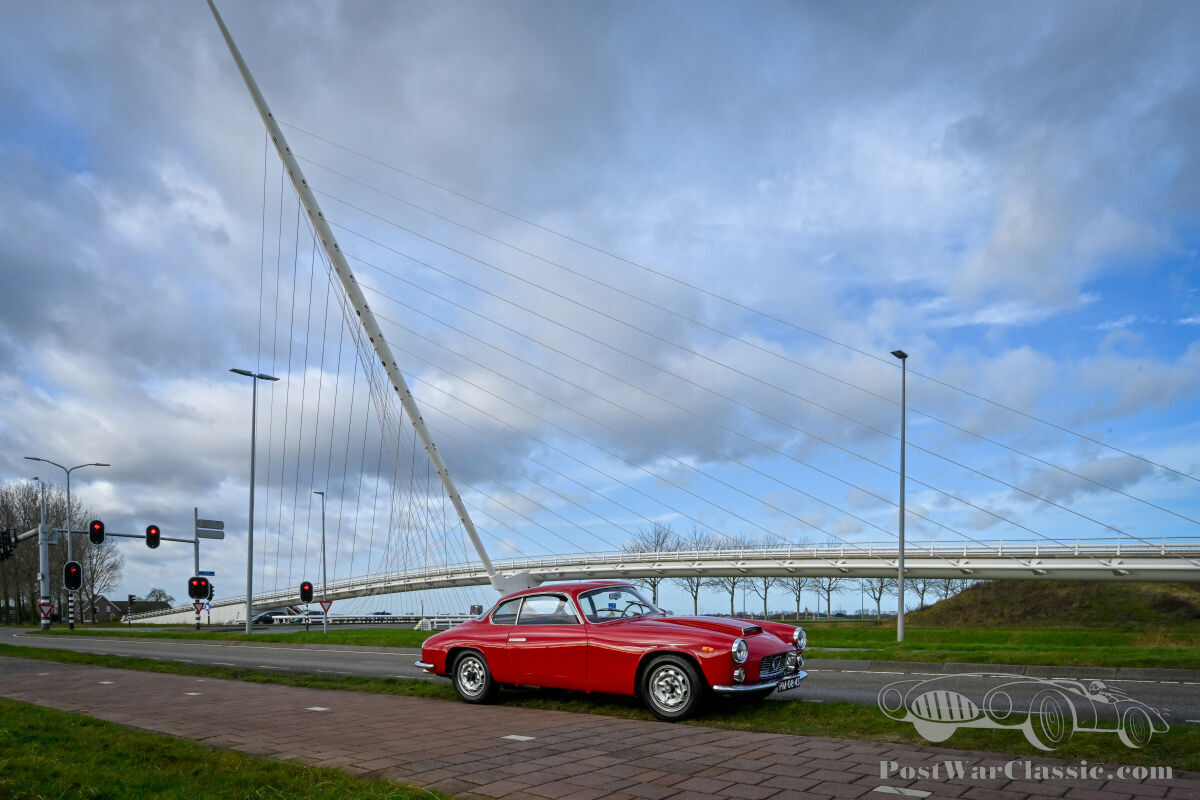


There was never an epoch of elegance quite like the late 1950s and early 1960s in Italy. It was a time when car makers really took pride in their work—Ferraris, Maseratis, Lancias and Alfa Romeos were expertly engineered and built with a craftsmanlike attention to detail—and all the great carrozzerie clothed them in the most graceful couture, as befitted a country which was then venerated as a land of romance, fashion and glamour.
To behold virtually any upmarket Italian car of that period is to enjoy a visual feast, and to take one out on the open road is a treat for all the senses. The Lancia Flaminia Sport Zagato we present here is an outstanding example of the breed. The Flaminia started to take shape gradually from 1955, starting with a prototype saloon built by Pinin Farina on the Lancia Aurelia chassis called the Florida I. A coupé prototype—the Florida II—was shown at the Geneva Motor Show in March, 1956, and then at the Turin Motor Show in April there appeared a car bearing the Flaminia name, but derived from Pinin Farina's Florida styling exercises.
To witness virtually any upmarket Italian car of that period is to enjoy a visual feast, and to take one out on the open road is a treat for all the senses. The Lancia Flaminia Sport Zagato we present here is an outstanding example of the breed. The Flaminia started to take shape gradually from 1955, starting with a prototype saloon built by Pinin Farina on the Lancia Aurelia chassis called the Florida I. A coupé prototype—the Florida II—was shown at the Geneva Motor Show in March, 1956, and then at the Turin Motor Show in April there appeared a car bearing the Flaminia name, but derived from Pinin Farina’s Florida styling exercises.
It was at the 1957 Geneva Show that the production version of the Flaminia débuted, taking the place of the Aurelia as Lancia's flagship luxury model. It was a characteristically sophisticated car, building on precedents set by the Aurelia, which had been the first production car to be sold with radial tyres and also featured one of the earliest production V6s, which by the end of production had been bored-out to 2,451 c.c. The V6 and radials were likewise part of the Flaminia package, but the new model went even further in having synchromesh on all gears and all-round disc brakes. The trademark sliding pillar suspension was dropped, however, with the Flaminia having conventional coil springs and telescopic dampers. This, however, facilitated something even more ingenious—the new suspension formed part of a subframe which allowed the engine to be removed quickly and easily after six bolts had been undone. It also carried forward the Aurelia’s successful approach to the sporty rear axle, incorporating a De Dion setup to enhance handling and weight distribution.
The production saloons and coupés bore a close resemblance to the Florida show cars, which was to be expected, since their design had also been entrusted to Pinin Farina. Lancia also wanted a convertible, for which Touring did the honours, and then there was a question of a sporty version, and that's where Zagato came in. By the mid-1950s, Zagato had established itself as a leading constructor of Gran Turismo bodies, with a seemingly endless list of coachwork commissions for Ferraris, Maseratis, Alfa Romeos and Fiat 8Vs. Naturally, it turned its hand to the Flaminia with beautiful results; the Sport Zagato model was a slippery, aerodynamic GT with the headlamps streamlined by Perspex covers and Zagato's trademark "double bubble" roof. It remained in production until 1967, following a minor facelift in 1960 that did away with the faired-in lights, and substantial revisions in 1964 which saw it renamed the Super Sport Zagato. Throughout that time, it was very much an exclusive car for the discriminating few—just 443 Sports were built during the 1957-64 production run.
This particular early model has the desirable larger 2.8 engine with three carburettors fitted and comes with its original engine separately. It also comes with period lightweight Borani wheels. The original wheels are included with the car and are finished in the correct period light yellow colour.
Obviously, the Sport Zagato is a car you don't see every day, but you can see one at Salon Rétromobile on the PreWarCar.com and PostWarClassic.com stand. We will be displaying a beautiful 1960 example, one of the first of the facelifted models, in the lovely combination of rosso corsa with its original black leather interior, and it could be yours to take home.
Obviously, the Sport Zagato is a car you don't see every day, but you can see one at Salon Rétromobile on the PreWarCar.com and PostWarClassic.com stand. We will be displaying a beautiful 1960 example, one of the first of the facelifted models, in the lovely combination of Rosso Arcoveggio, a shade named after the Arcoveggio horse racing track in Bologna, with its original black leather interior, and it could be yours to take home.
That's not all. It will be displayed alongside a freshly-restored 1927 Amilcar C6, plus a 1903 Peugeot Bébé and 1934 Bugatti Type 57 Stelvio, both of which are outstandingly original. Salon Rétromobile takes place in Paris at the Expo Porte de Versailles from February 5th to 9th. Come and find us there(Stand 1 R022).
For more information or to book tickets, visit www.retromobile.com.
Published:
Friday January 31st, 2025
Facebook
LinkedIn
Twitter
WhatsApp
Email
Copy
Comments
David Rex Pengilly
02 February 2025, 11:17
This year fewer than 200,000 visitors are expected and no major European or American manufacturers are attending.
Back in the day attendance numbers of more than 700,000 and sometimes closer to 800,000 were the norm.
Perhaps this reflects a verdict on how dull and awful modern cars have become. Ugly, vulgar designs with none of the true elegance and glamour of yester-year.