The global magazine and marketplace for classic car enthusiasts, by enthusiasts.


Filter
Make a choice:
- Cars
-
Make >>
-
Year >>
-
- Bikes
-
Make >>
-
Year >>
-
-
Location >>
- Parts & more
-
Make of car >>
-
Manufacturer >>
-
Category >>
-
Countries


Building the Canadian-Hungarian-Italian-German Indra


In the wake of Lamborghini’s unveiling of the Miura in 1966, responses came from almost every corner of sports car-mad Italy. Maserati, Ferrari and Alfa Romeo all produced their own answers, but it was the cottage manufacturers that perhaps enjoyed the greatest surge in popularity. The Italian coachbuilders created cars so futuristic that many still would not look out of place in a science fiction film today. Yet it was the small marques operating on the fringes that truly gave colour to the Italian automotive landscape. What Etceterini had been in the 1950s, low-volume supercar manufacturers became in the following decade. De Tomaso launched the Pantera with Ford’s backing, while LMX, ATS, Iso, Serenissima and Bizzarrini all added their own distinctive flavour.
Then there was Intermeccanica. Its driving force, however, was not Italian by birth. Frank Reisner was a Canadian of Hungarian descent who built his first car in 1957. Two years later he married Paula, and the couple chose Italy for their honeymoon. They enjoyed it so much that they decided to stay. Reisner subsequently built a small racing car for tuner Giannini, before founding Construzione Automobili Intermeccanica in 1960. His first project was a compact coupé using Steyr-Puch mechanicals, built in limited numbers. Things became more serious when International Motor Cars of California asked Reisner to help develop what became the handsome Apollo, powered by a 3.5-litre Buick V8 beneath Italian coachwork. A succession of fascinating curiosities followed, including Mustang estates, the Griffith GT, Murena GT, Phoenix and Veltro, before the Intermeccanica Italia became the success Reisner had hoped for.
Then Opel came knocking in 1969. The German manufacturer was desperately seeking an image boost, and its ambitious head of sales, Bob Lutz, approached Reisner for help. Together they decided to develop a modernised version of the Italia, now powered by either a Chevrolet V8 or an Opel straight-six, with the independent rear suspension from the Opel Diplomat and the necessary visual links to Opel. Franco Scaglione was commissioned to style the car and, in November 1970, the first Intermeccanica Indra made its debut, named after a popular nightclub in Hamburg.
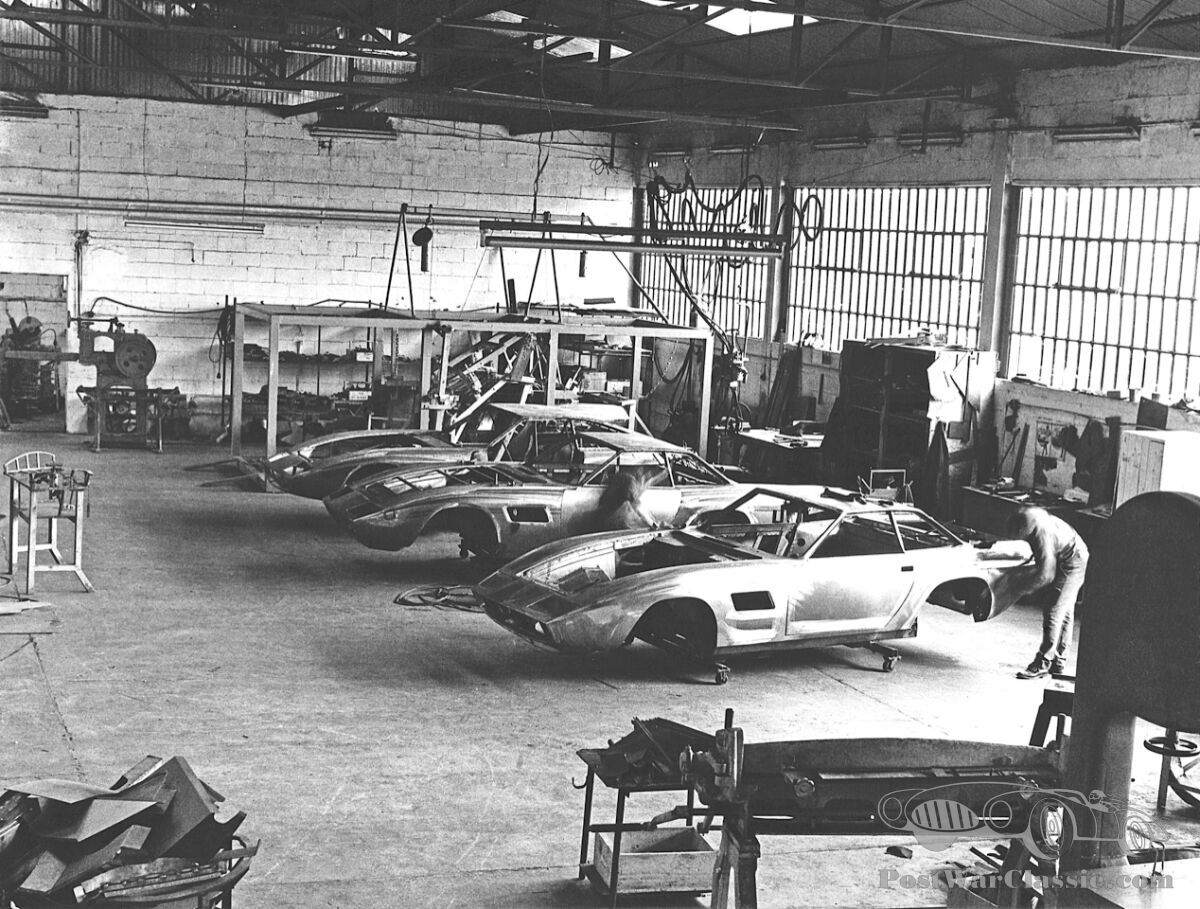
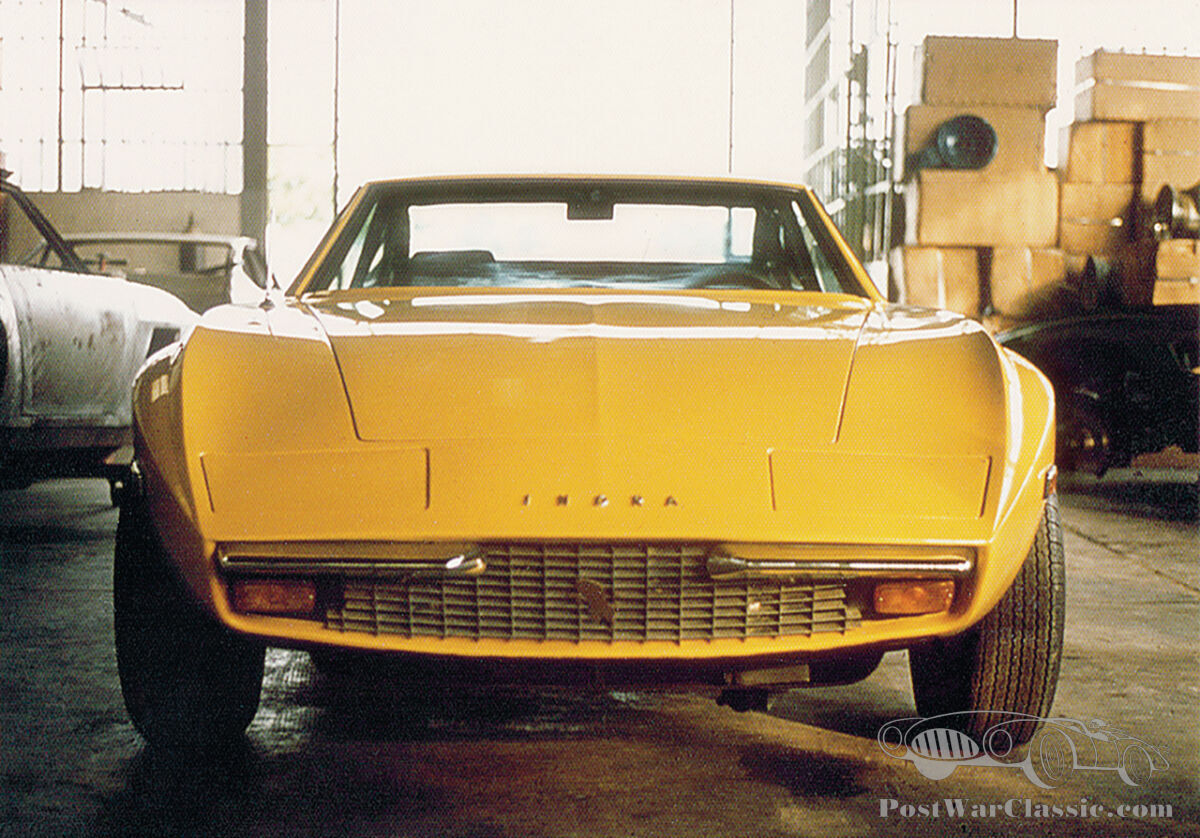
The first 24 cars were built entirely by hand before the production line came into operation, eventually turning out two cars a week. We believe it is that early phase which is captured here, with three Indras under construction in Turin and the yellow example probably having just emerged from the paint shop — note the overspray on the left-hand front tyre. Matters became considerably more complicated when Erich Bitter entered the picture and persuaded Opel to support a similar sports car based on the Diplomat. A lengthy legal battle followed, eventually ending in Reisner’s defeat. By then, however, he had built 128 Indras before deciding to relocate to the United States.
Words: Jeroen Booij; Picture: Intermeccanica
Published:
Tuesday July 14th, 2026
Facebook
LinkedIn
Twitter
WhatsApp
Email
Copy