The global magazine and marketplace for classic car enthusiasts, by enthusiasts.


Filter
Make a choice:
- Cars
-
Make >>
-
Year >>
-
- Bikes
-
Make >>
-
Year >>
-
-
Location >>
- Parts & more
-
Make of car >>
-
Manufacturer >>
-
Category >>
-
Countries


Lightning LeaF: the 100mph prototype from 1948
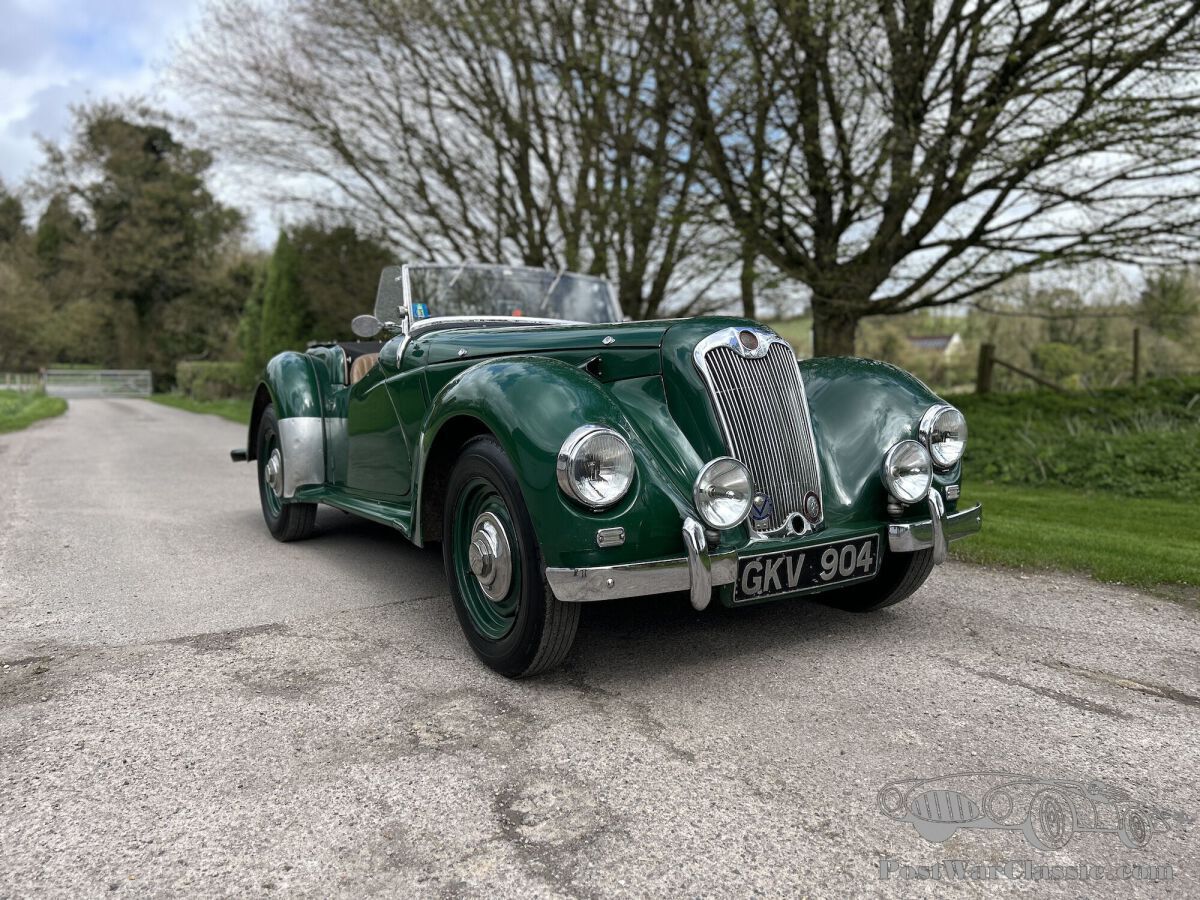
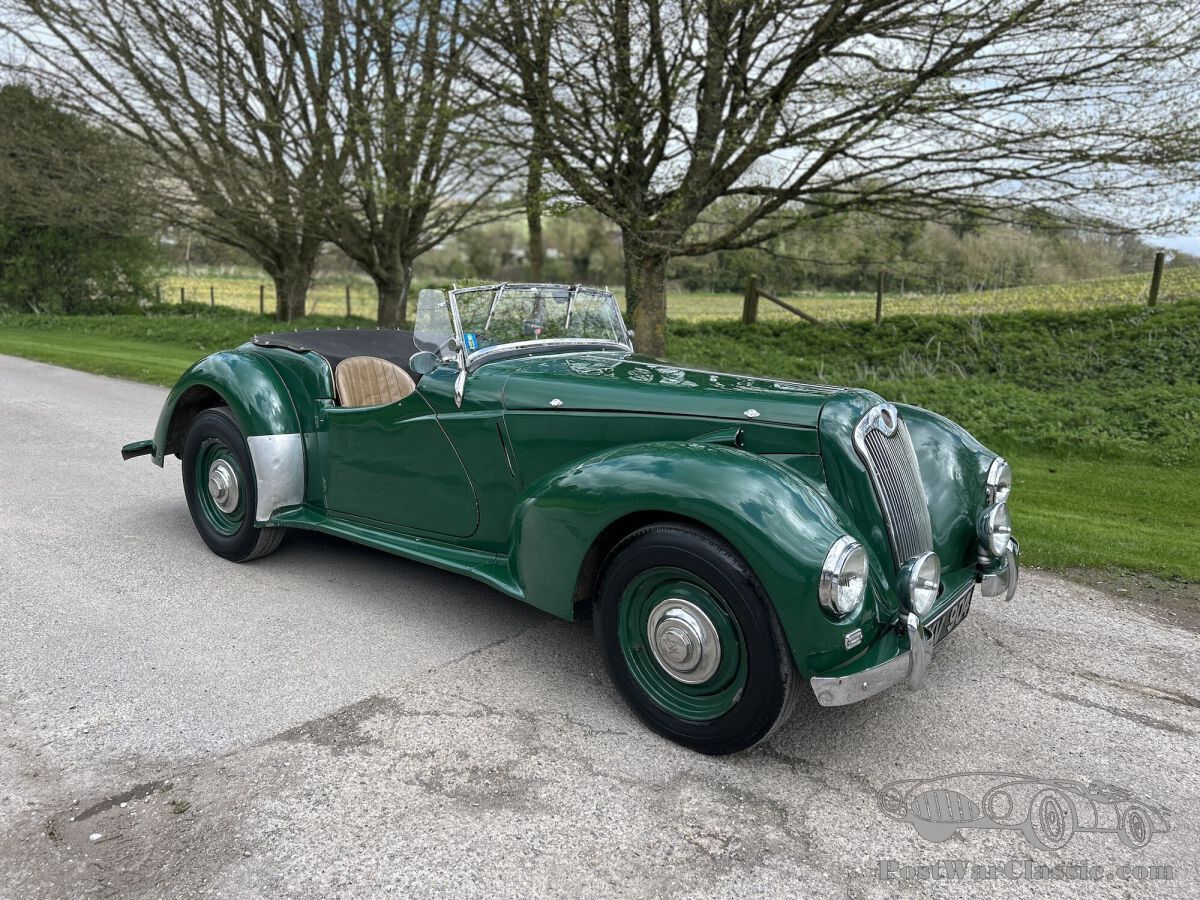
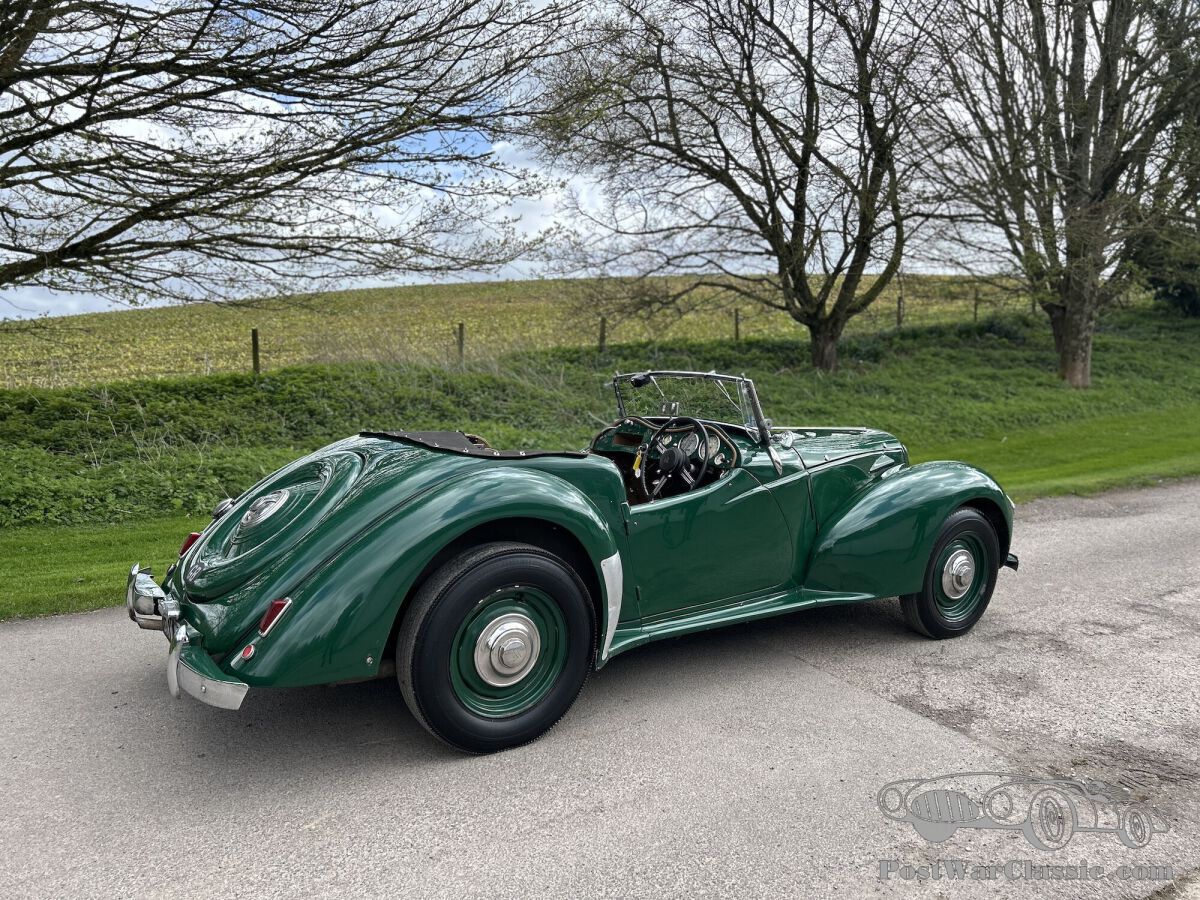
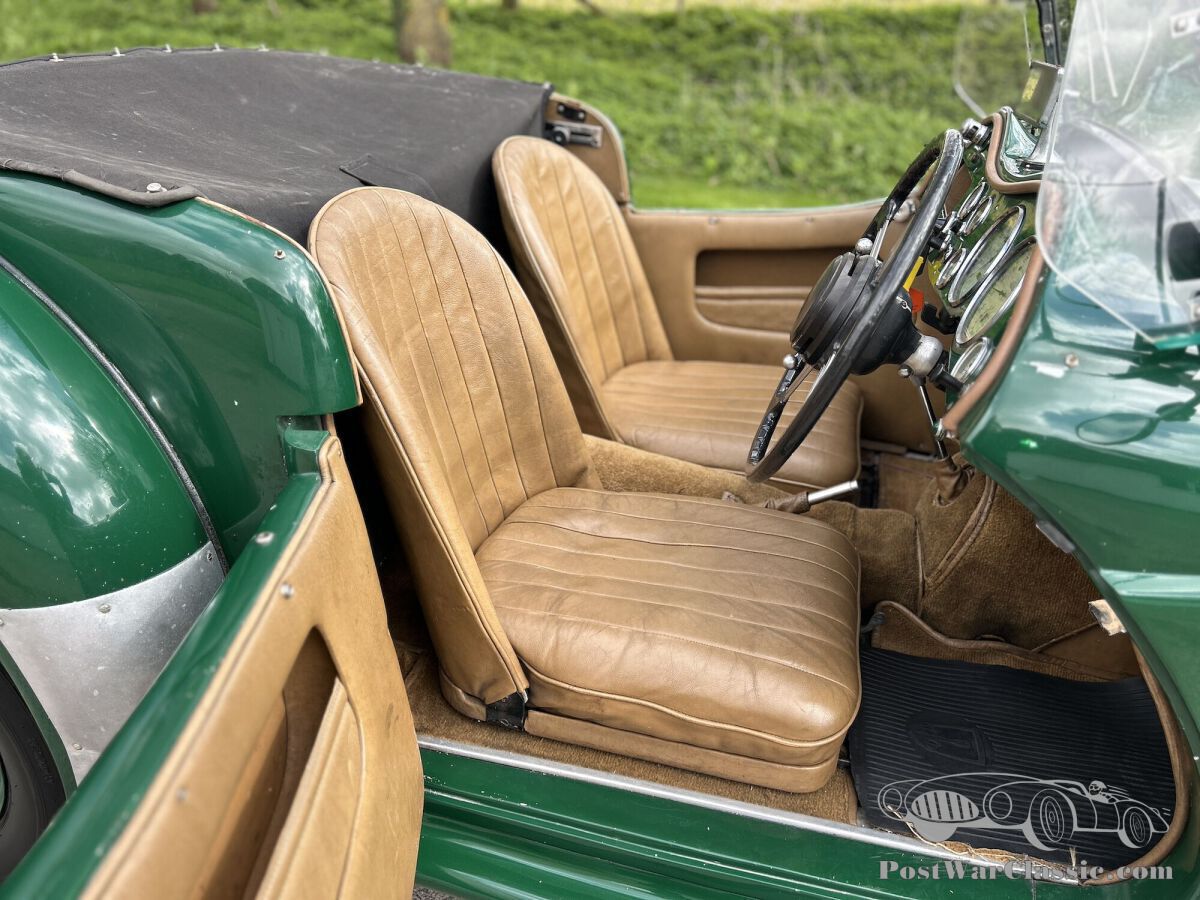
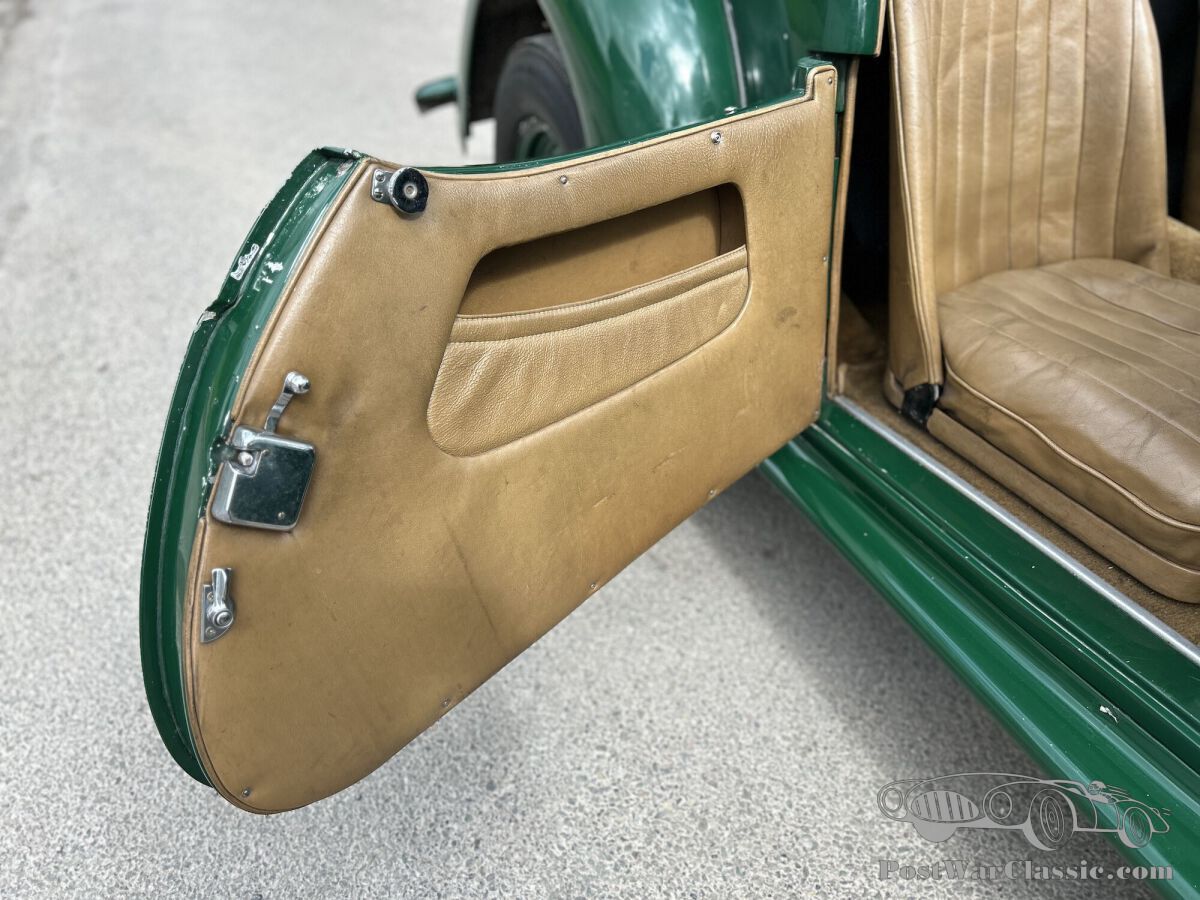


For motor-minded Britons, the post-war years must have been a time of long-overdue excitement. The enthusiast's joy at reading about and seeing new models in the 1930s had been put on hold while Europe dragged itself through six years of hell, but with Britain's car-makers racing to put their first post-war models into production, 1948 and 1949 brought an exciting bumper crop. Of course, the majority were just ordinary, pipe-and-slippers family saloons, several of them still very much reliant on pre-war technology, but in the car-making centre of Coventry things were progressing fast.
Of all the new models, it was the Jaguar XK120 which really stole the show, the graceful 3.4-litre two-seater famously being the world's fastest production car with a top speed of 120 mph, but that was all very much in keeping with Jaguar's œuvre. Arguably more interesting was the graceful four-seater which was soon to emerge from a small factory right in the heart of Coventry: the Lea-Francis 2½-Litre Sports.
Before the war, Lea-Francis had only produced one really competitive sports model, the Hyper, at the end of the Vintage era. A few of its Post-Vintage models received some rather dashing coachwork but, all things considered, Lea-Francis's reputation was built on quality and a modest degree of luxury, but not on performance. Its first post-war model, the 14hp saloon, was an evolution of the pre-war 14 and fundamentally a pipe-and-slippers model, albeit a very capable one that could hit 75 mph. From 1947, a sports version was produced in very small numbers, paving the way for the arrival of the 2½-Litre in 1949.
Independent thinking
The car we're looking at here has had a dual identity. Its chassis (number 196, continuing the count started with the pre-war 14s) was manufactured in July, 1947, and fitted with torsion-bar independent front suspenion, which marked the first application of independent suspension on any Lea-Francis. It received a high-performance version of the 12hp engine, as was originally used in the earliest 14hp Sports before an adequate stock of 14hp engines was made available, and thus became the very first 14hp Sports prototype. However, development paused when it was decided that the production model should use a beam axle, so a second prototype was constructed using that less advanced arrangement. Chassis 196 donated its engine to prototype number two and remained unbodied.
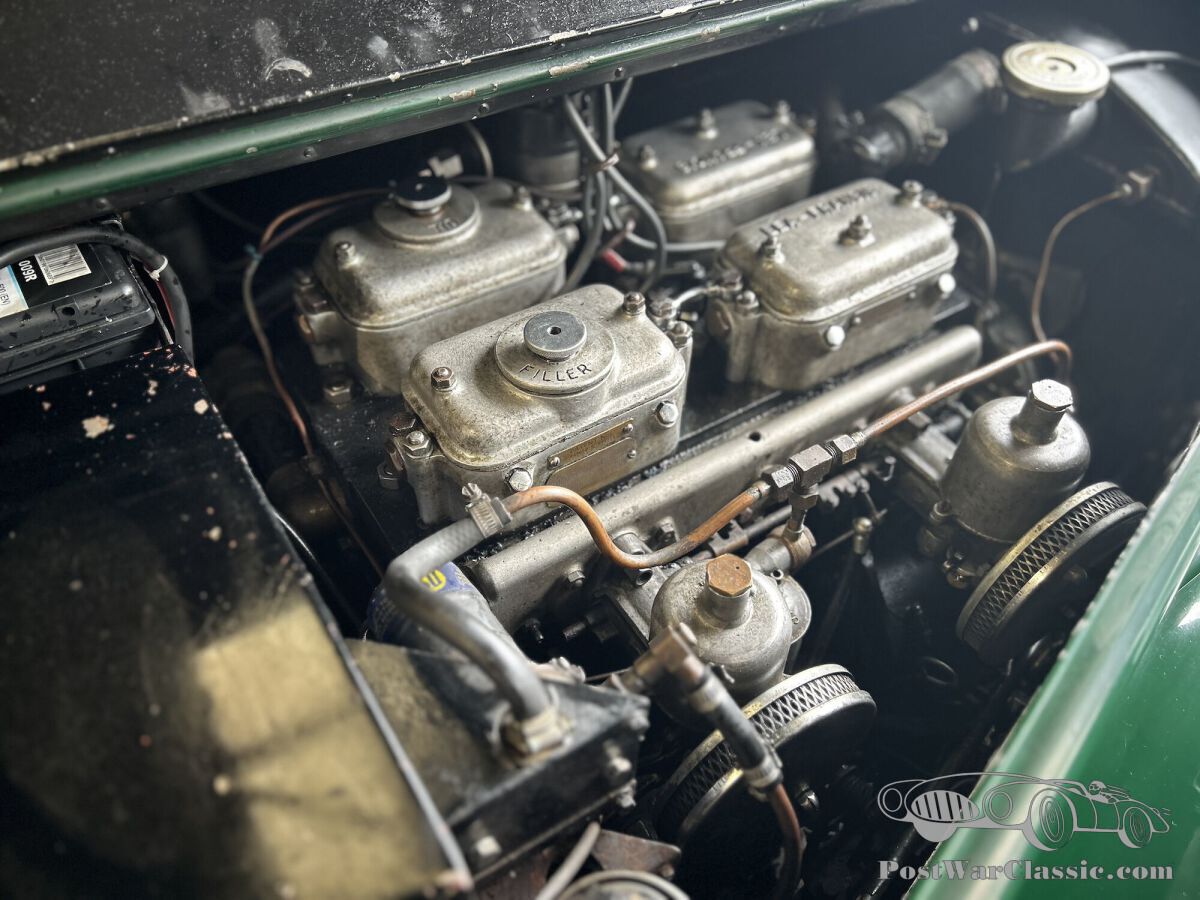
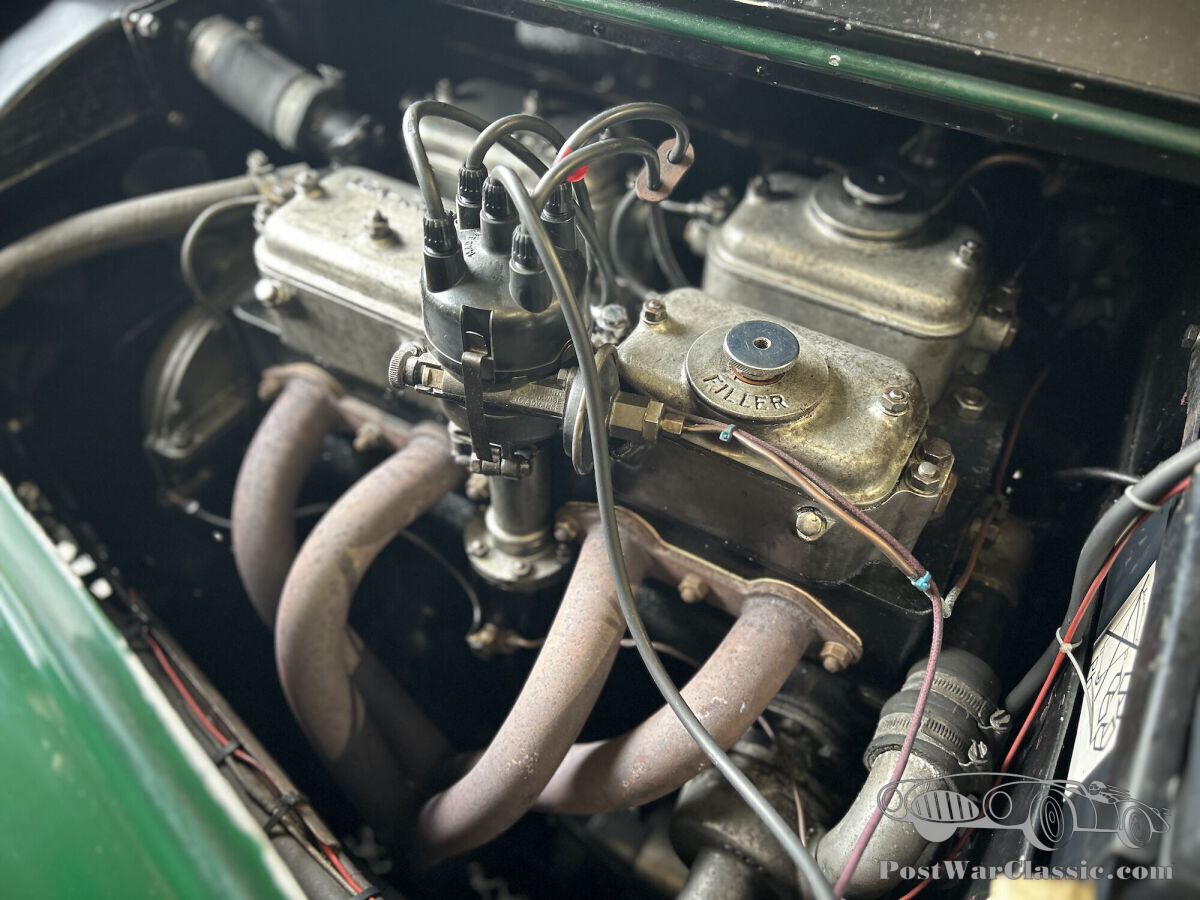
That was by no means the end for the skeleton of 196. It remained at the works and, in early 1948, was blessed to receive the very first 2,496 cc engine, number 5001. The chassis was renumbered 5000, and development moved on apace. The factory used 5000 for experimenting with single and twin SU carburetter set-ups and different axle ratios, while it retained its original independent front suspension. The machine took to the road for the first time in May, 1948, eighteen months before the 2½-Litre Sports would reach production. As a prototype, it was fitted with the existing style of 14hp Sports body, which many enthusiasts regard as having better lines than the slightly revised body that was developed for the production 2½-Litre Sports. It was displayed as a demonstrator alongside the first production 2½-Litre at the 1949 Motor Show, and was kept as a works demonstrator for several years thereafter.
With twin SUs and a high-lift camshaft, the 2½-Litre Sports was a true high-performance, four-seat grand-tourer, and one of only a tiny number of cars capable of exceeding 100 mph in 1949. It was a worthy competitor against any Jaguar, although Browns Lane did not really offer a direct rival, the XK120 being more of an outright sports car and the Mk. V a heavier, slower, fully-furnished gentleman's carriage. Worthy, but not feasible: being hand-built in small numbers, the Lea-Francis was more expensive to buy than the glamorous XK, and production ended in 1953 after just 85 had been produced.
More interesting than a Jaguar?
Today, of course, the XK120 has far greater mainstream collectability, which is why the 2½-Litre Sports represents a more interesting addition to the garage of the discerning enthusiast, and if you buy one you're unlikely to be disappointed. It just so happens that there's a 2½-Litre for sale right now with Robin Lawton, and not just any 2½, but the prototype, no less.
Its history post-Motor Show is just as interesting as its early development. While it remained a demonstrator, it received a number of gearboxes. Its second gearbox was installed when the prototype engine 5001 was fitted, and it thereafter received a third and finally, in April, 1952, a fourth, one criticism of the car being that the Armstrong Siddeley gearboxes used were not designed to cope with the copious torque of Lea-Francis's big four, Armstrong Siddeley having intended them for its own six-cylinders.
Nevertheless, it proved satisfactory to Trevor Guy, of the famous Wolverhampton lorry-making business, who was likely its first private owner, having traded in his old SS 100 in order to get his hands on it. By 1974, it was due an overhaul, which was eventually completed in the early 1990s by A. B. Price Ltd., which had owned the rights to Lea-Francis since 1963.
Presenting beautifully, its 30-year-old restoration is still in excellent condition and its two engines are in fine fettle (a later unit, 5363, is installed in the car but prototype engine 5001 has been preserved alongside it). The whole car, we're sure, will provide its next owner with no end of enjoyable motoring. If you fancy yourself as the next owner of this very special and historic car, register your interest with Robin Lawton now. Click here for more information.
Published:
Monday April 15th, 2024
Facebook
LinkedIn
Twitter
WhatsApp
Email
Copy