The global magazine and marketplace for classic car enthusiasts, by enthusiasts.


Filter
Make a choice:
- Cars
-
Make >>
-
Year >>
-
- Bikes
-
Make >>
-
Year >>
-
-
Location >>
- Parts & more
-
Make of car >>
-
Manufacturer >>
-
Category >>
-
Countries


Live from the centre of the classic car world: Salon Retromobile 2025
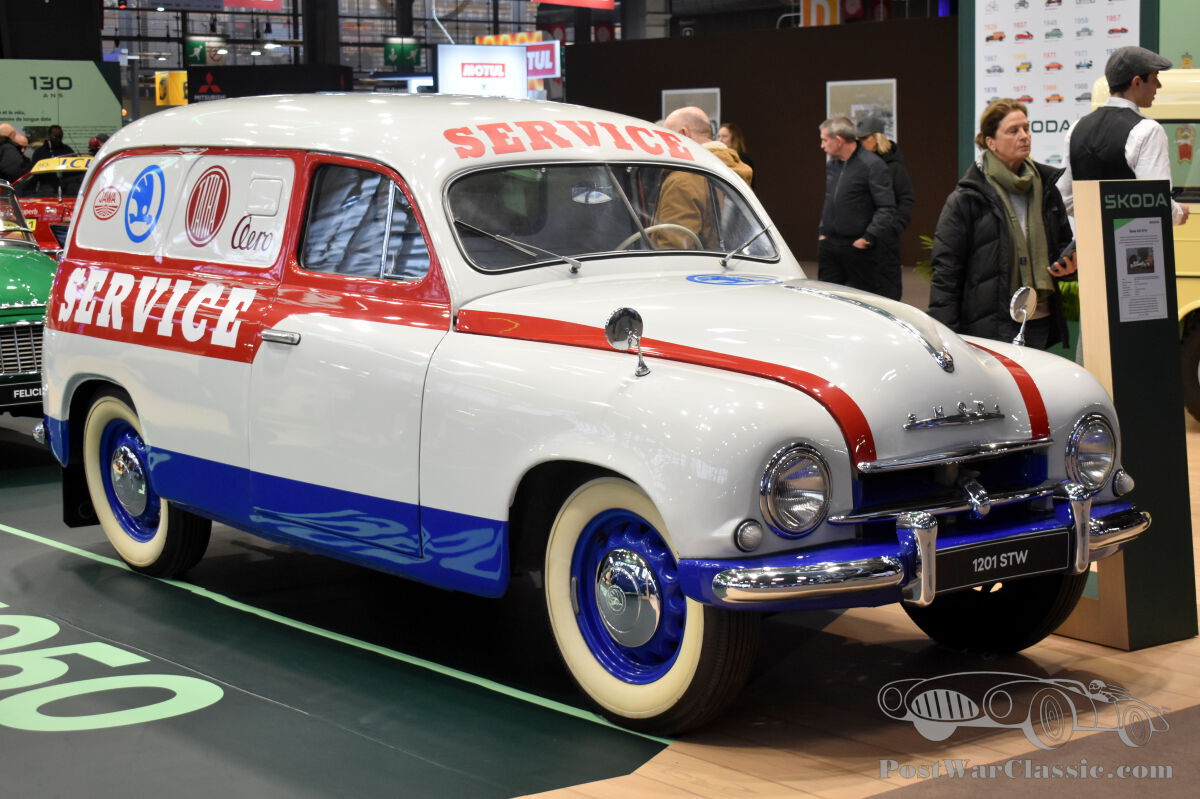
Škoda's charmingly toy-like 1201 van
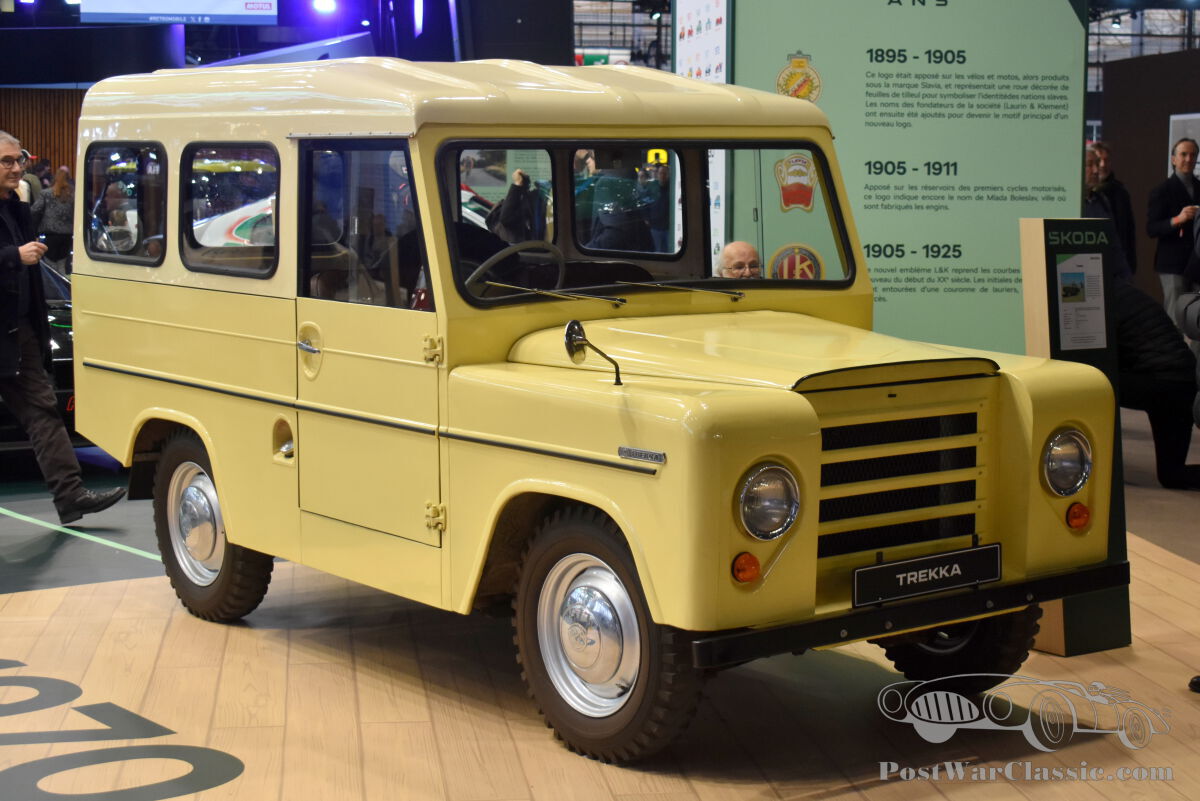
We're quite sure nobody expected to come across this strange Škoda Trekka
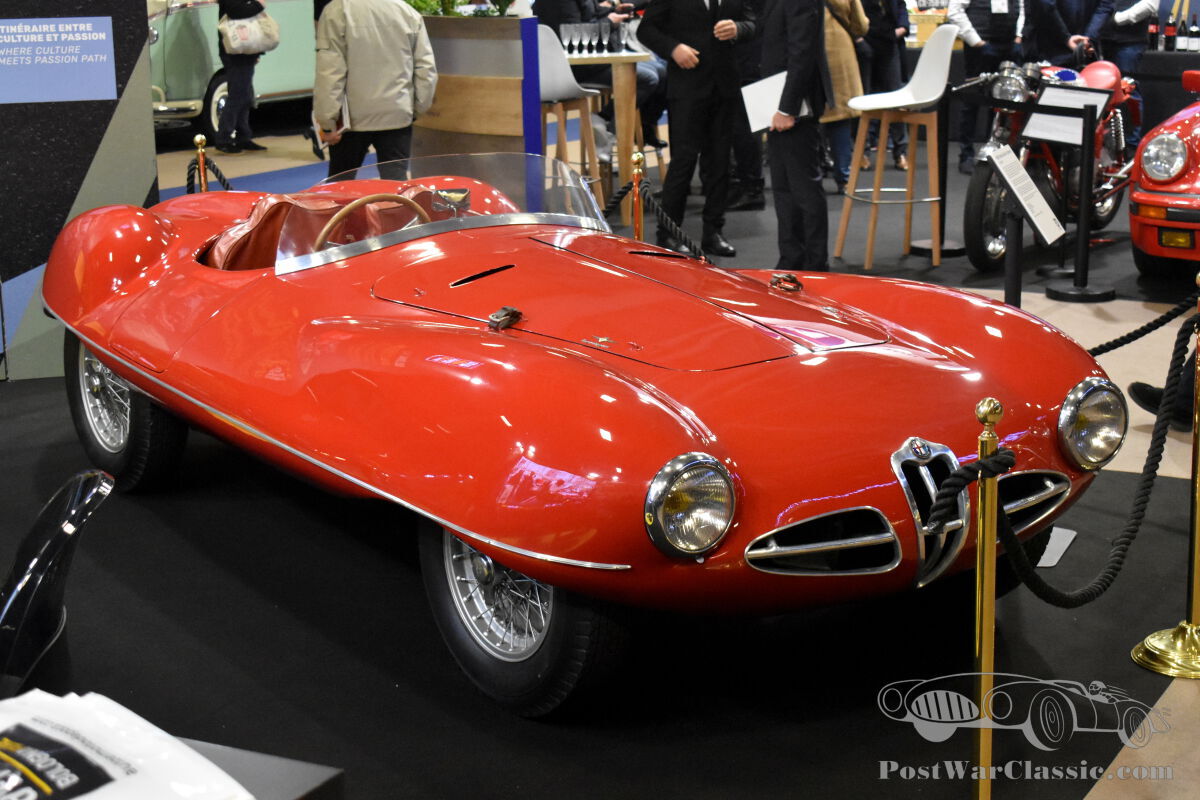
The exquisite Alfa Romeo Disco Volante from the Museo Nazionel dell'Automobile
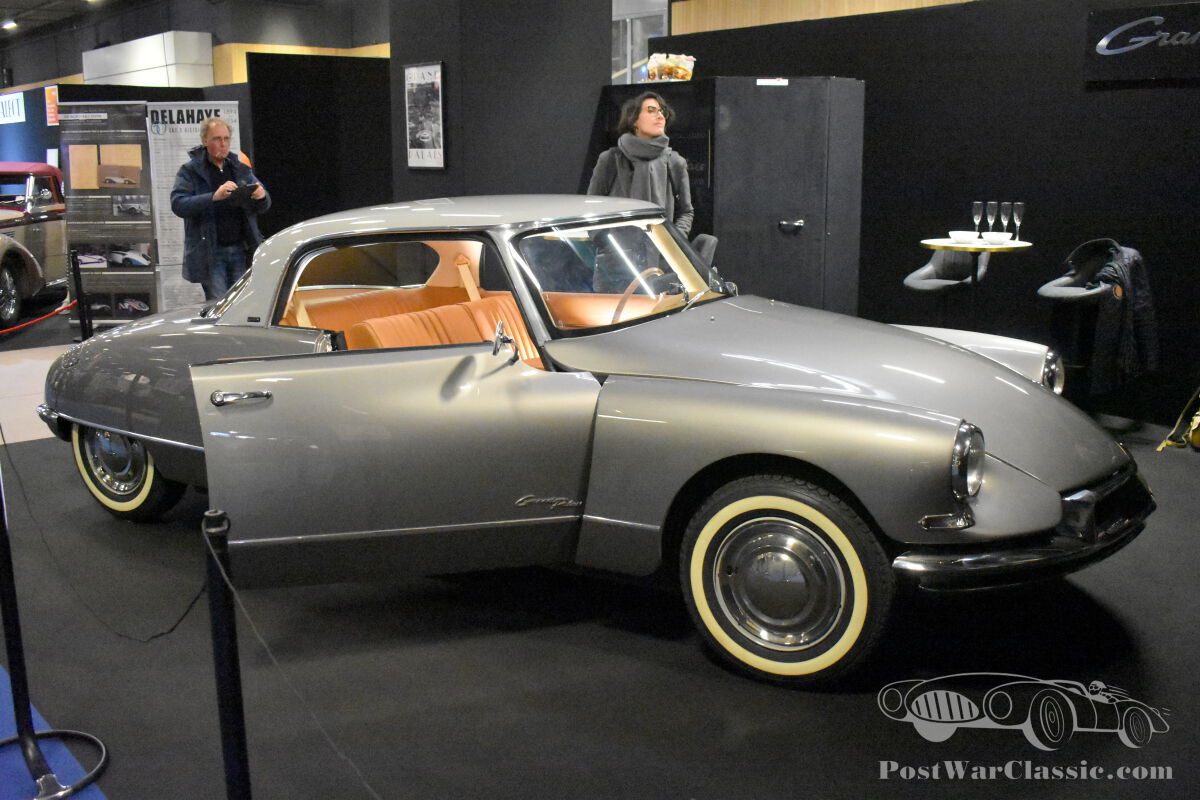
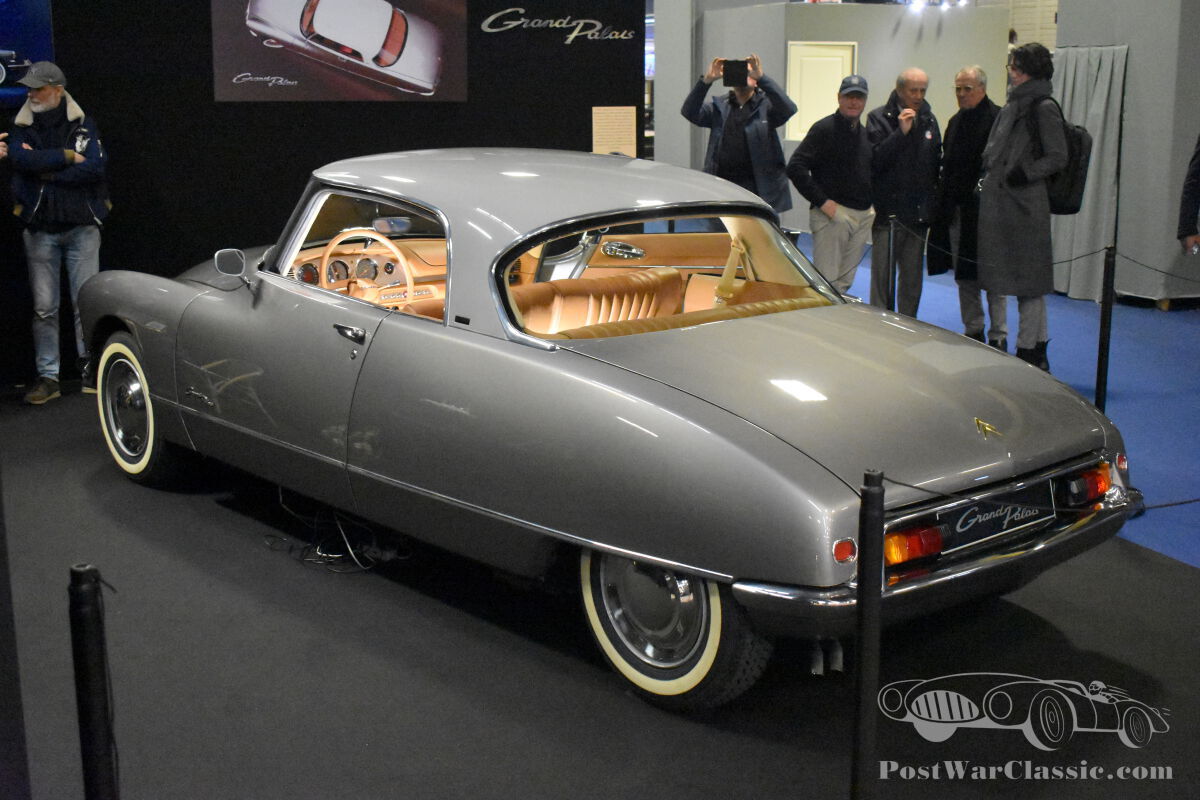
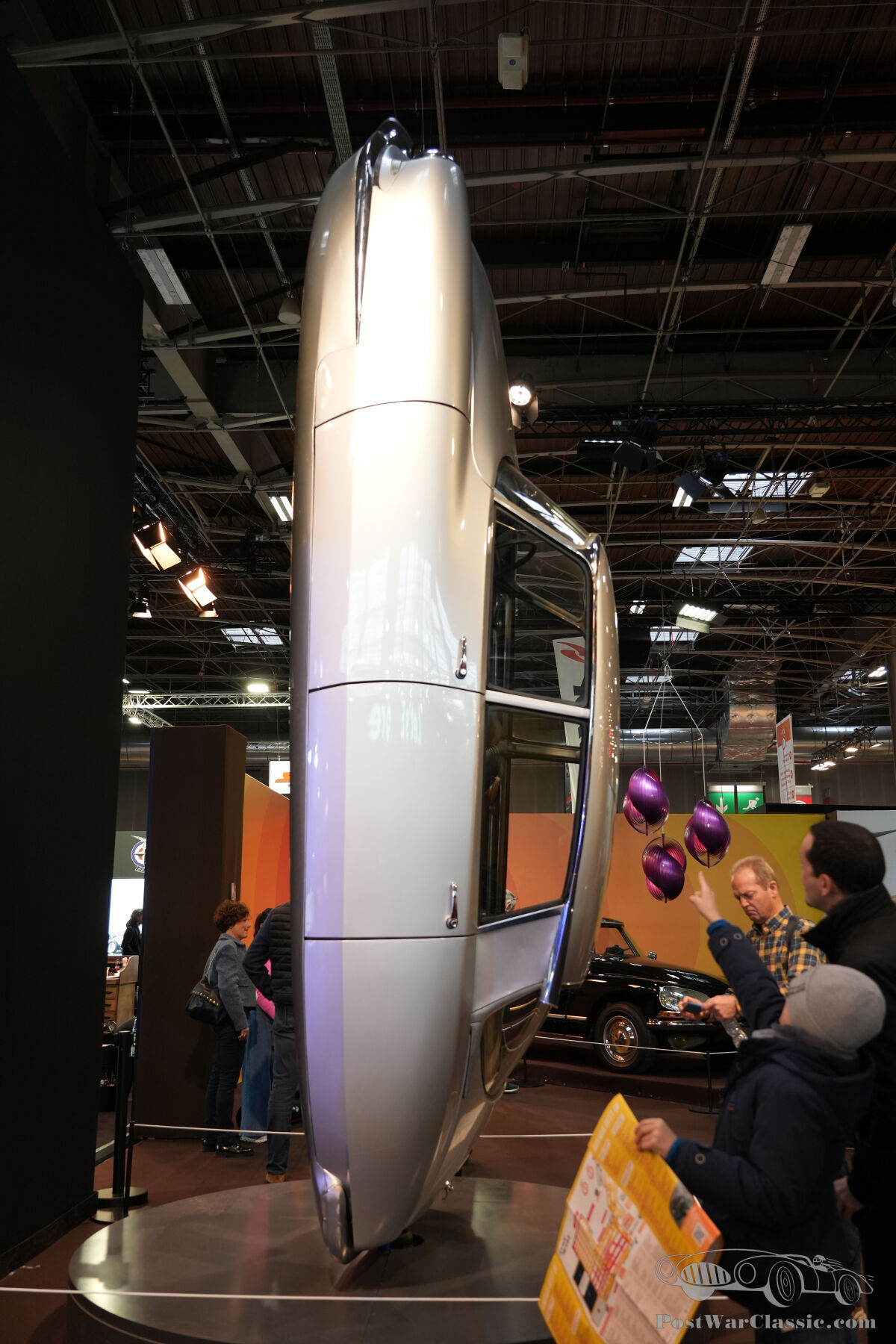
The perfect beauty of the Citroën DS Grand Palais
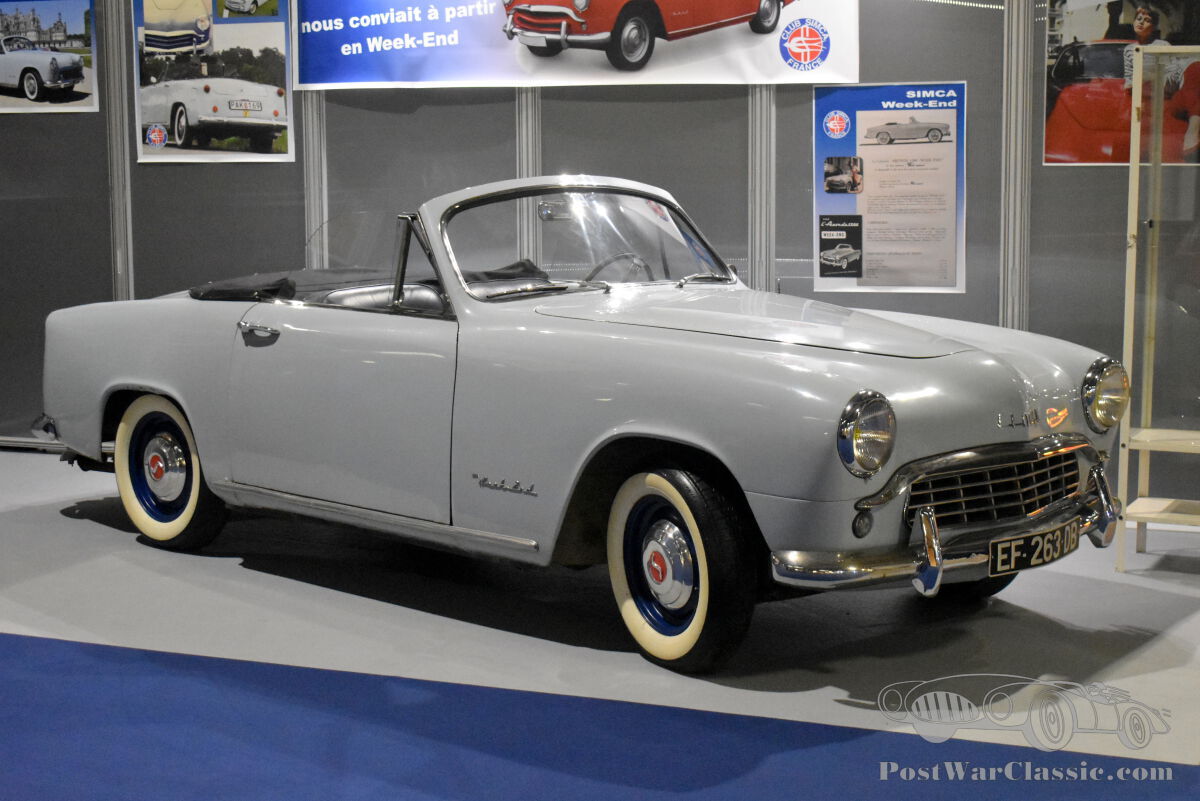
Bardot's beauty: Simca Aronde Week-End would be a delightful cruiser both for Paris boulevards and the Riviera
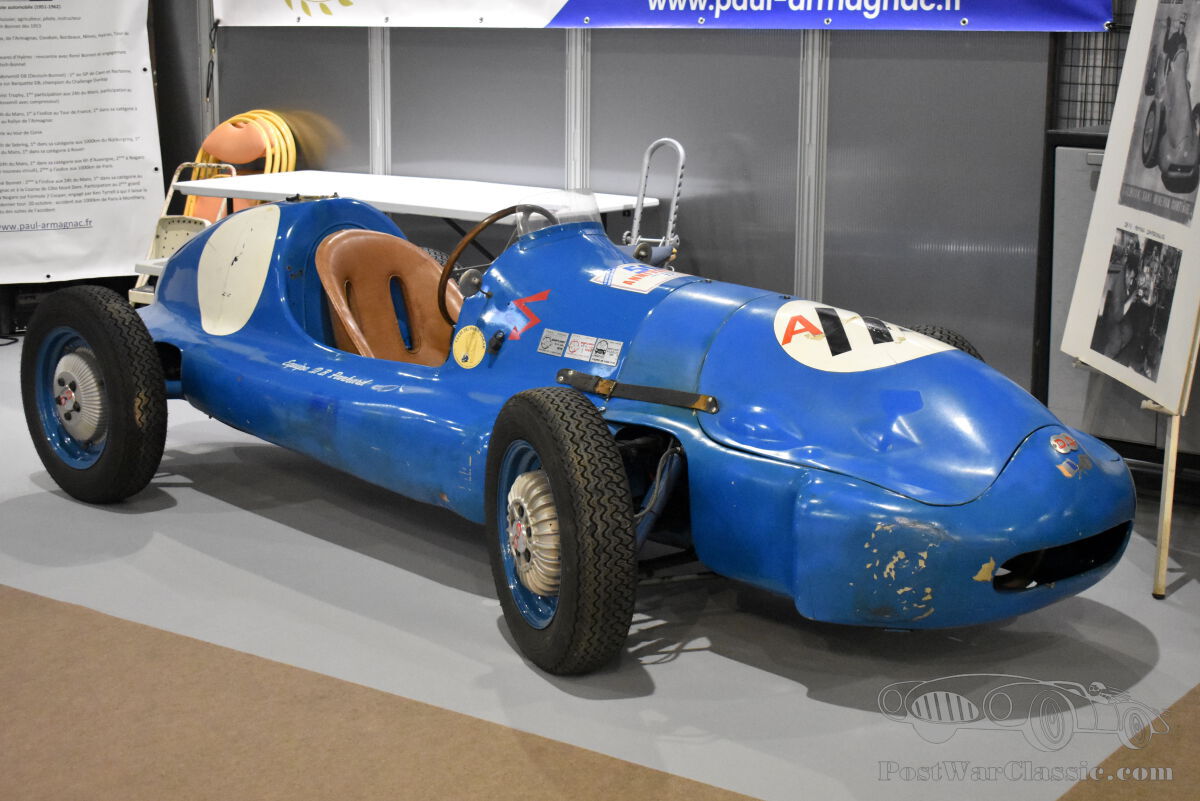
The unusual front-wheel drive, 750 c.c. supercharged DB, driven by Paul Armagnac at the 1955 Pau Grand Prix
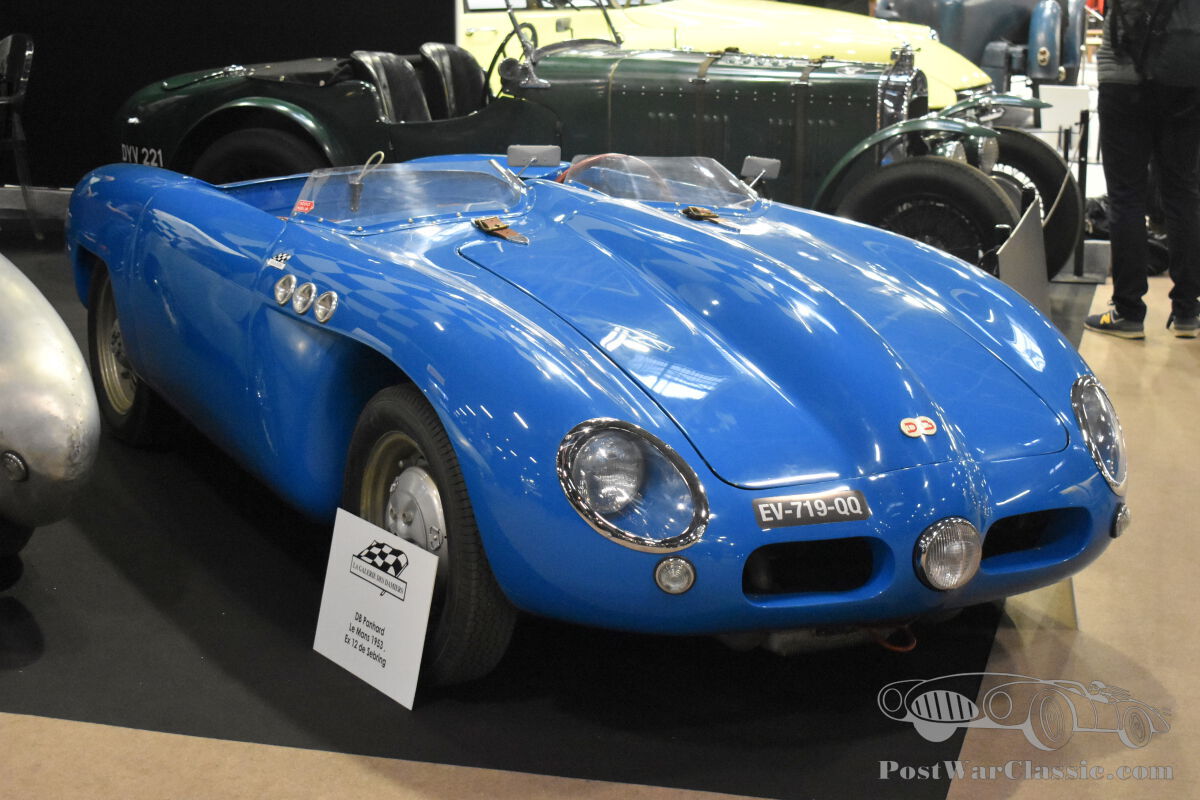
Lovely streamlined DB-Panhard raced at Le Mans and Sebring
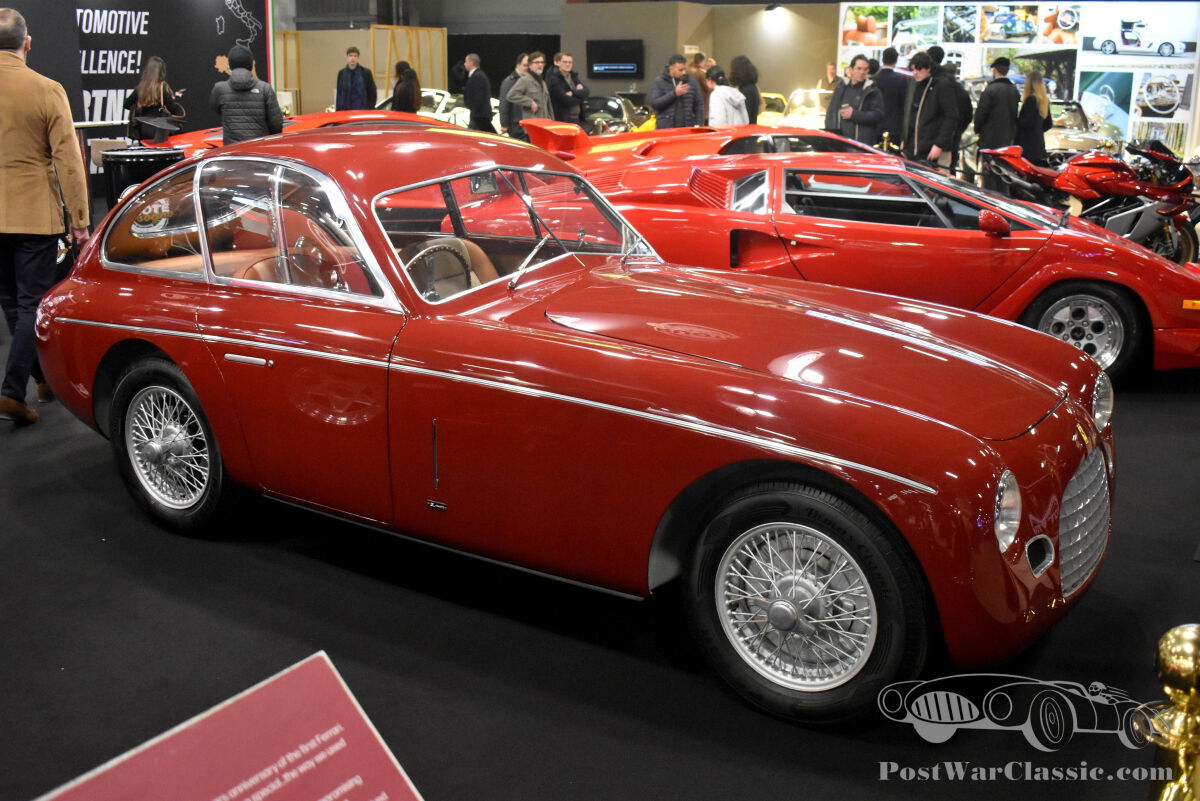
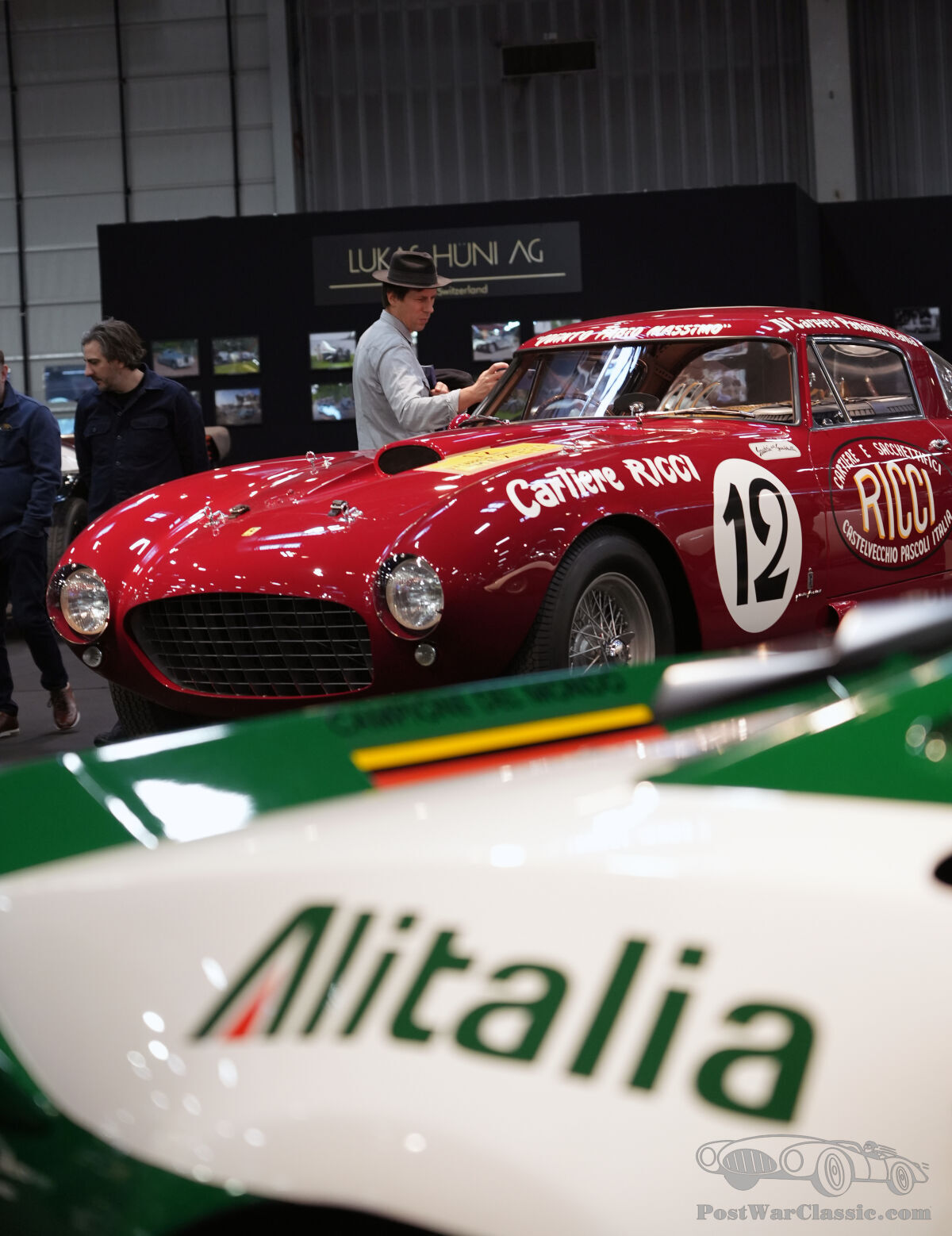
The Ferrari 166 Panoramica is one of the most impressive post-war teardrop coupés
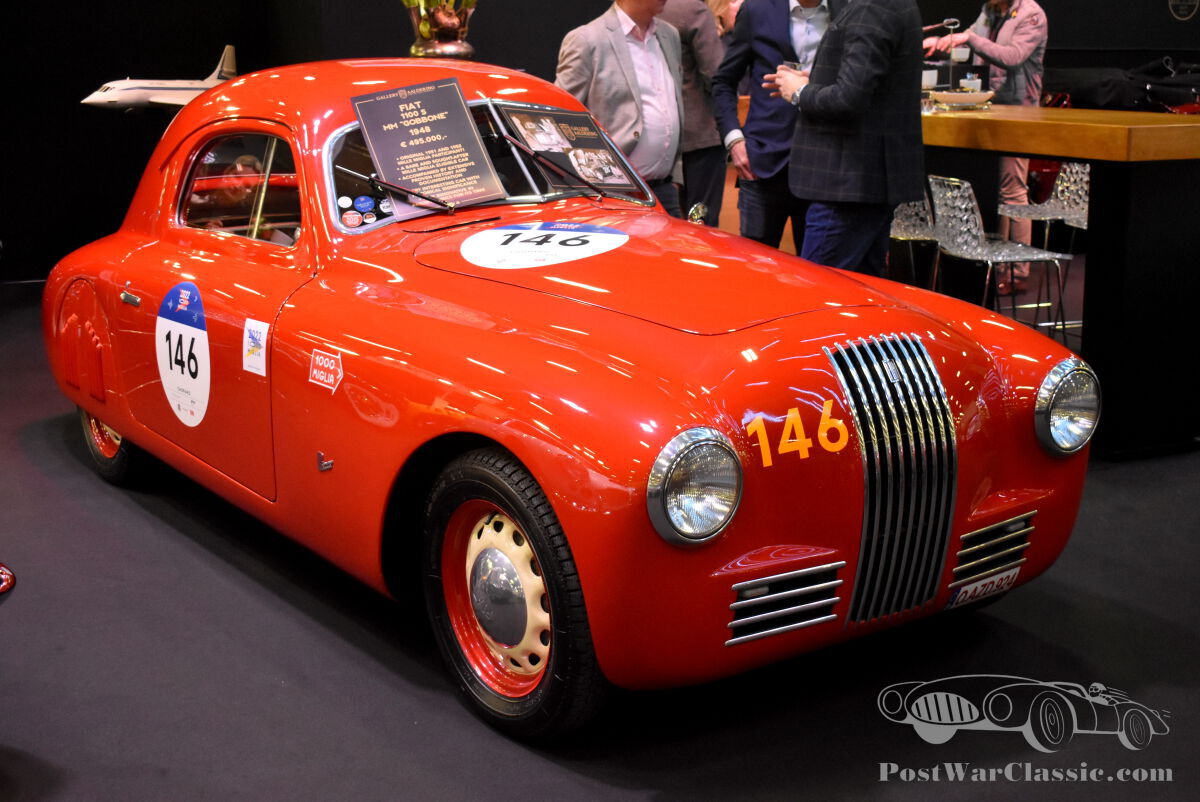
Despite its "hunchback" epithet, Aaldering's Fiat 1100S is very pretty
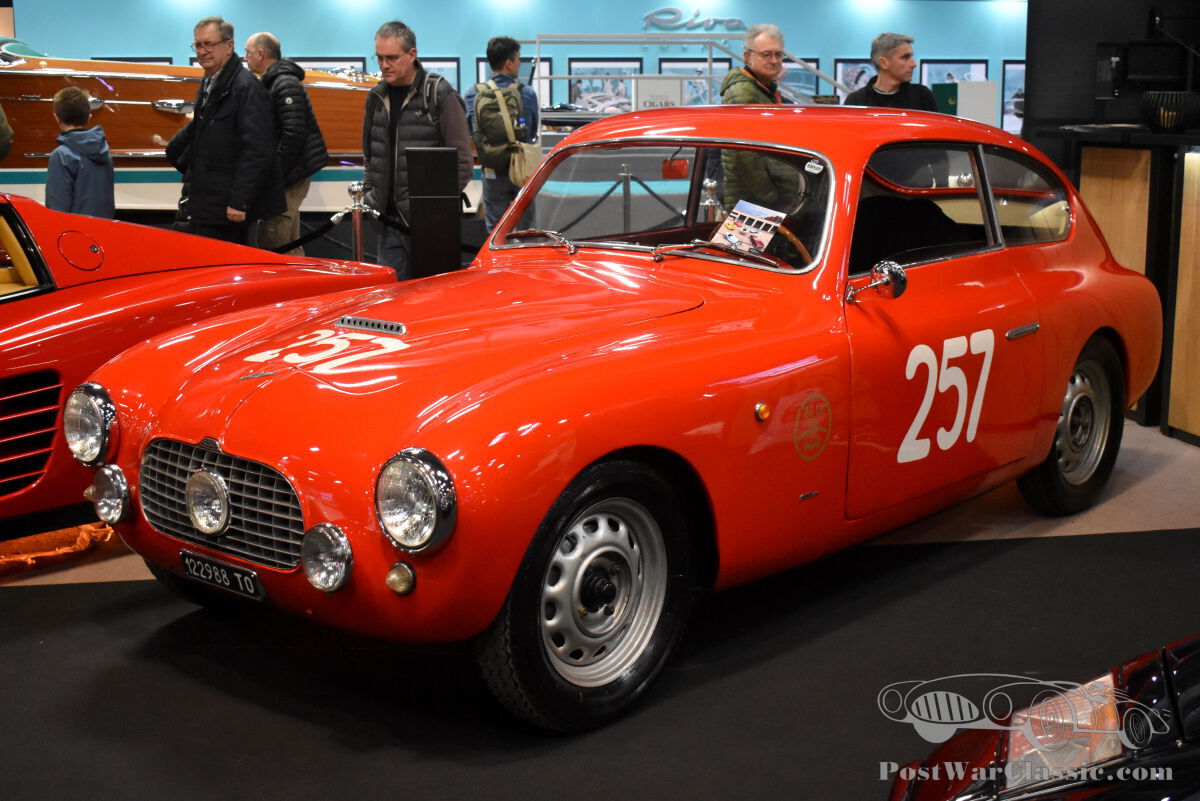
The Fiat 1100S with Rock n Roll Classics
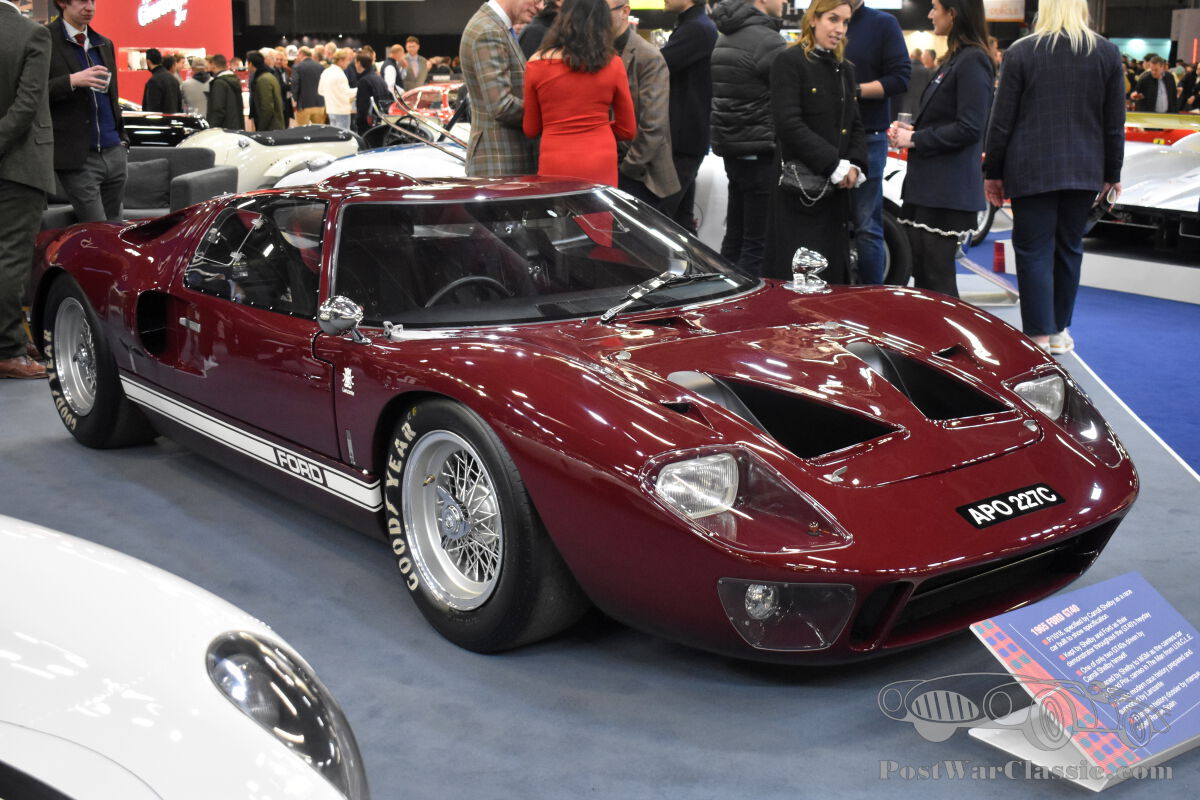
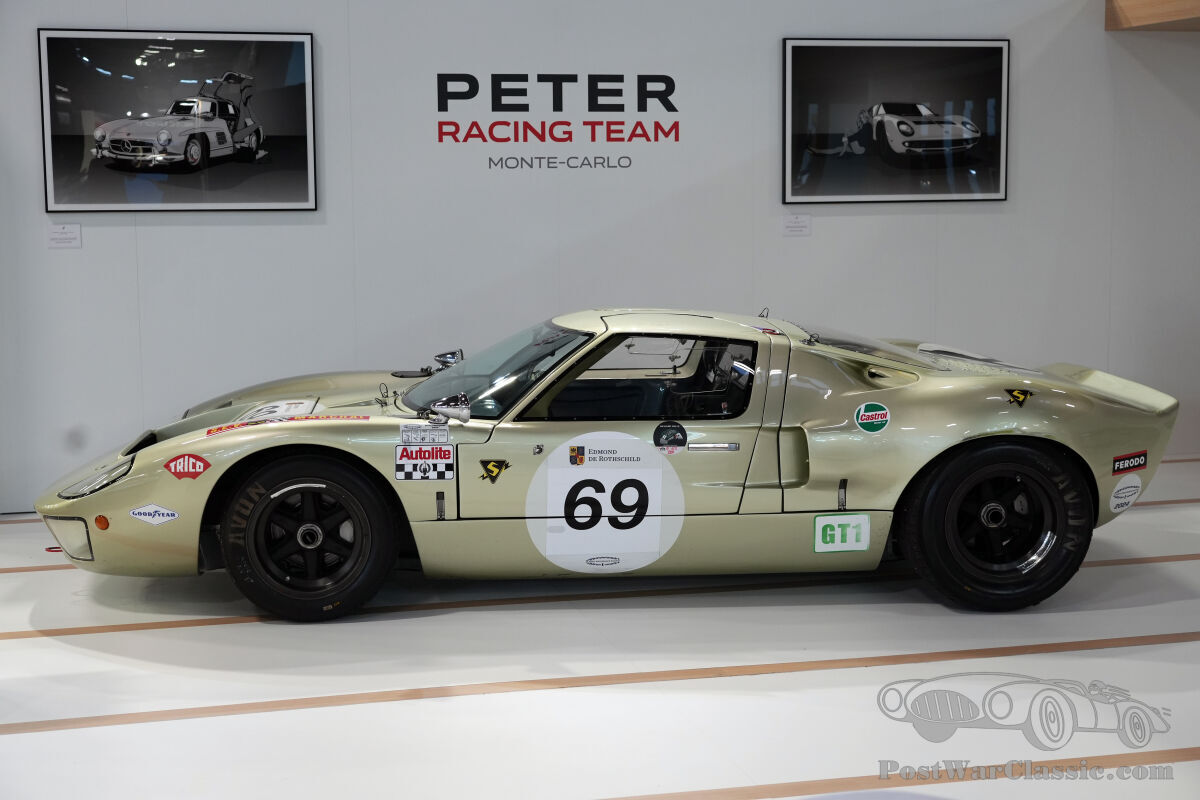
Immaculate GT40 with Grand Prix and Man from U.N.C.L.E. provenance
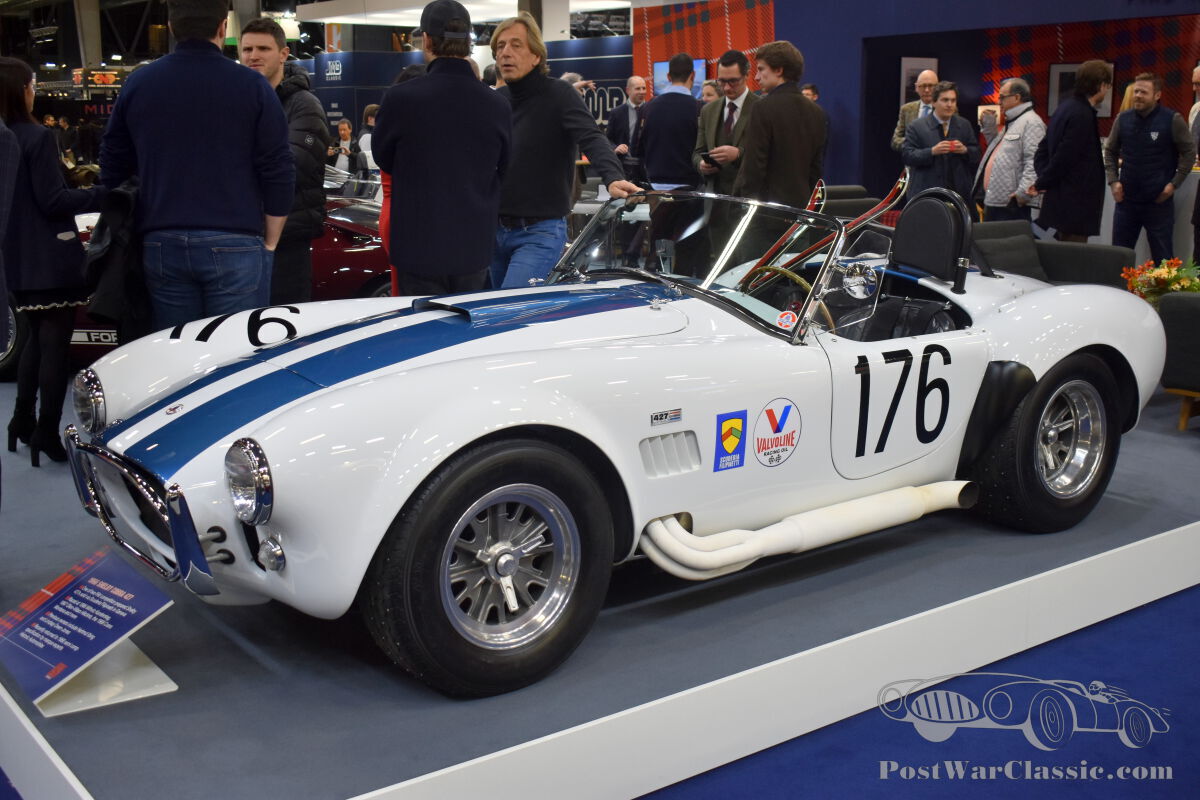
One of Switzerland's first Cobras comes with extensive period hill-climb history
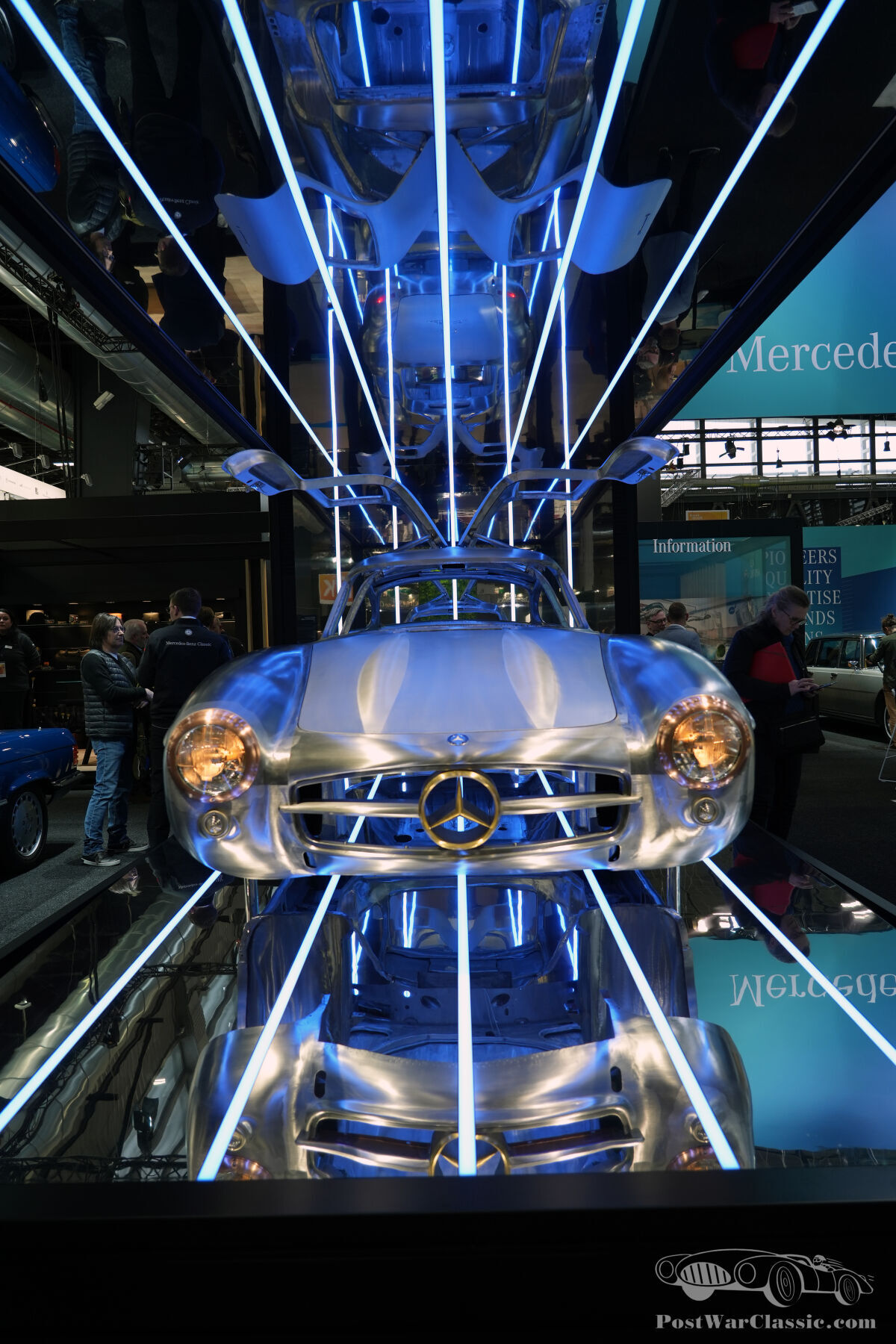
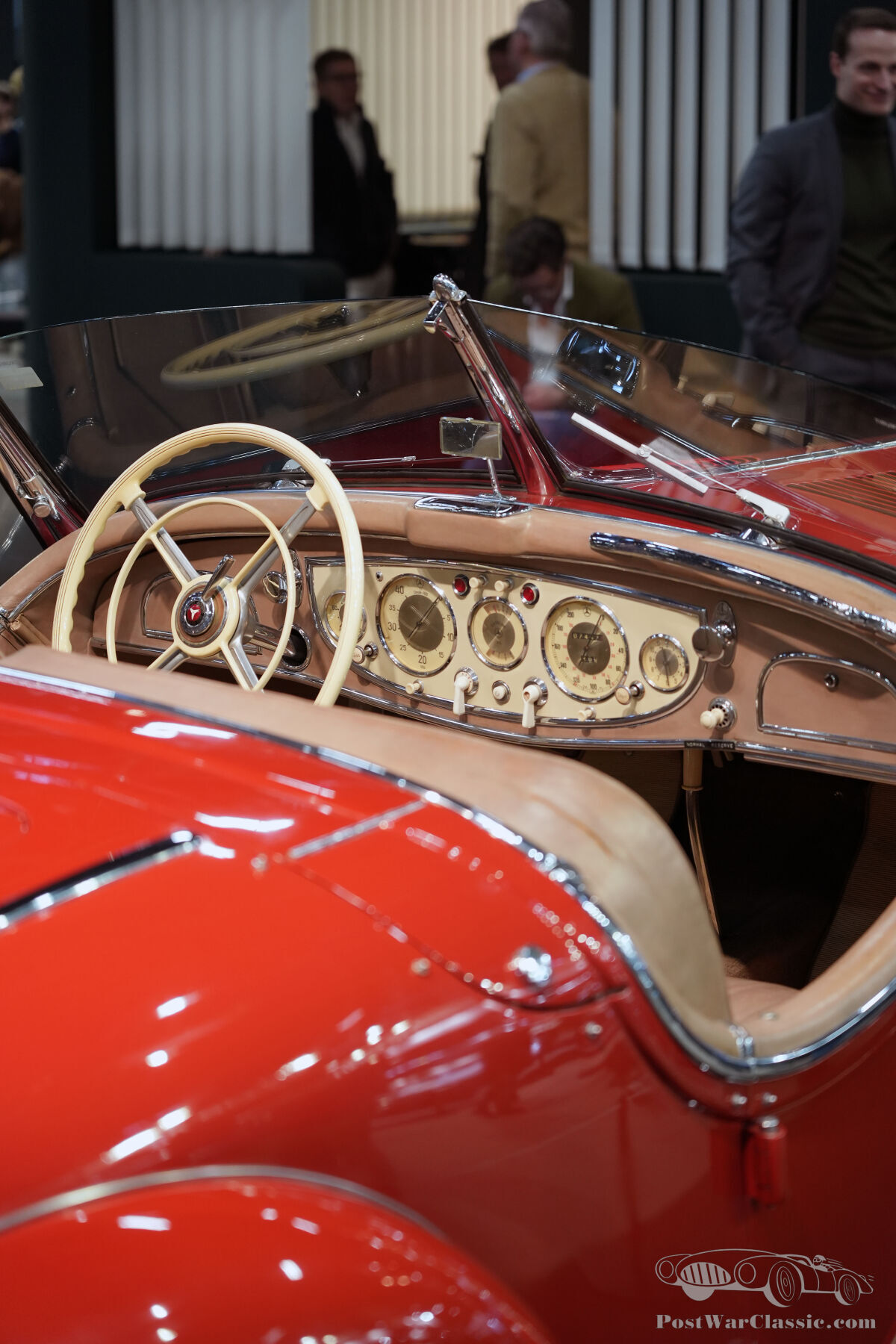
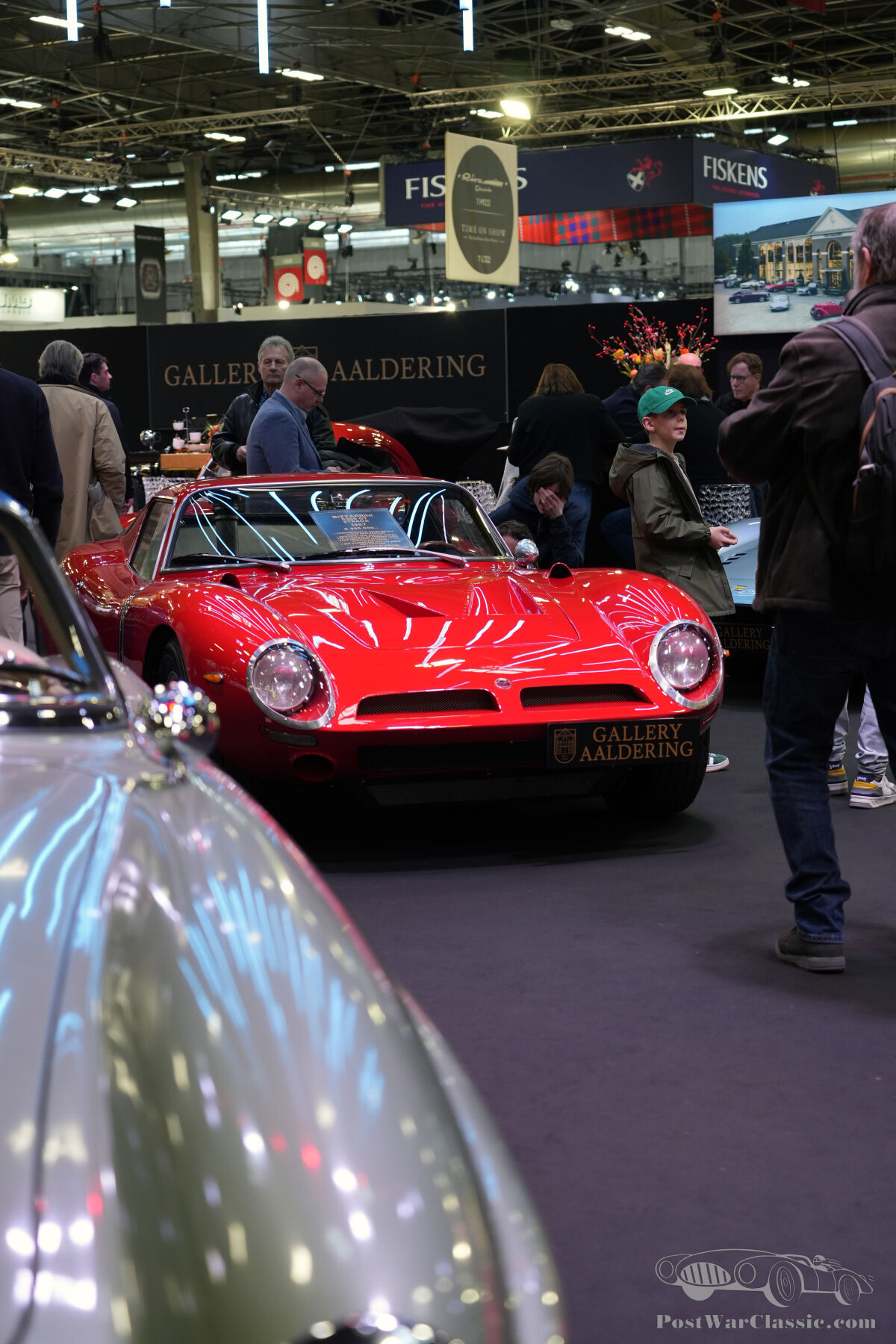
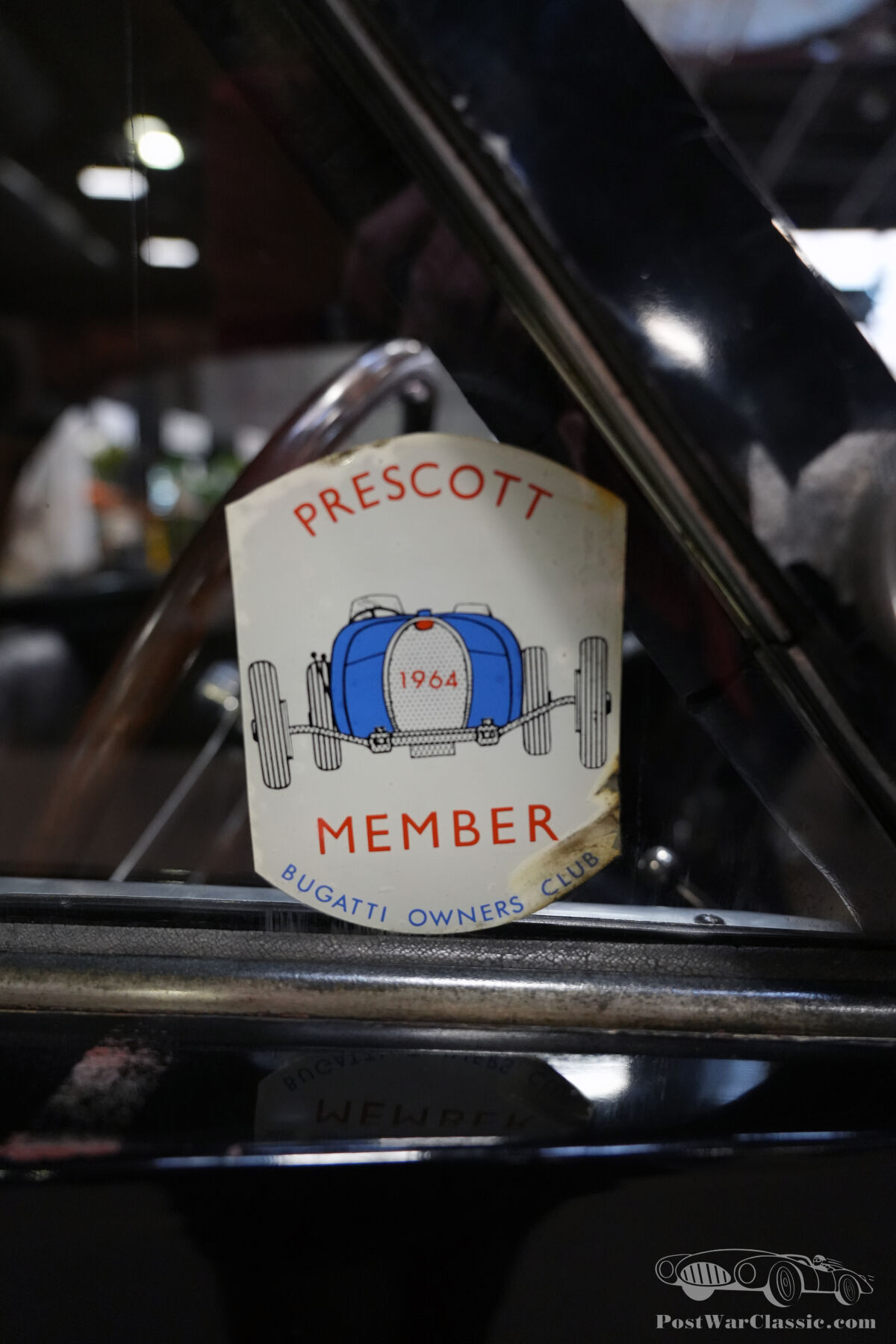
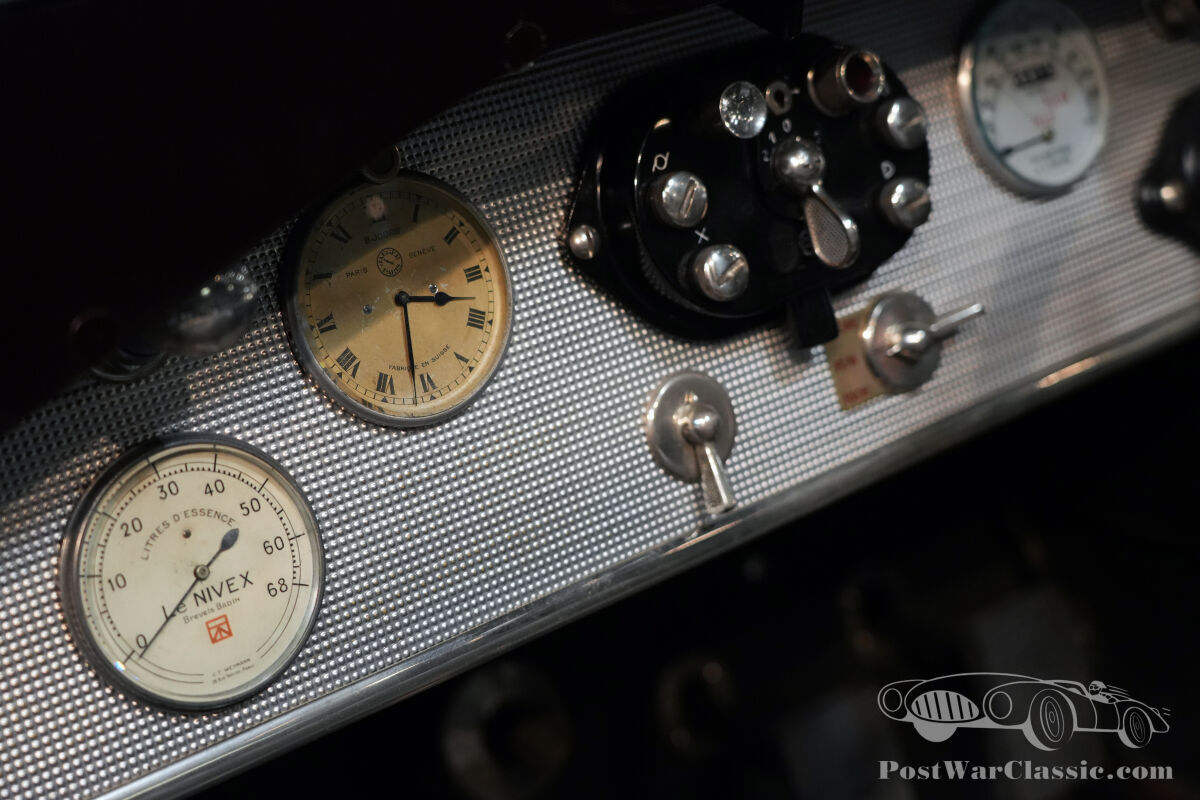
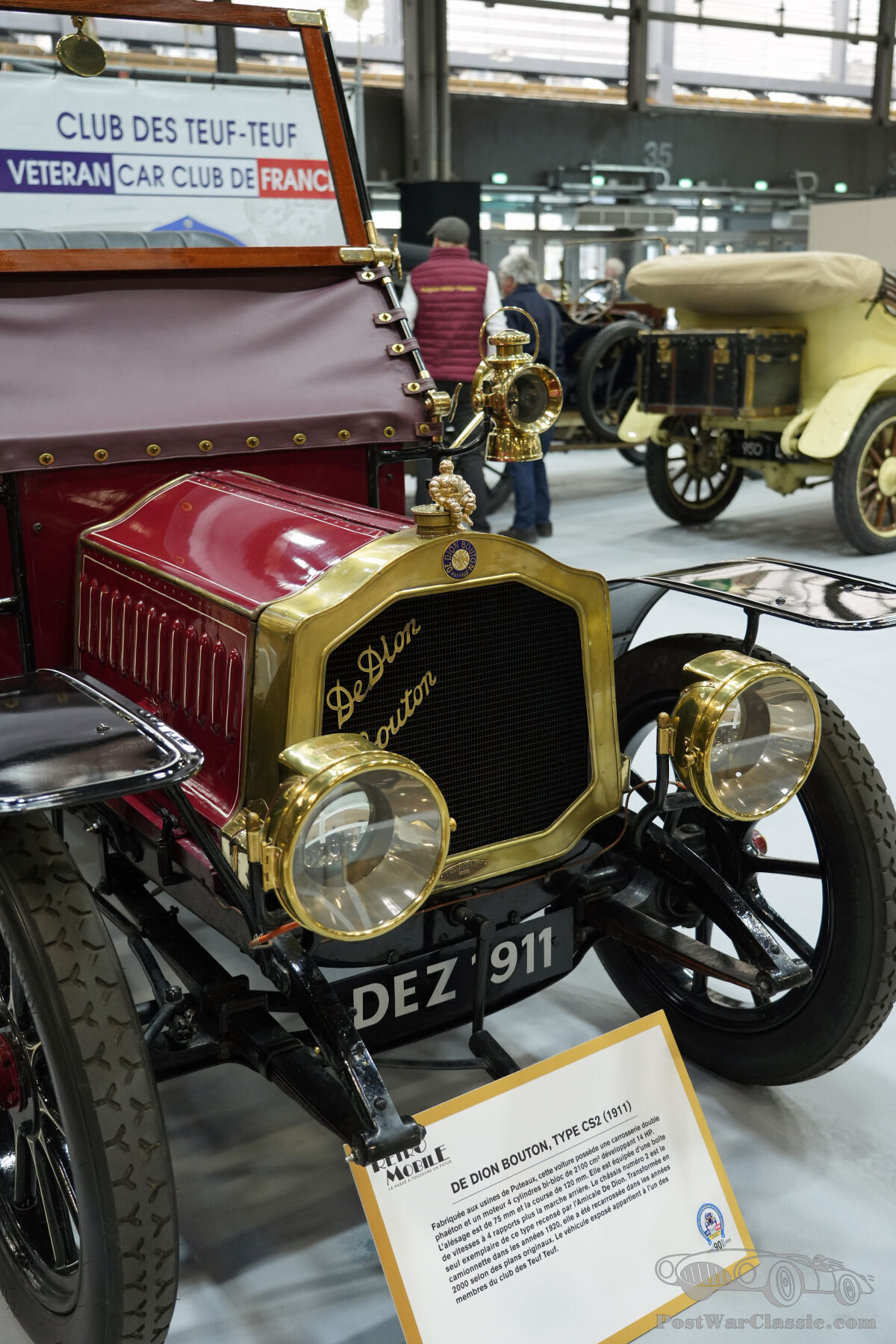
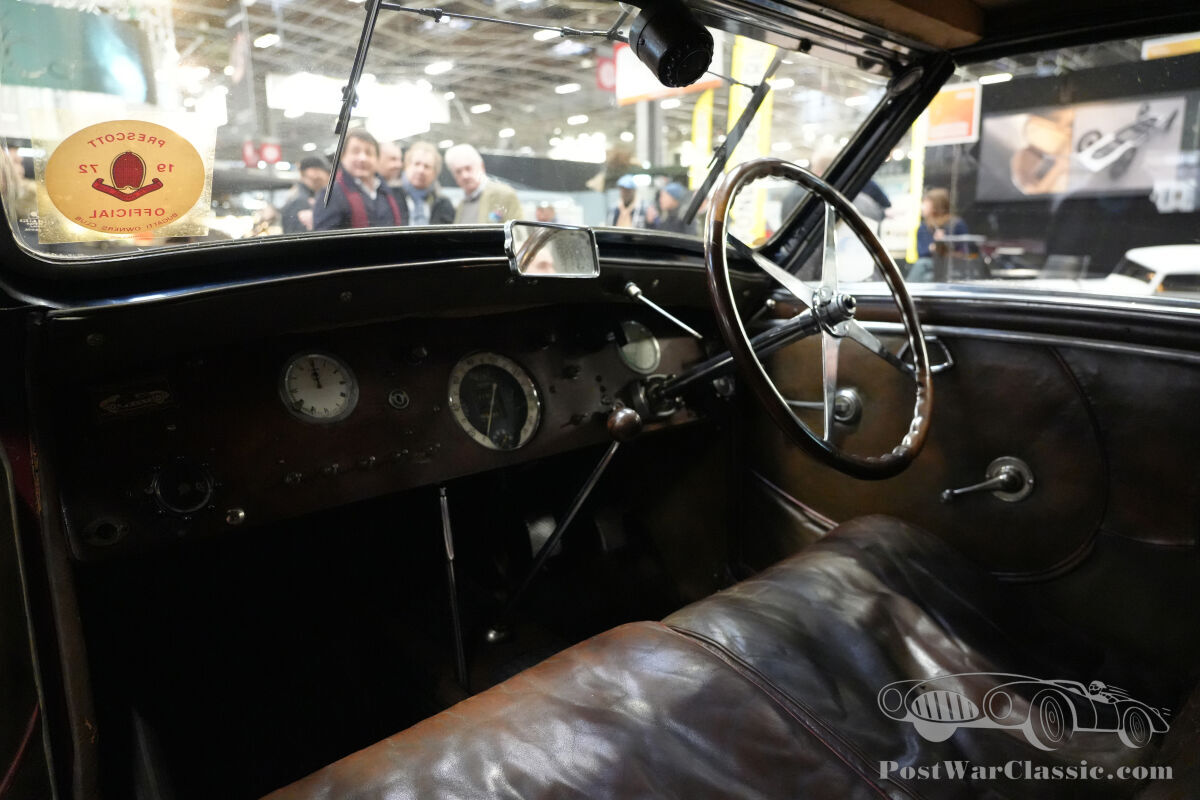
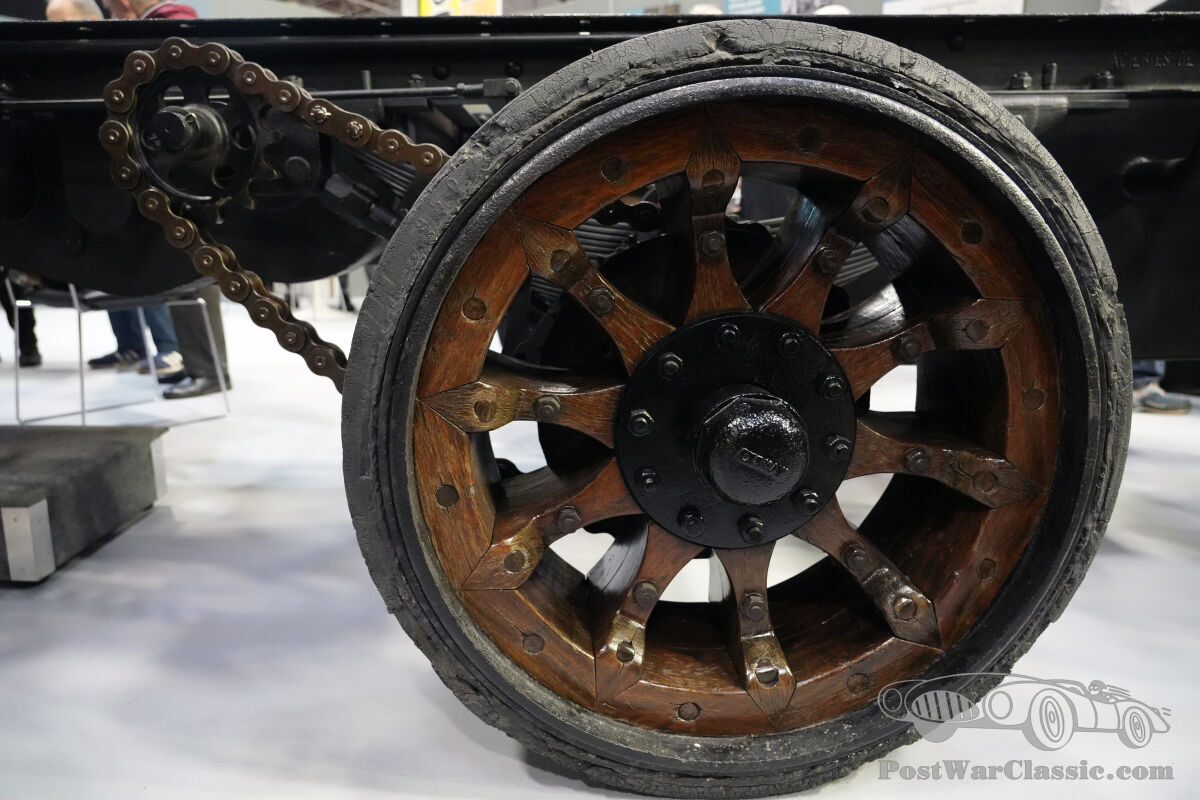
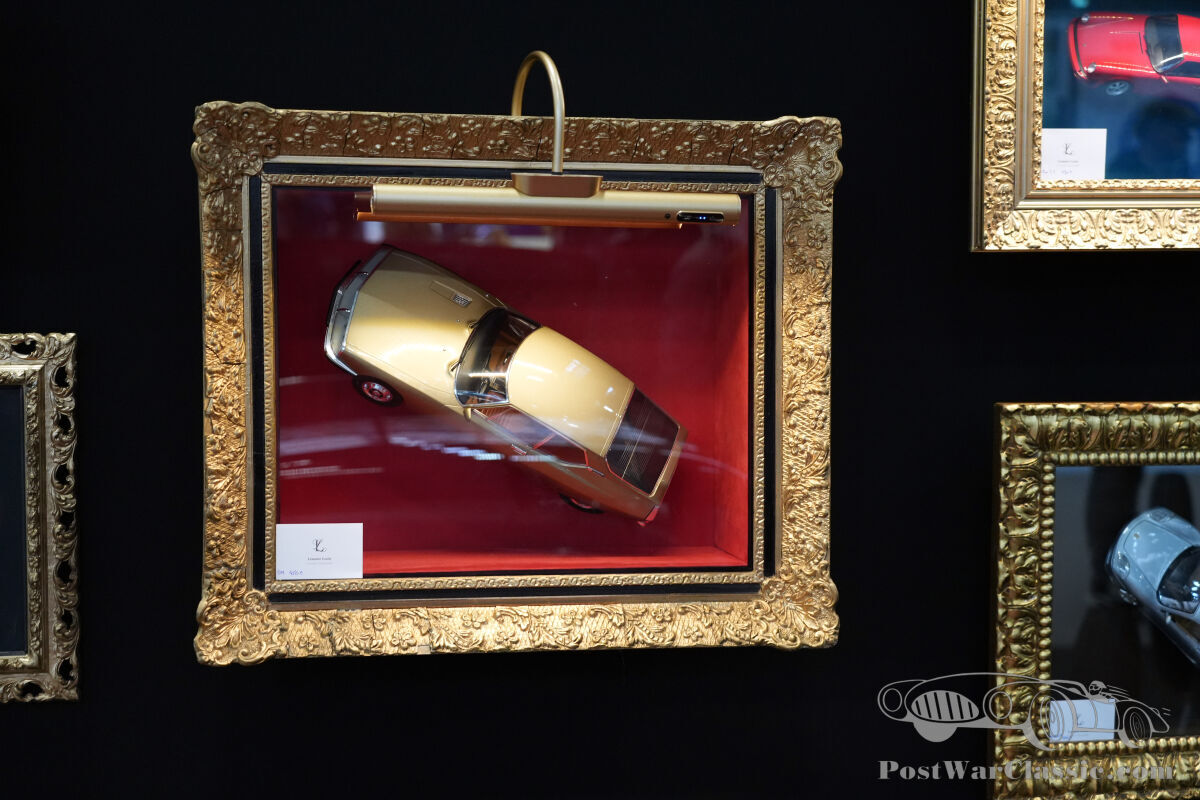
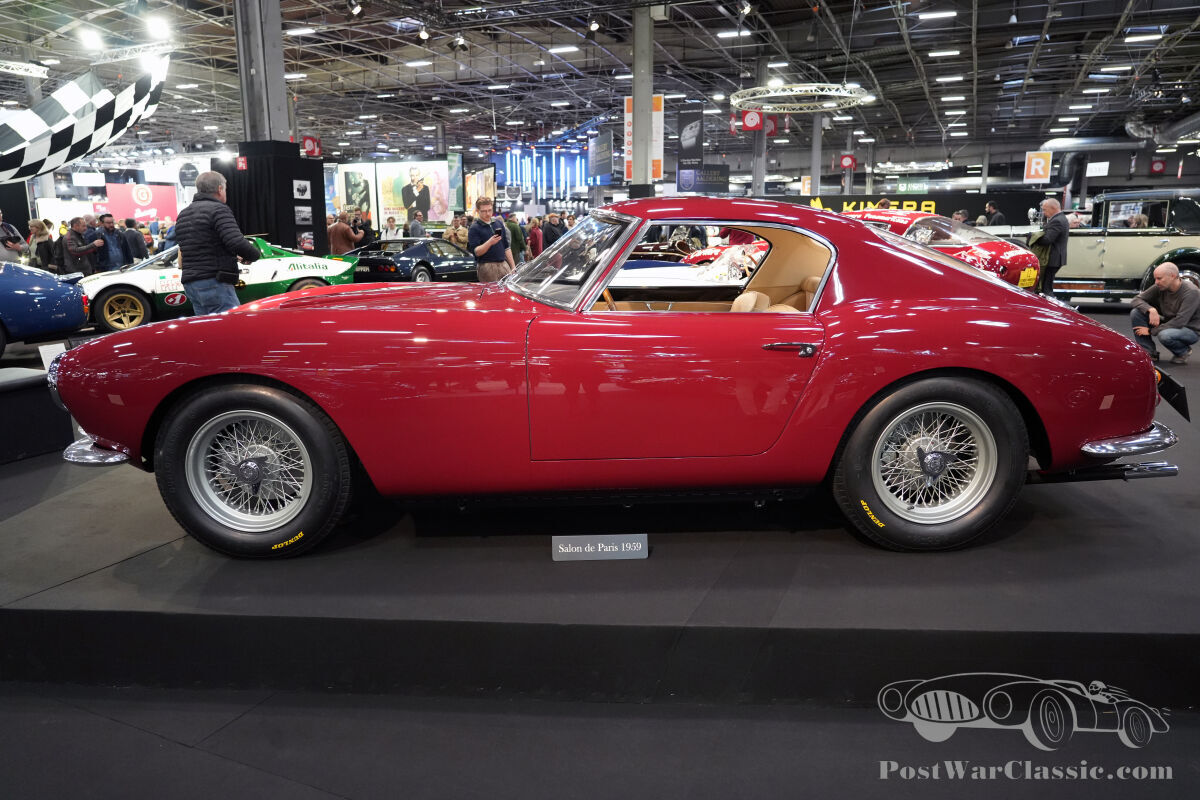
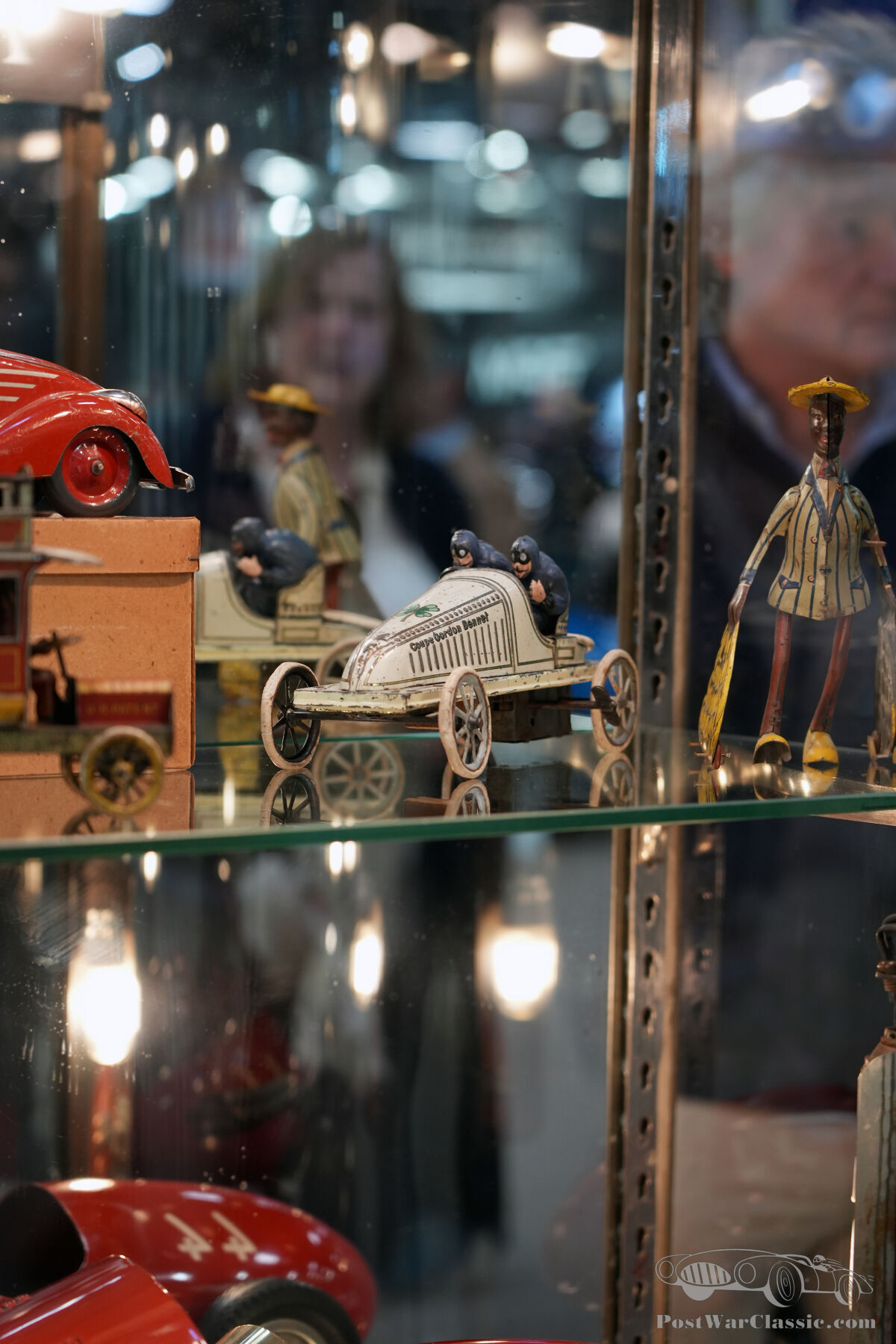
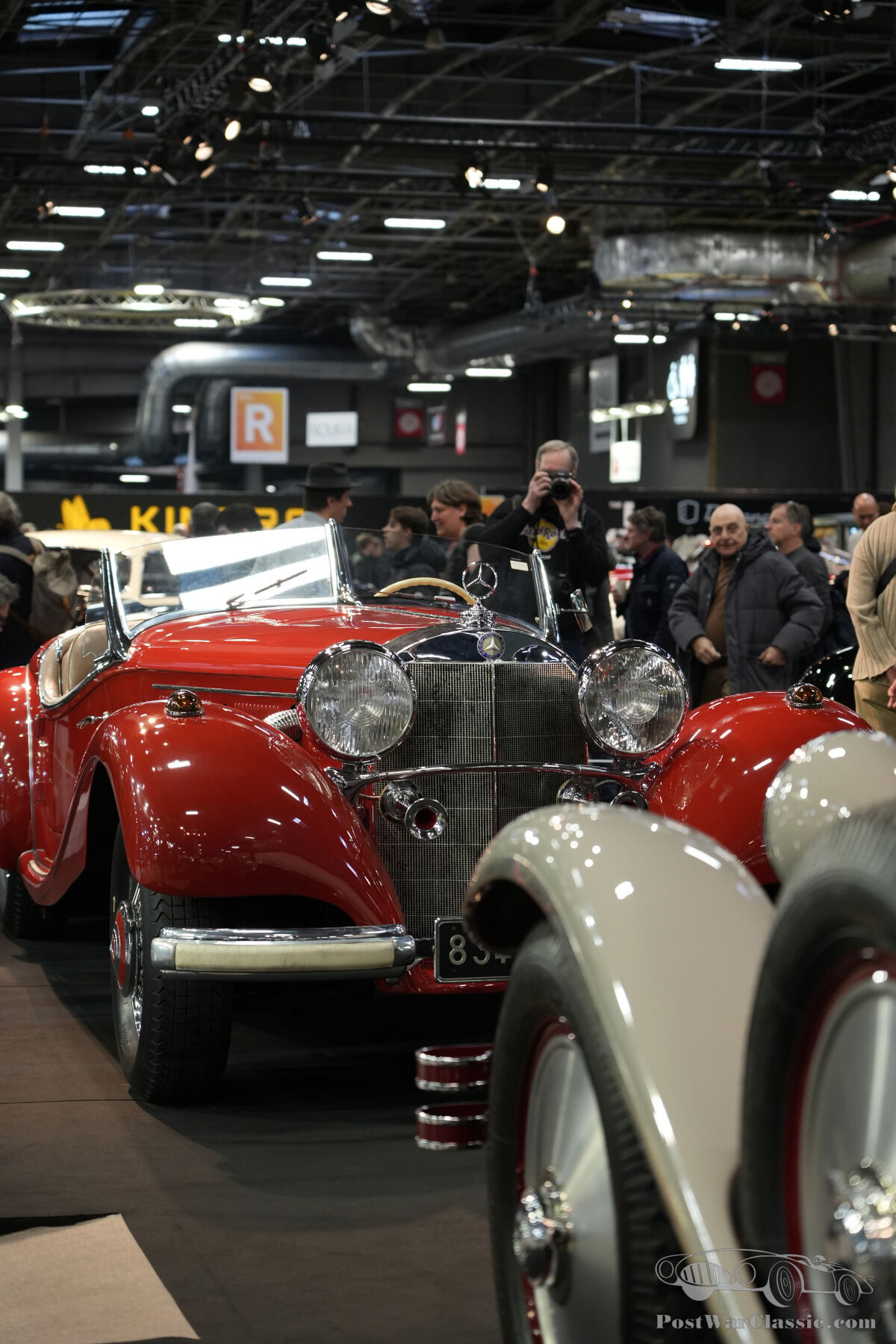
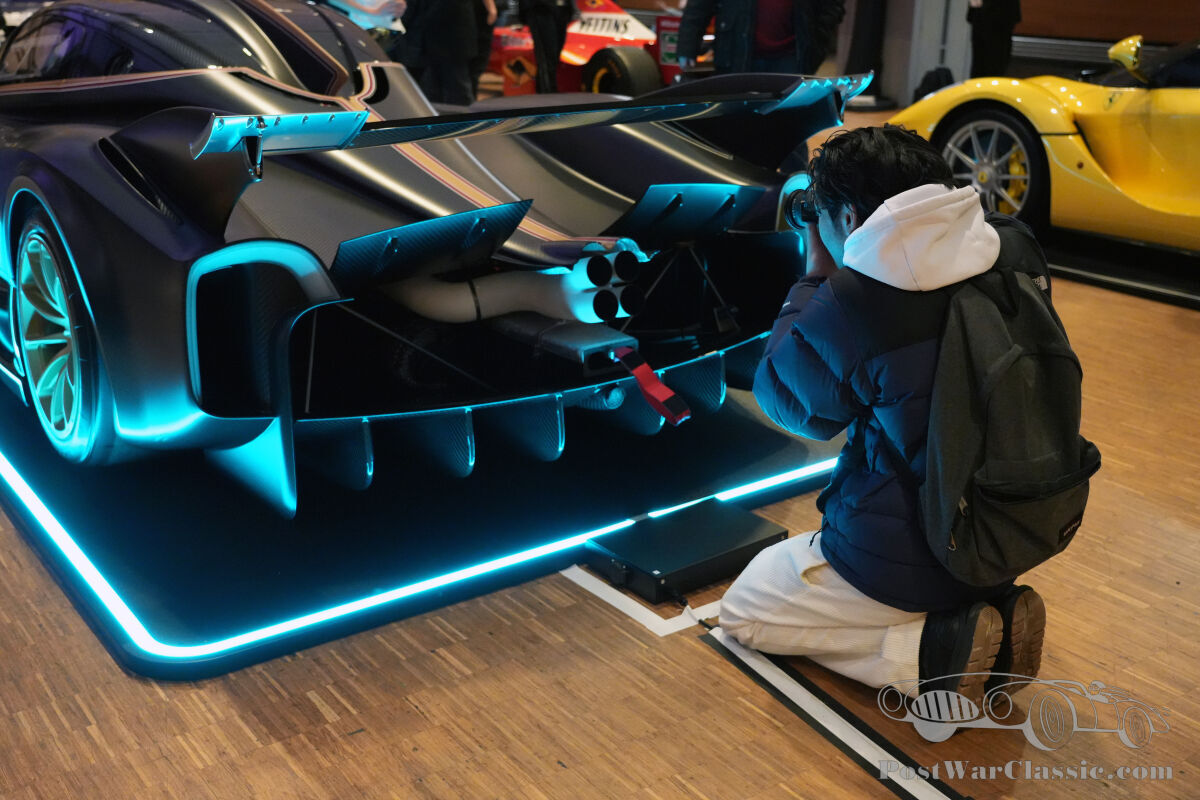
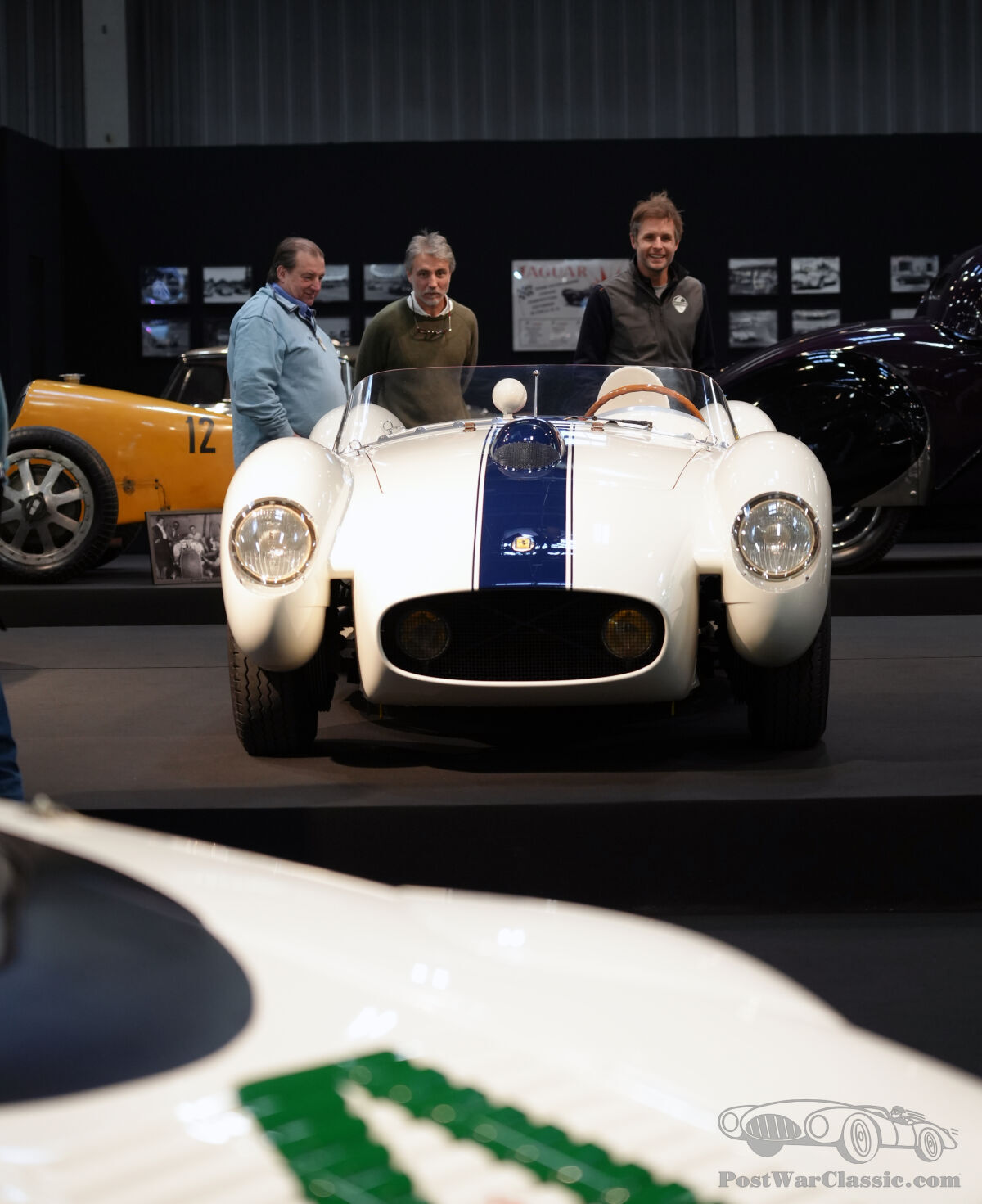
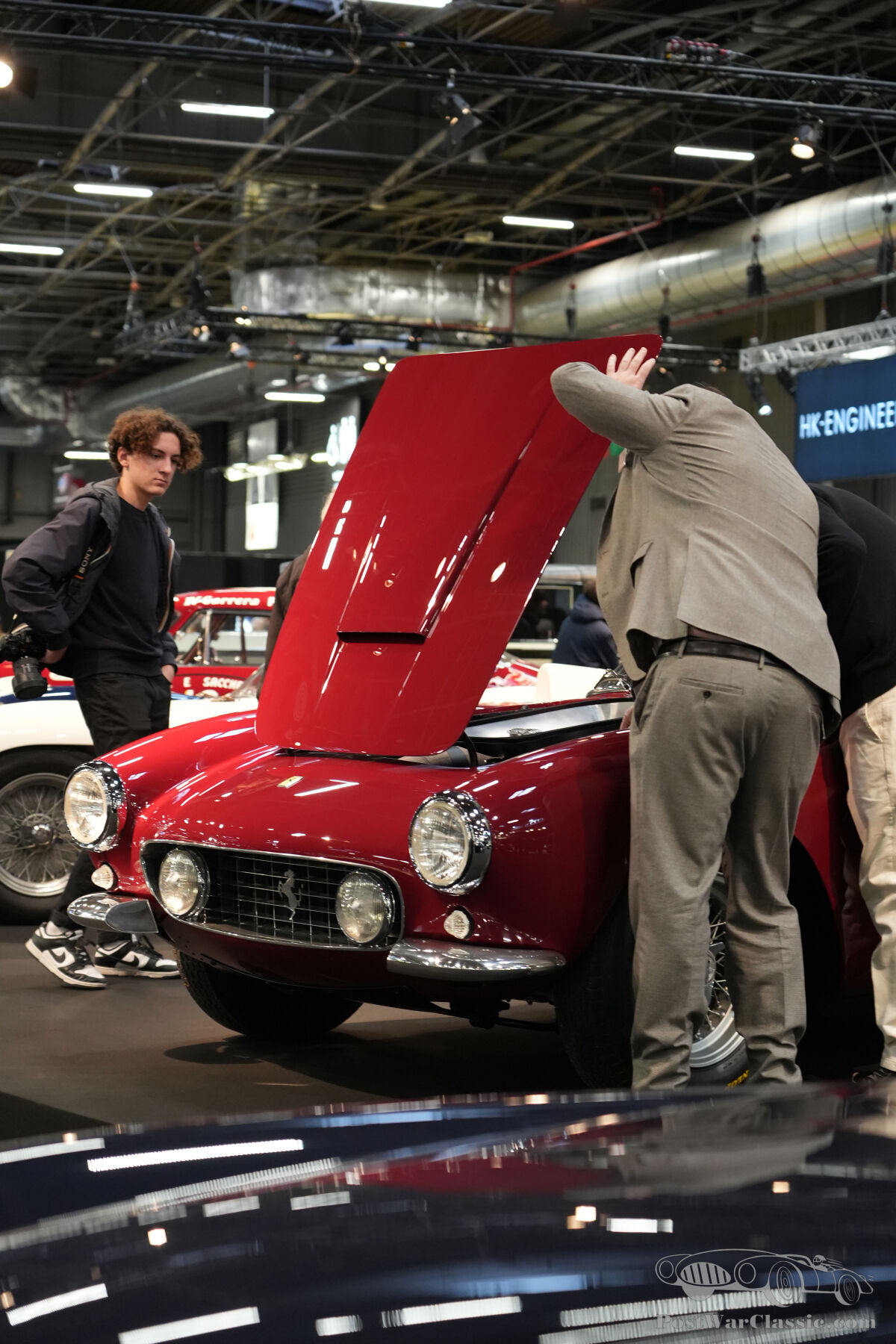
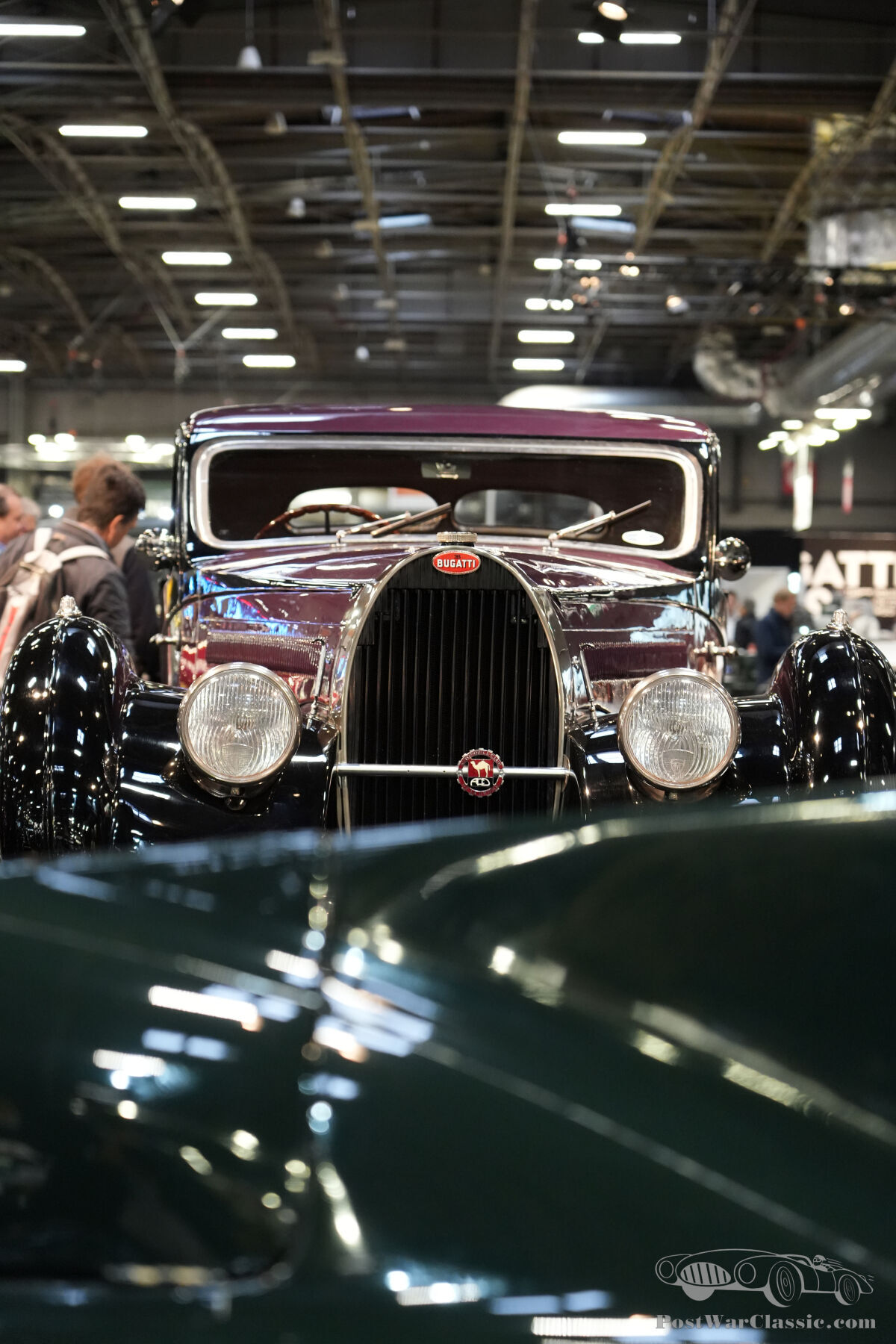
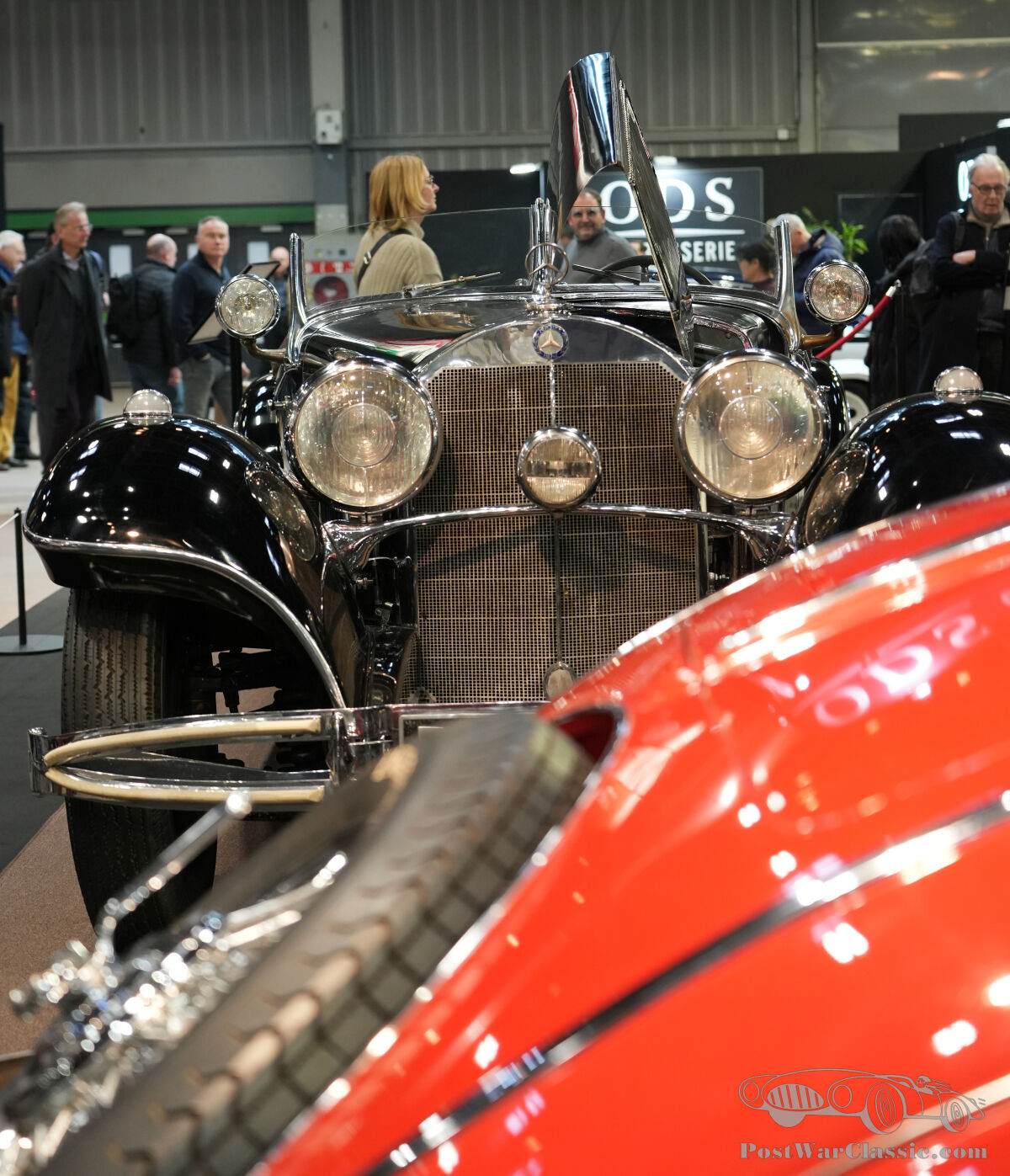
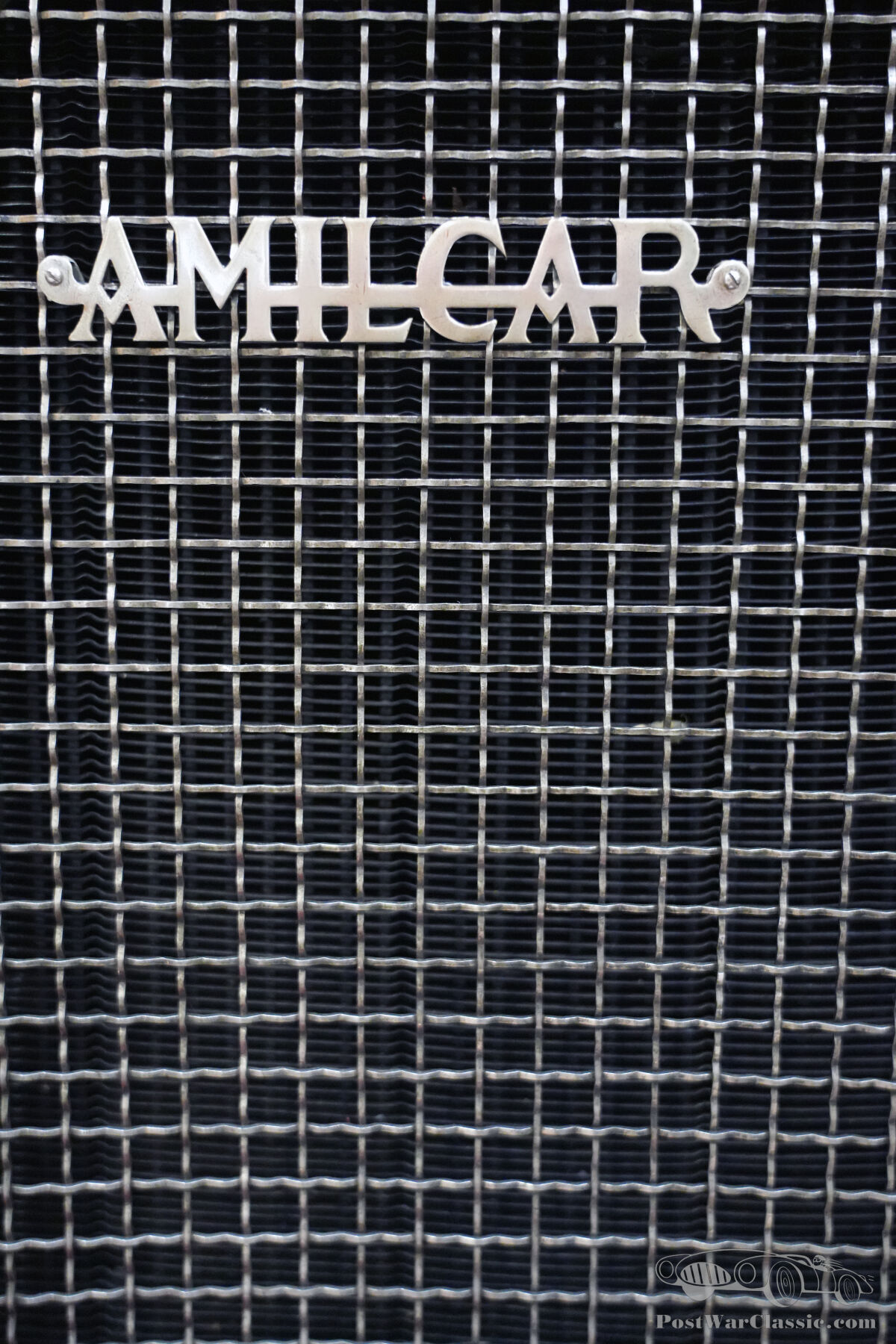
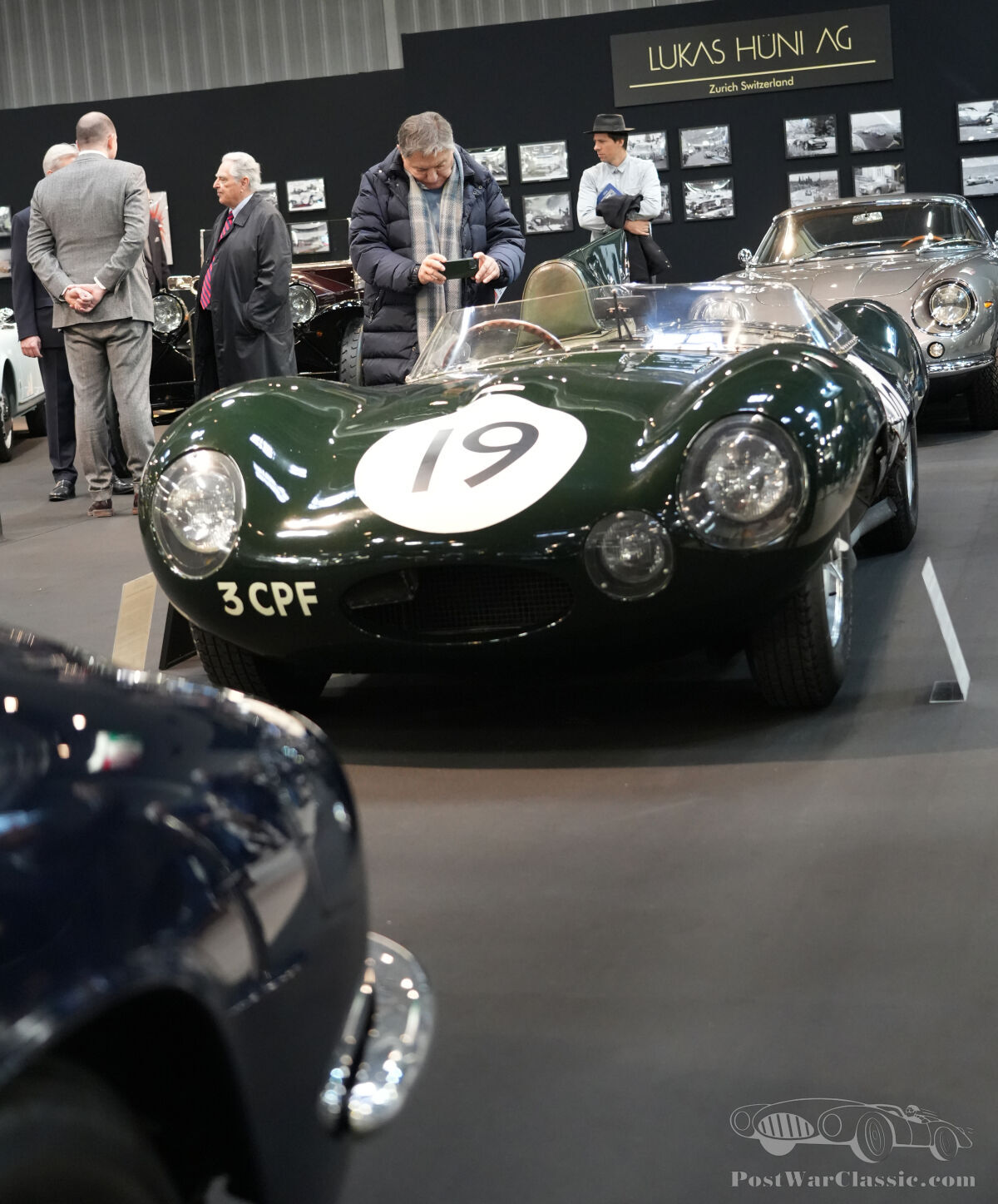
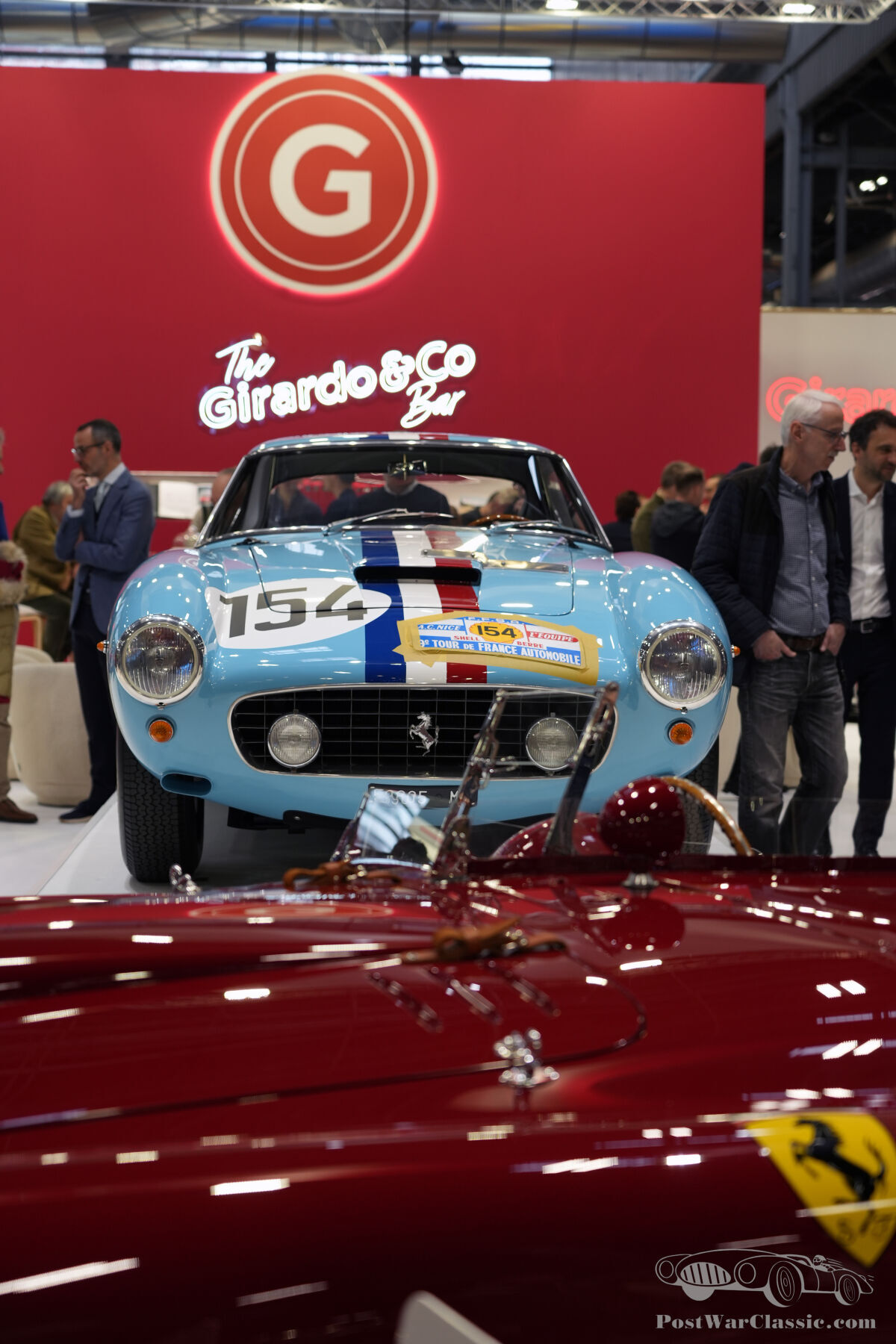
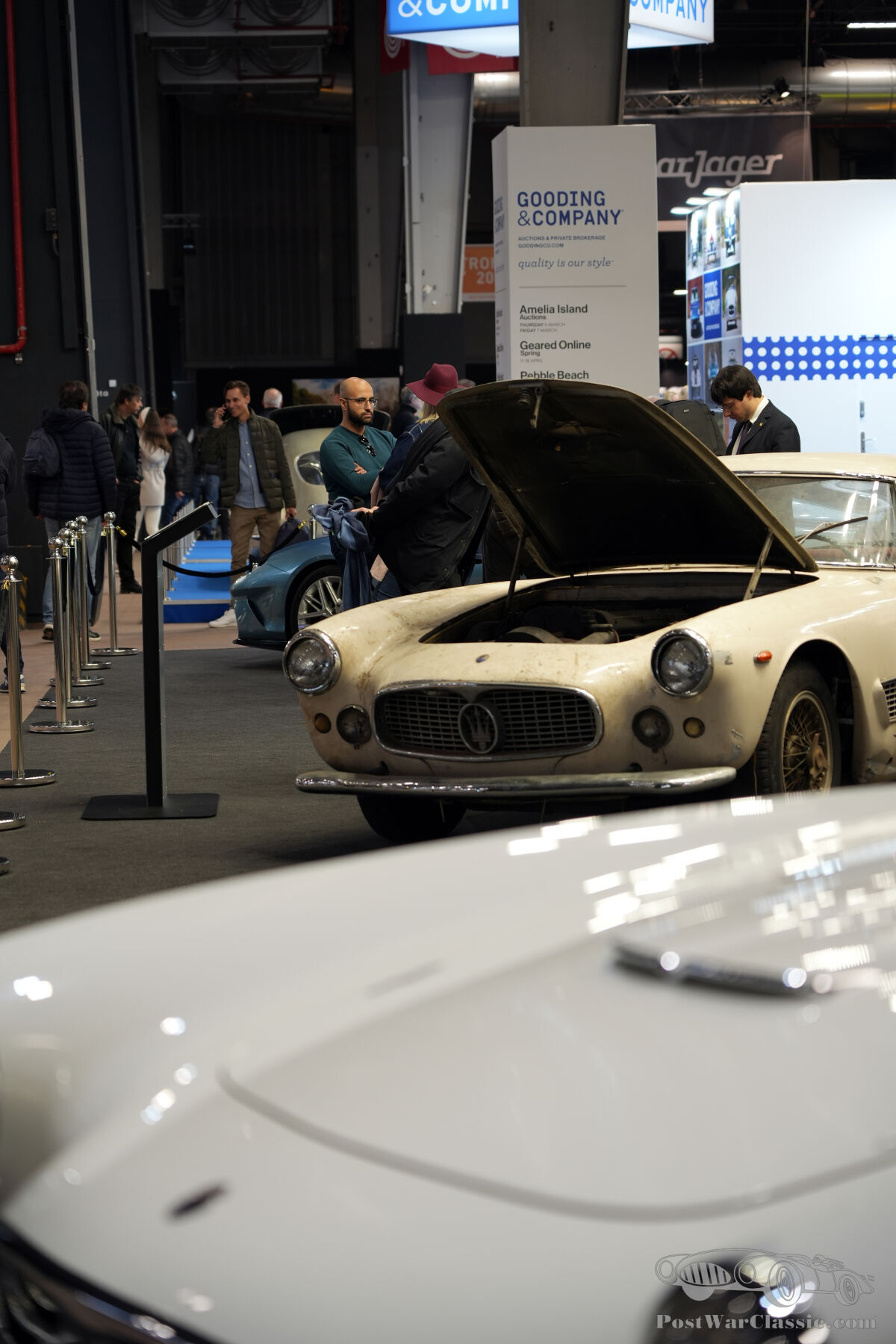
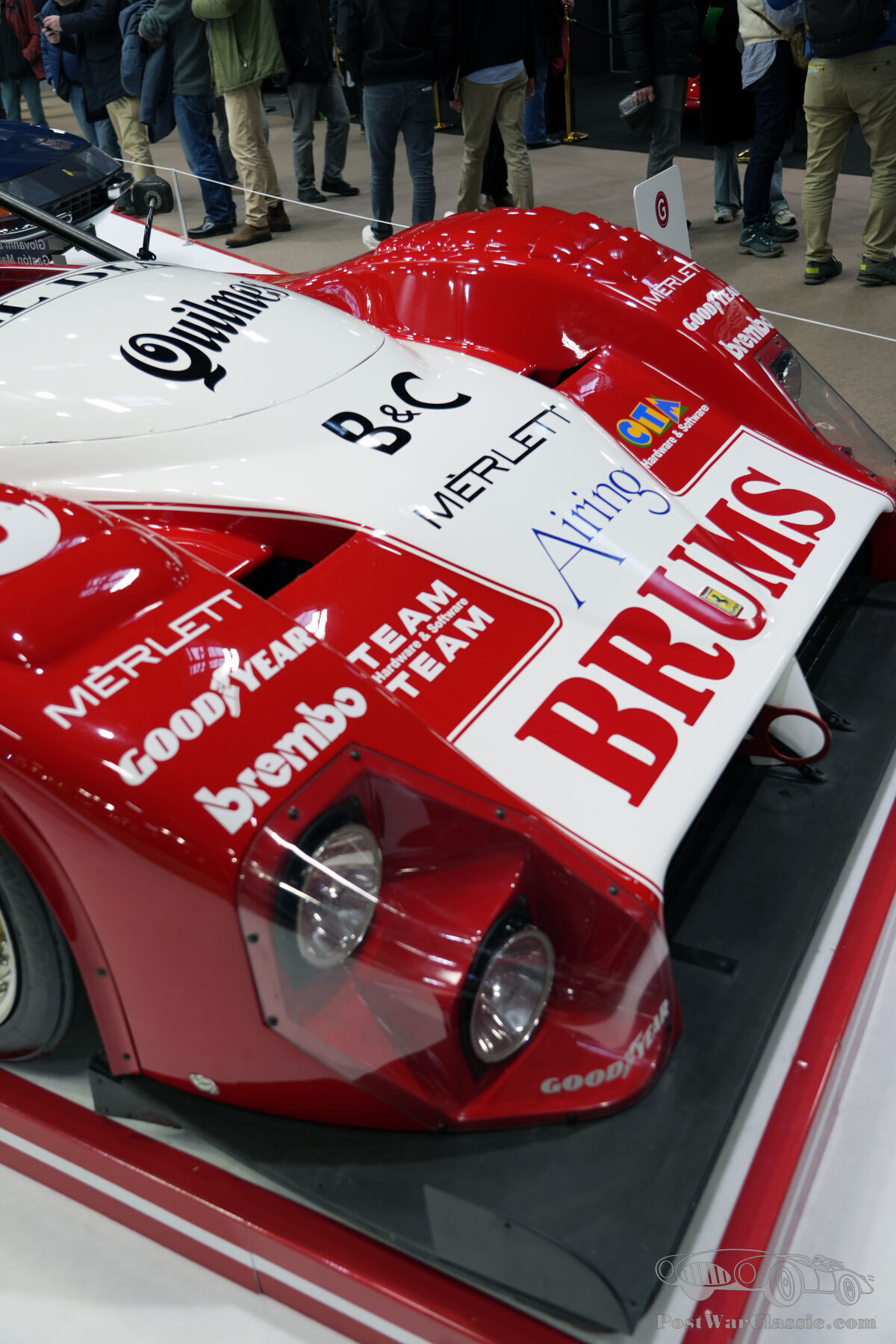
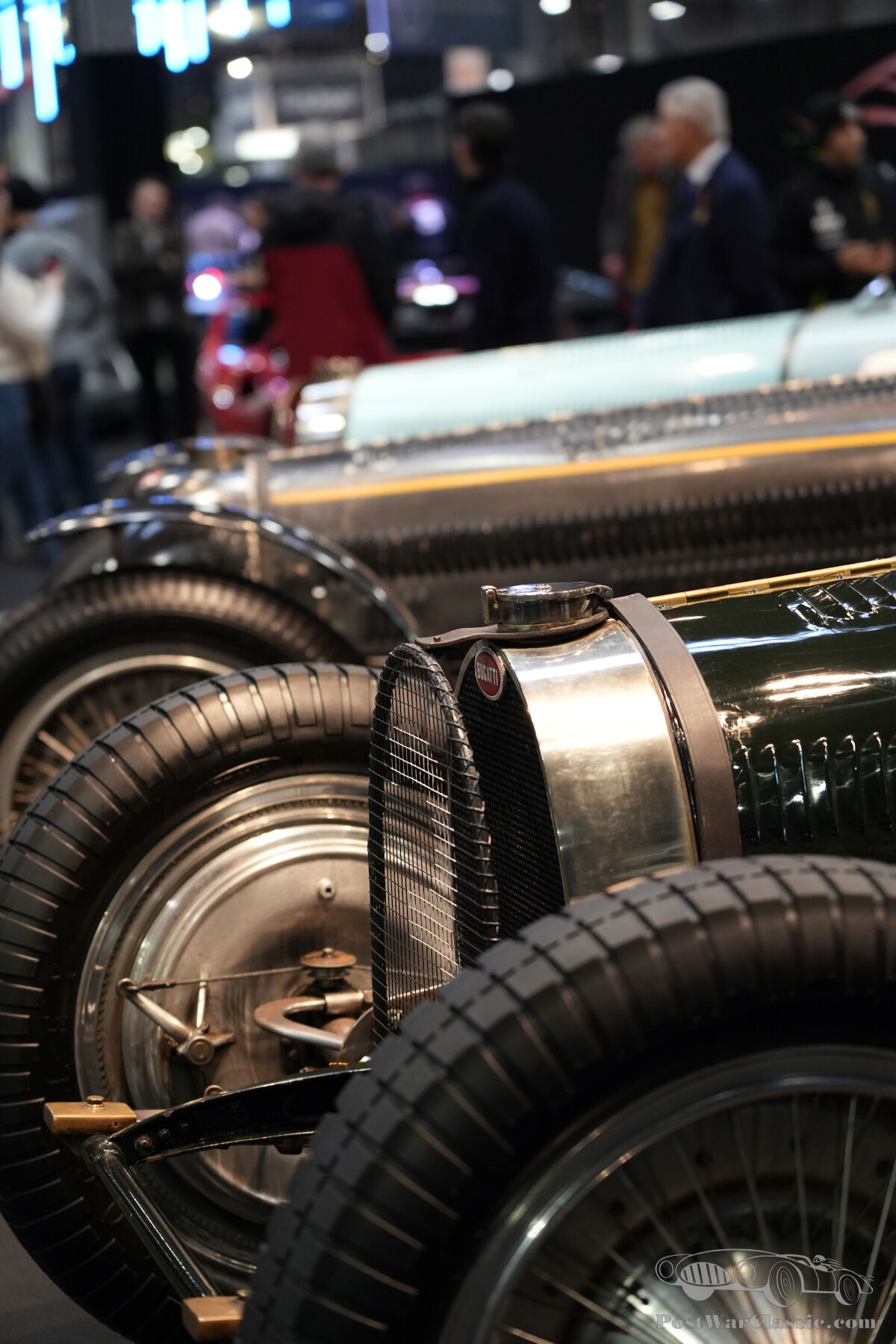
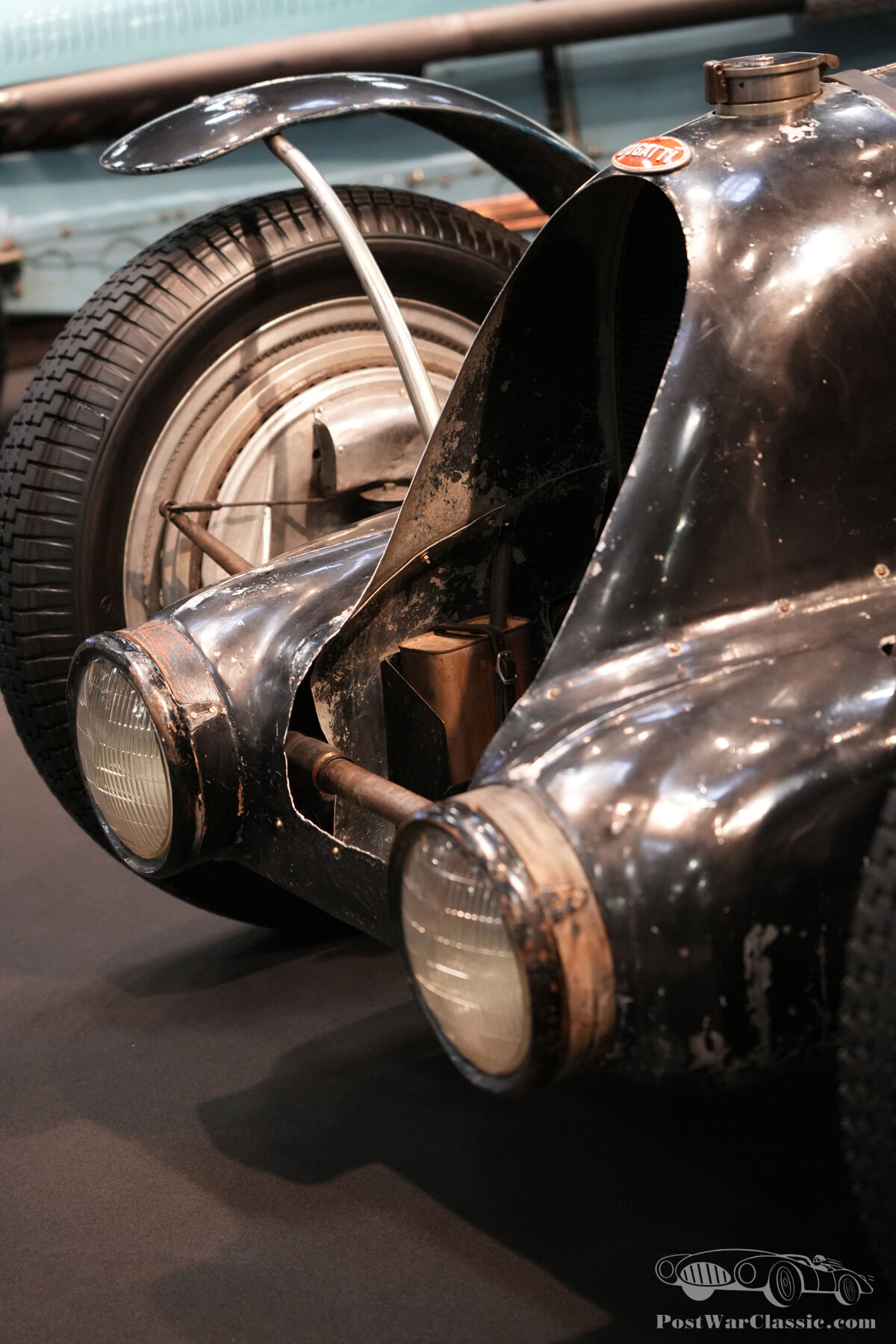
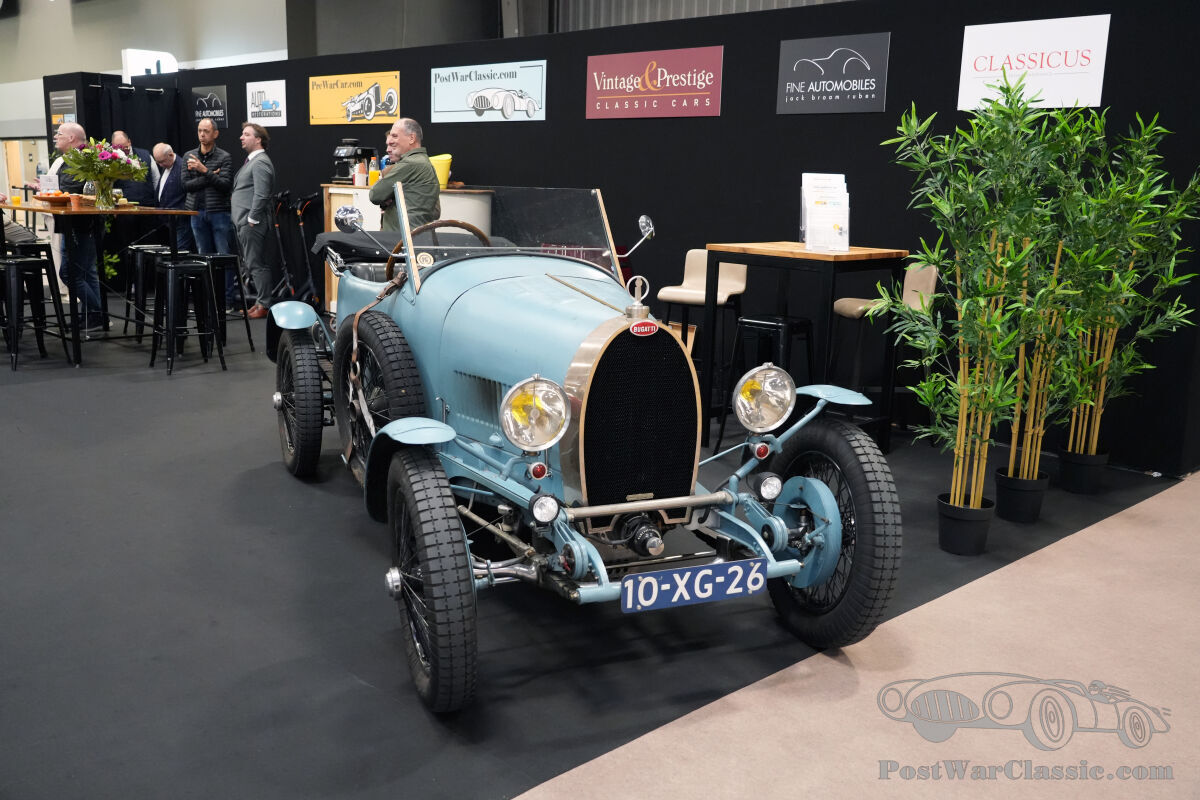
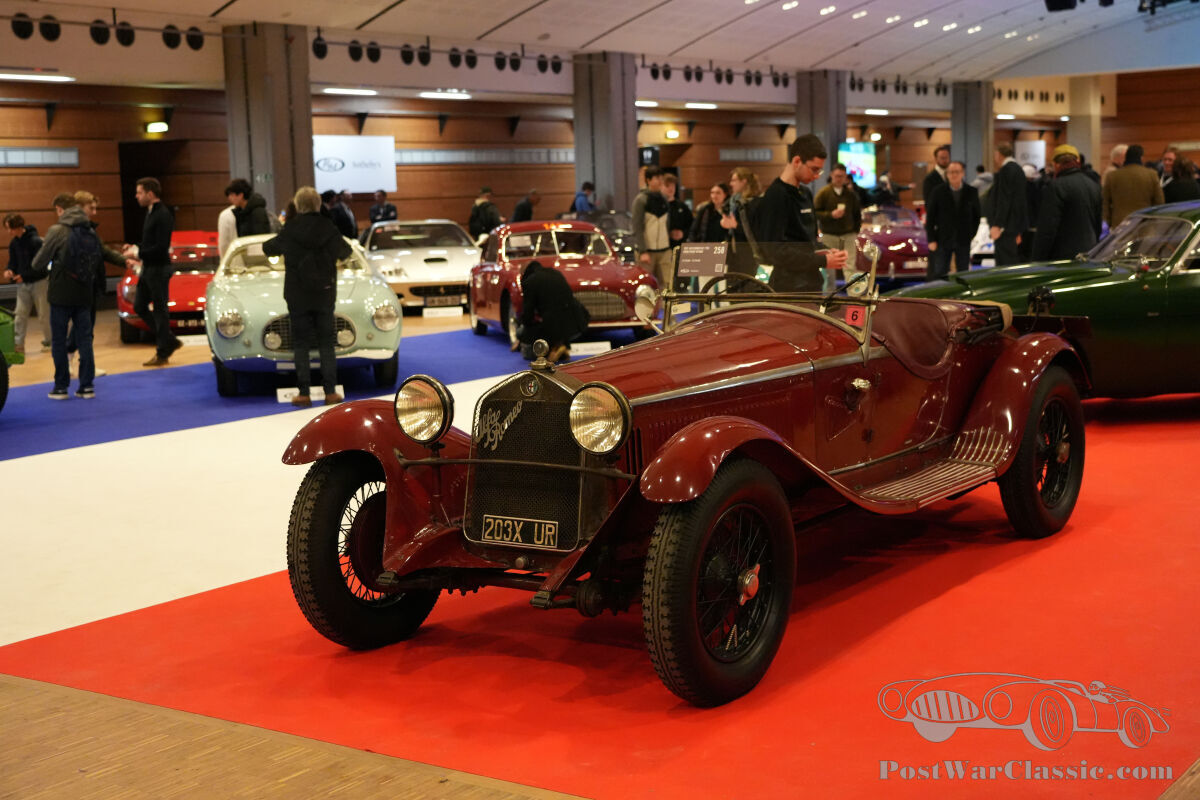
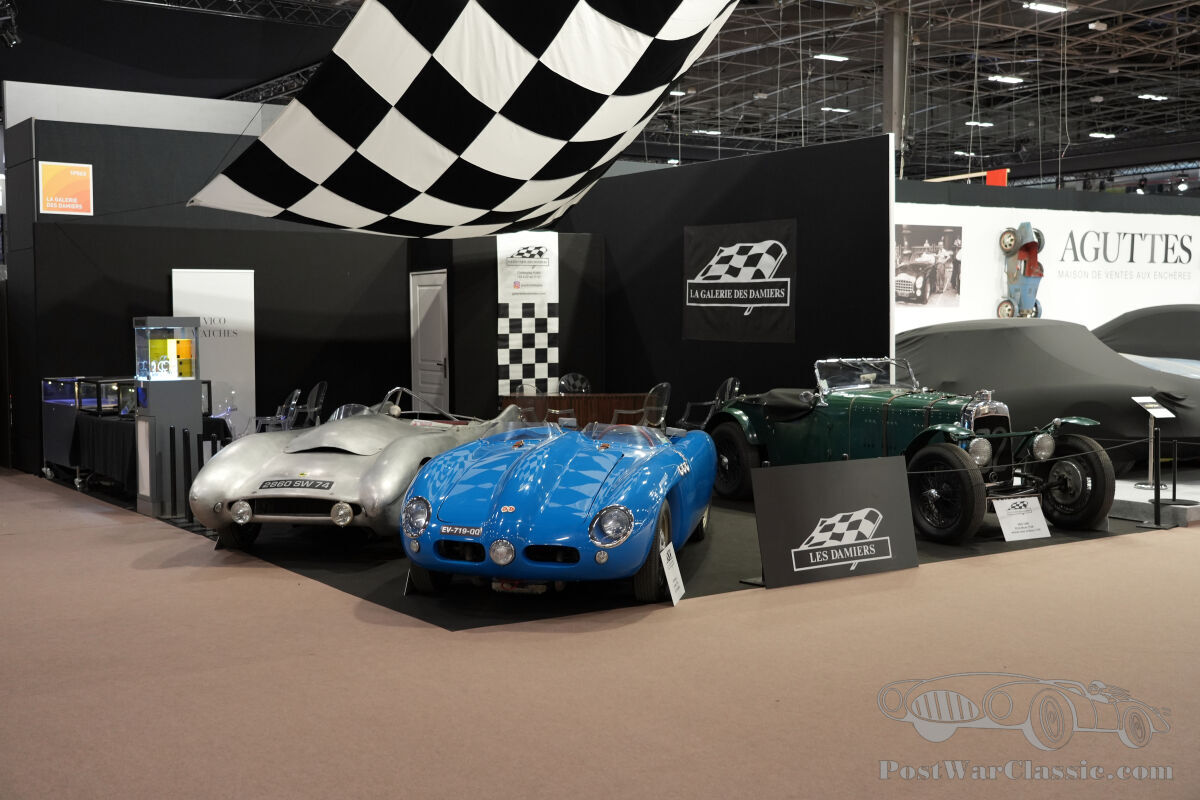
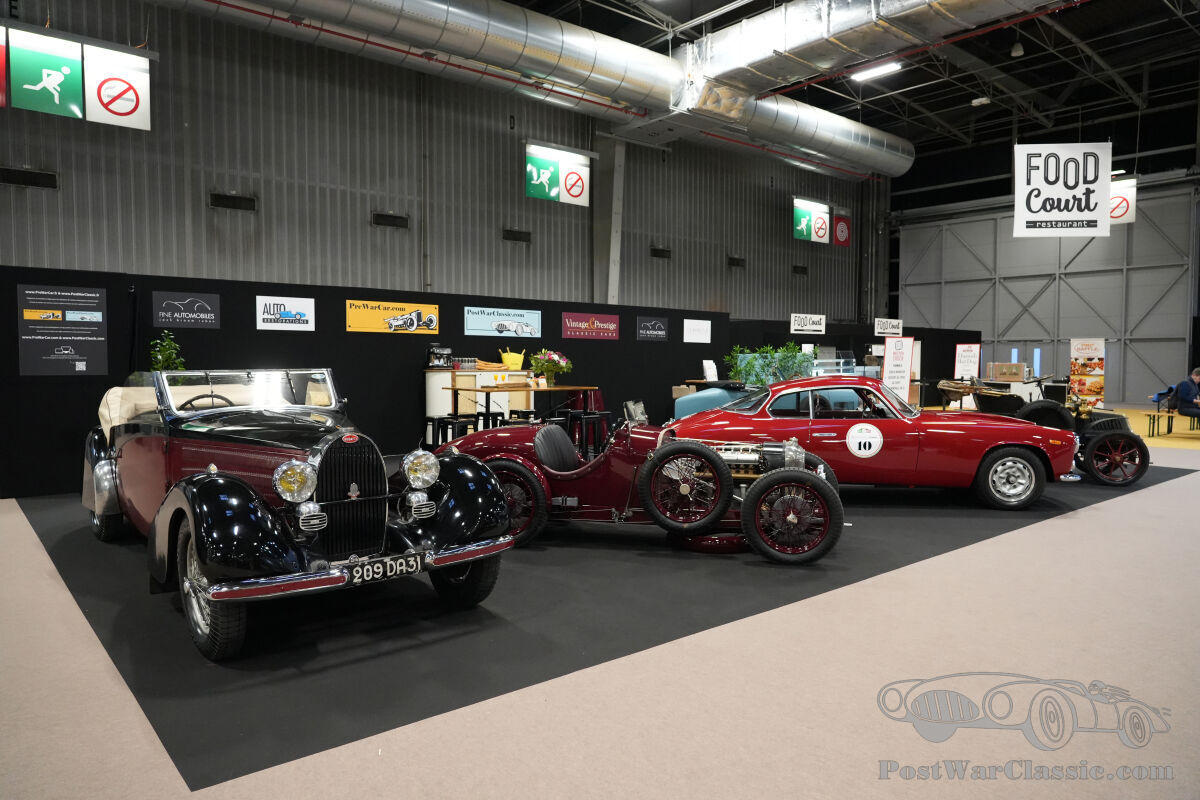
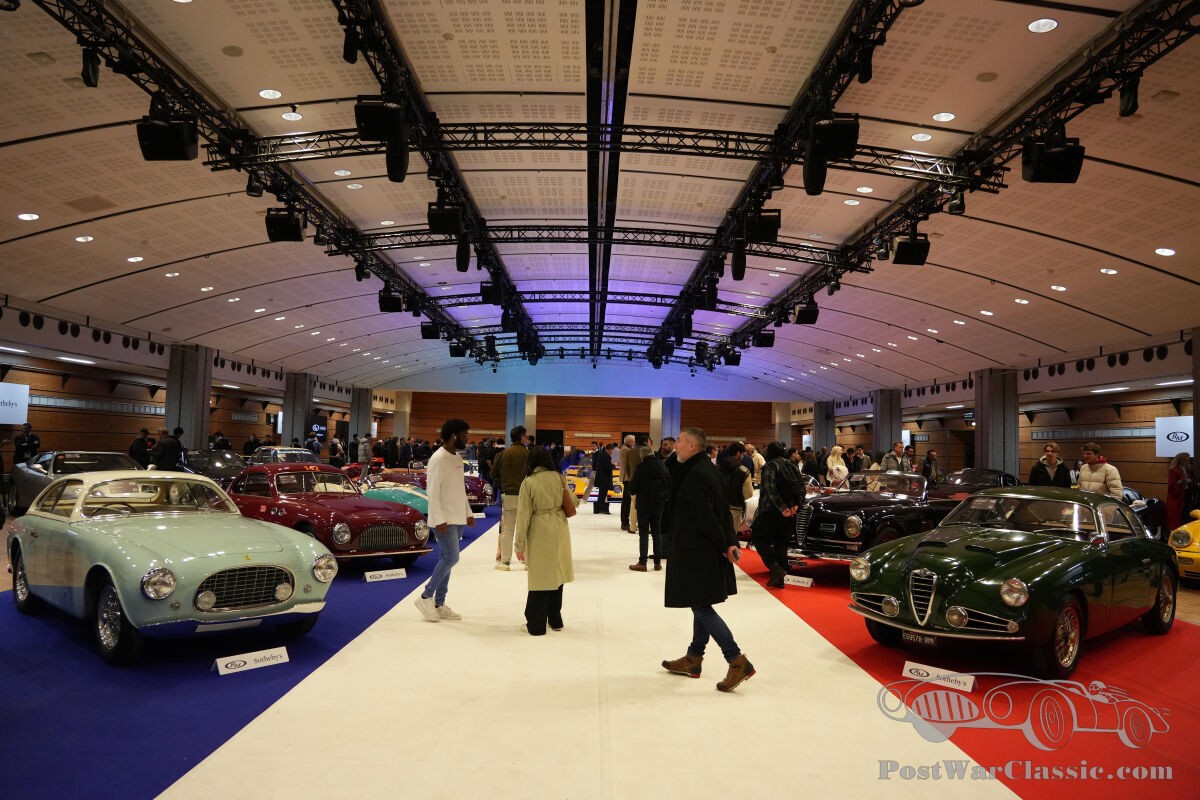
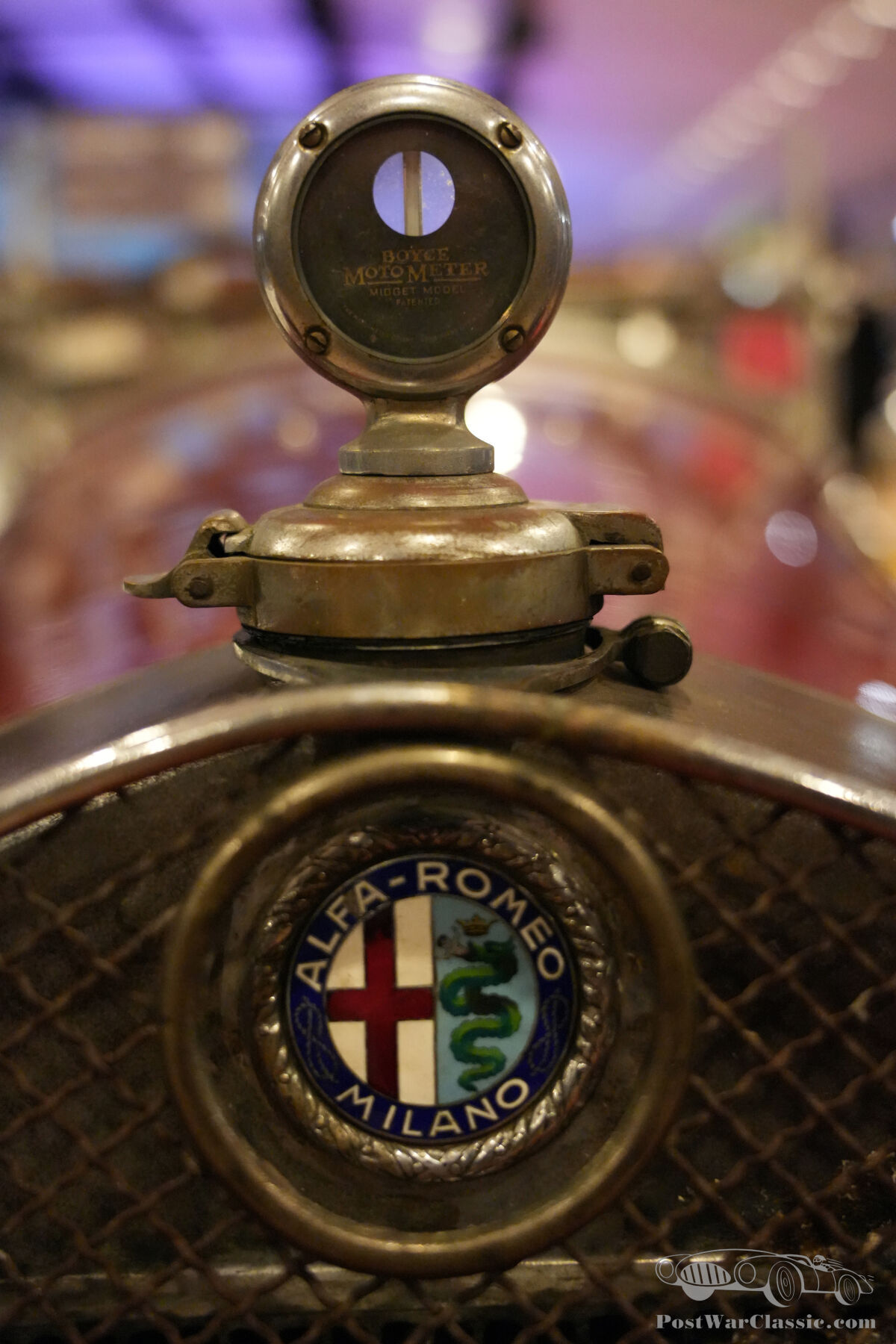
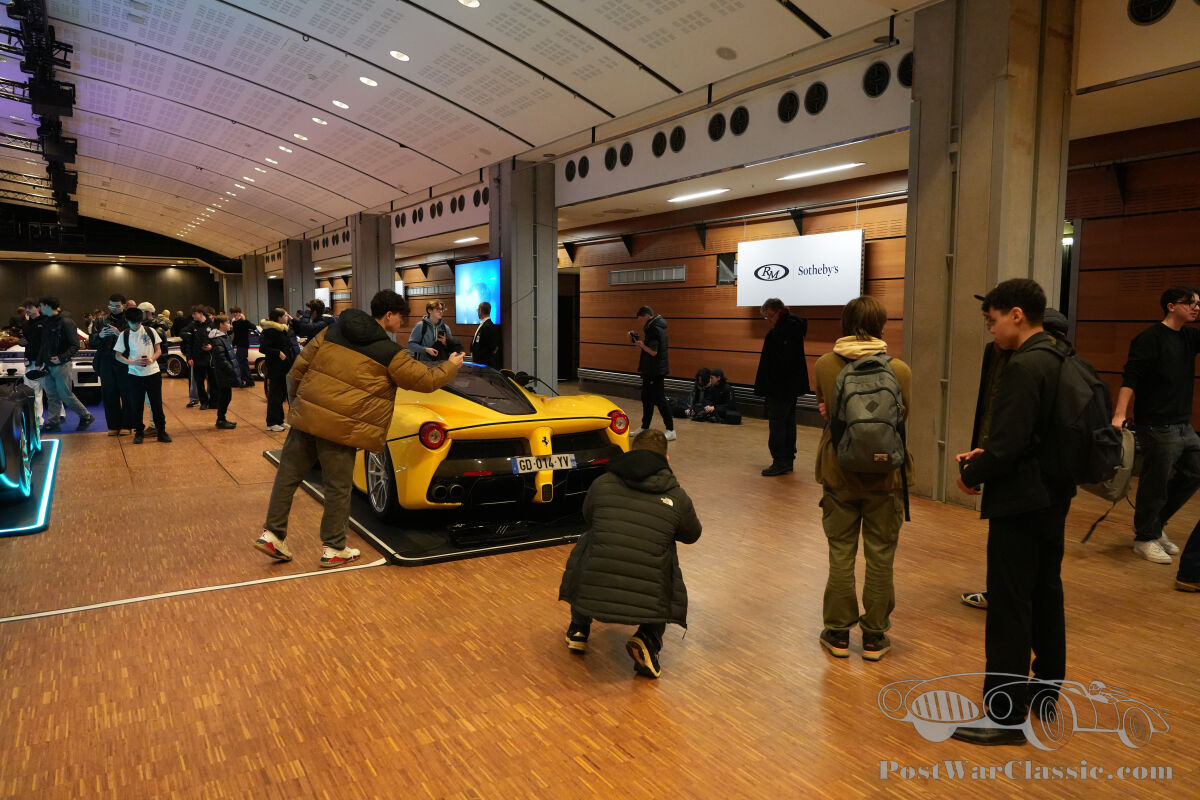
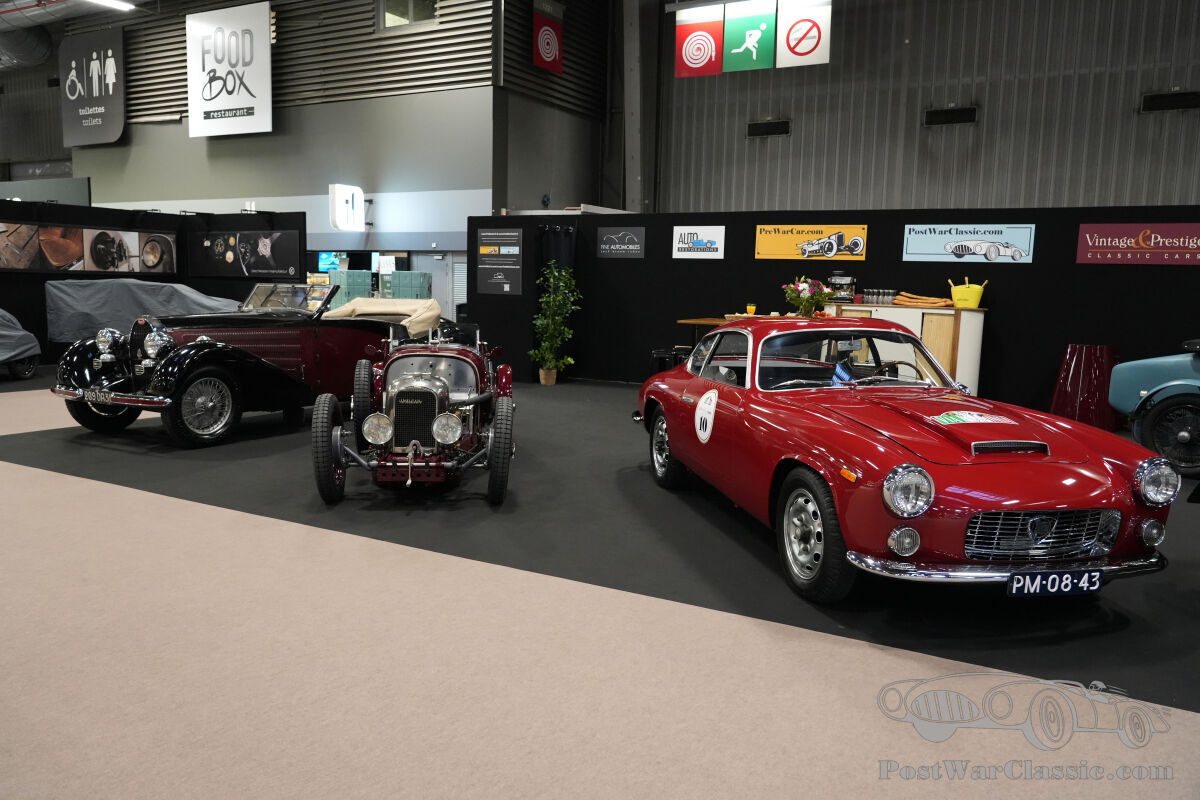
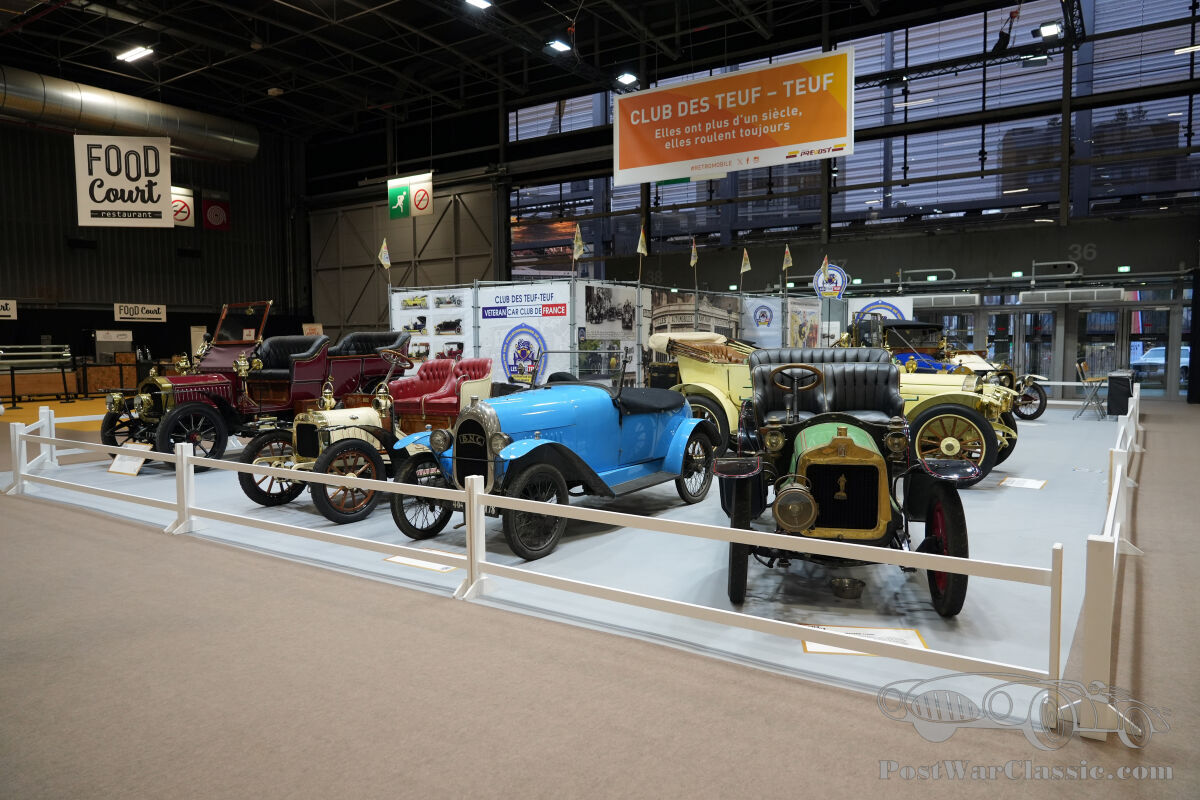
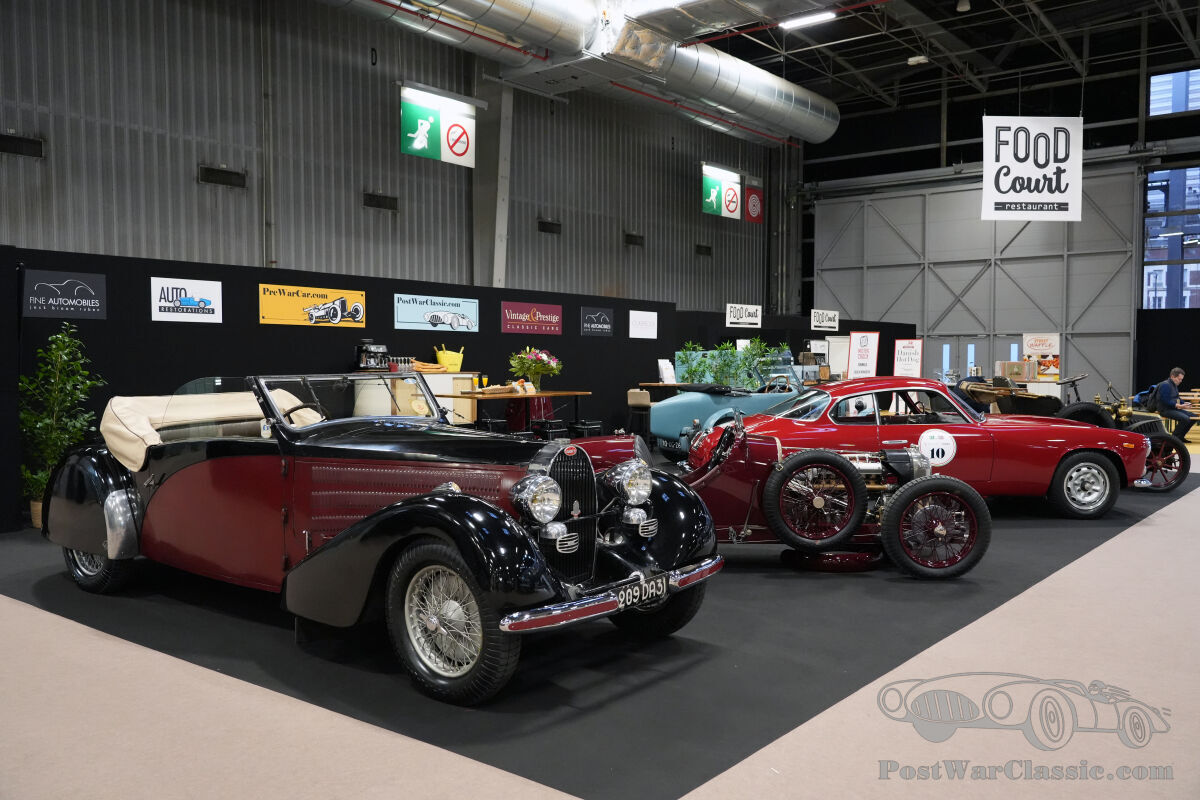
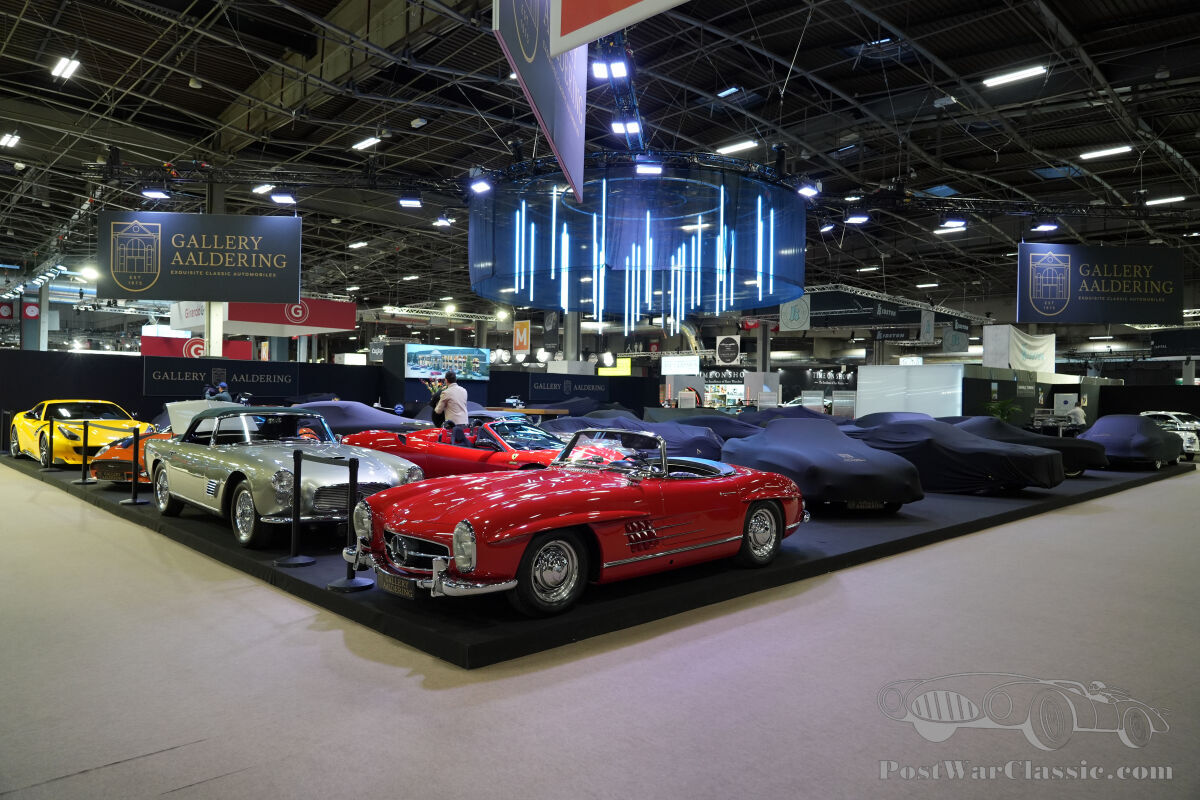
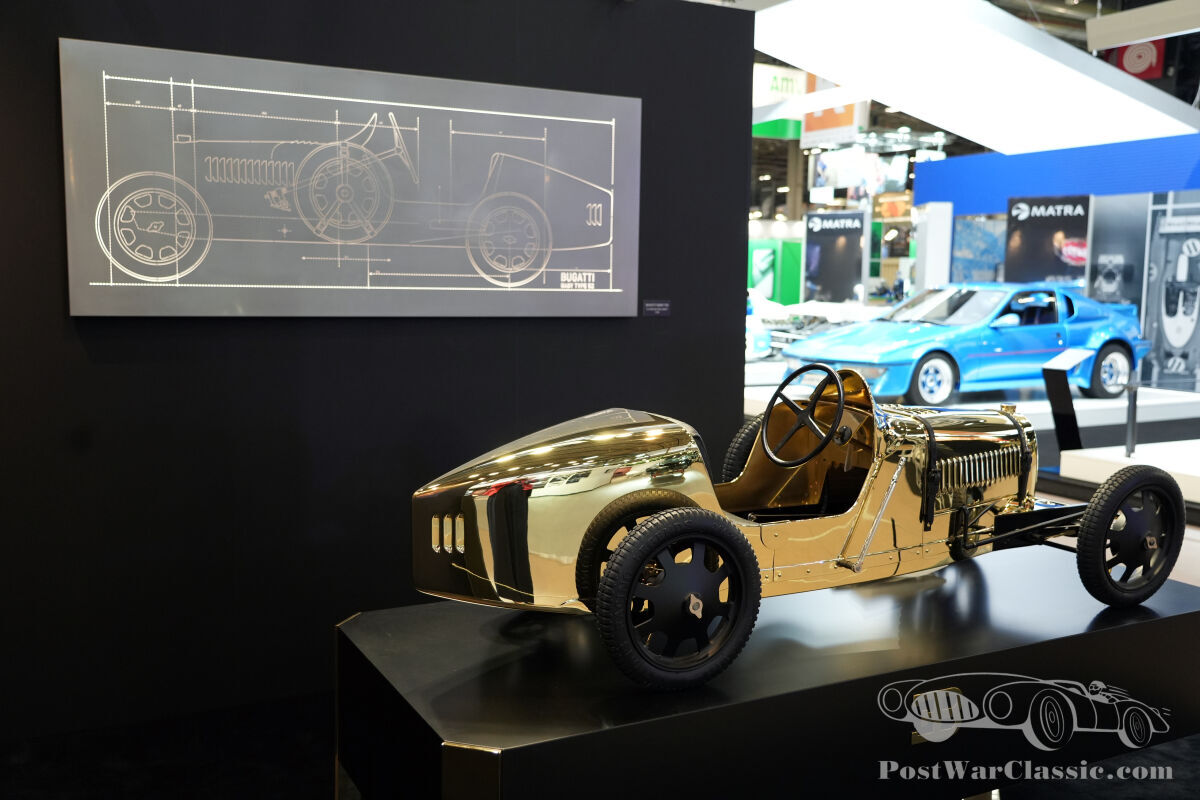
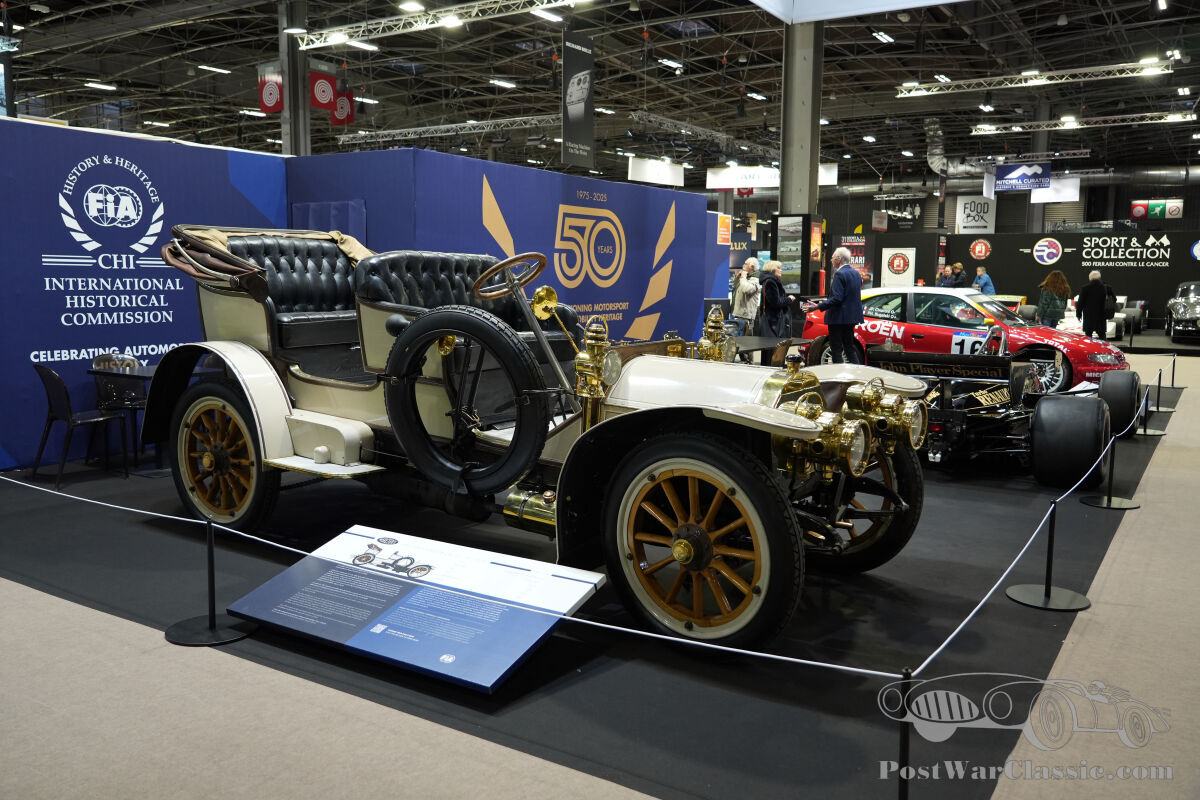
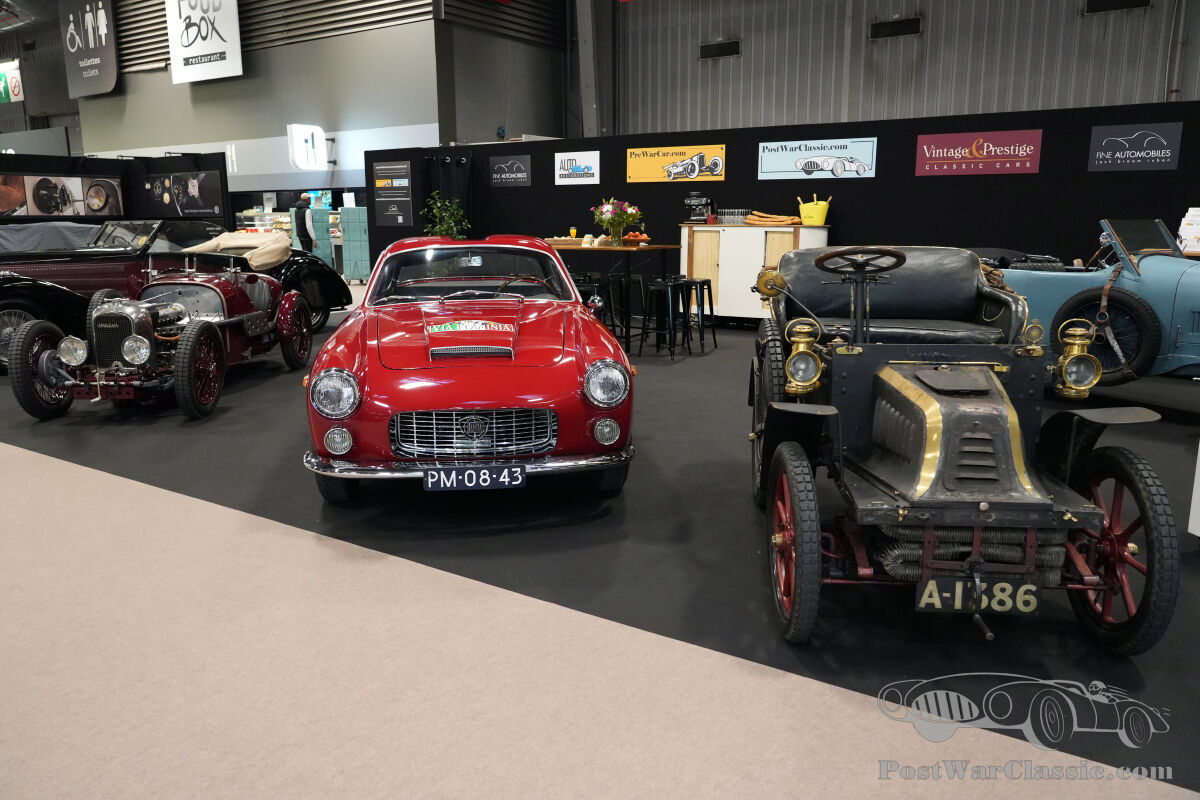
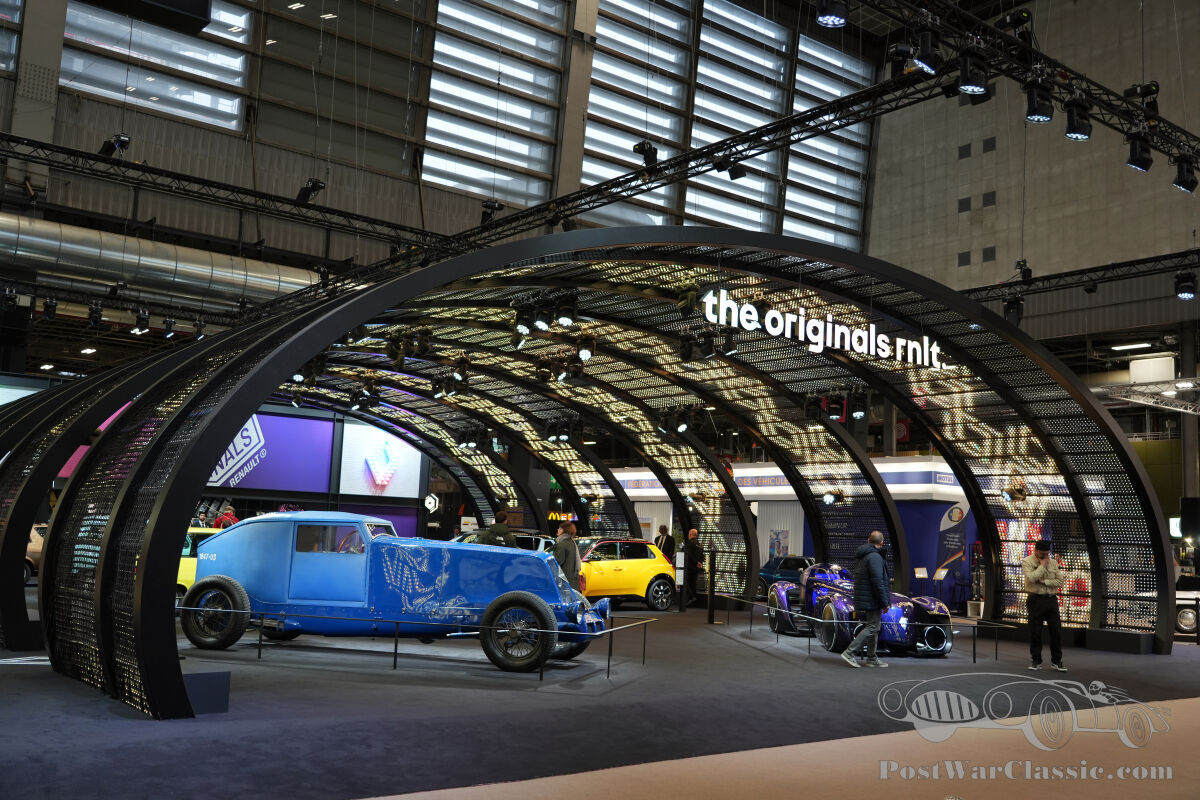
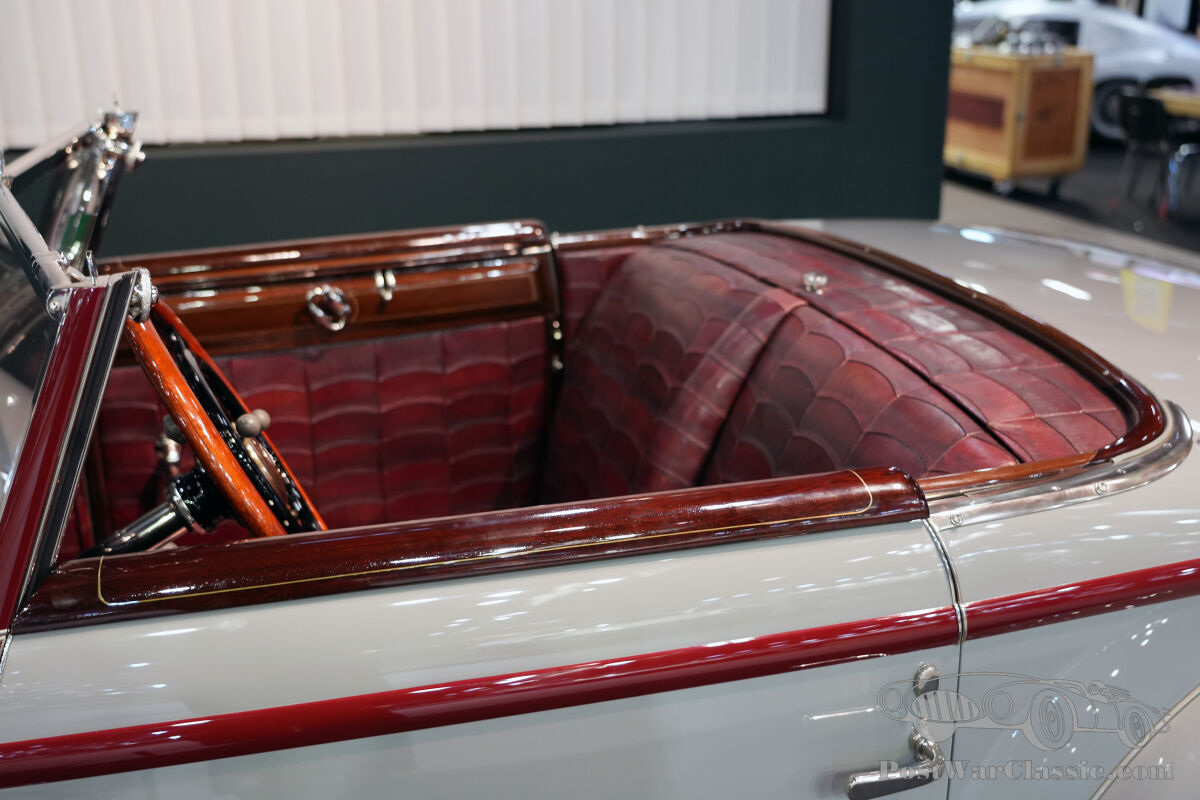
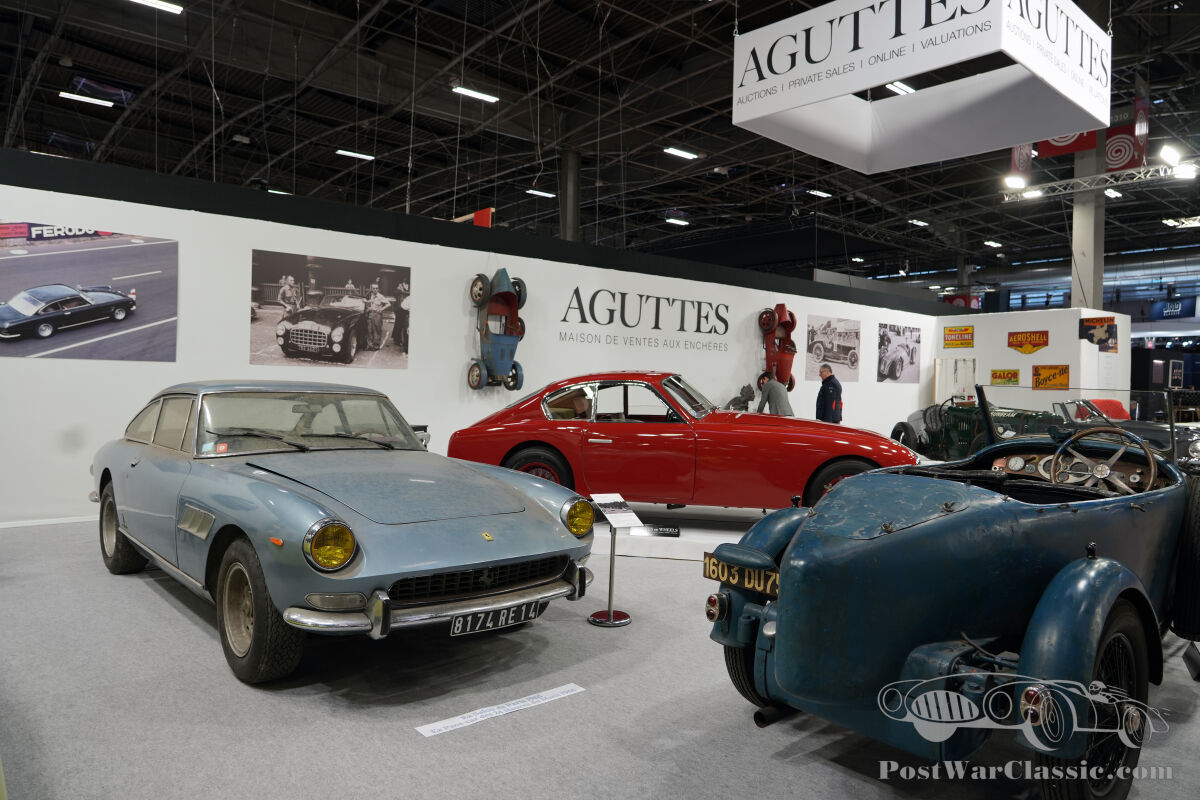
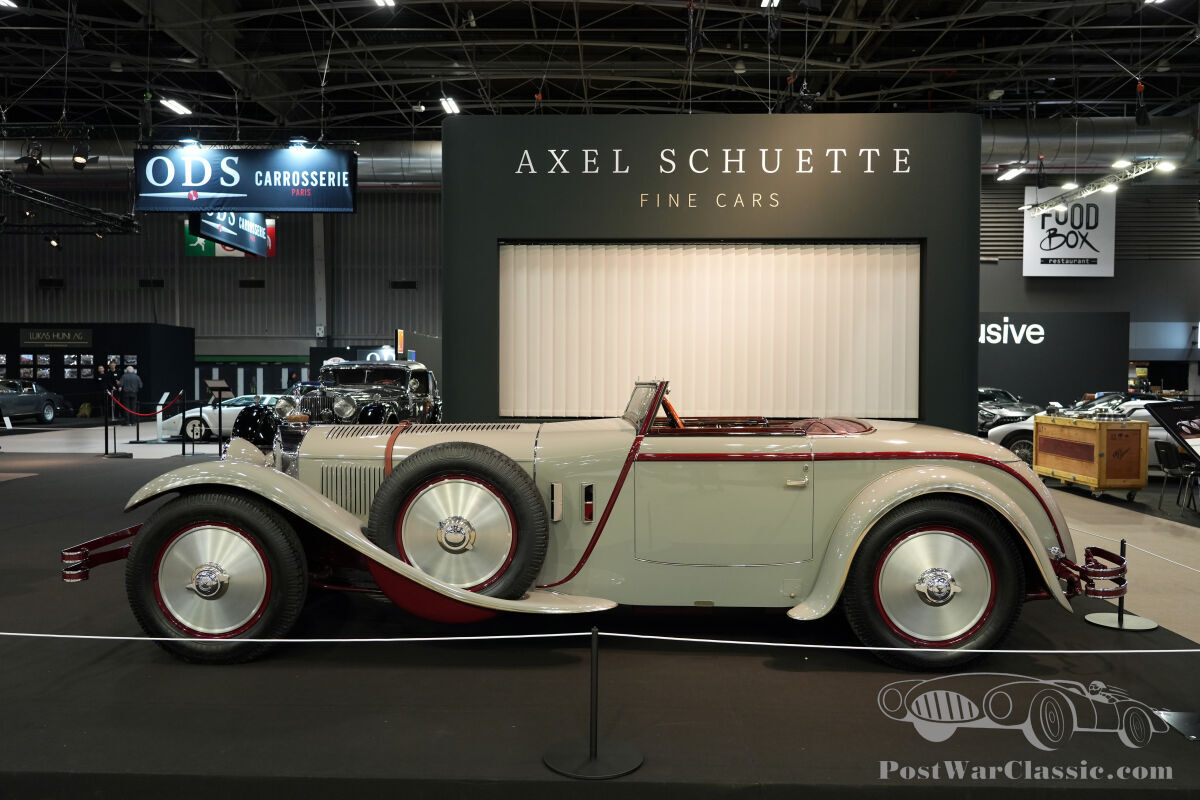
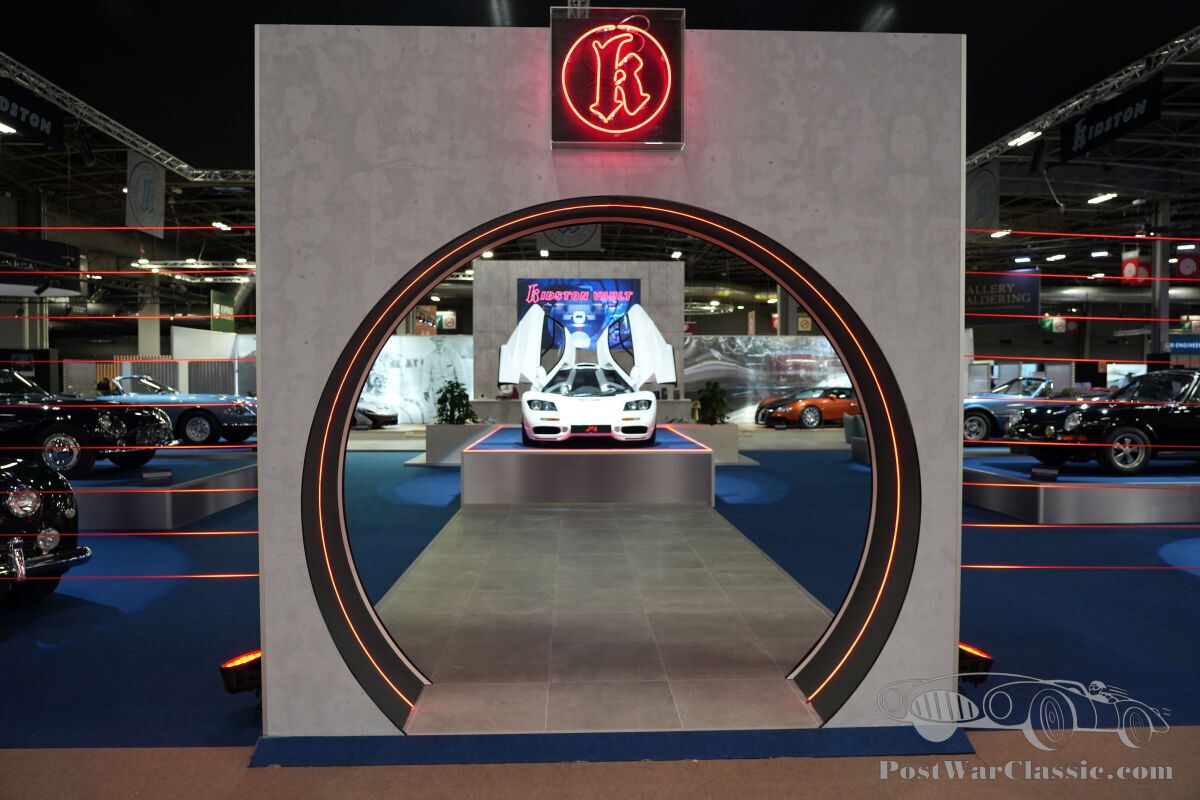
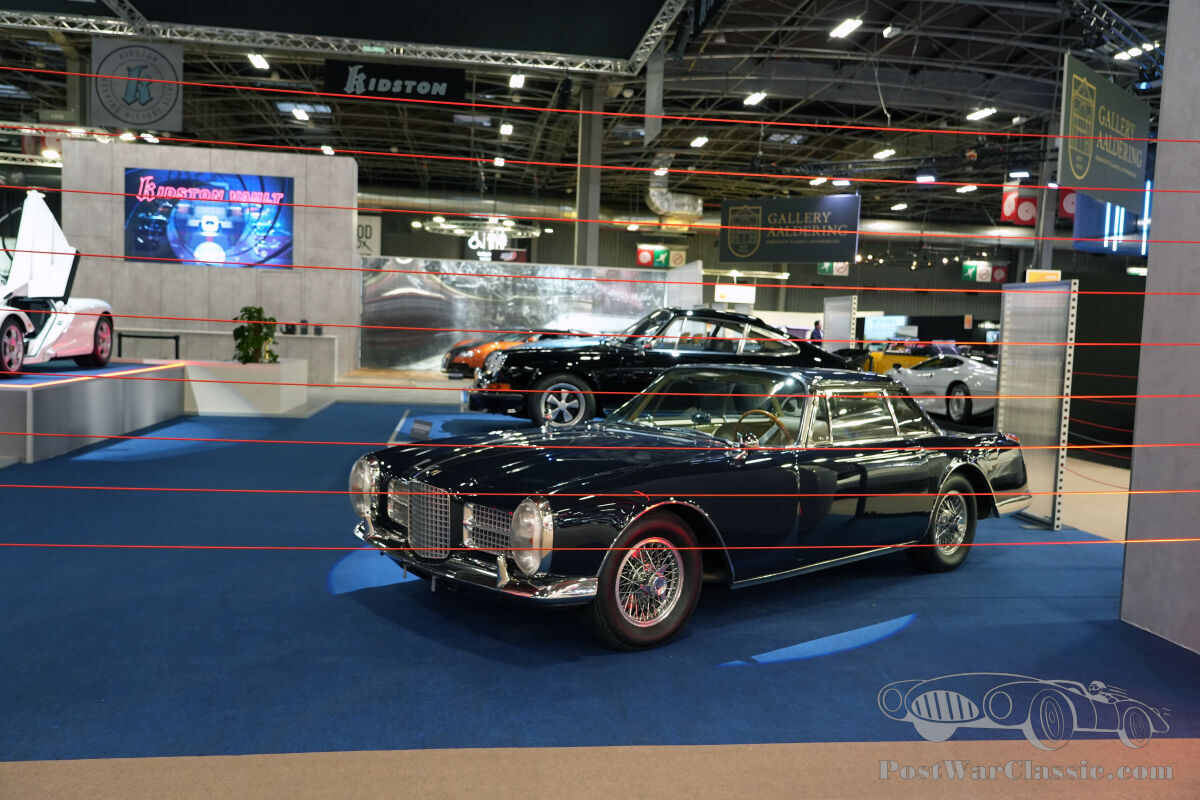
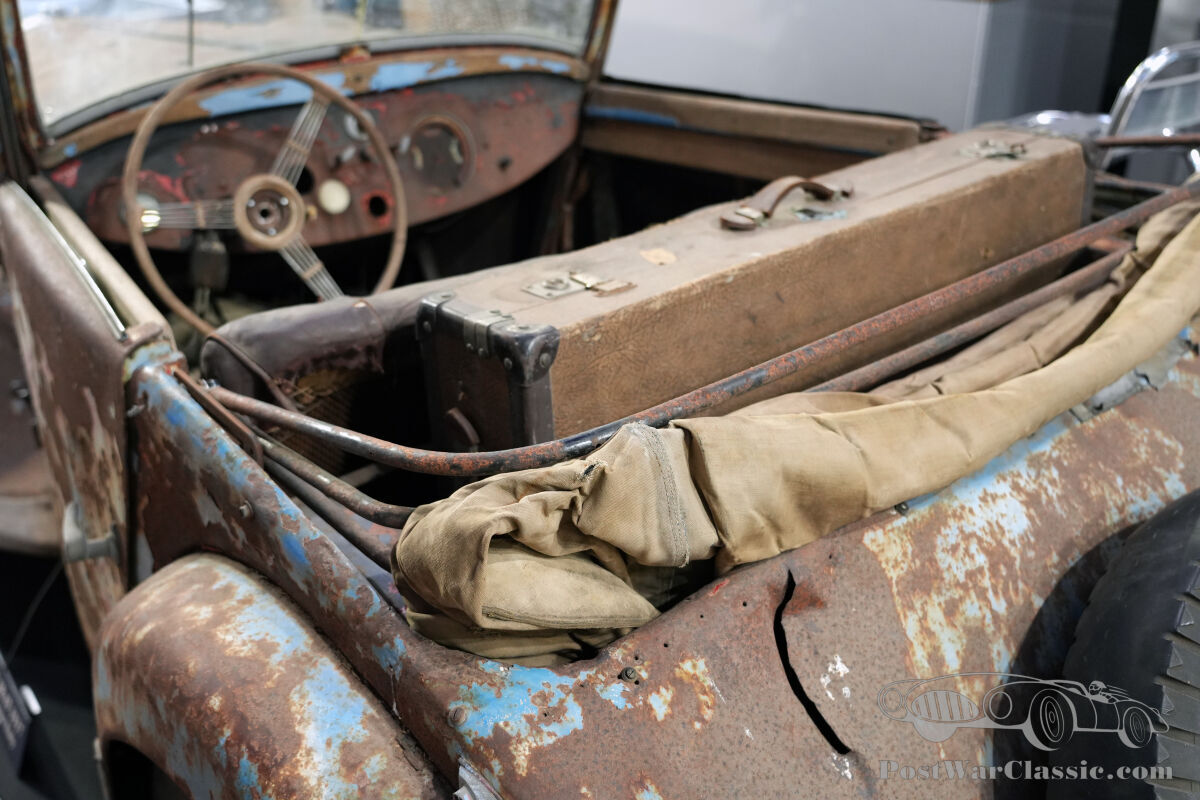
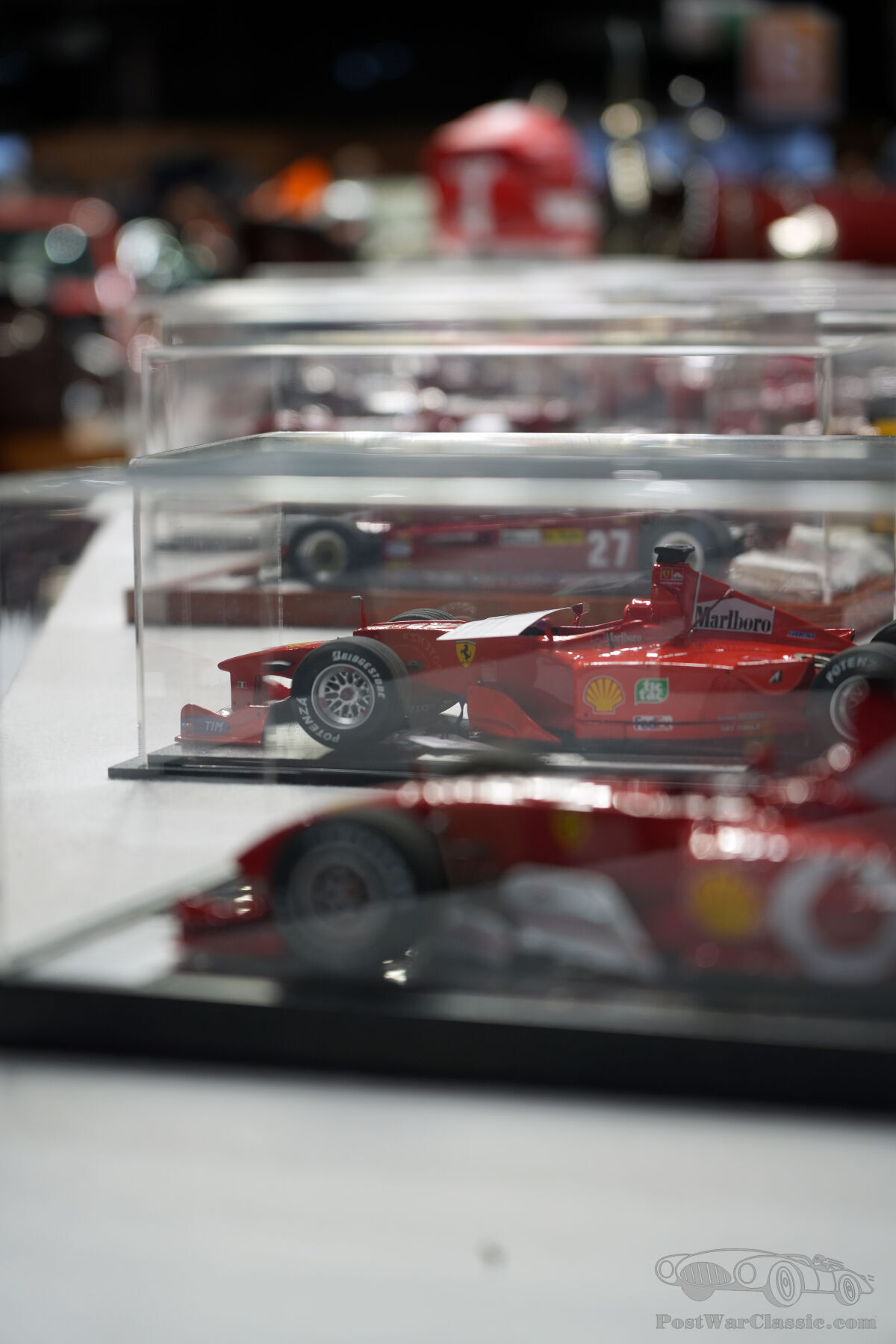
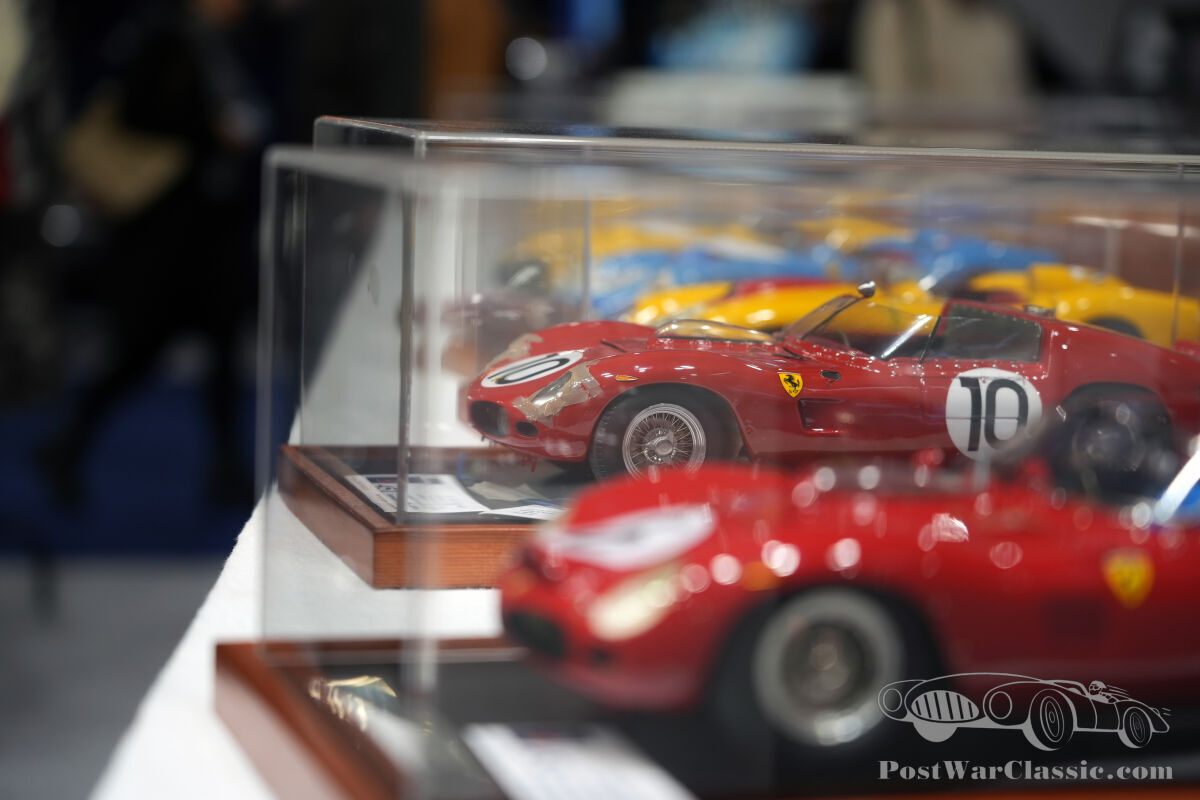
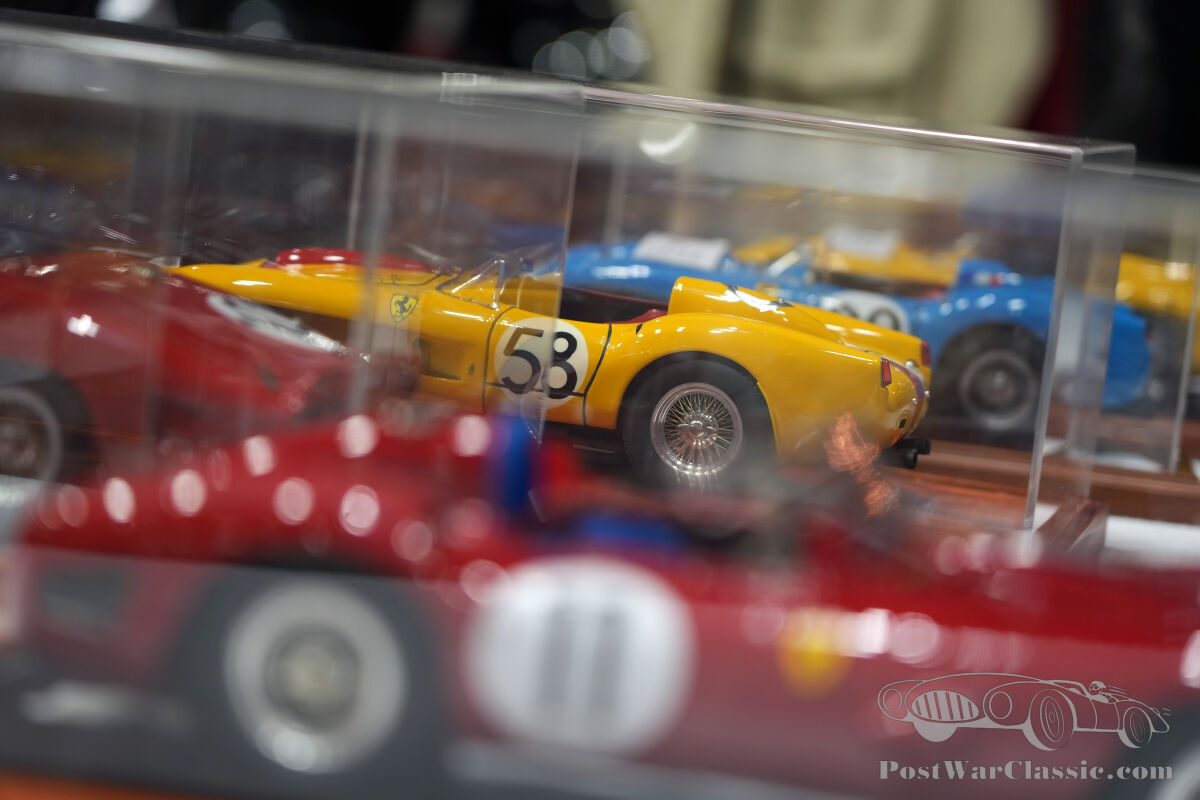
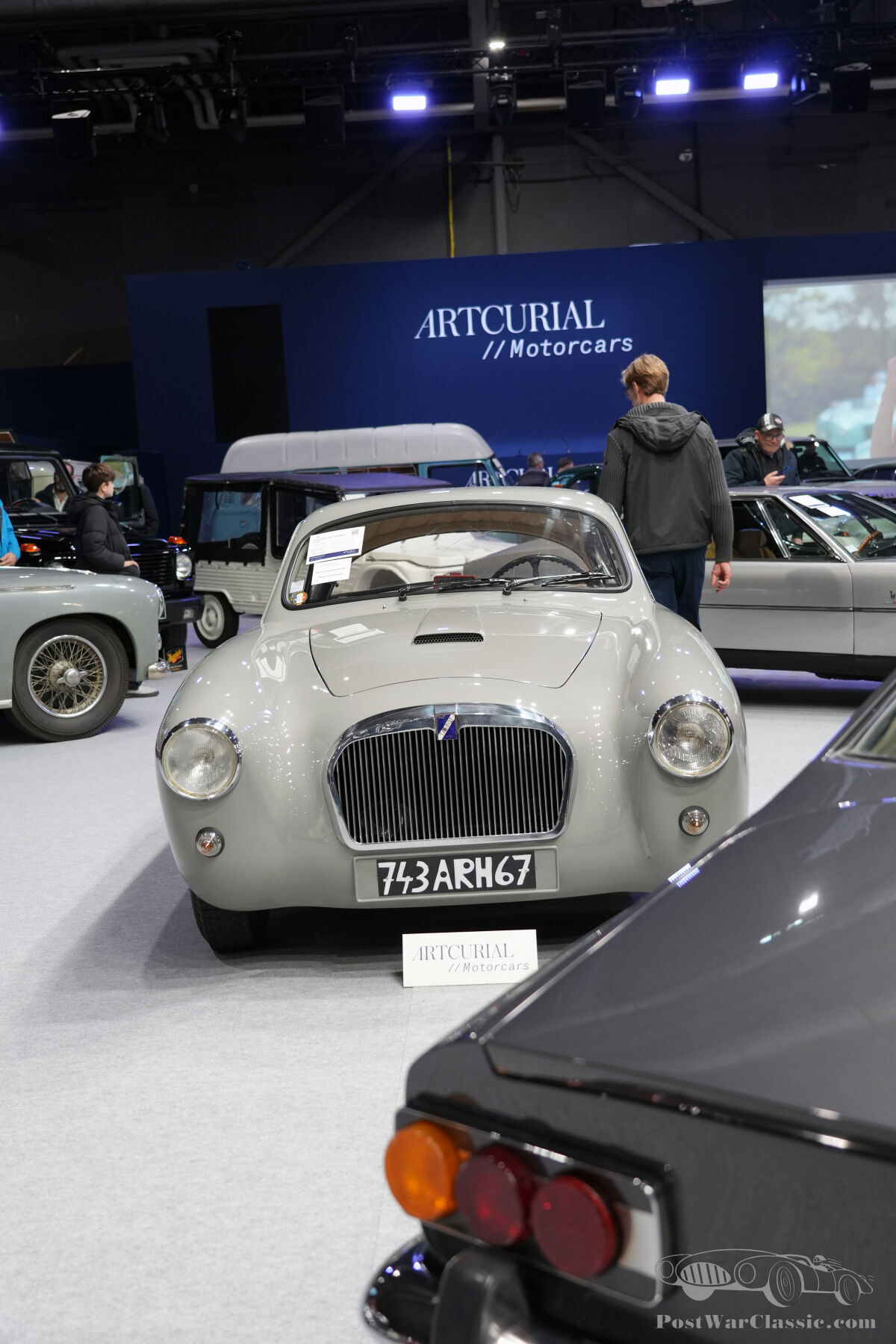
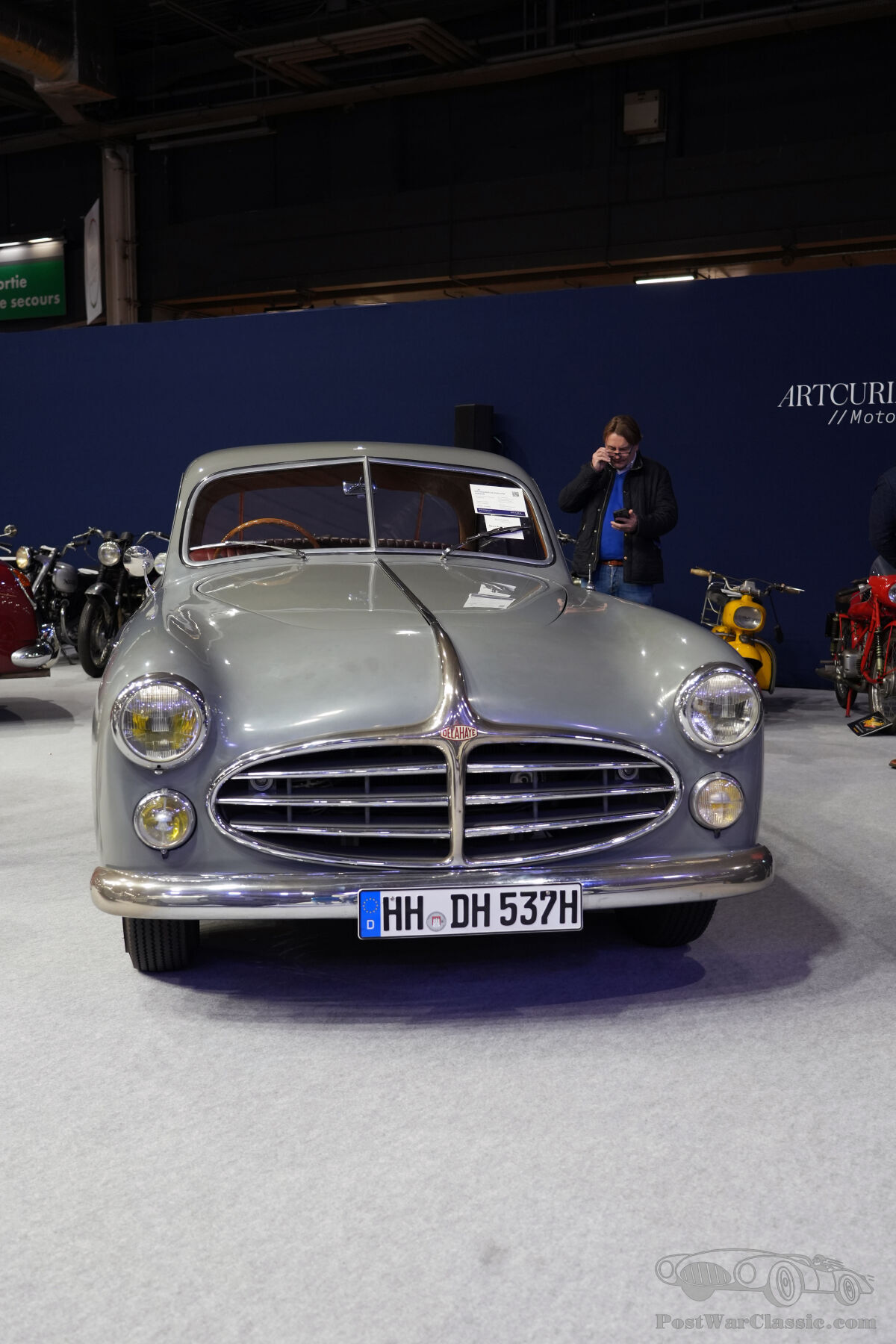
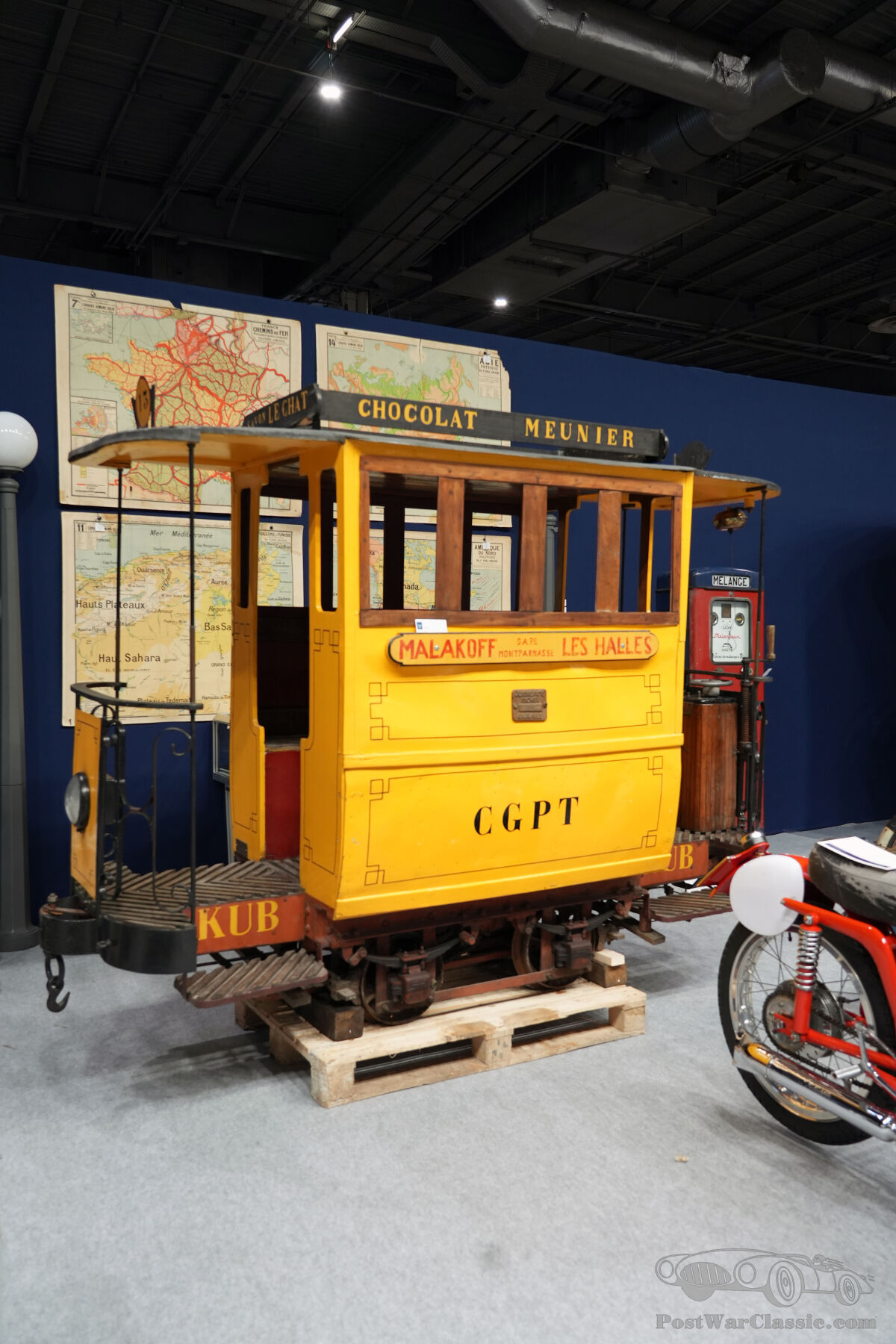
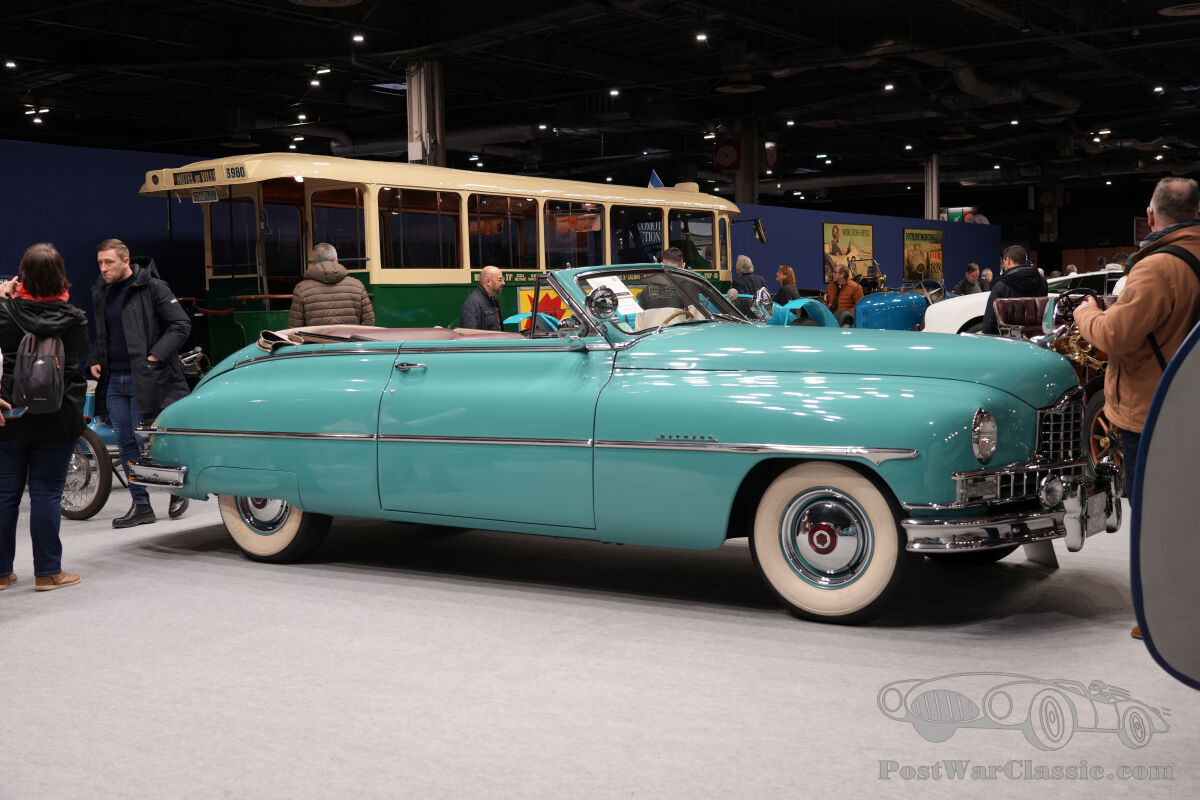
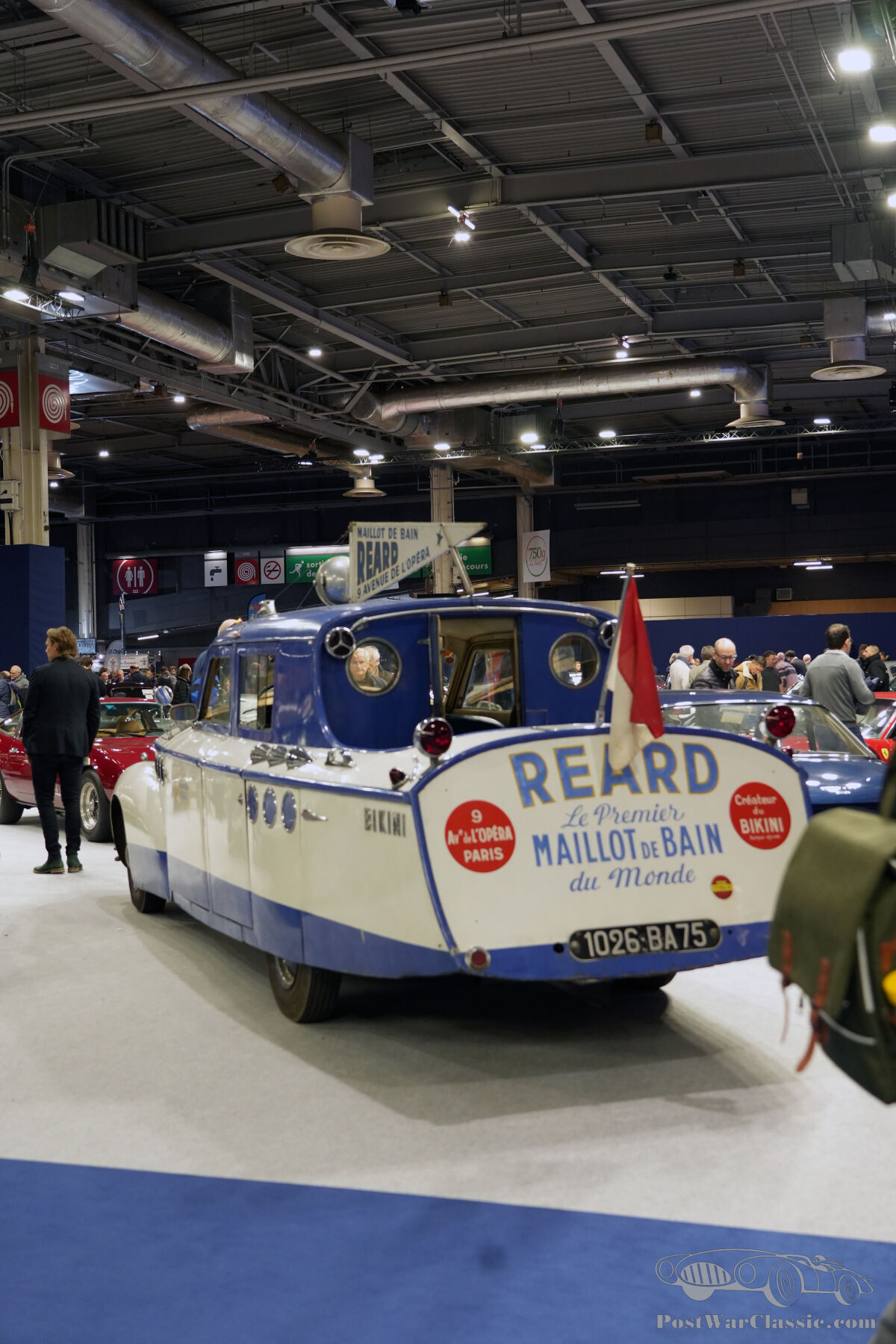
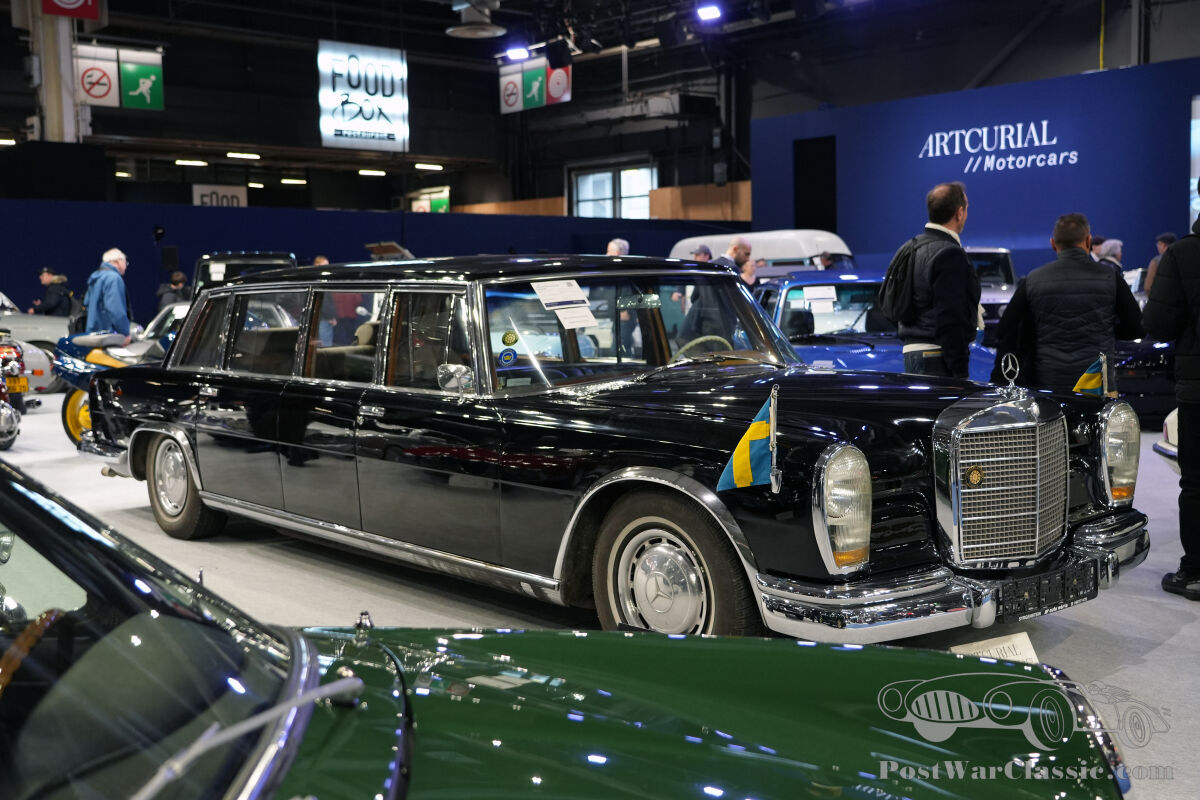
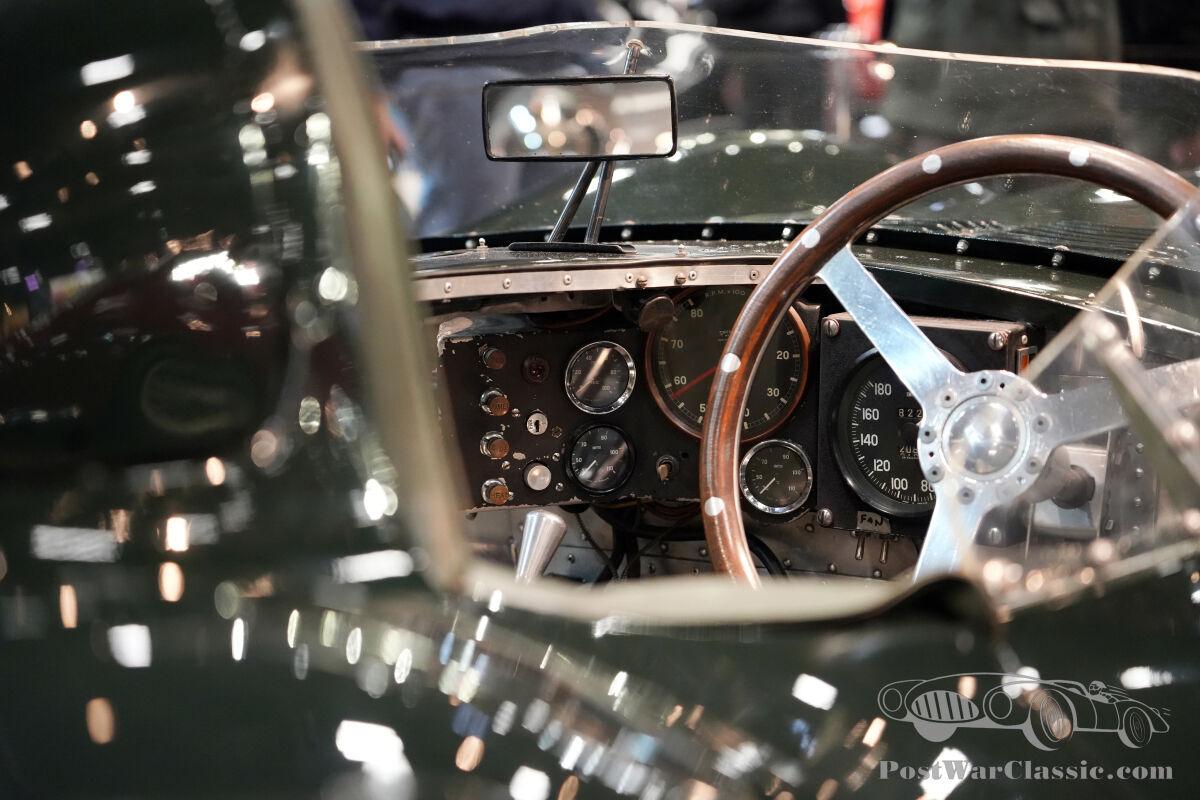
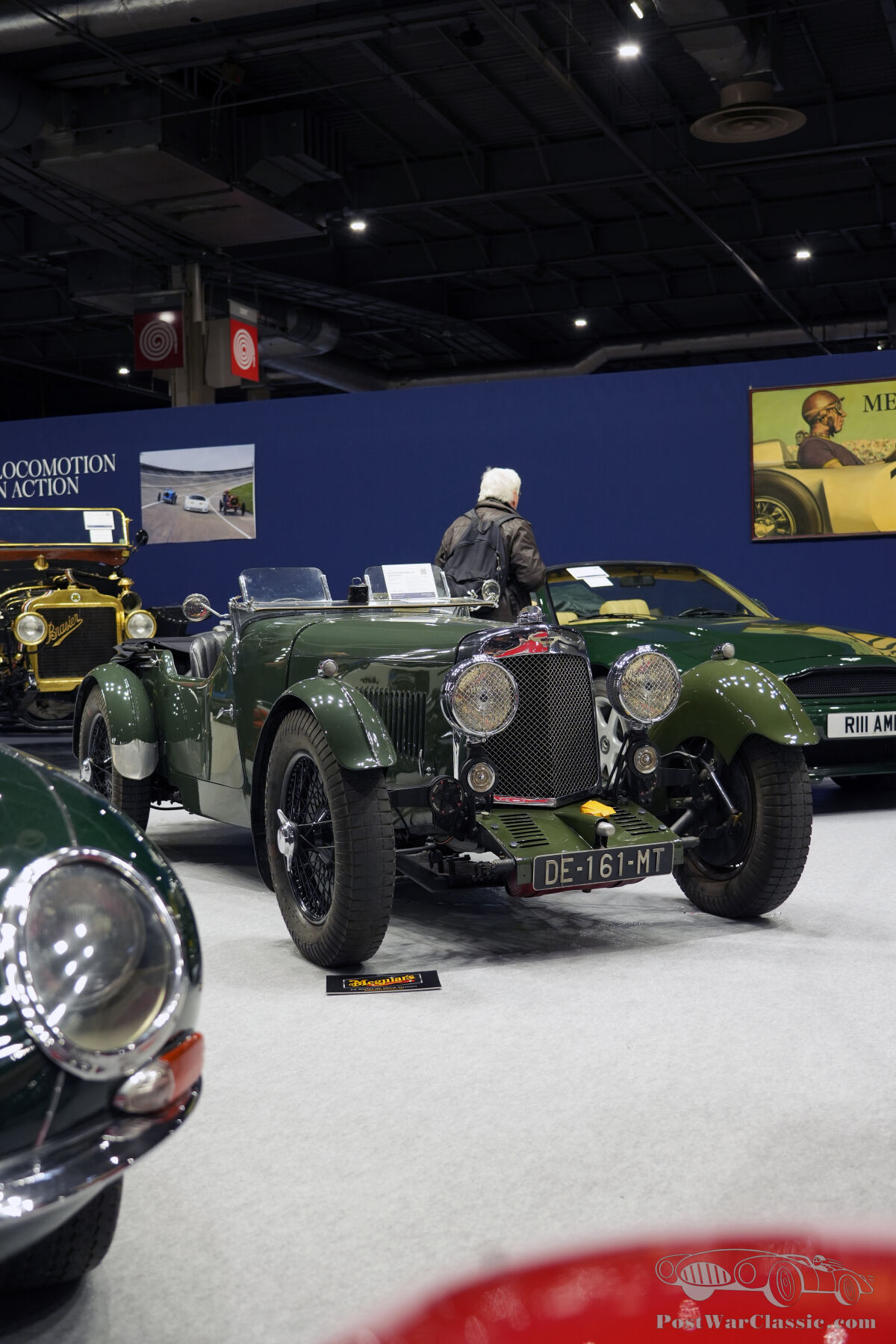
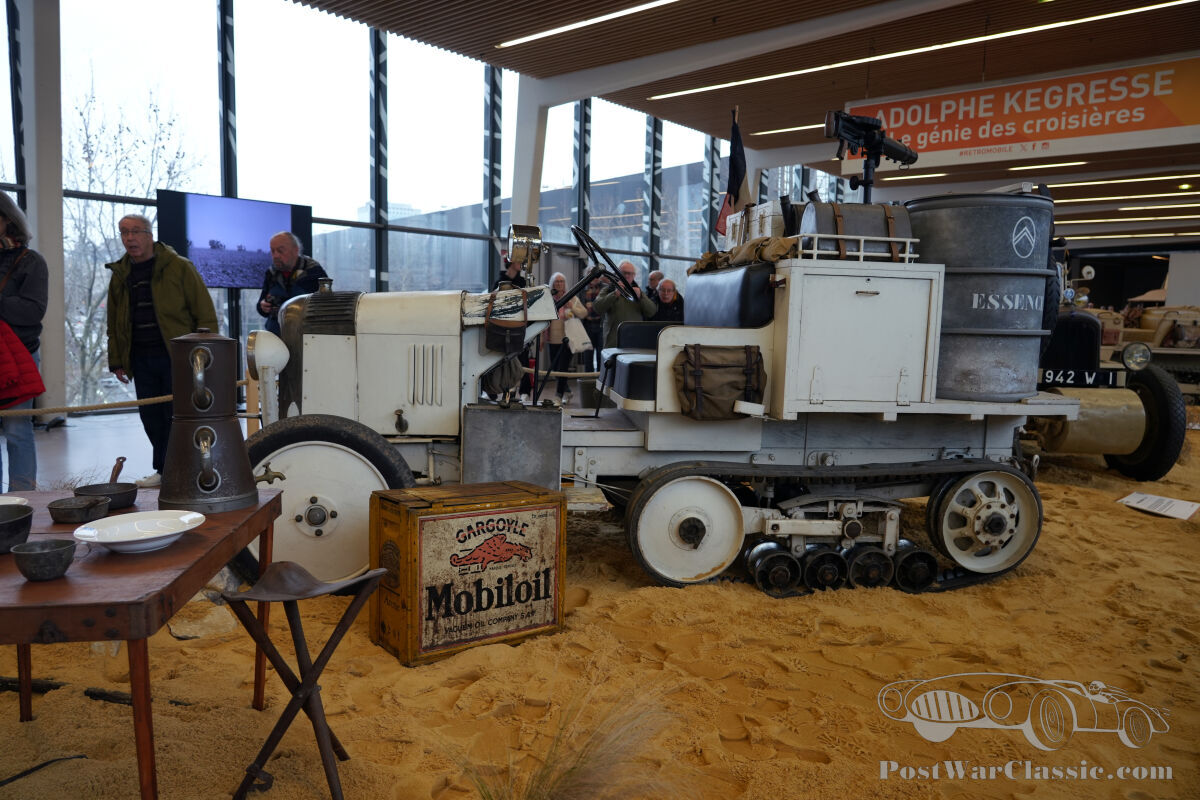
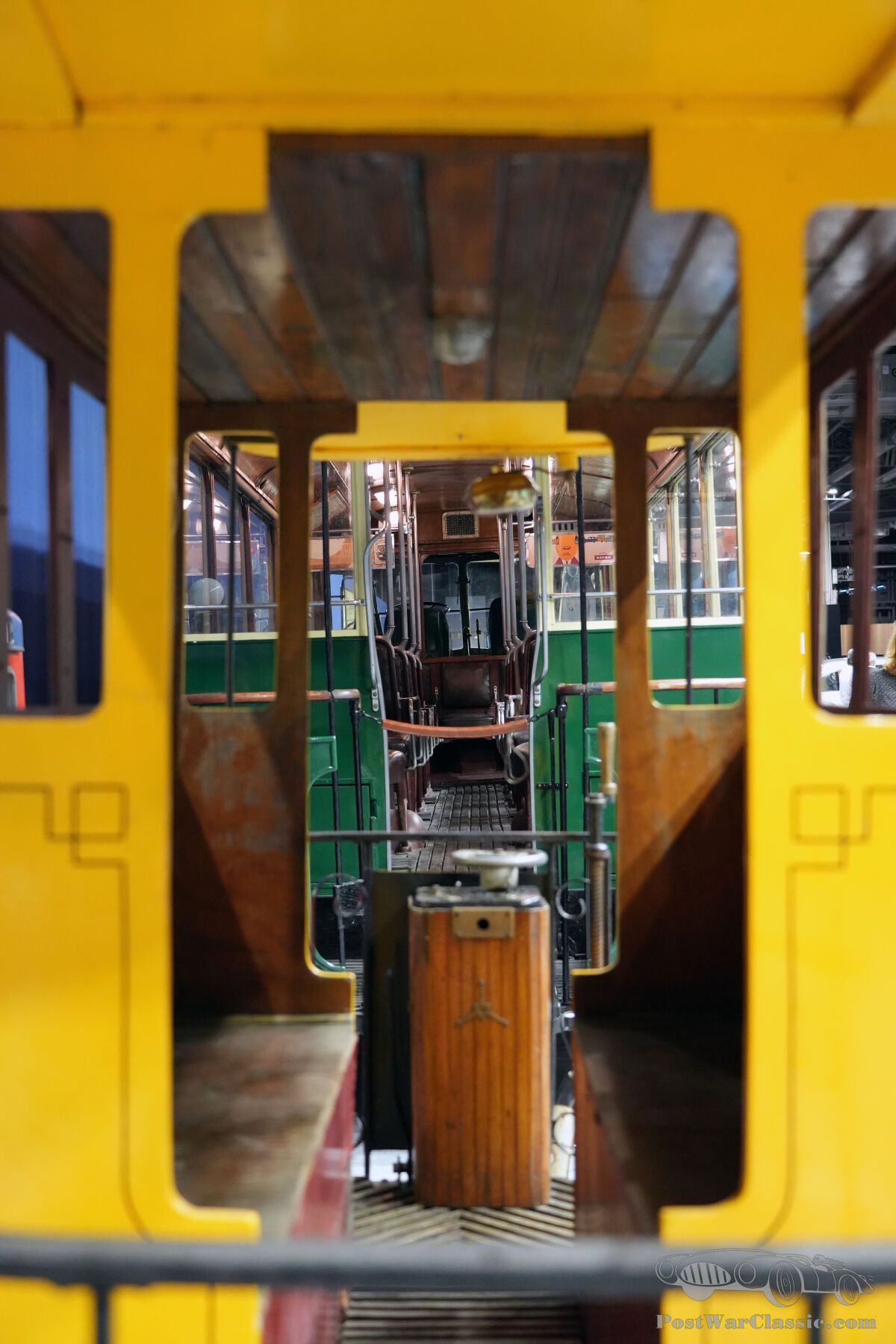
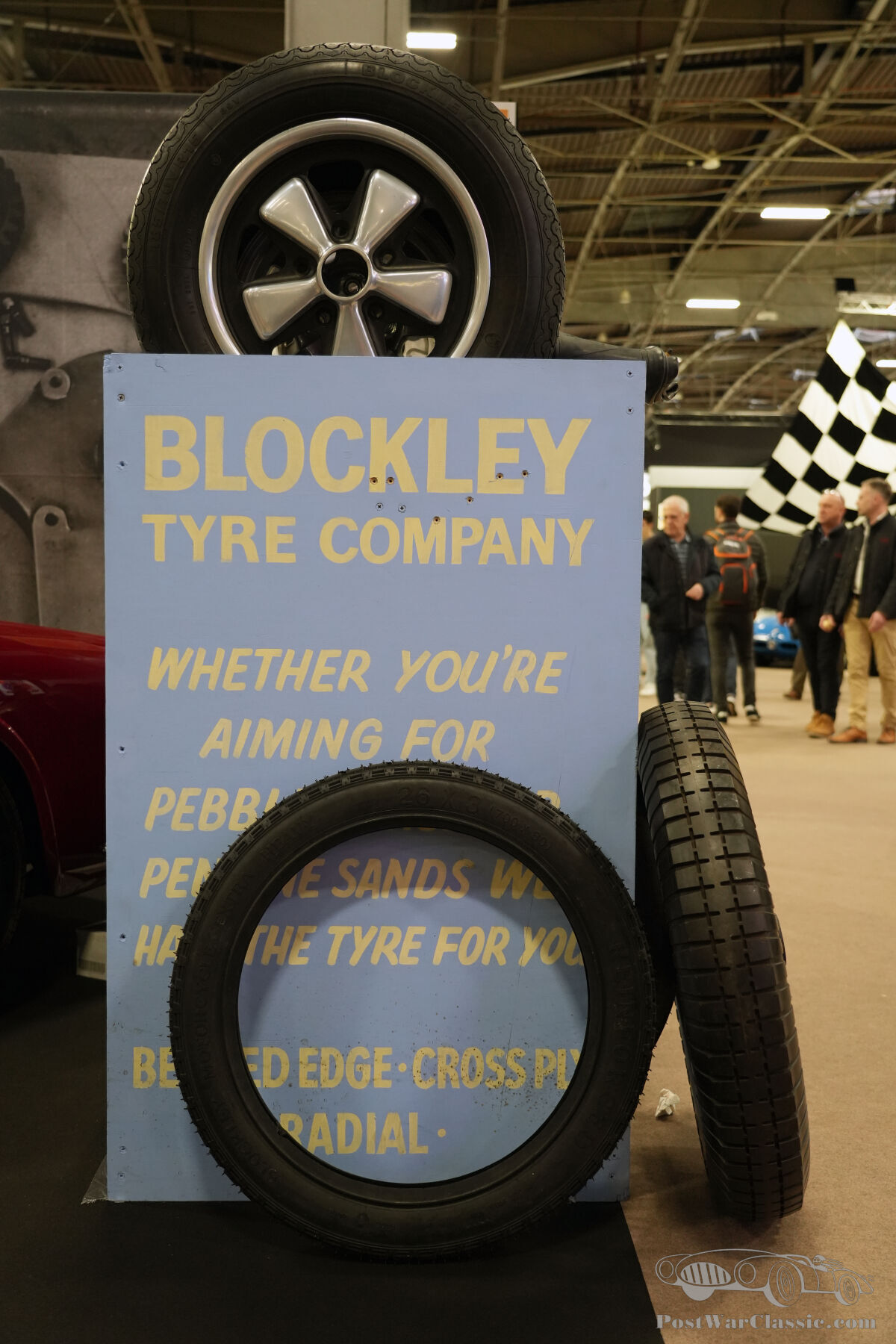
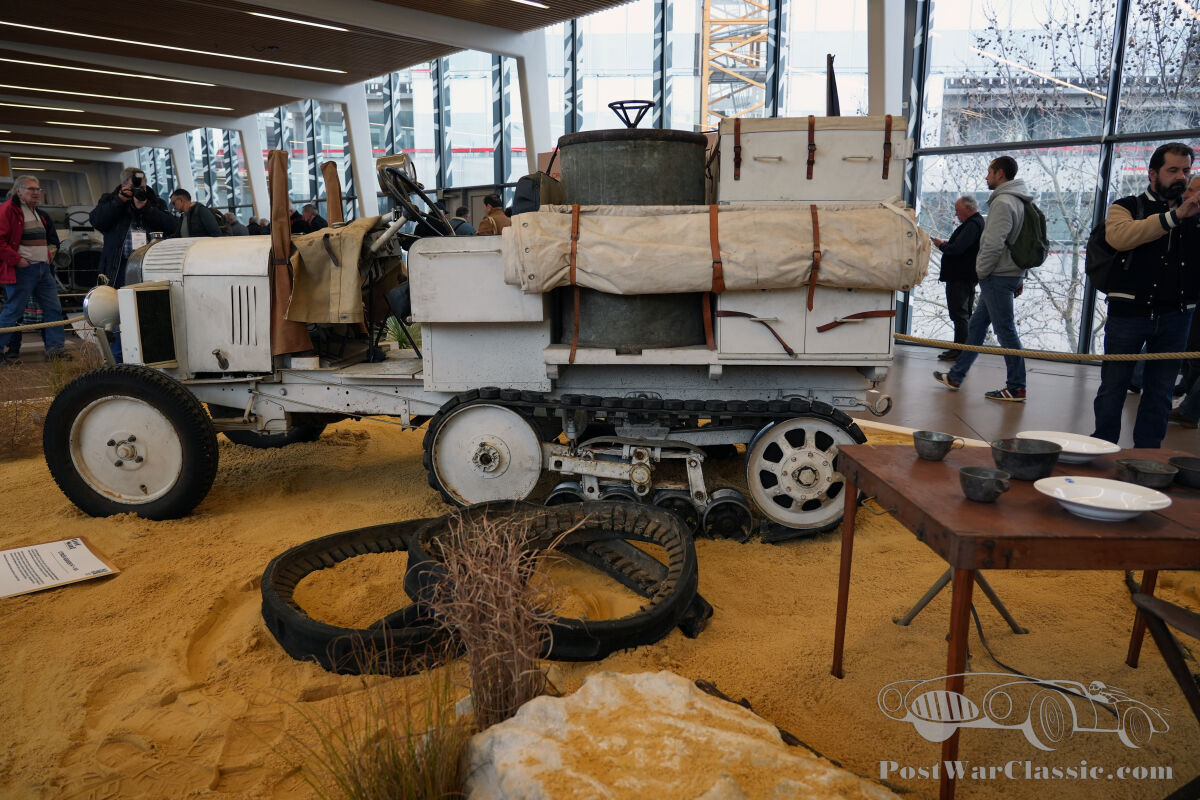
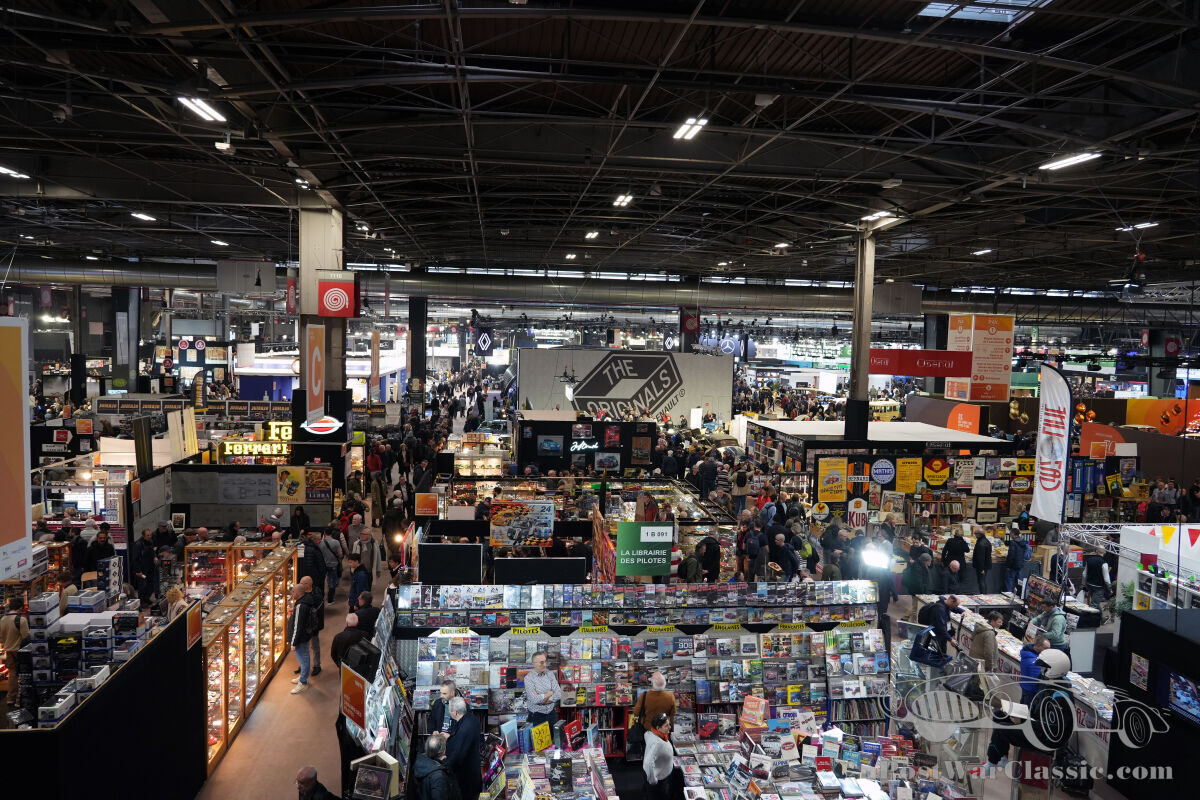
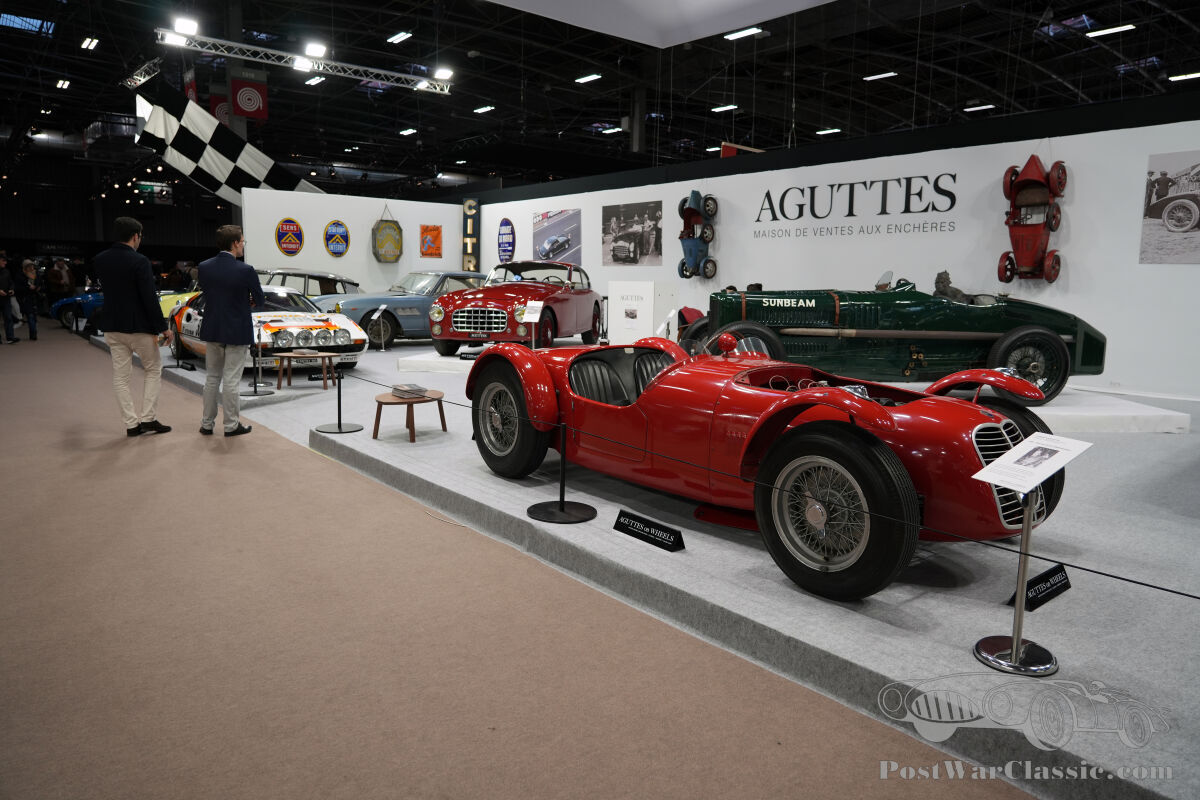
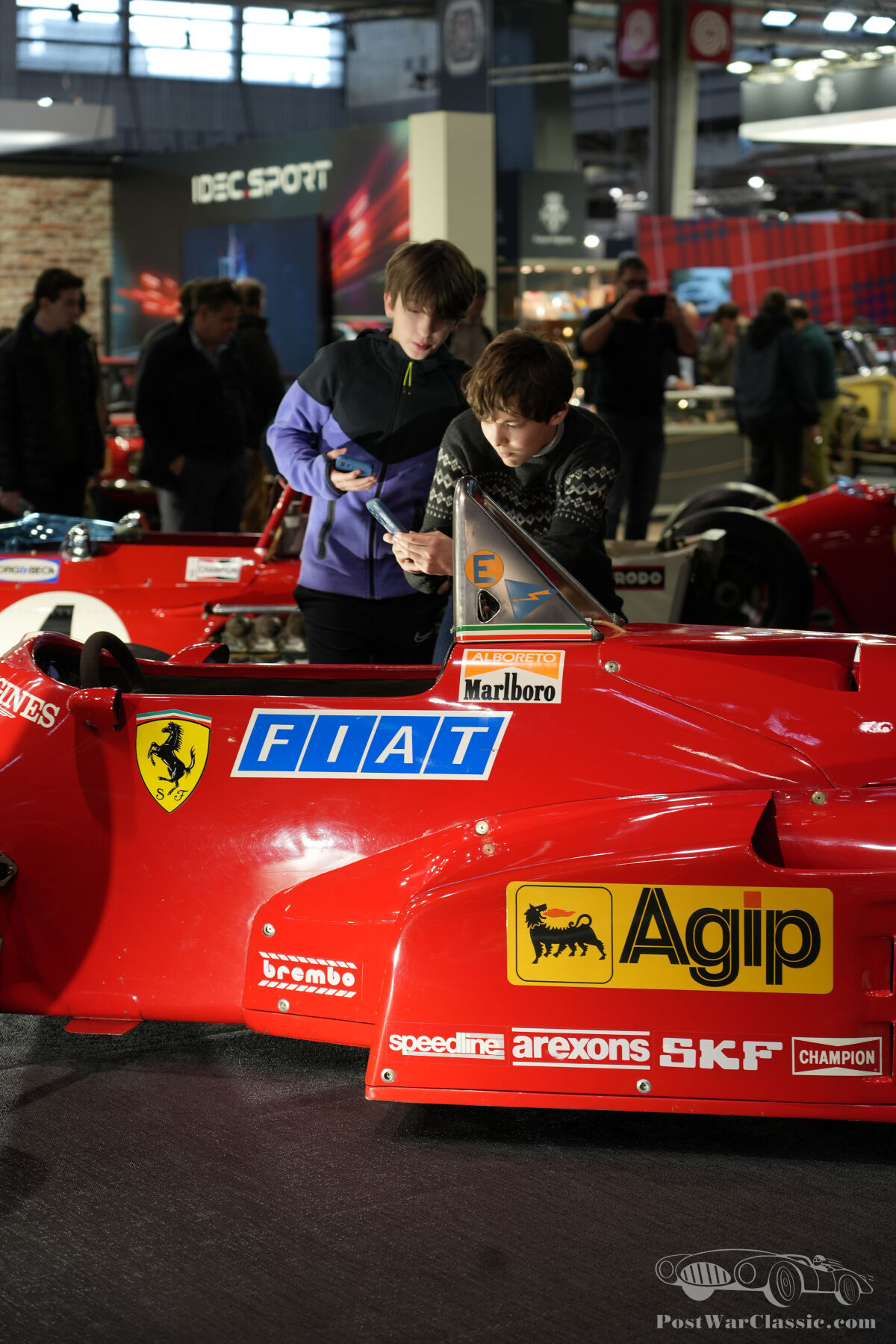
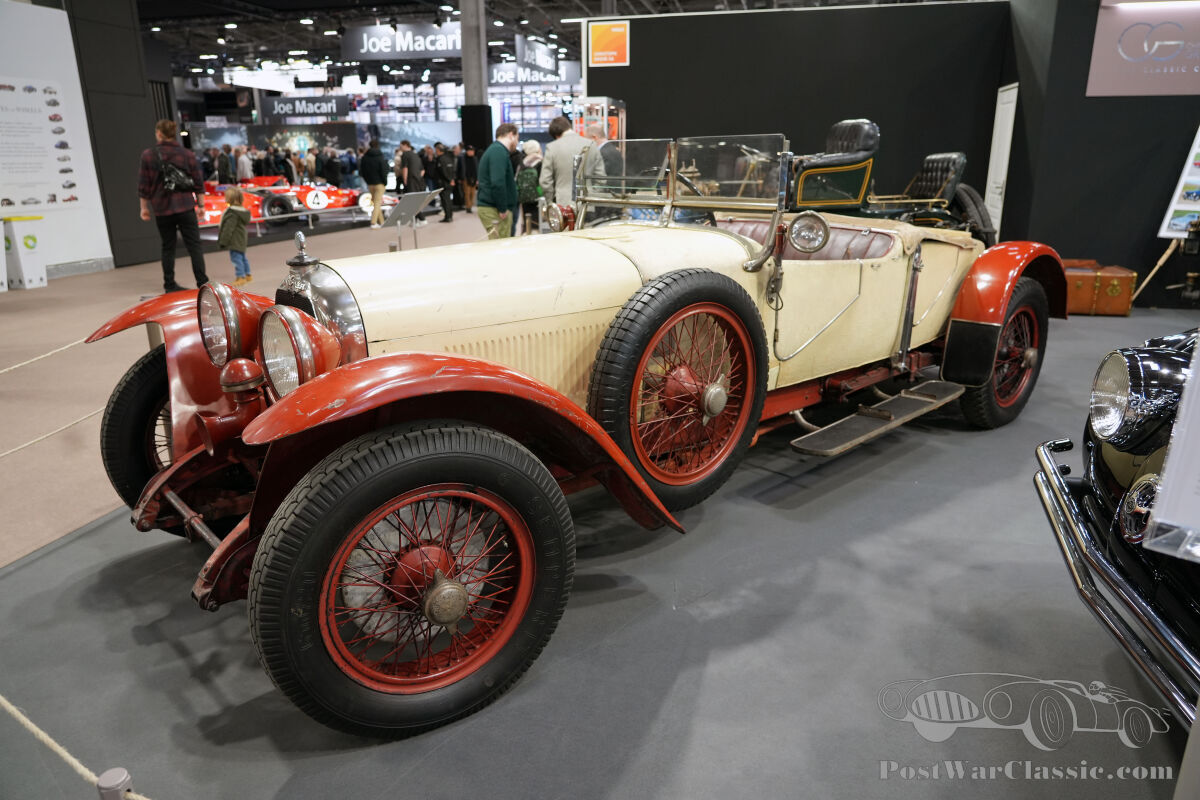
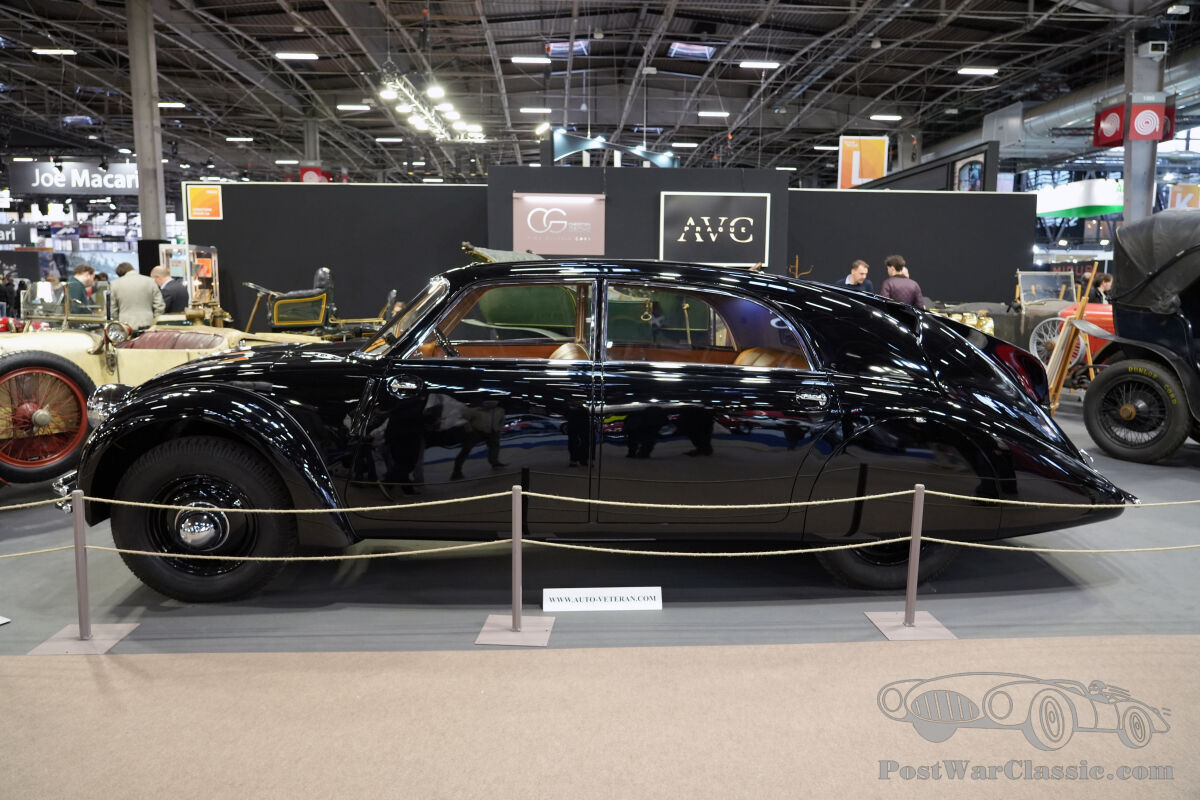
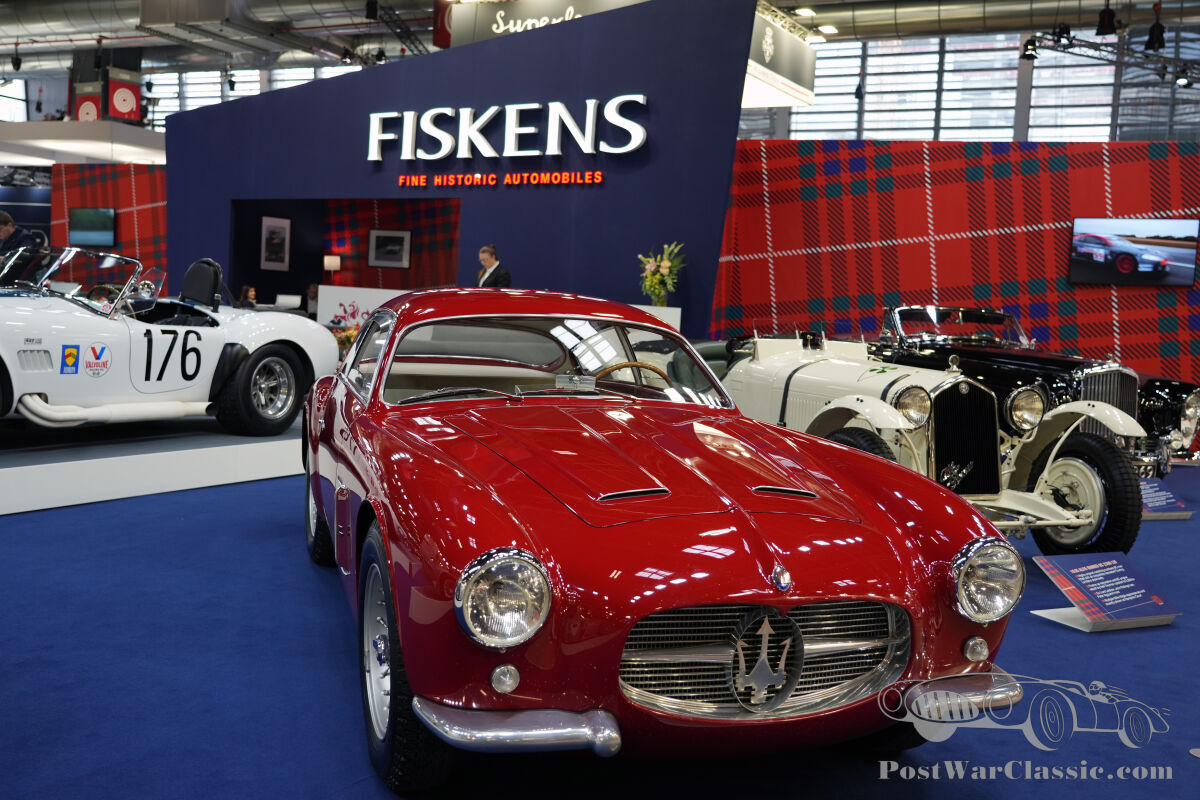
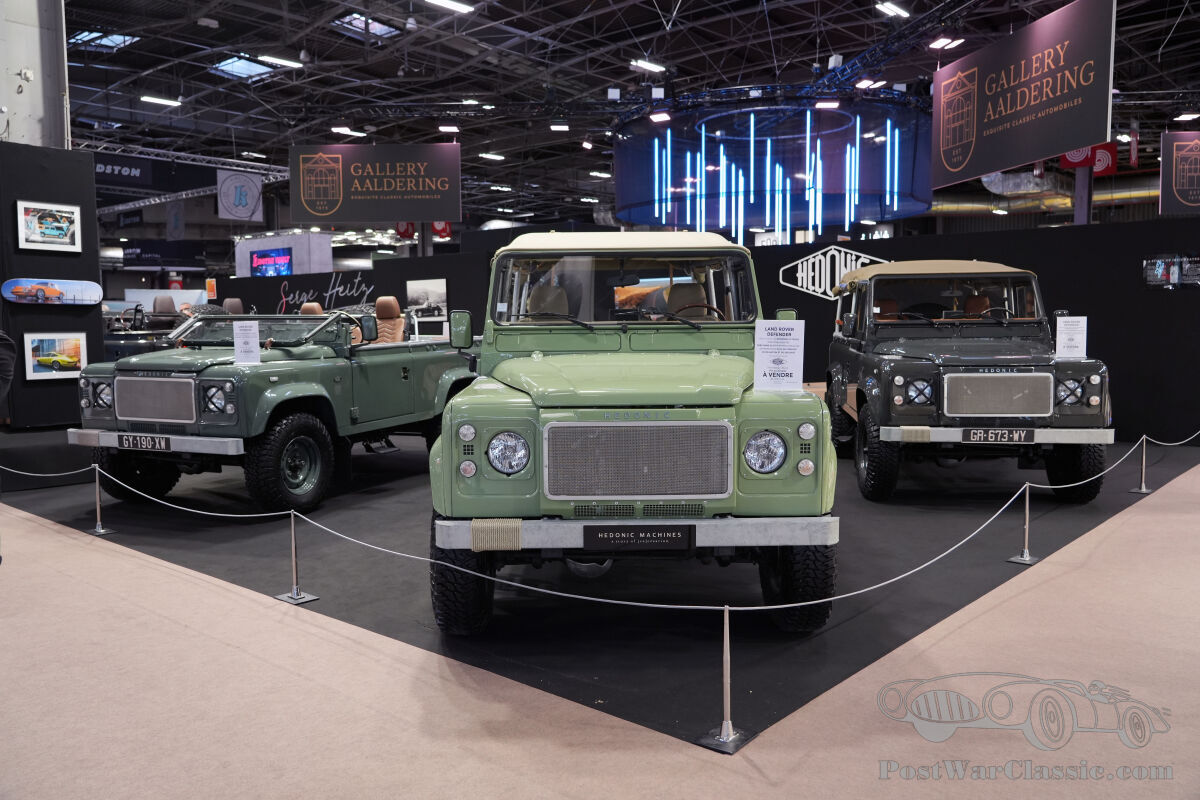
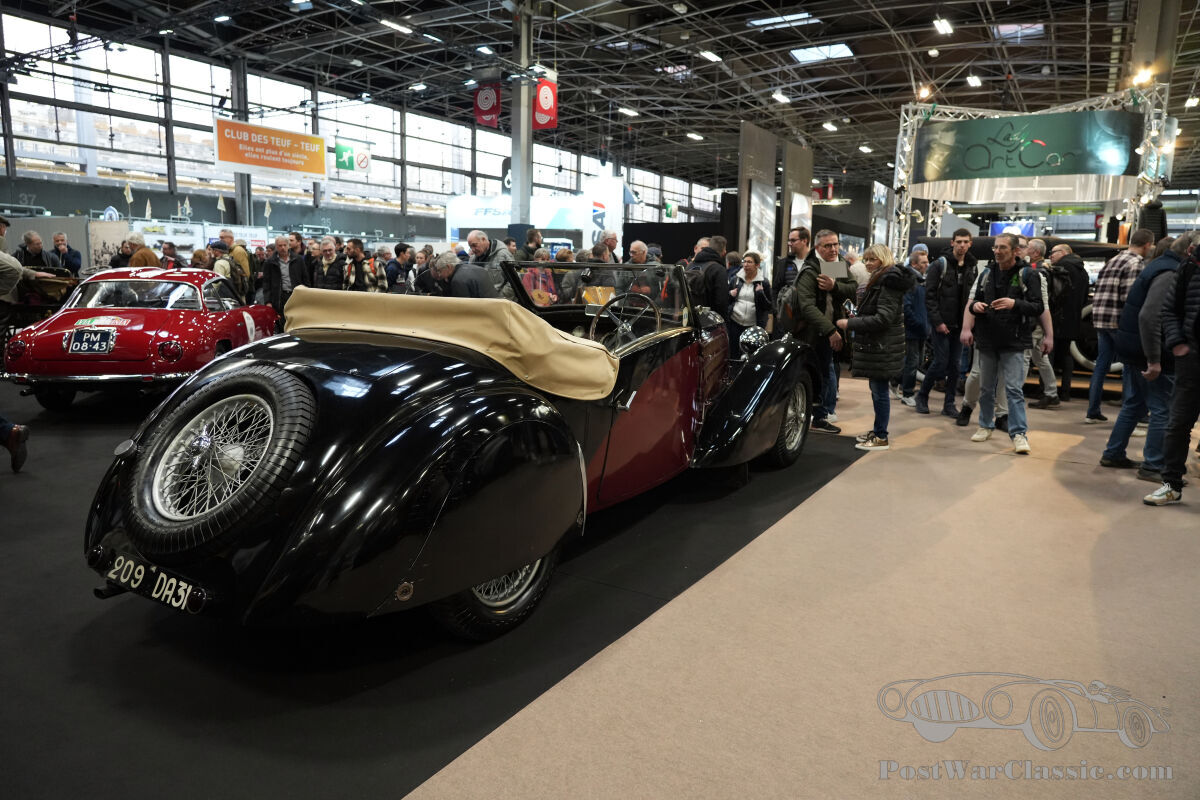
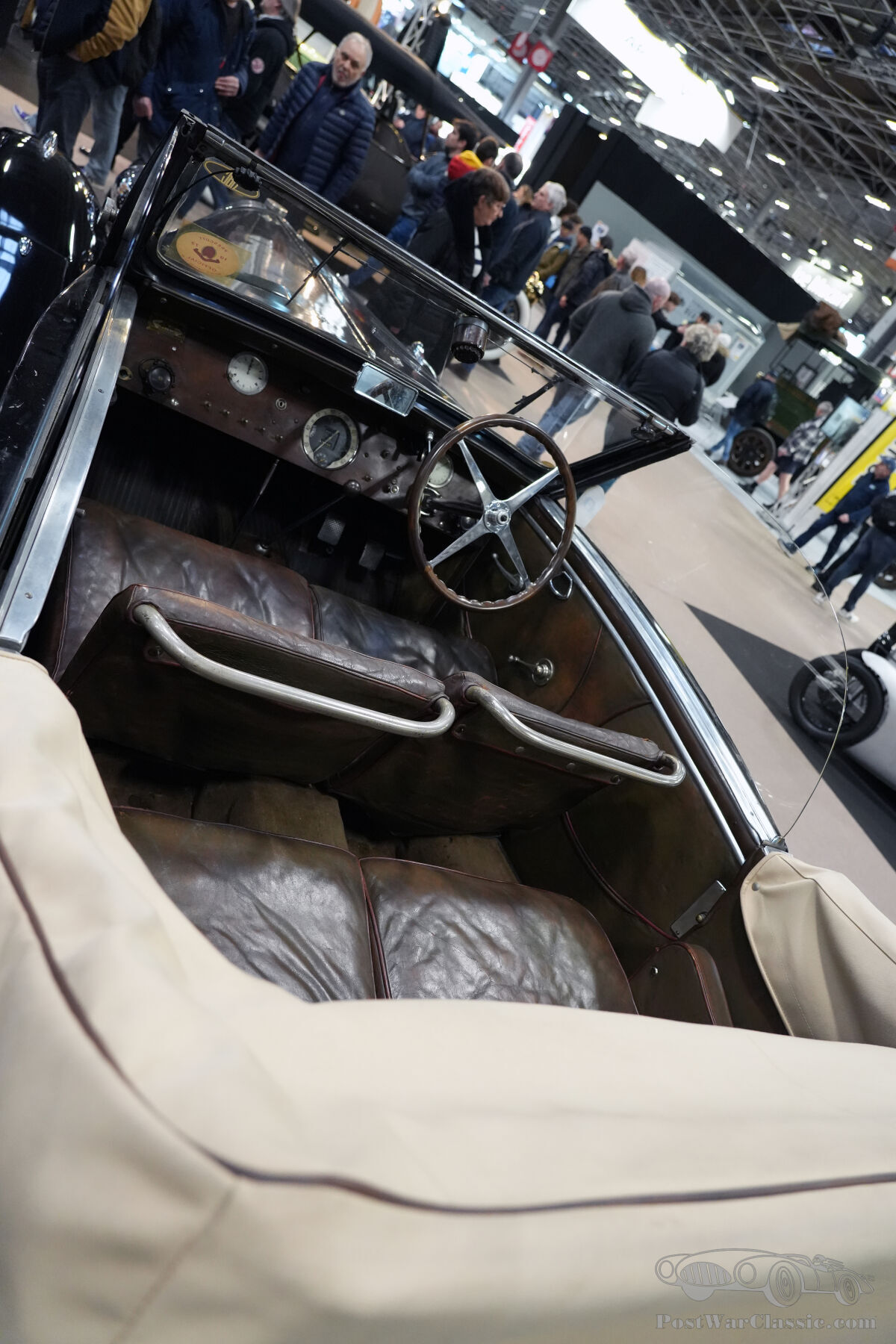
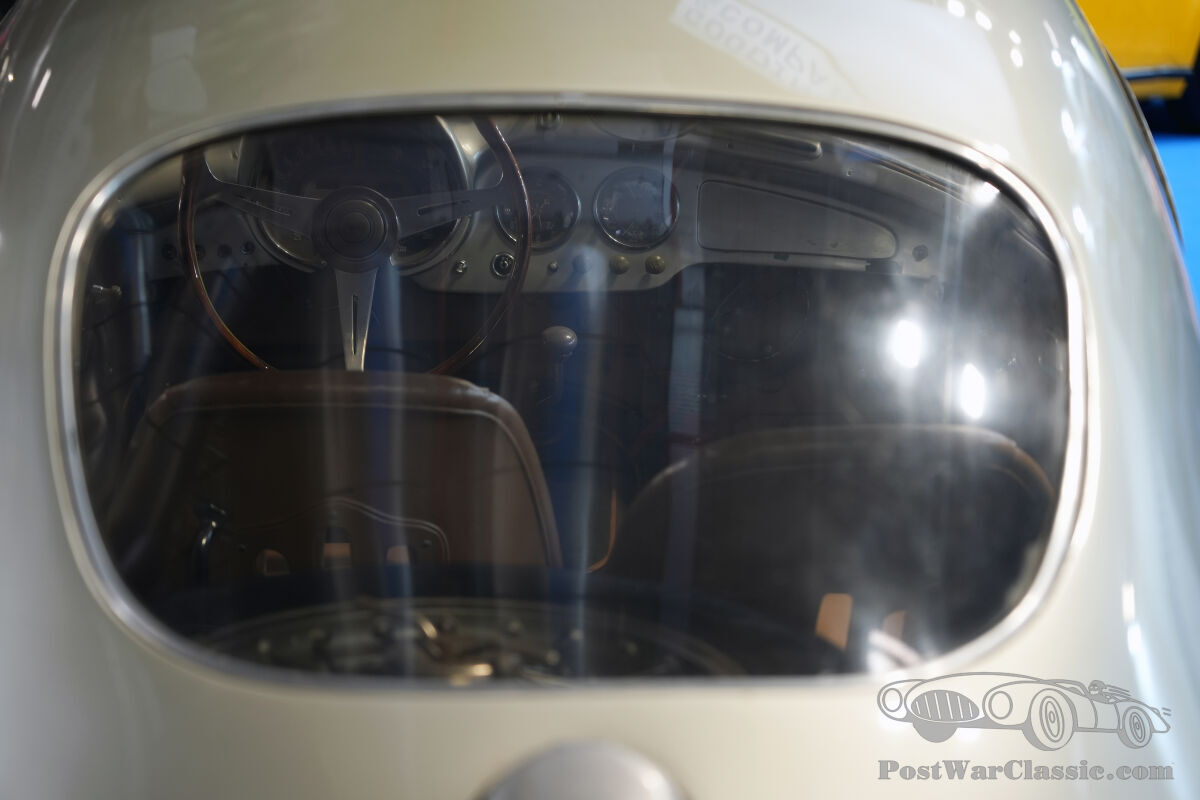
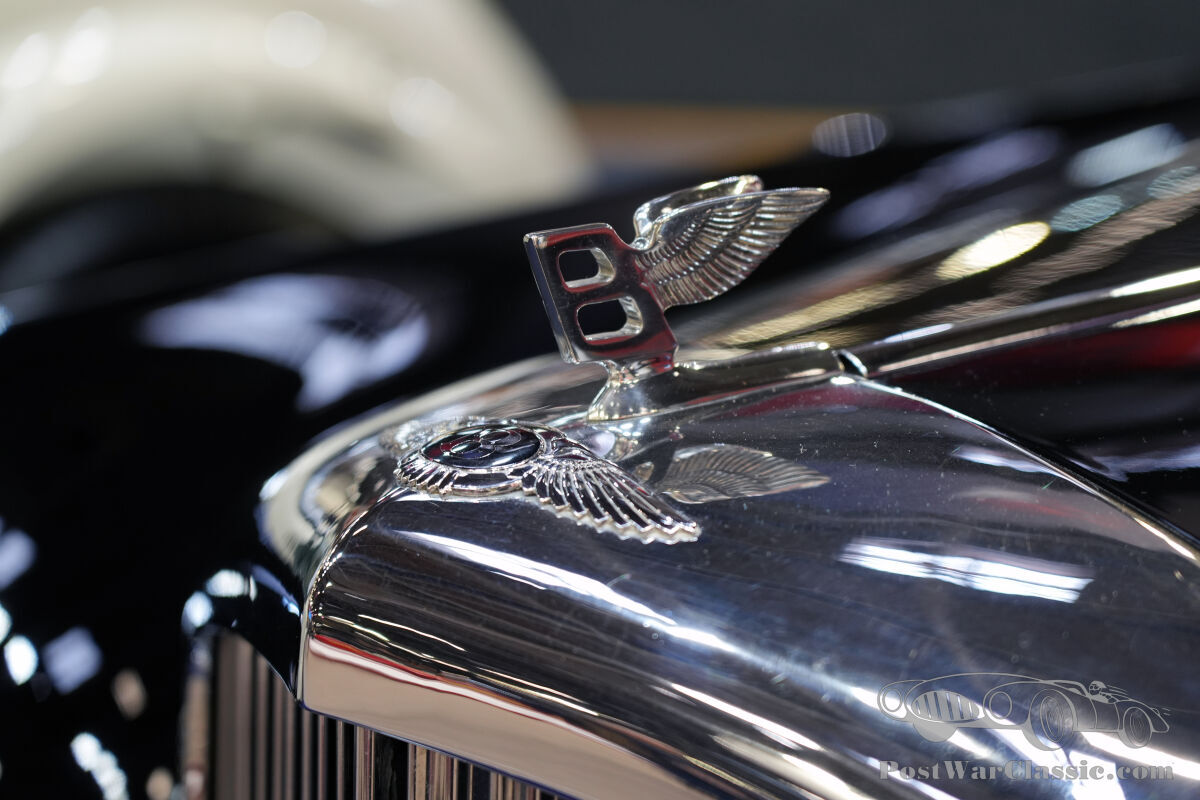
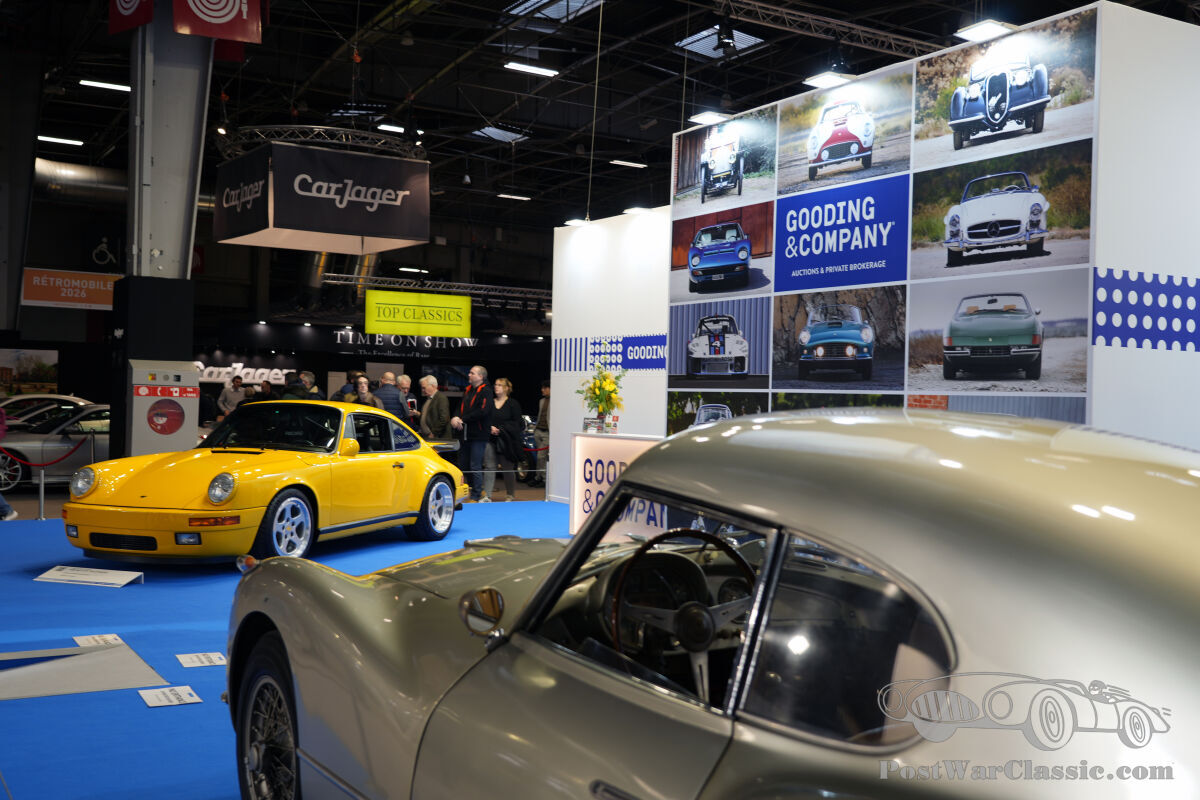
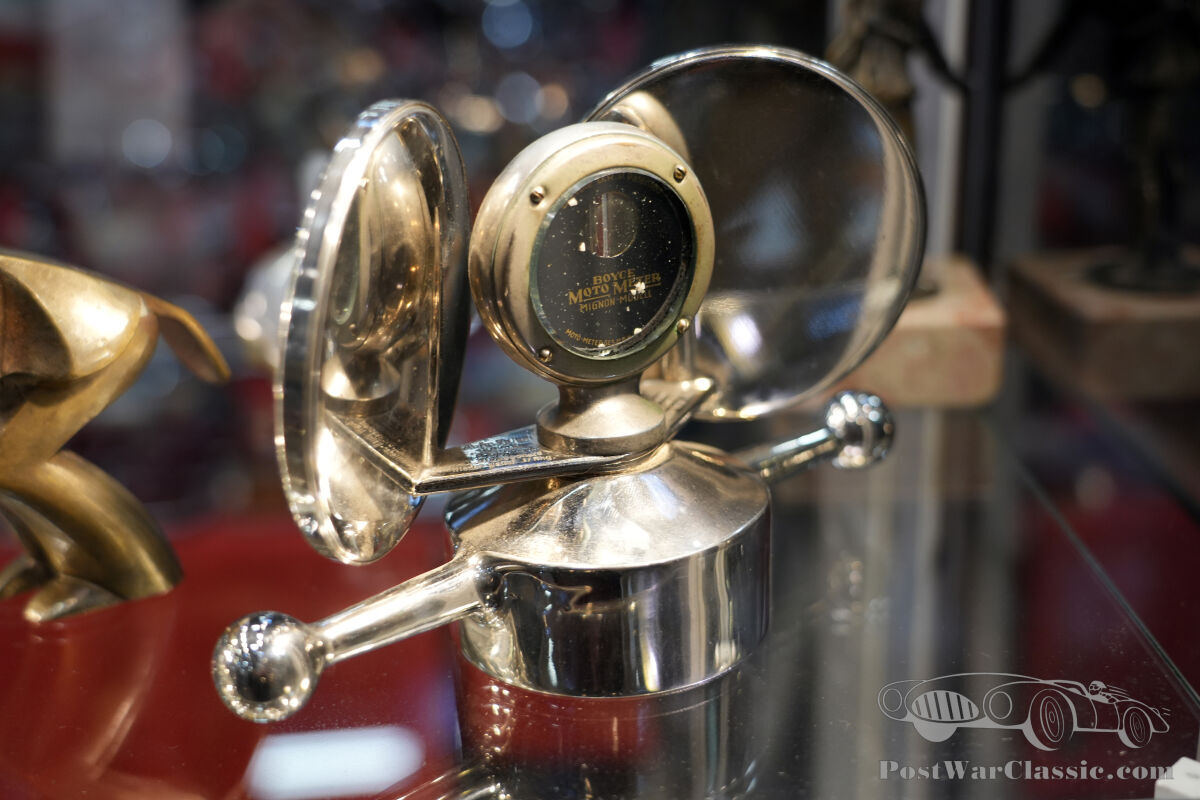
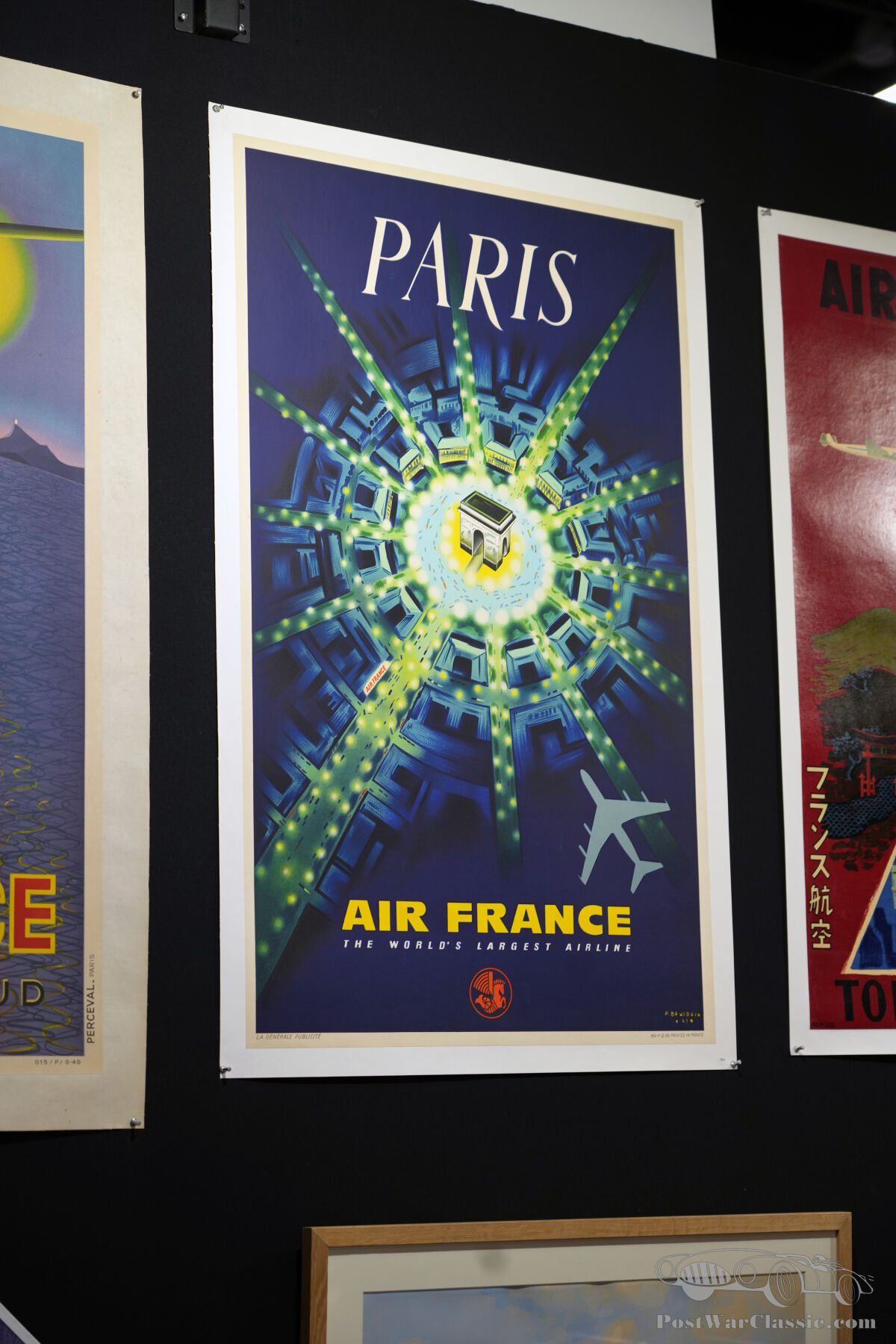
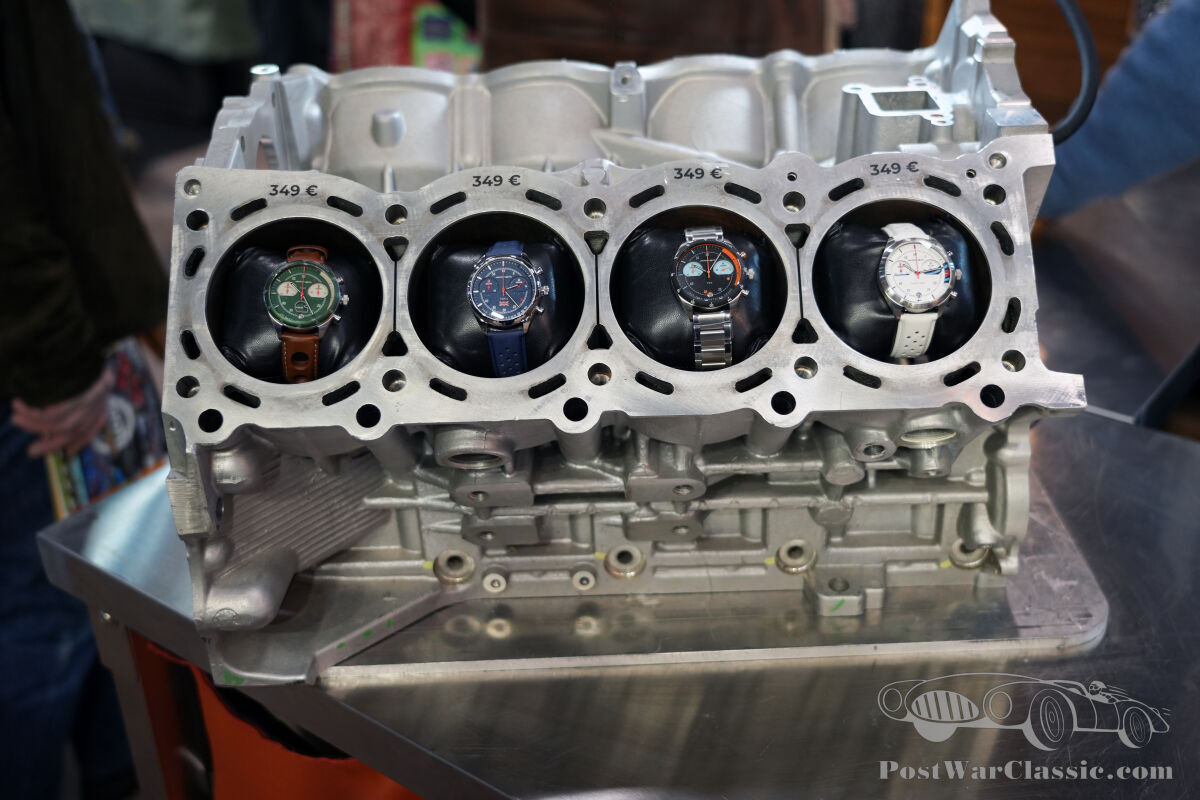
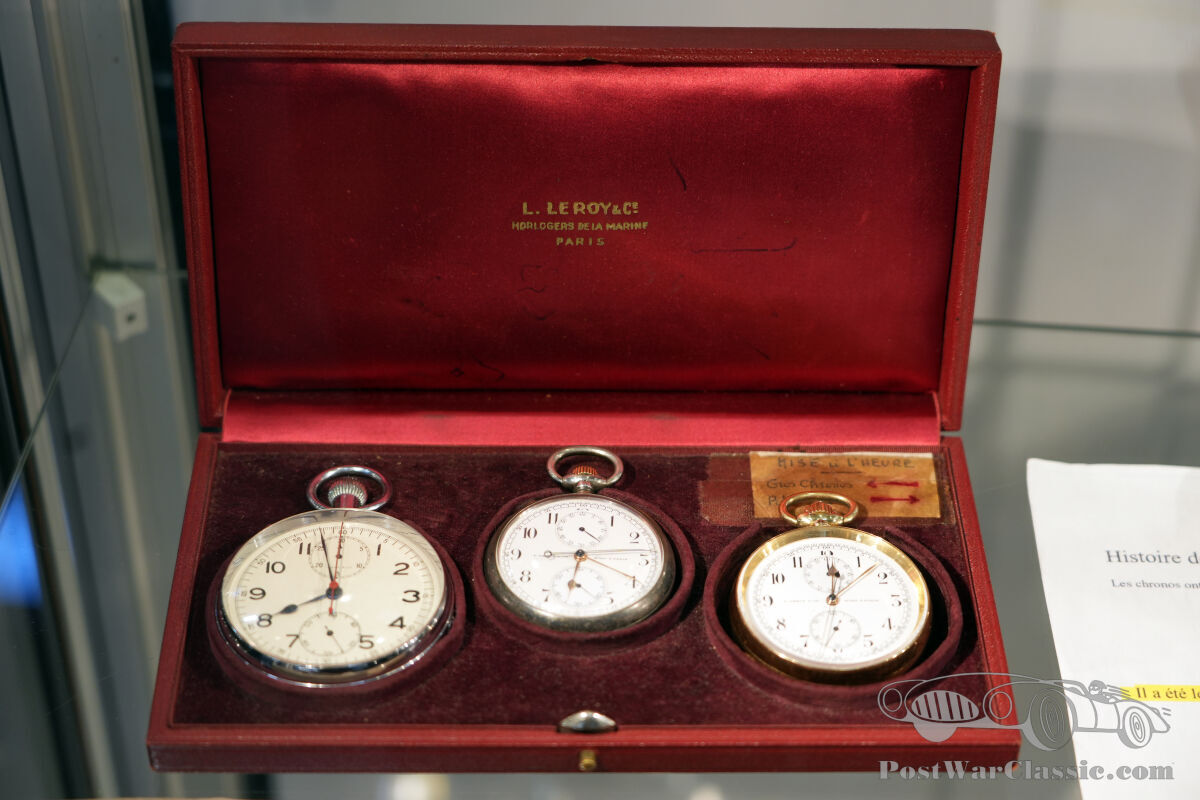
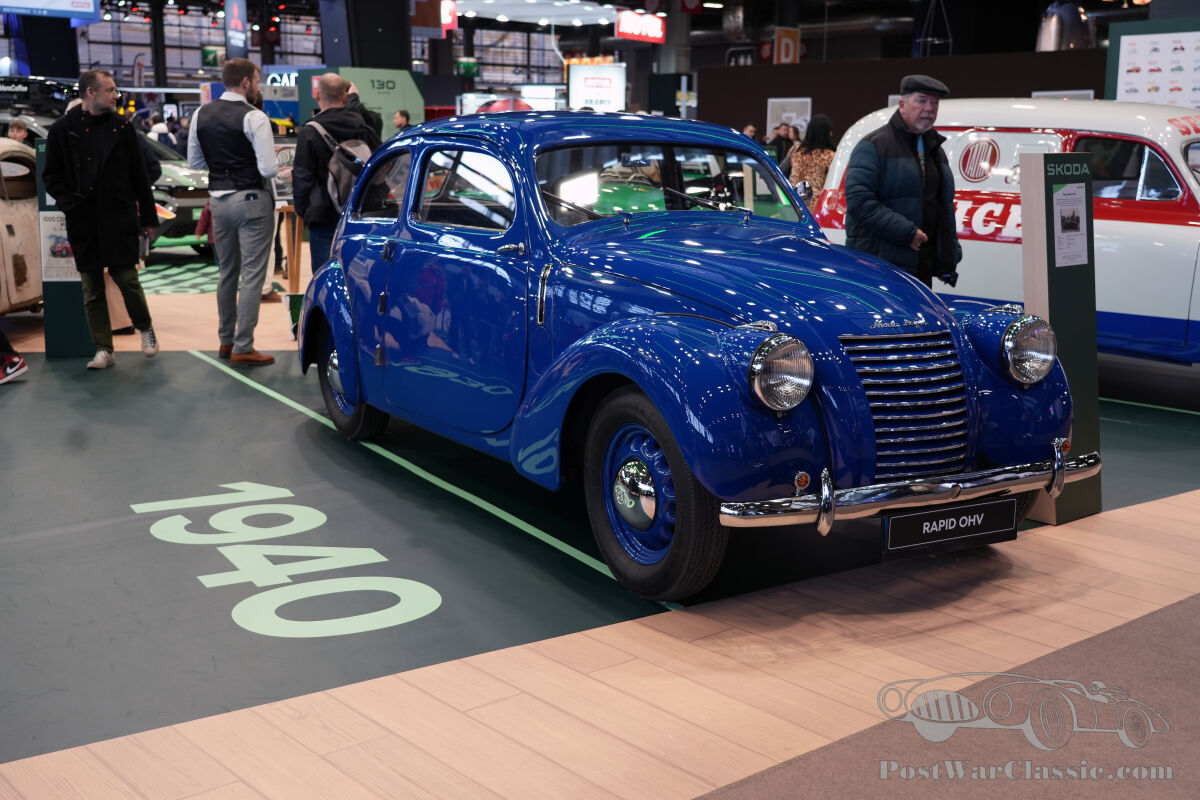
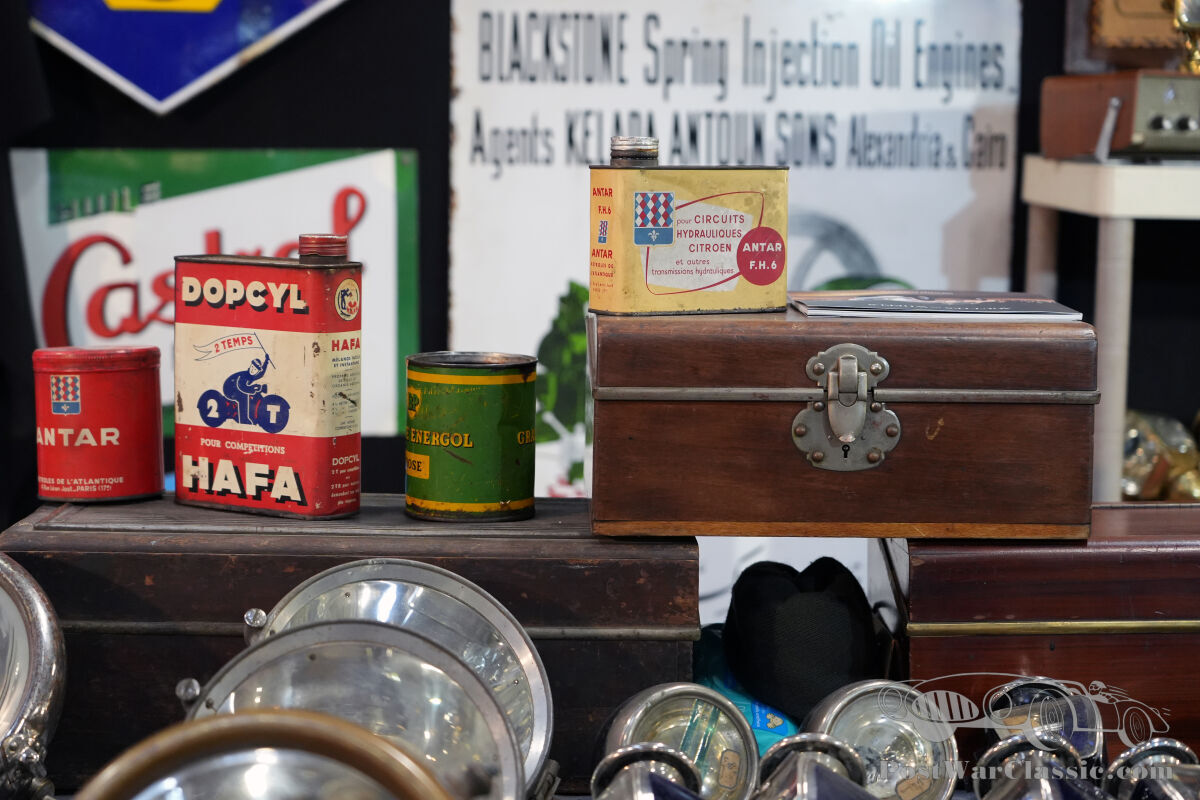
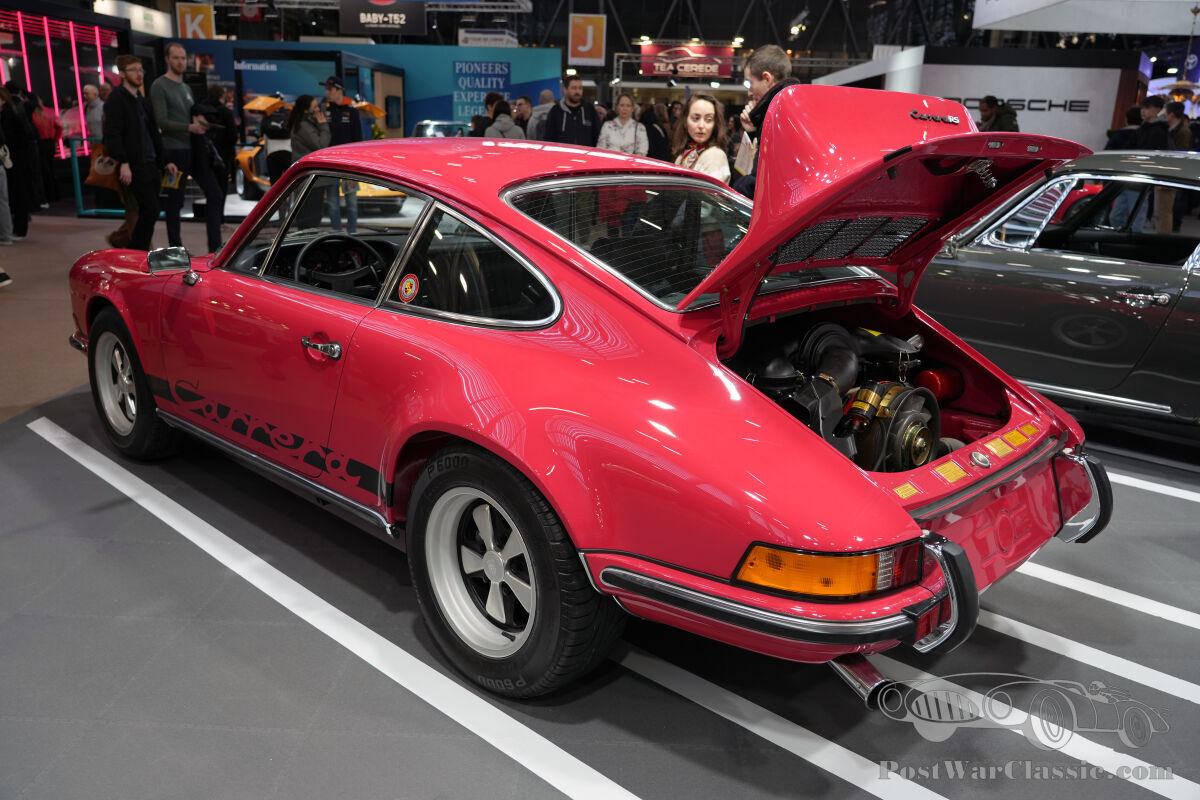
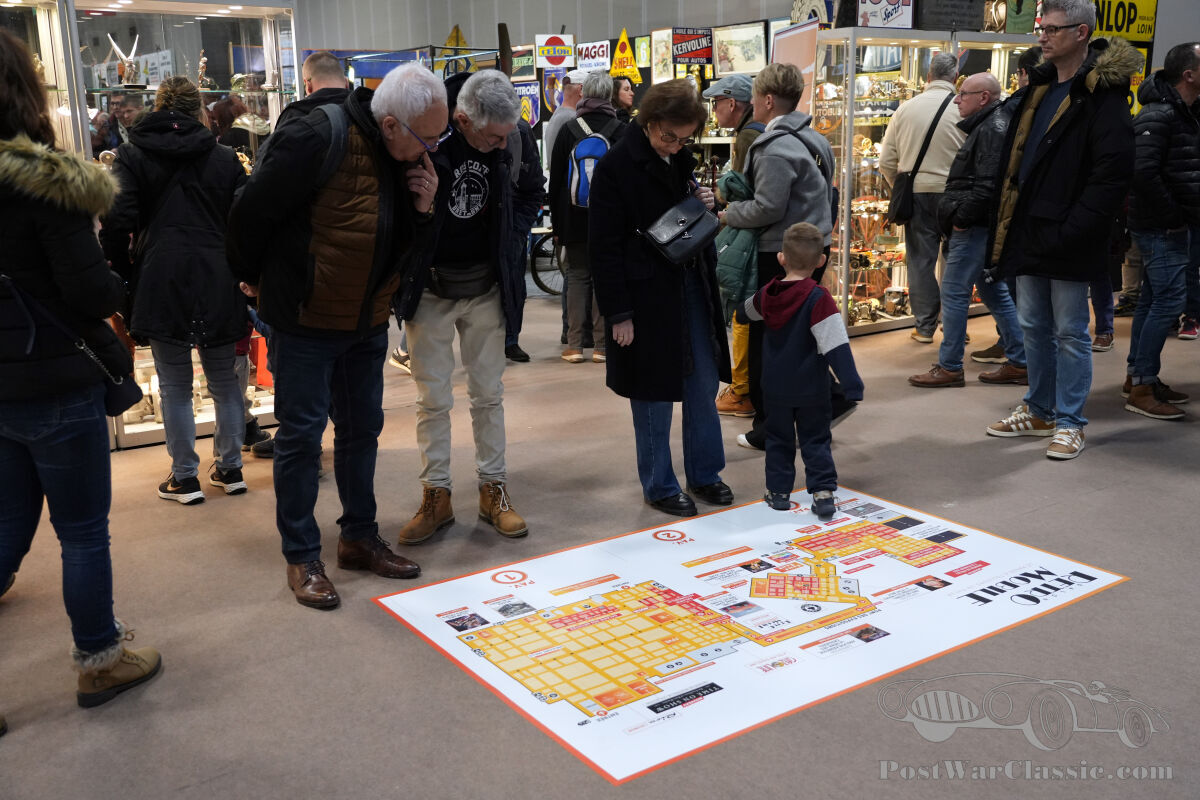


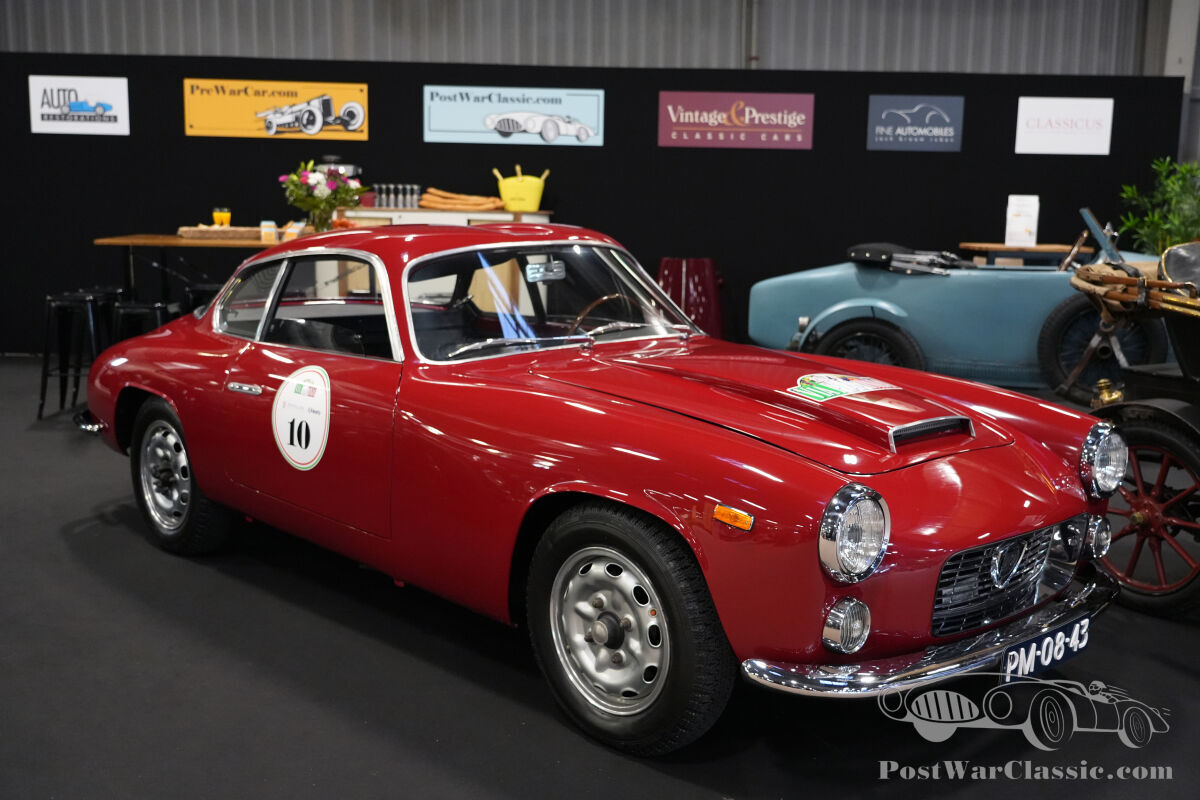
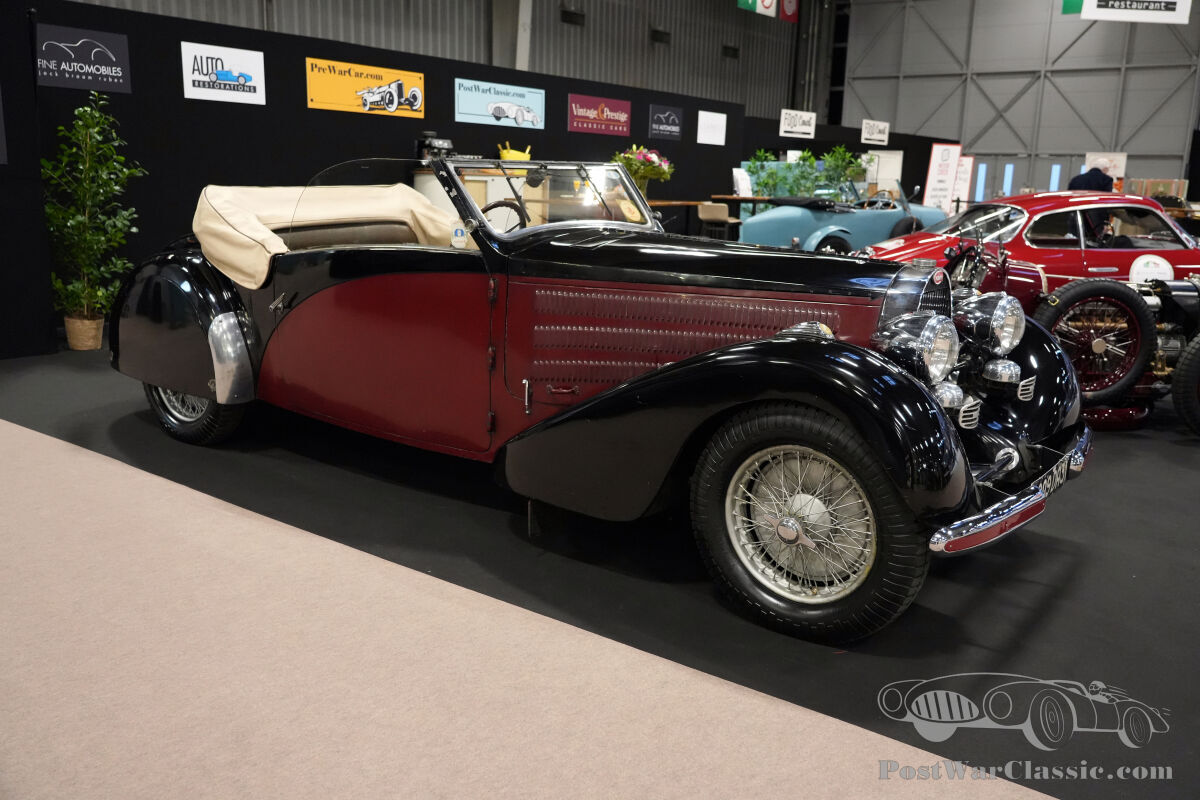
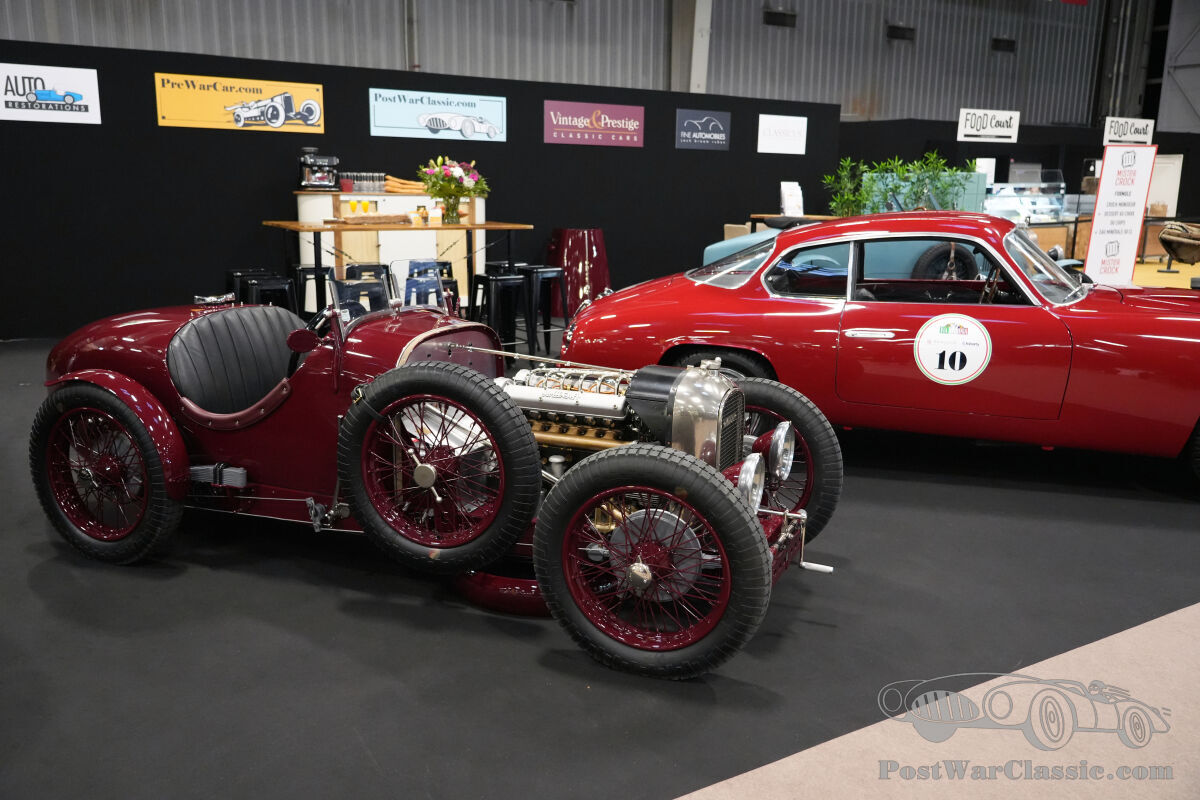
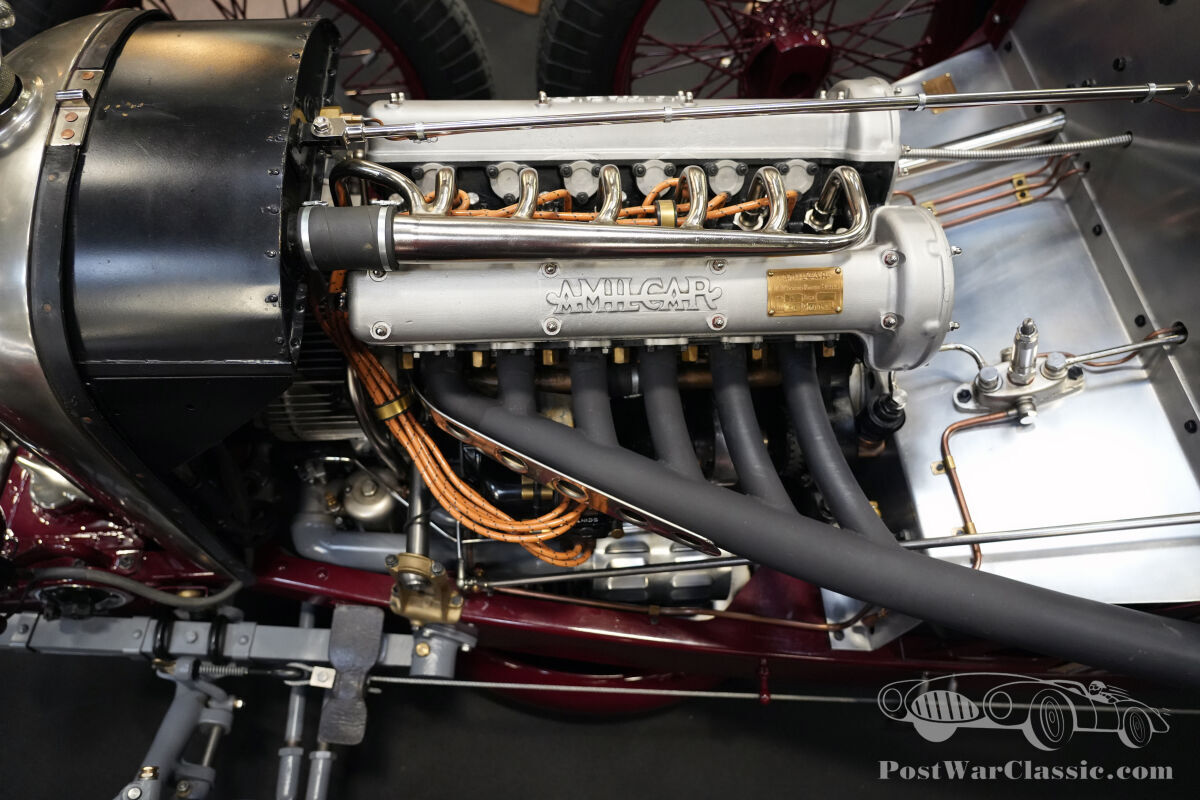
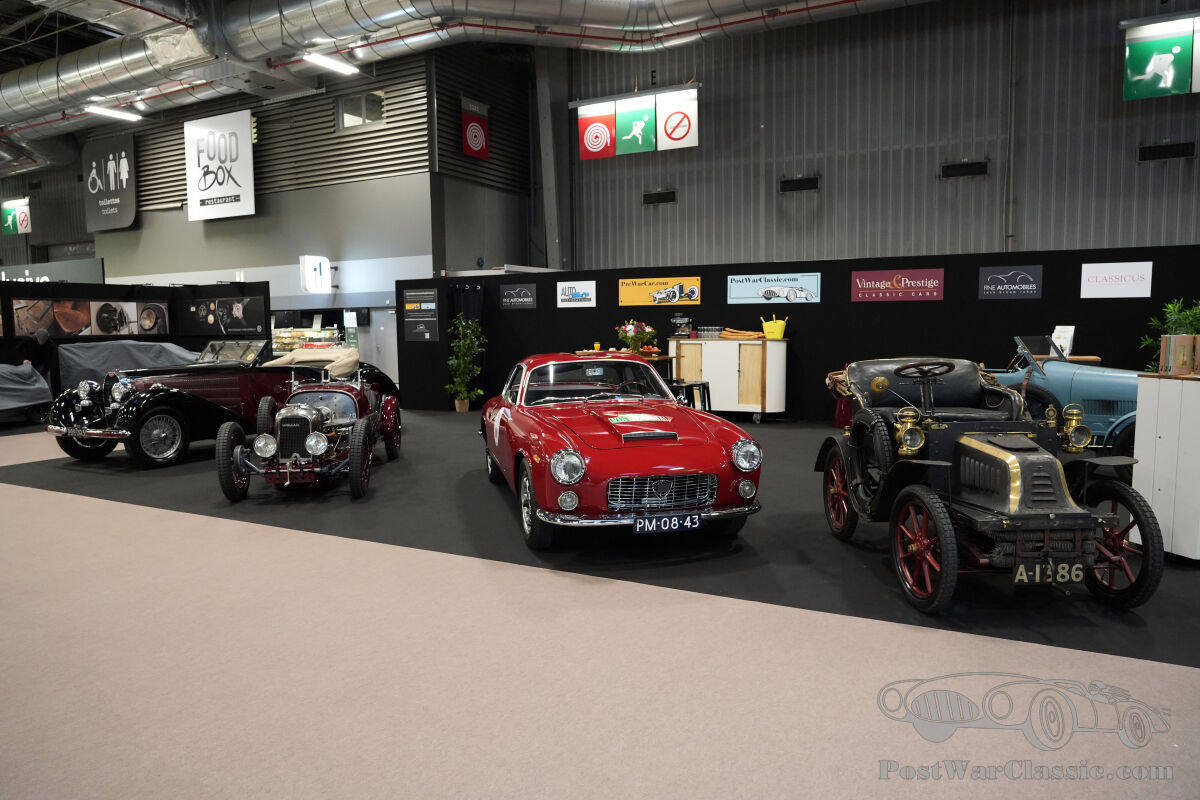
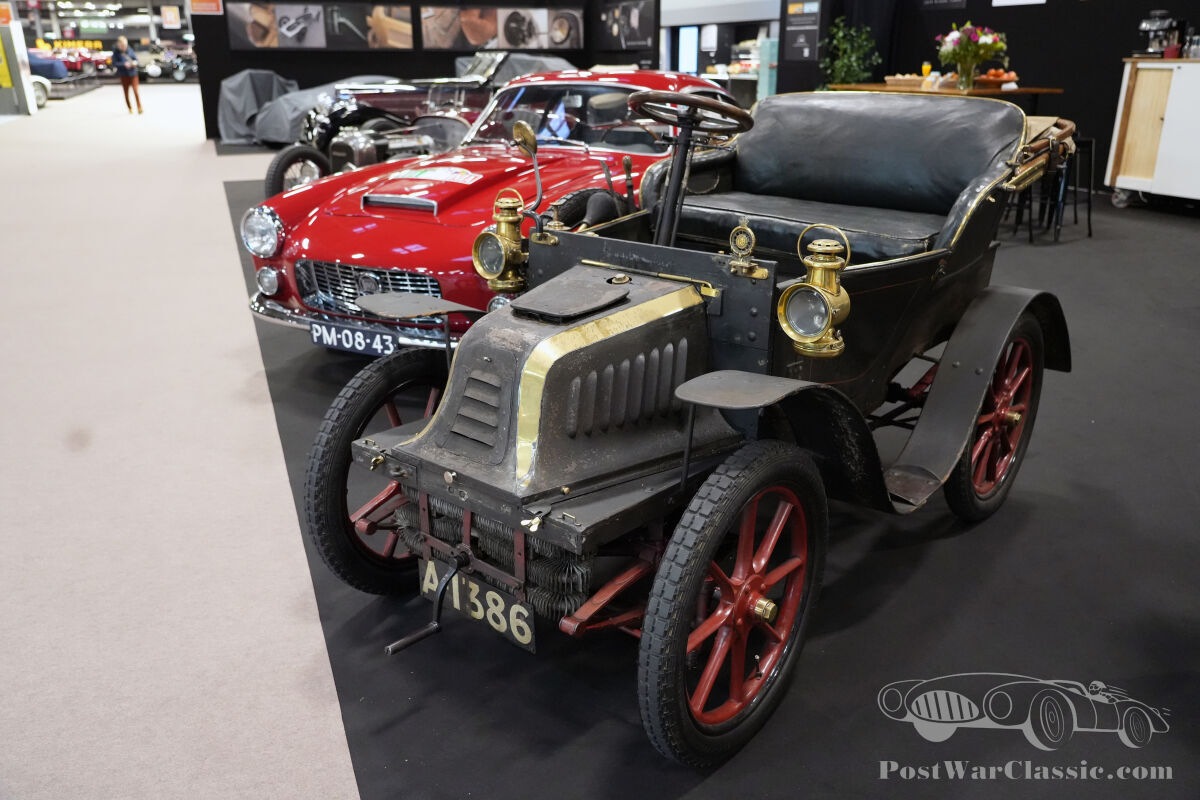
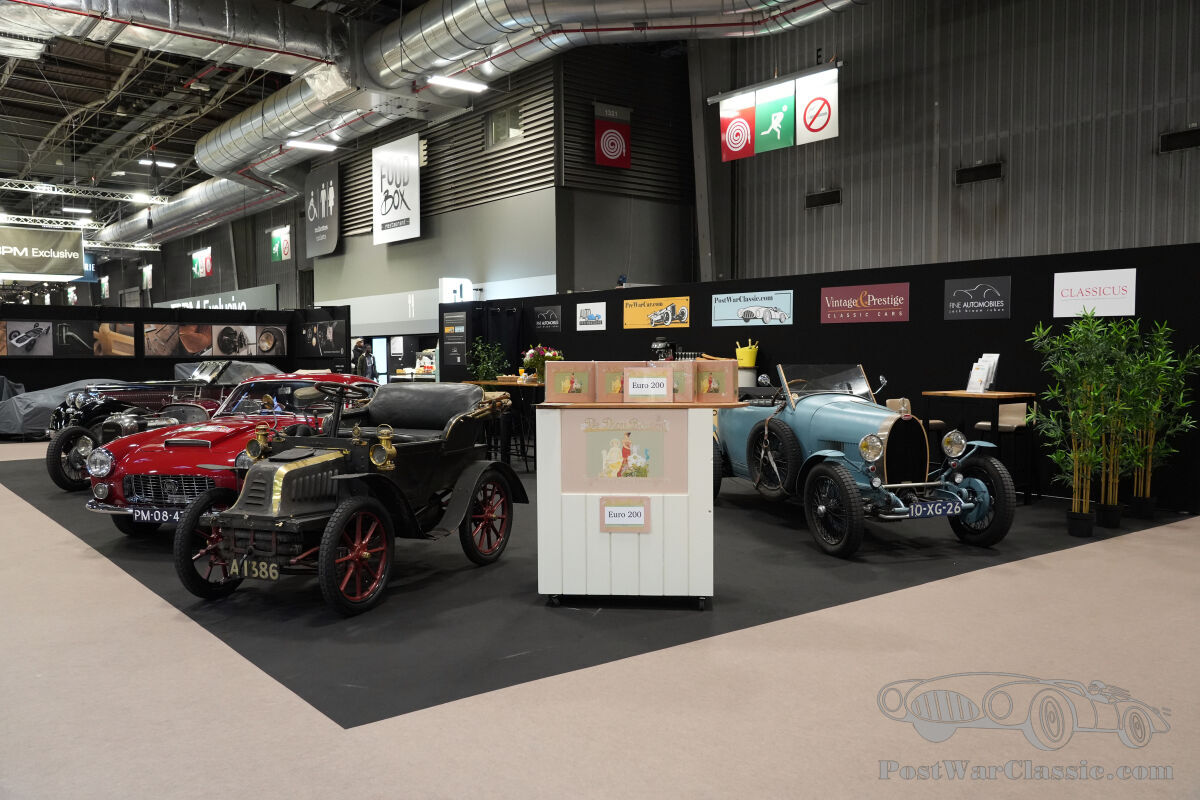
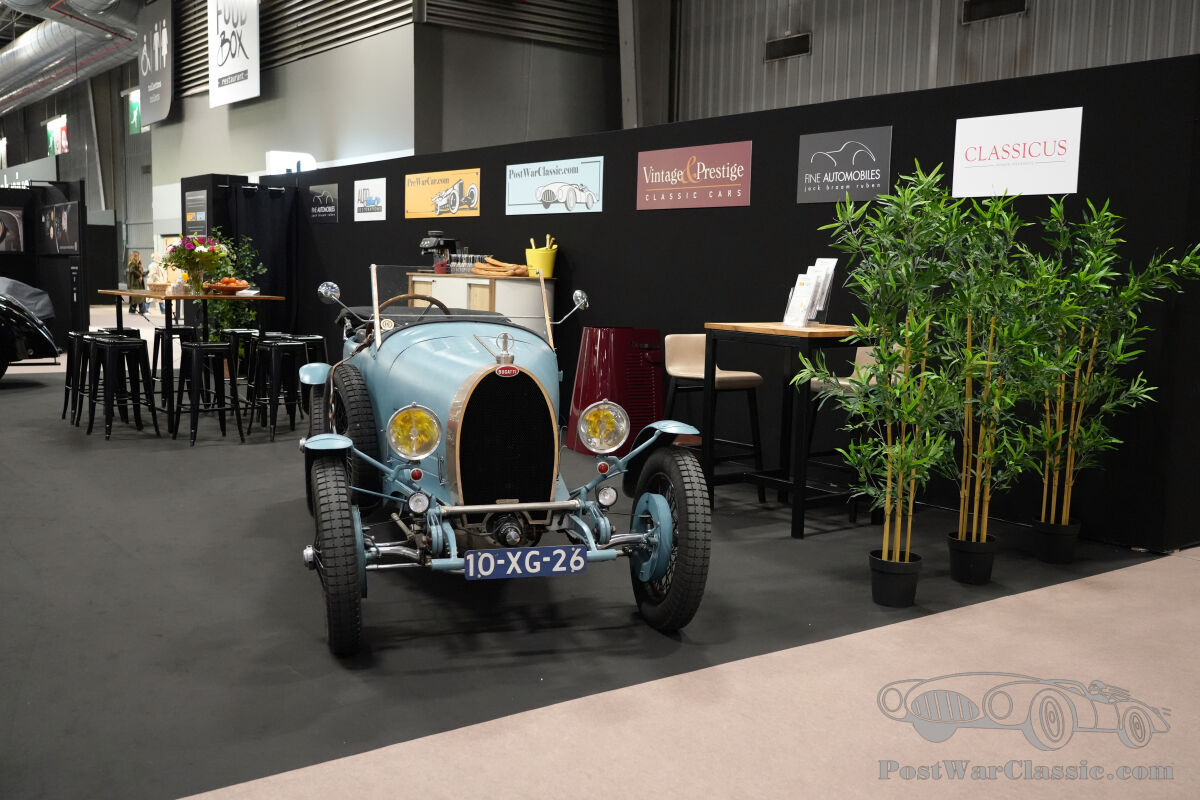
The doors opened this morning to Salon Rétromobile 2025 and the crowds have been flooding in. The PreWarCar.com and PostWarClassic.com stand has been busy with visitors, attracted by the various cars on display—a 1902 Peugeot Bébé, 1927 Amilcar C6, 1929 Bugatti Type 40, 1934 Bugatti Type 57 Stelvio and 1960 Lancia Flaminia Zagato. If you haven’t done so yet, make sure you come to see us at some point over the weekend.
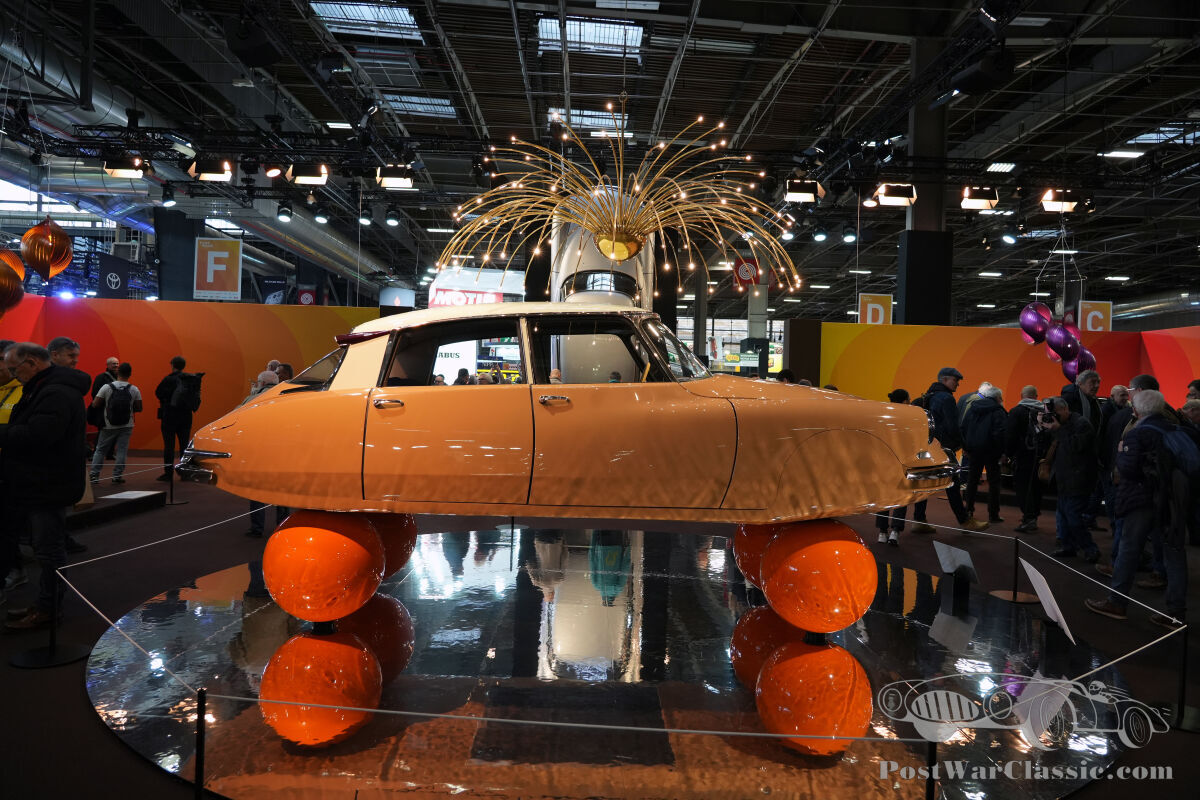
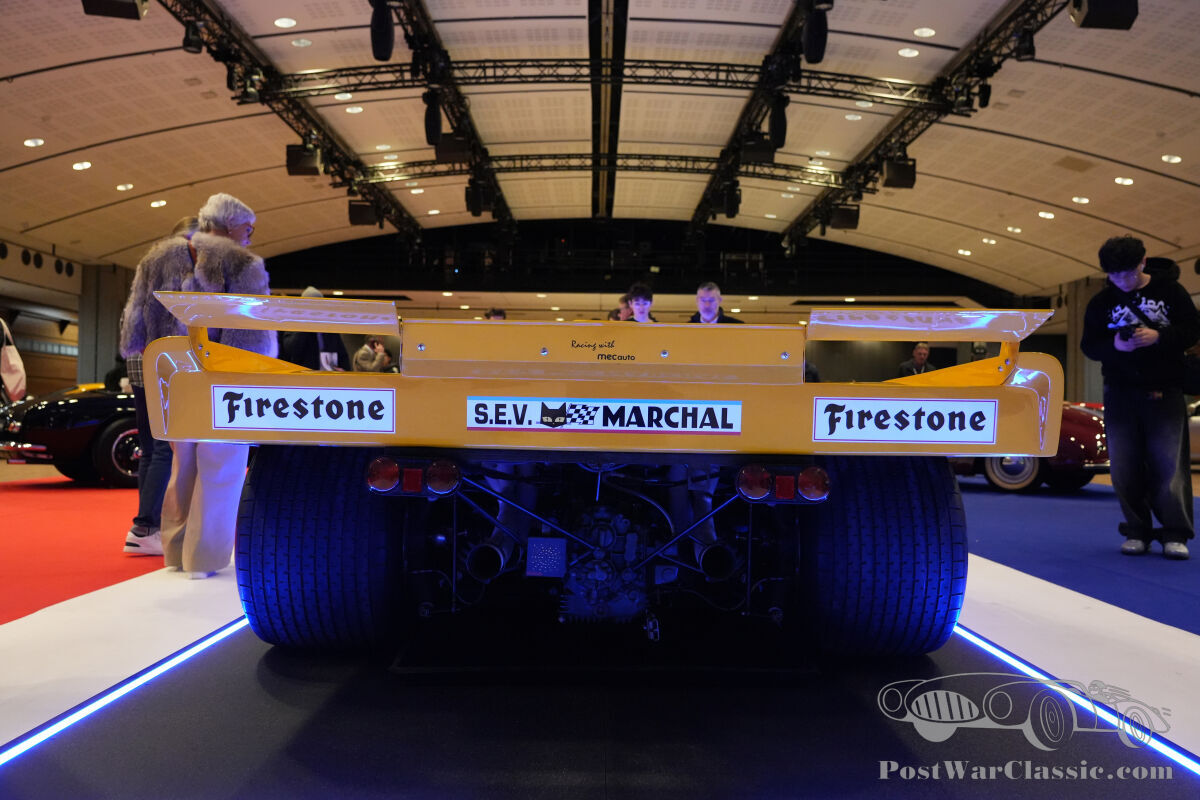
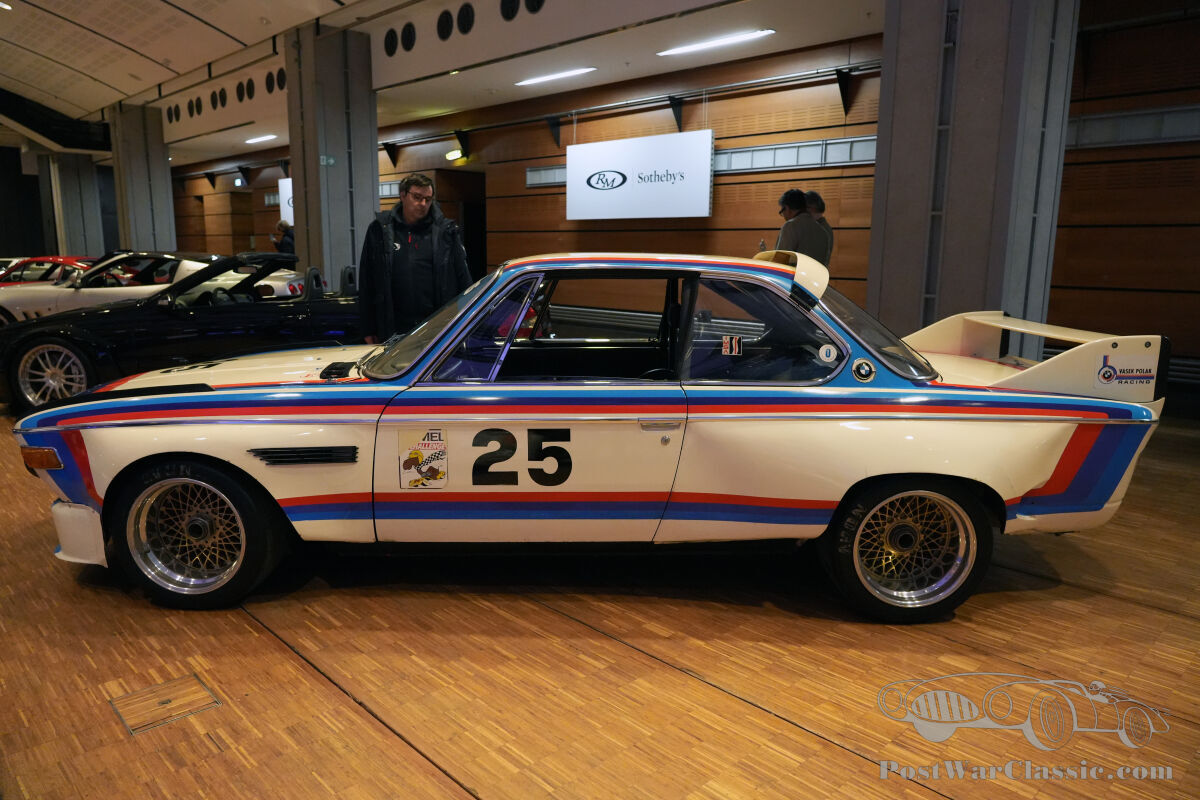
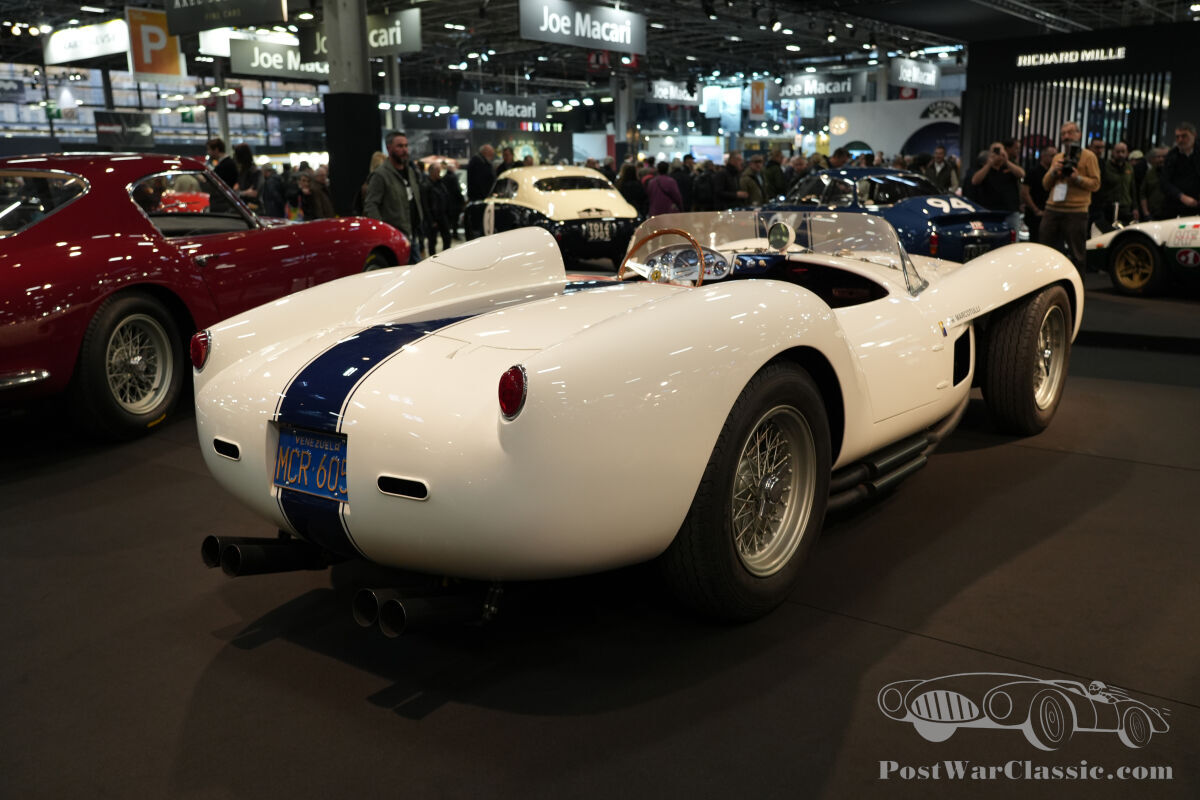
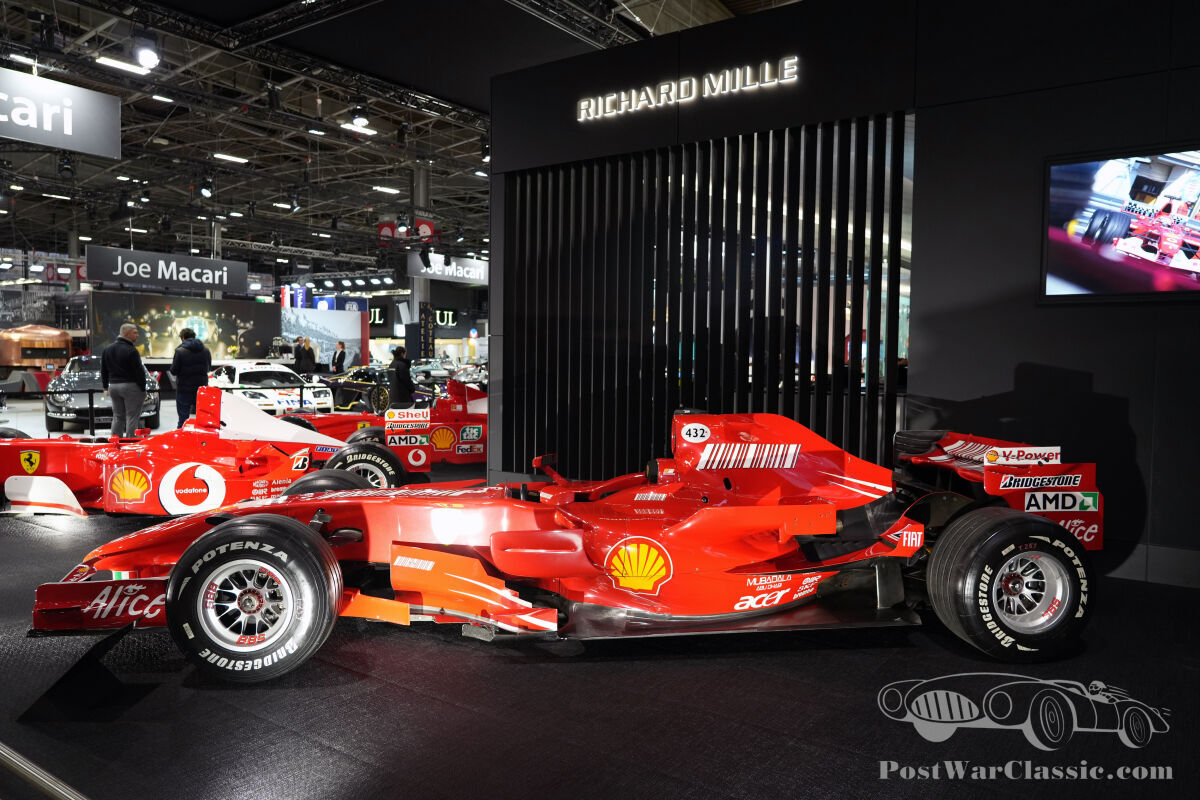
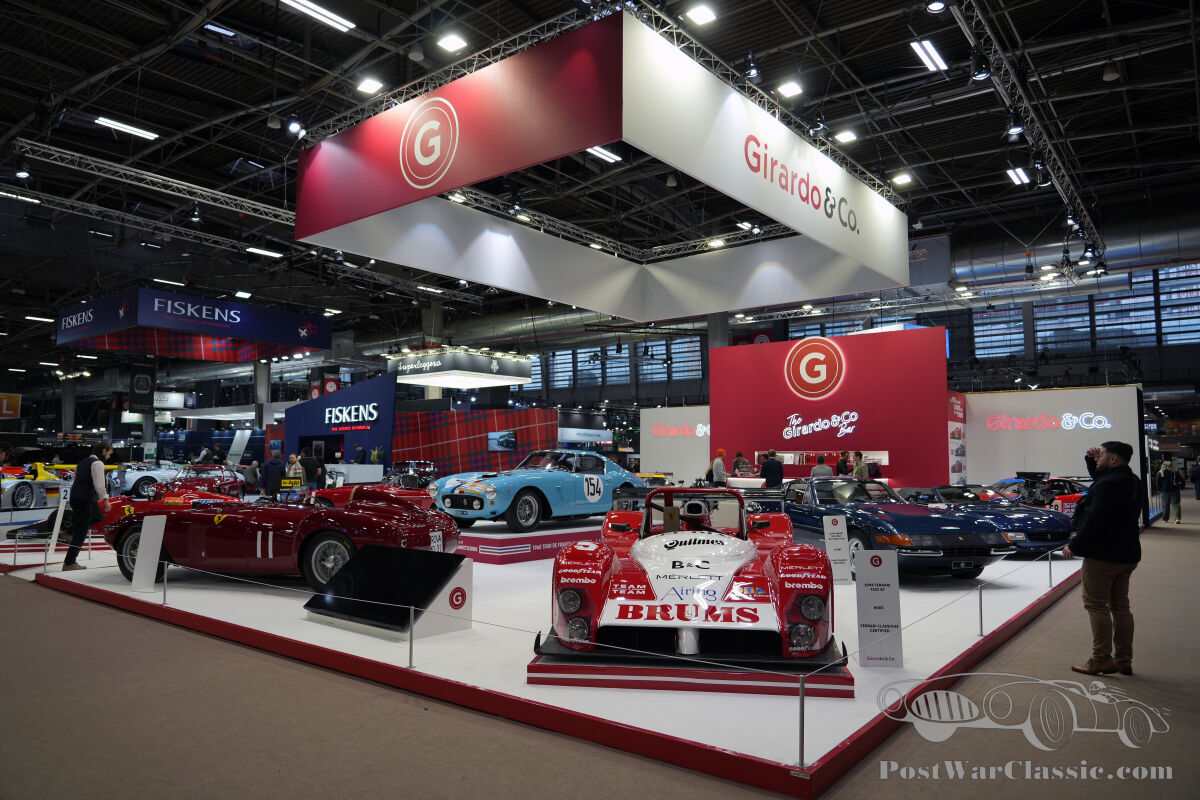
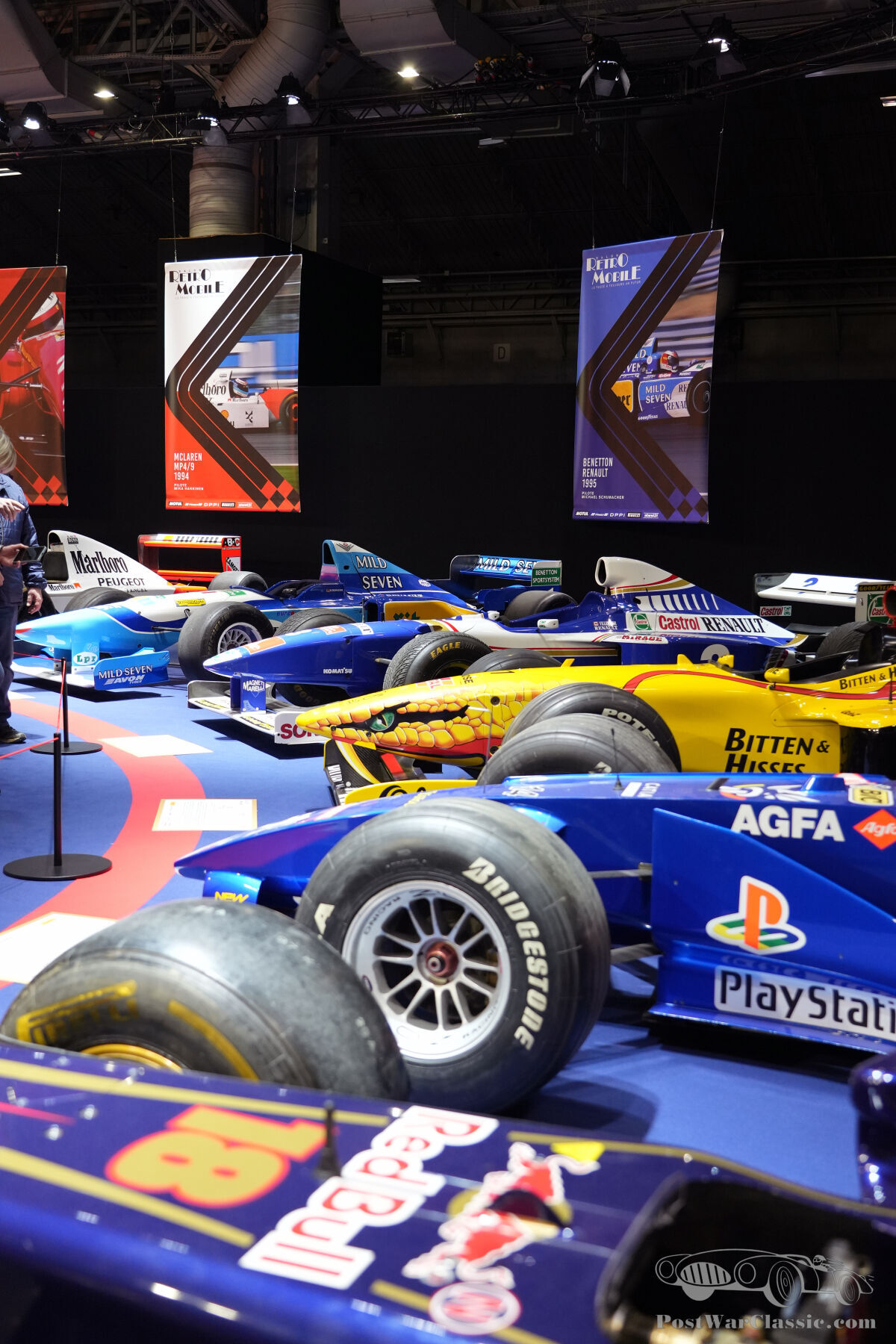
One of the star attractions this year is the special exhibition celebrating 70 years of the Citroën DS, showing the model’s evolution through the ages, but there are so many other things besides—more Ferraris than you could shake a stick at, special coachbuilt GTs, all sorts of Formula One and Le Mans cars, including at least two very historic Ford GT40s. If it’s unusual things you like, there are a couple of DB-Panhard racers at different locations, too, and things don’t get much more different than that.
There’s so much more, of course, but it’s far too much to describe in detail, so the best thing would be for you to join us in Paris and see it all for yourself.
UPDATE: FRIDAY, FEBRUARY 7TH
Now that we've been at Rétromobile a few days, we've had a chance to have proper look round and select some favourite exhibits. There are dozens of cars we'd love to take home, but these are just a few of those which appeal the most:
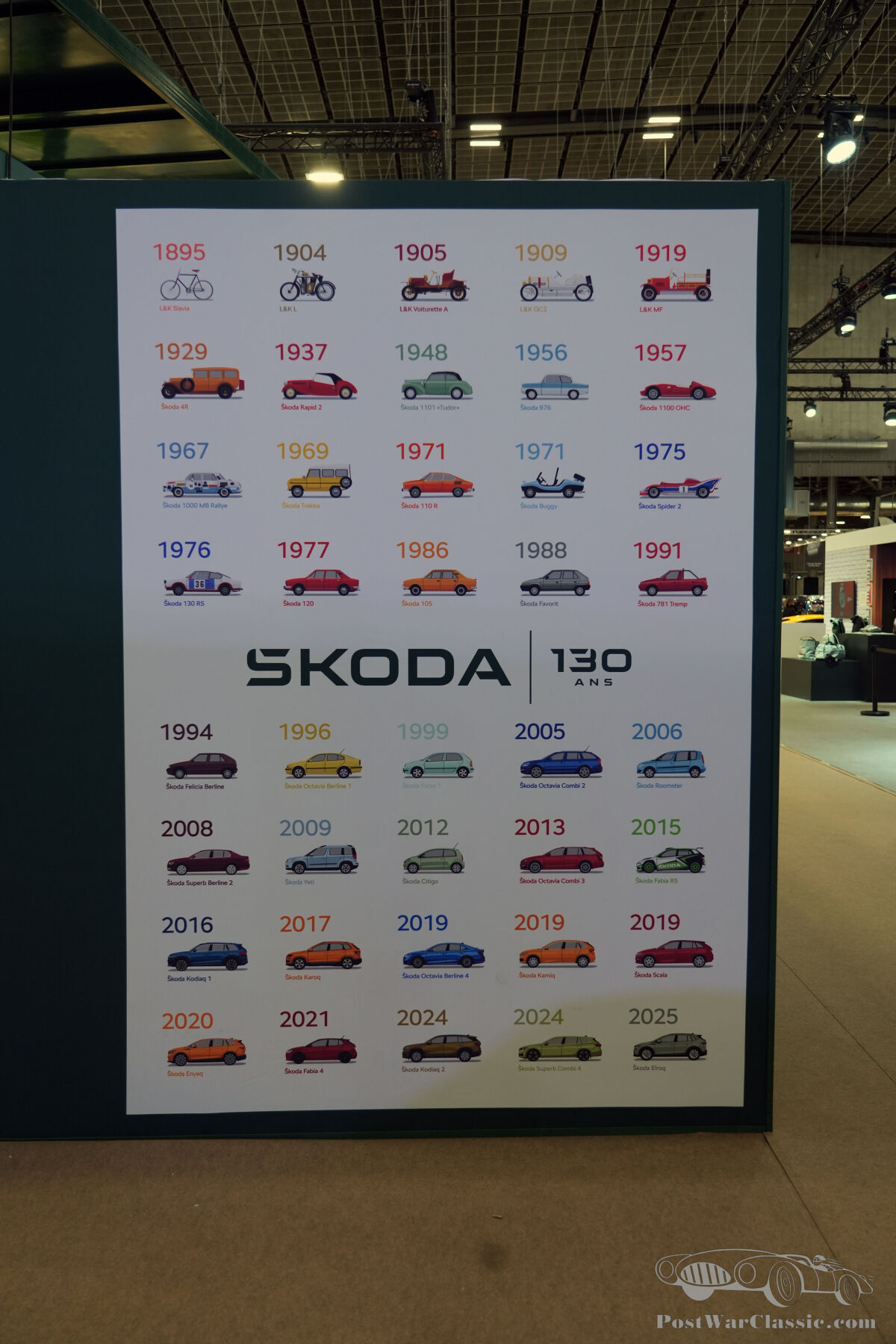
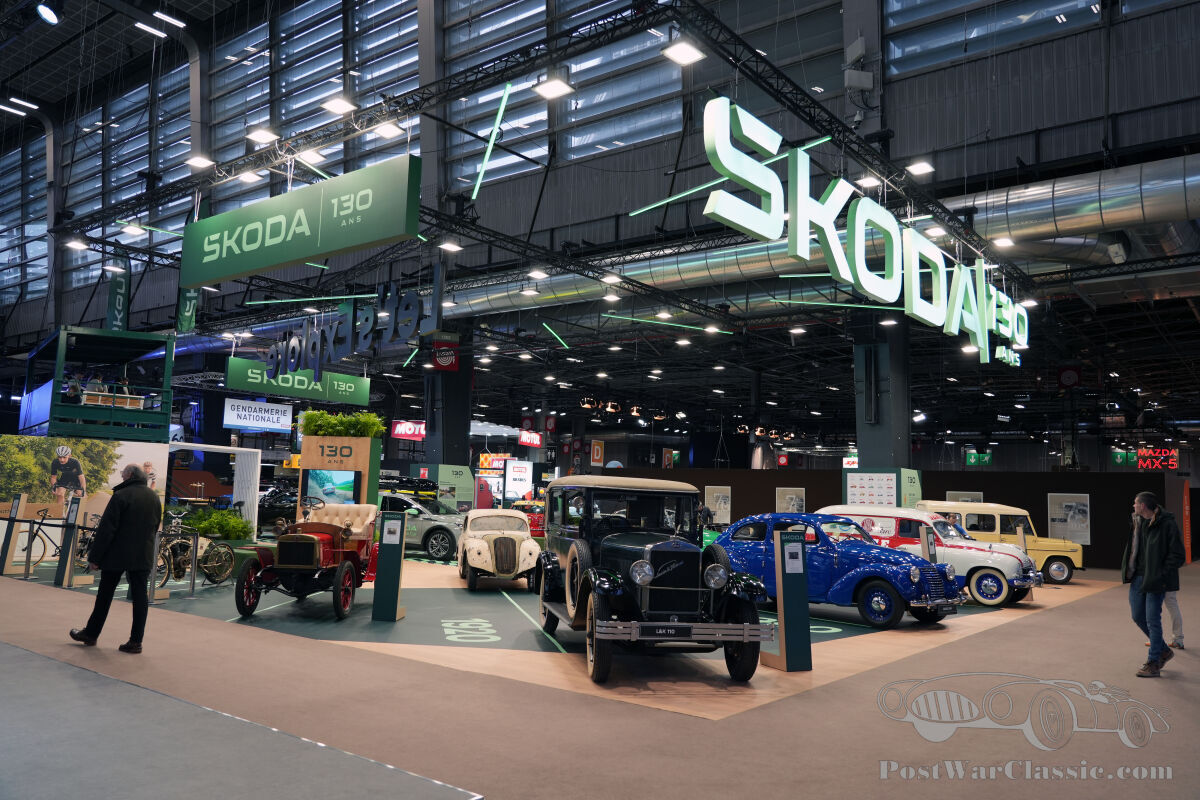
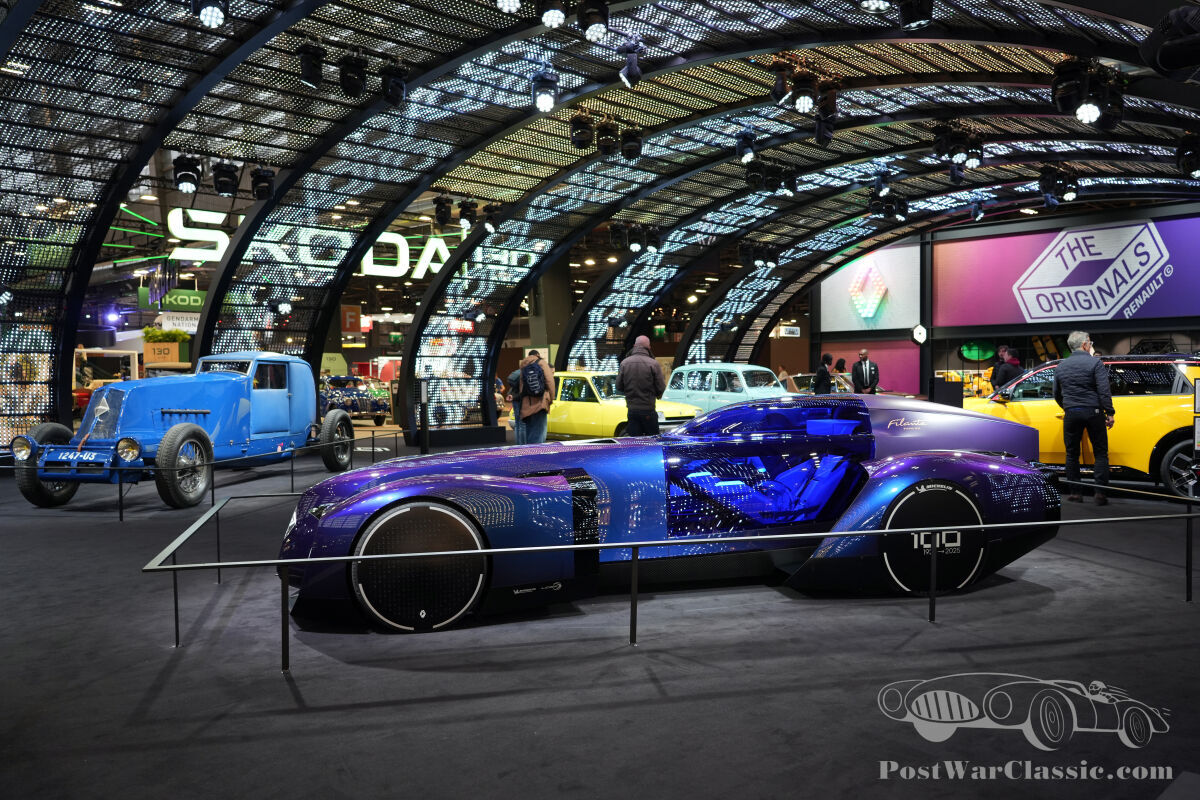
Škoda manufacturer exhibition
While many manufacturers rummage through their historic collections to find an interesting car or two to display at Rétromobile alongside a modern example, Škoda has really pulled out all the stops, presenting no fewer than 11 historic vehicles, including three '50s and '60s gems. Of these, the 1959-64 Felicia convertible is probably the most recognisable, but we are especially charmed by the 1958 1201 STW van in the colourful red, white and blue of Central Bohemia—a livery which would transfer very attractively to a period die-cast toy. The most surprising model, however, is the 1969 Trekka, an amusing sort of cross between a Land-Rover and a Mini Moke, built in Otahuhu, New Zealand, and offered with various bodies depending on whether one wanted it as a working vehicle or a pleasure car for the beach. Sales were mainly confined to New Zealand, Australia and the Pacific islands.
1952 Alfa Romeo Disco Volante
Museo Nazionale dell'Automobile
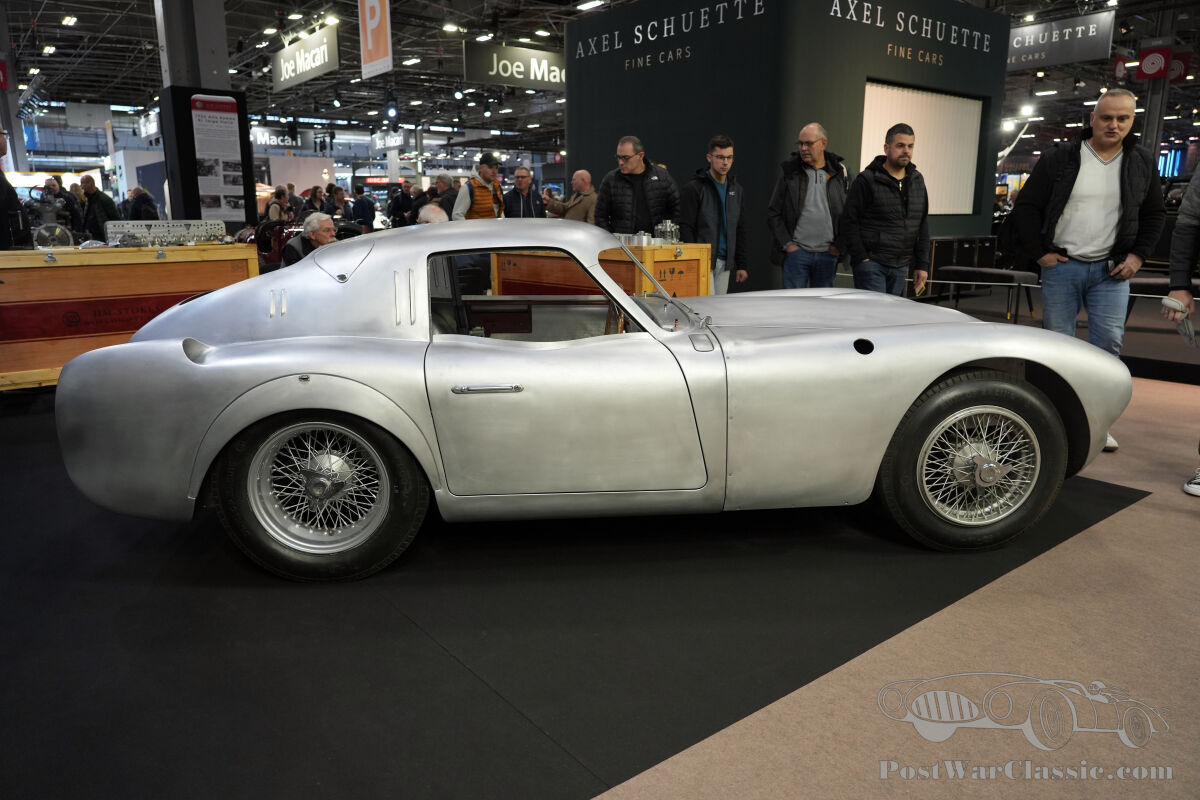
This striking streamlined "flying saucer" is one of about a dozen as part of an aerodynamic experiment by Alfa Romeo and Touring of Milan. Using Superleggera tubular construction, Touring produced a highly advanced and outstandingly beautiful shape which would help Alfa Romeo achieve second place in the 1953 Mille Miglia with Fangio at the wheel. The example in Paris was donated to Italy's National Automobile Museum by Alfa Romeo in 1956.
Parisian couture: Citroën DS Grand Palais and Simca Aronde 1300 Week-End
Grand Palais and Club Simca de France
One cannot go to Paris without reflecting on its associations with high-end couture, and examples of that are in evidence at Rétromobile. The Citroën DS Grand Palais is one example, although not strictly an historic creation; it is the fruit of a personal project, started in 2012 and finished in 2020, by industrial designer Gérard Godfroy. Godfroy, who was involved with styling the Peugeot 205, Alpine GTA and Citroën Visa II, wanted to create a DS coupé such as the factory or Henri Chapron might have produced but never did; the result is exceedingly beautiful. A more authentic vehicle is the Simca Aronde Week-End, a low-volume cabriolet produced with Facel bodywork between 1954 and 1957, gaining the 1300 engine in 1956. Appropriately enough, the Week-End was promoted at launch by the très belle 19-year-old Brigitte Bardot.
Double DB: 1955 DB 750 Compresseur and 1953 DB-Panhard Le Mans
Paul Armagnac and La Galerie des Damiers
One of the most fascinating collaborations of the post-war years was between Panhard and Deutsch-Bonnet. The short-lived DB marque specialised in making racing cars and sports bodies around Panhard mechanicals, and the supercharged 1955 DB 750 single-seater is displayed in memory of "the greatest Gascon racing driver" Paul Armagnac (1924-62), who piloted it at its début at the 1955 Pau Grand Prix. It used the 745 c.c. engine with front-wheel drive from the Panhard Dyna X, which produced just 85 b.h.p. but weighed only 770lbs., when a typical Grand Prix car produced 160 b.h.p. but weighed more than 1,300lbs. It finished 10th in the race, eight laps behind the winning Maserati 250F. The 1953 DB-Panhard Le Mans sports splendidly slippery bodywork, and raced at the 12 Hours of Sebring in addition to the Vingt-Quatre Heures.
Teardrop trio: 1949 Ferrari 166 Panoramica Zagato and two 1948 Fiat 1100S coupés
Ruote de Sogno, Gallery Aaldering and Rock n Roll Classics
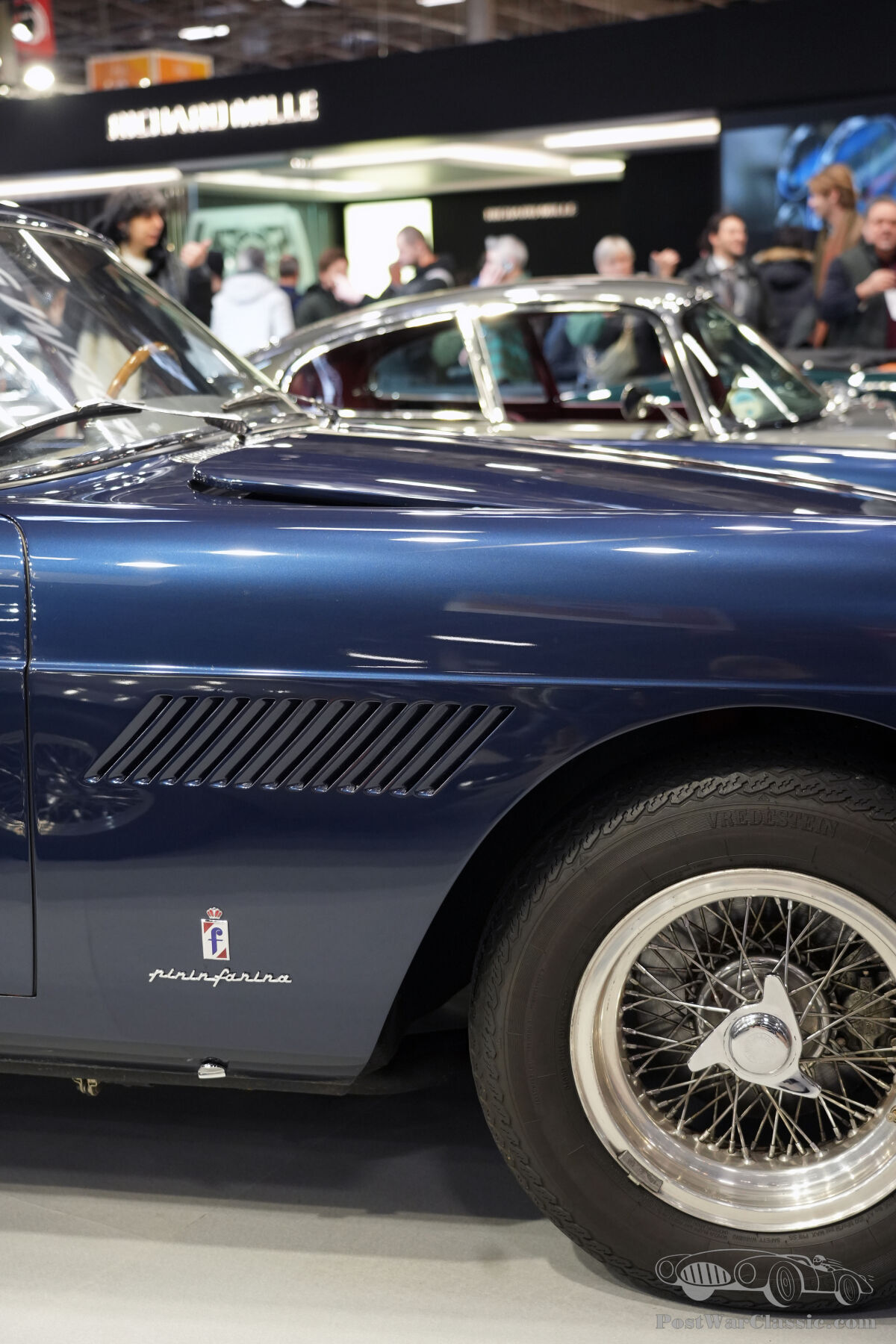
The immediate post-war period produced some fascinating streamlining experiments which resulted in a brief proliferation of teardrop-shaped coupés. One of the most impressive of these is the almost greenhouse-like 1949 Ferrari 166 Panoramica by Zagato, which was actually Zagato's first Ferrari and also Ferrari's first coupé. It was commissioned by gentleman racer Antonio Stagnoli and competed in the Coppa Intereuropa and the Mille Miglia, but ceased to exist when Stagnoli asked Zagato to turn it into a barchetta in 1950. This very faithful recreation was built in 2007 using a 166 Vignale as a base. Of a similar breed are the 1948 Fiat 1100S coupés, which competed in the 1951 and 1952 Mille Miglias and of which two are on display, both with different bodywork; the Aaldering car is unflatteringly known as the Gobbone ("hunchback").
Anglo-American muscle: 1965 Ford GT40 and 1966 Shelby Cobra 427
Fiskens
Leaving behind the glamour and elegance of Italy and France, we are no less impressed by the aggressive presence of the Ford GT40 and Shelby Cobra which appear side-by-side on the Fiskens stand. The GT40 actually looks almost too pretty to be a racing car, and that's because it was kept in show specification on the instruction of Carroll Shelby, and thence used primarily as a demonstrator, appearing at the end-of-1965 Seattle, San Francisco and Portland Auto Shows before going on to tour showrooms. One of only two GT40s driven by Shelby himself (notably in a photoshoot with Miss Santa Monica), its cultural appeal is very greatly enhanced by its rôle as a camera car in Grand Prix and a cameo in The Man from U.N.C.L.E. The Cobra led a life very much in keeping with its appearance, having been one of two supplied new to Scuderia Filipinetti in Geneva, which in 1965 had become the official Swiss importer of Ford Performance Vehicles under the banner of Performance Cars S.A. Chassis CSX 3217 and sister Cobra CSX 3013 were imported from England as its first sales vehicles, and 3217 was sold following exhibition at the 1966 Geneva Motor Show to Swiss privateer Arnaldo Maestrini, who campaigned it in local hill-climbs including the 1966 Mittholz-Kandersteg, 1967 Ollon-Villars and 1968 Crans-Montana. It has recently been returned to its 1966 competion specification.
Published:
Thursday February 6th, 2025
Facebook
LinkedIn
Twitter
WhatsApp
Email
Copy