The global magazine and marketplace for classic car enthusiasts, by enthusiasts.


Filter
Make a choice:
- Cars
-
Make >>
-
Year >>
-
- Bikes
-
Make >>
-
Year >>
-
-
Location >>
- Parts & more
-
Make of car >>
-
Manufacturer >>
-
Category >>
-
Countries


Luxury from Luton: Vauxhall’s radical revamp concept
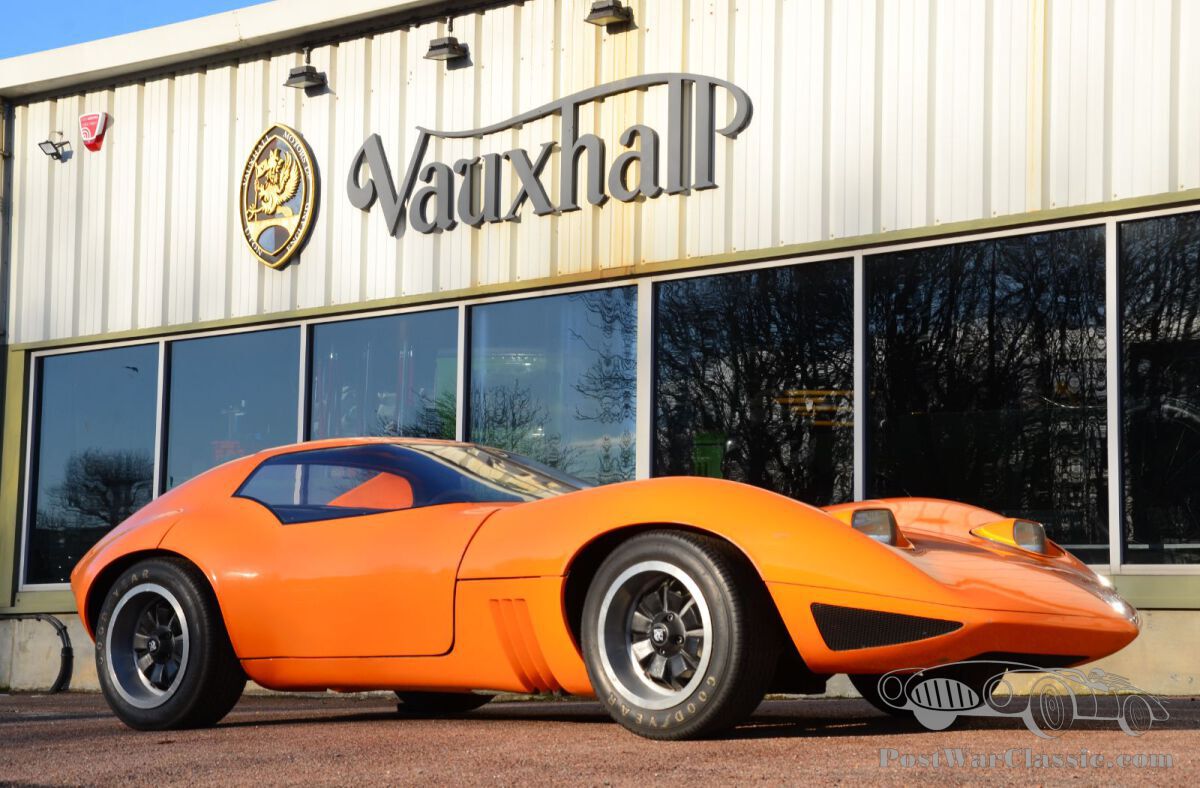
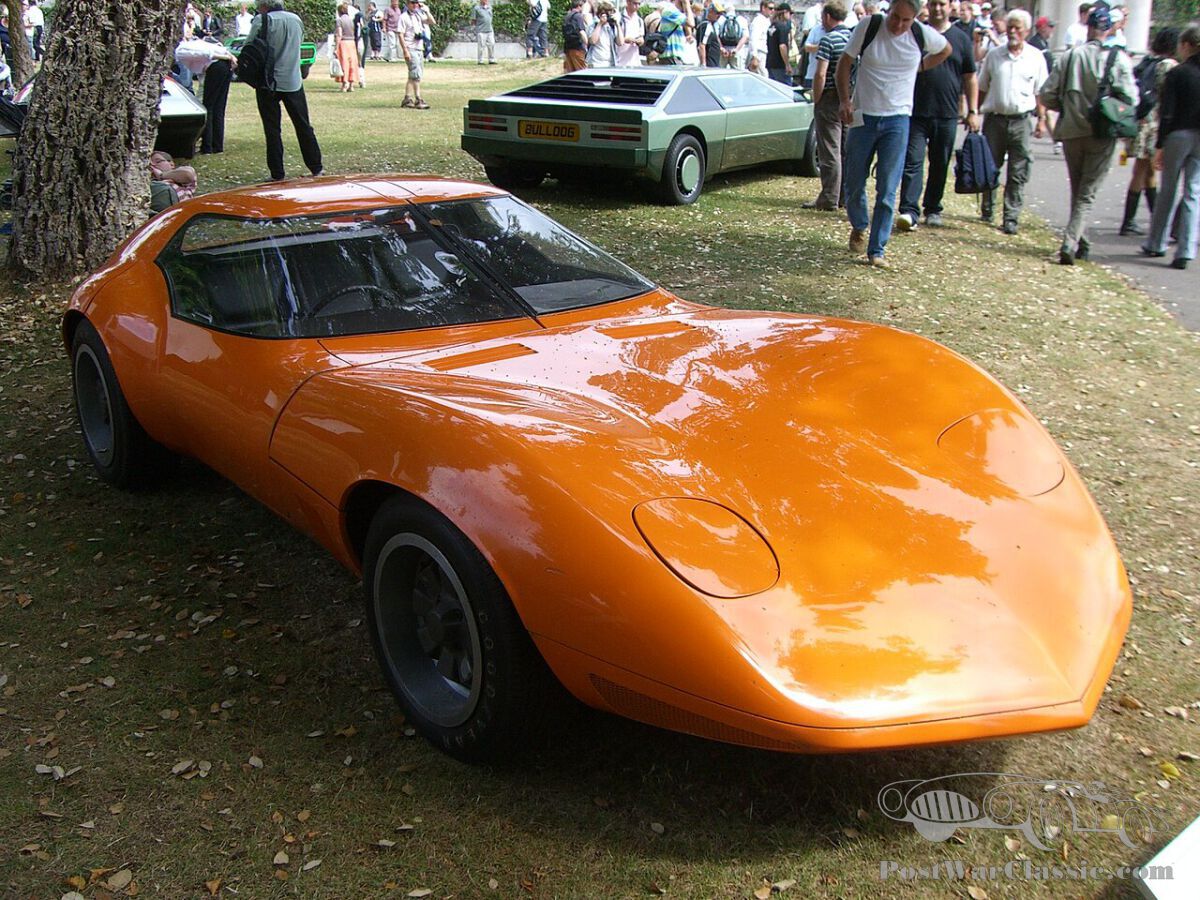
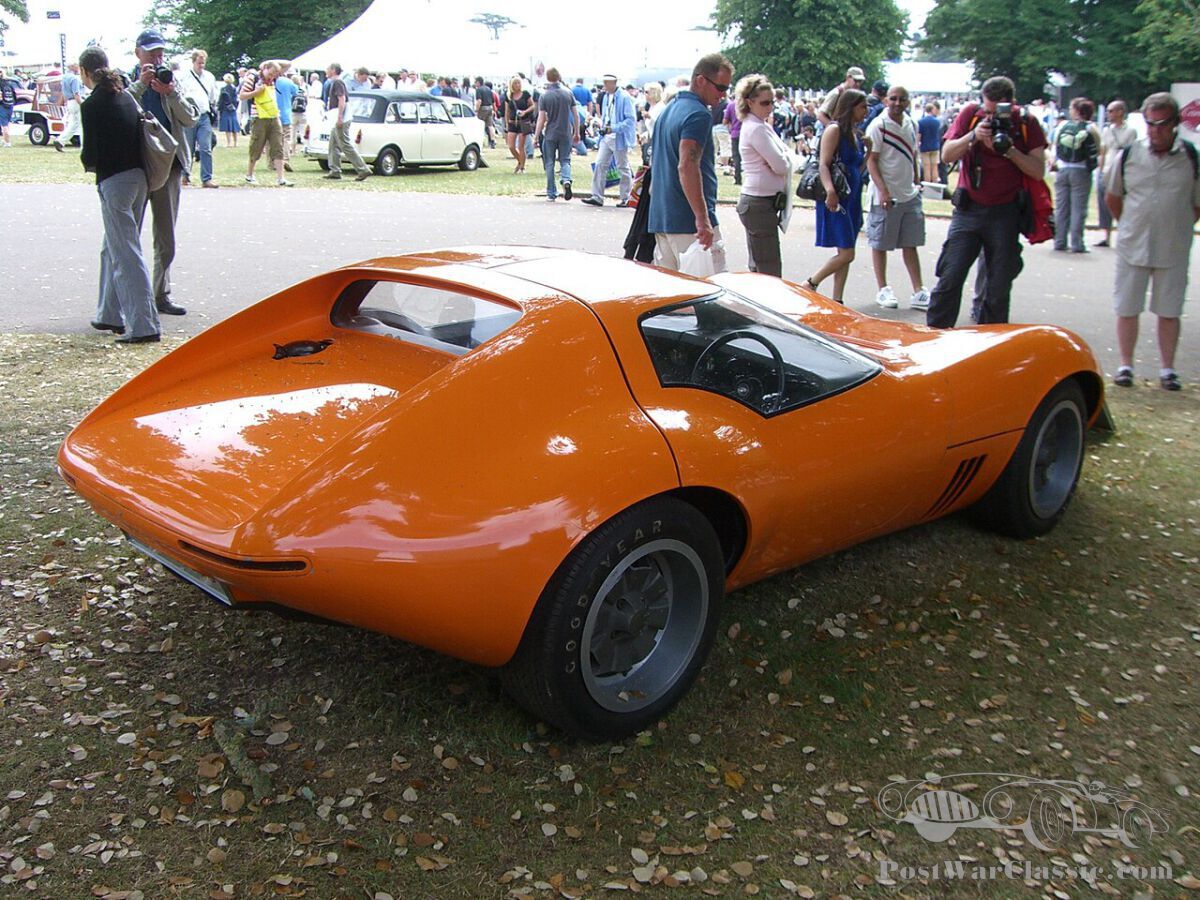


What can be said about concept cars? Daring statements from flashy marques, with futuristic looks and frequently outrageous statistics. This one, though, breaks the formula. Not only radical in its design, but also a bold statement from perhaps one of the most restrained companies in the business.
Vauxhall’s XVR is, in many ways, jarring. Unnecessary for a company image suited to the subdued family saloon. Yet they were willing to prove they could stand alongside other competitors on the prized podium of high-end sports cars. By October 1965, a design team had been formed, headed by David Jones and American designer Wayne Cherry, whose previous credits included the Oldsmobile Toronado and the original Chevrolet Camaro. The project, taking six months from concept to prototype, would make full use of Vauxhall’s new design and engineering centre in Luton. The result: a gull-winged, hawk-nosed statement guaranteed to catch the eye of anyone in a motor show crowd.
Inspired by Chevrolet’s Mako Shark II concept, the XVR’s slimline, tapering body shell screamed mid-century Americana to its European audience. The split windscreen and pop-up headlamps were elements lifted directly from the General Motors aquatic-inspired design. A simplified elegance gave the XVR a presence that could not be ignored. With the “bird in flight” silhouette granted by its gullwing doors, Vauxhall’s concept was an artistic triumph of beauty and simplicity.
The interior was just as revolutionary. Finished in black leather, it featured a wrap-around instrument cluster. The seats, set in a reclined, racing-inspired position, were fixed rather than adjustable. Instead, the dashboard, steering column and pedal box could be independently altered to suit the individual driver.
The futuristic thinking did not stop beneath the surface. A specially designed lightweight chassis incorporated fully independent suspension at the front and rear. The sole fully functioning XVR was fitted with a pre-production 100hp slant-four engine. Hardly groundbreaking, but thoughtfully chosen to grant a respectable top speed of over 100mph.
Predictably, the XVR’s days in the limelight of motor shows and column inches would end without a production order. Only three were built. One fibreglass rolling mock-up and the lone running prototype were later discarded. The remaining fibreglass mock-up, finished in orange, remains in the hands of Vauxhall Motors. Its influence and legacy on the world of concept cars, though, would continue. Wayne Cherry would go on to design a further concept for Vauxhall: the wedge-shaped SRV of 1970, directly inspired by his work on the XVR. The design also provided a template for the increasingly angular and streamlined late-60s silhouette. Clearly, the XVR was no Vauxhall Victor.
Words by Alexander Simmons-Miller.
Published:
Friday February 6th, 2026
Facebook
LinkedIn
Twitter
WhatsApp
Email
Copy
Comments
Stanley Dzul
08 February, 14:58
It’s a nice sports car Vauxhall please produce it and put it on the market in the United States.
Read more