The global magazine and marketplace for classic car enthusiasts, by enthusiasts.


Filter
Make a choice:
- Cars
-
Make >>
-
Year >>
-
- Bikes
-
Make >>
-
Year >>
-
-
Location >>
- Parts & more
-
Make of car >>
-
Manufacturer >>
-
Category >>
-
Countries


Mystery from Turin: where has this unique post-war coachbuilt gone?
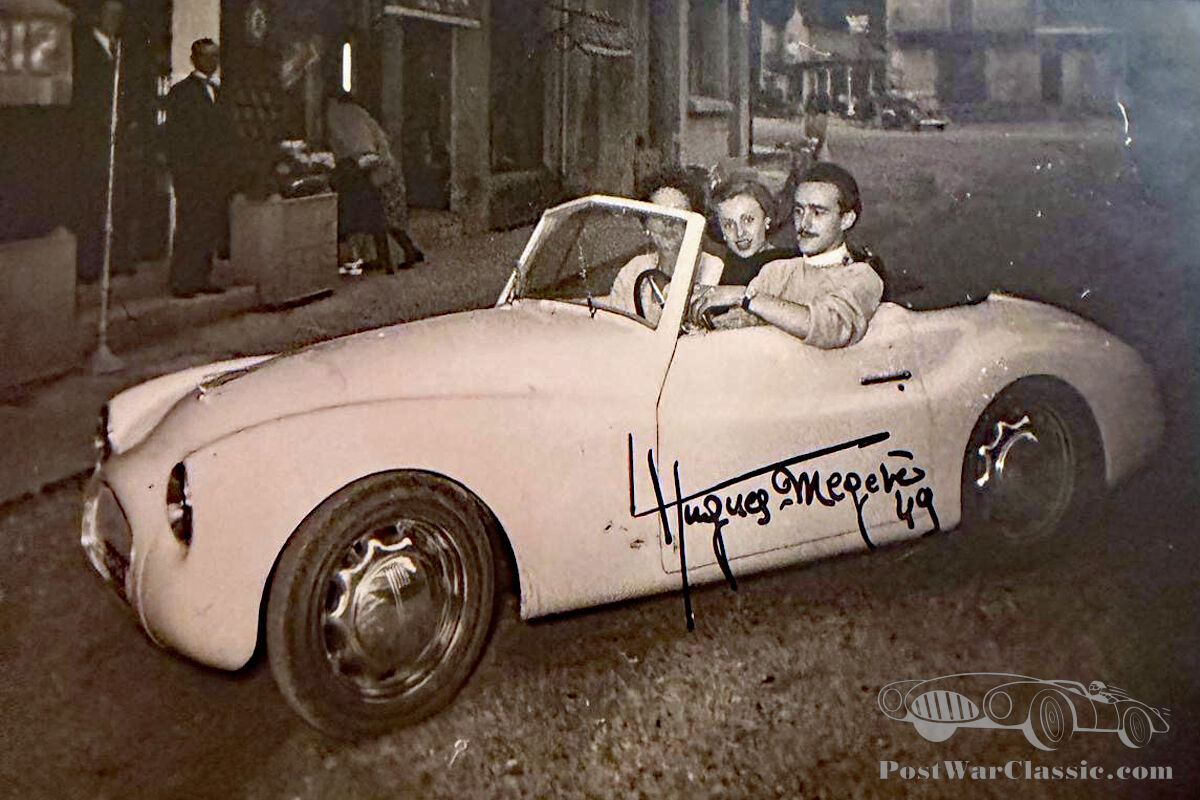
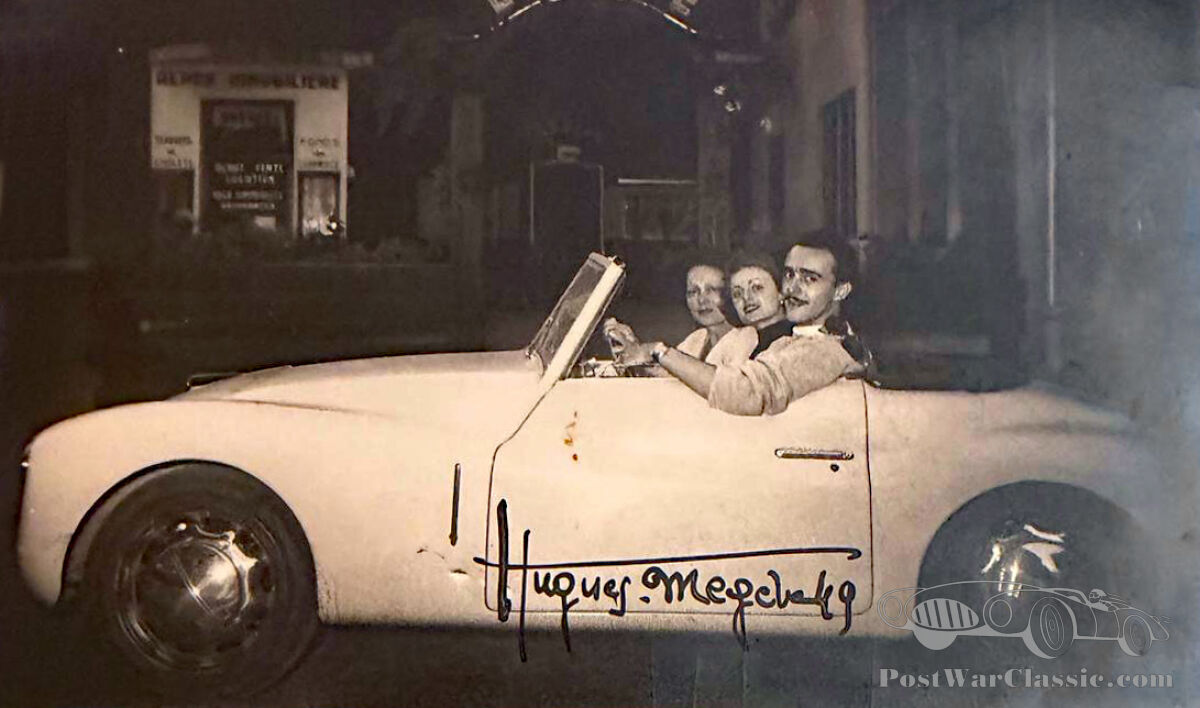
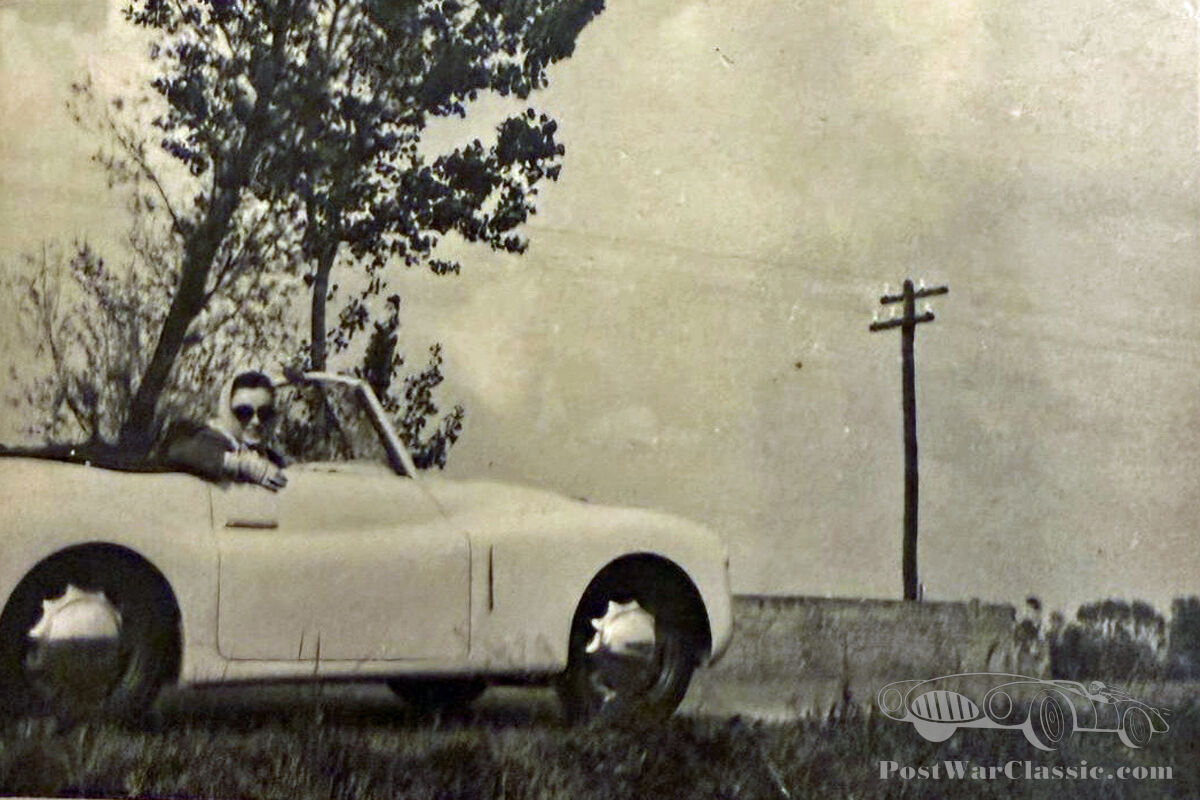


A friend from Turin shared with the submitter these intriguing photographs of an exceptional car that his father, a successful industrialist, had built for himself shortly after the war. Much remains unknown: no brand, no chassis number, no coachbuilder. Only this: his factory stood directly opposite the gates of Lancia, making a technical connection to the marque highly plausible — possibly even to the Lancia Aprilia.
The photographs were taken in 1948 in Megève and were submitted by Marco Gastaldi. According to family recollections, the engine may even have originated from a motorcycle. The car was reportedly sighted later in Sicily.
What immediately stands out are the extreme proportions. The wheelbase appears short, the body exceptionally low and narrow. The separate fenders, minimalist nose and fragile appearance are more reminiscent of an ultra-light special than of a conventional automobile platform. This does not look like a shortened Aprilia, but rather a creation of its own — possibly built on a light tubular chassis using available Lancia components for suspension and steering.
This approach fits perfectly within Italy between 1946 and 1949. Material shortages forced ingenuity. Across Northern Italy, specials emerged with motorcycle engines, lightweight frames and hand-formed aluminium bodies. In the spirit of coachbuilders such as Carrozzeria Touring, Stabilimenti Farina and Carrozzeria Zagato, where lightness and aerodynamics were paramount — yet this project appears even more radical, almost experimental.
Was this the work of a small Turin carrozzeria? A private project by an engineer? Or a plaything for a wealthy enthusiast with access to knowledge and materials?
If the rumours about Sicily are true, there is a chance that this unique coachbuilt still survives somewhere. Who recognises this vehicle or this style of construction? Any information may help unravel this post-war mystery.
Photos submitted by Marco Gastaldi
Published:
Tuesday February 10th, 2026
Facebook
LinkedIn
Twitter
WhatsApp
Email
Copy
Comments
Paul Jaray
13 February, 12:52
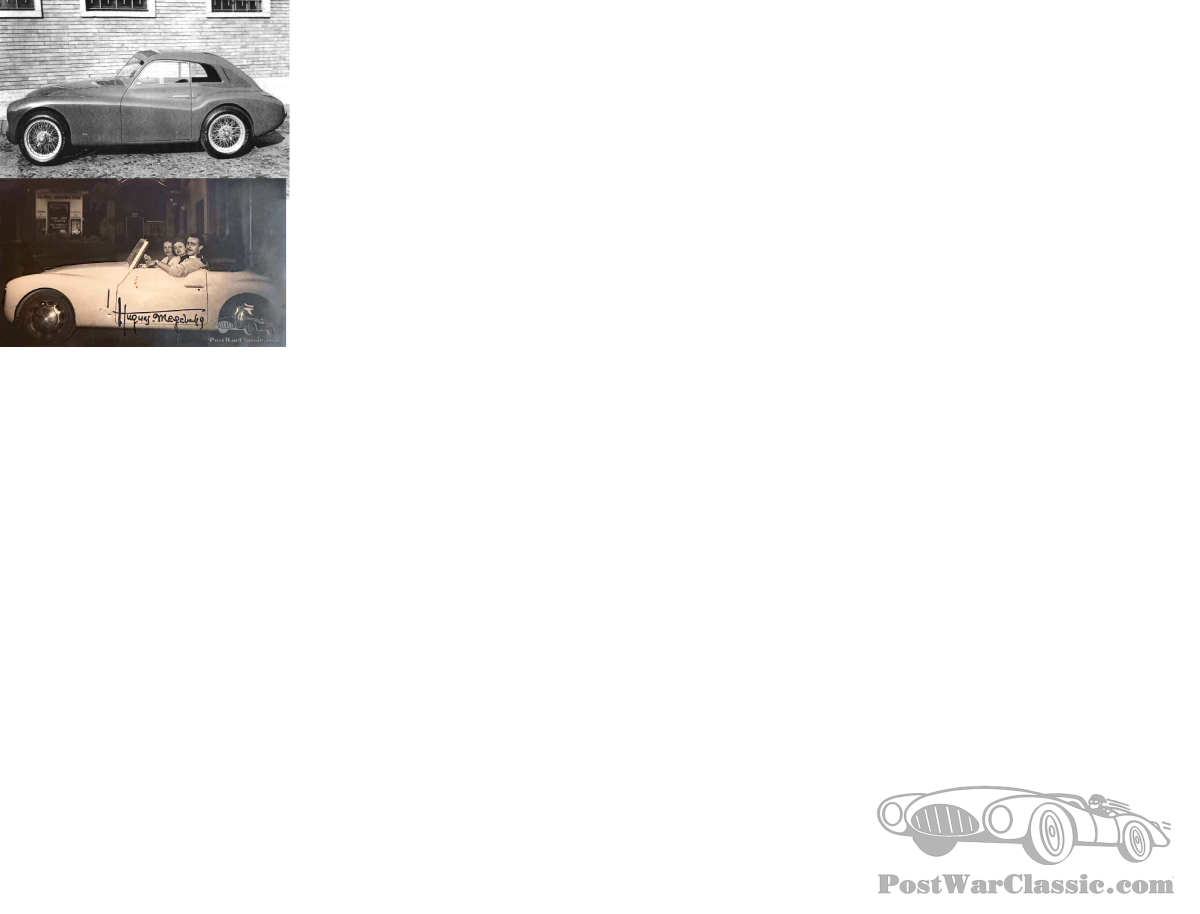
This car is a perfect match with Siata's 750 MM berlinetta 'Orchidea' bodied by Motto and presented at the '48 Turin salon. Only differencies are the lack of roof and the wheels.
Read more