The global magazine and marketplace for classic car enthusiasts, by enthusiasts.


Filter
Make a choice:
- Cars
-
Make >>
-
Year >>
-
- Bikes
-
Make >>
-
Year >>
-
-
Location >>
- Parts & more
-
Make of car >>
-
Manufacturer >>
-
Category >>
-
Countries


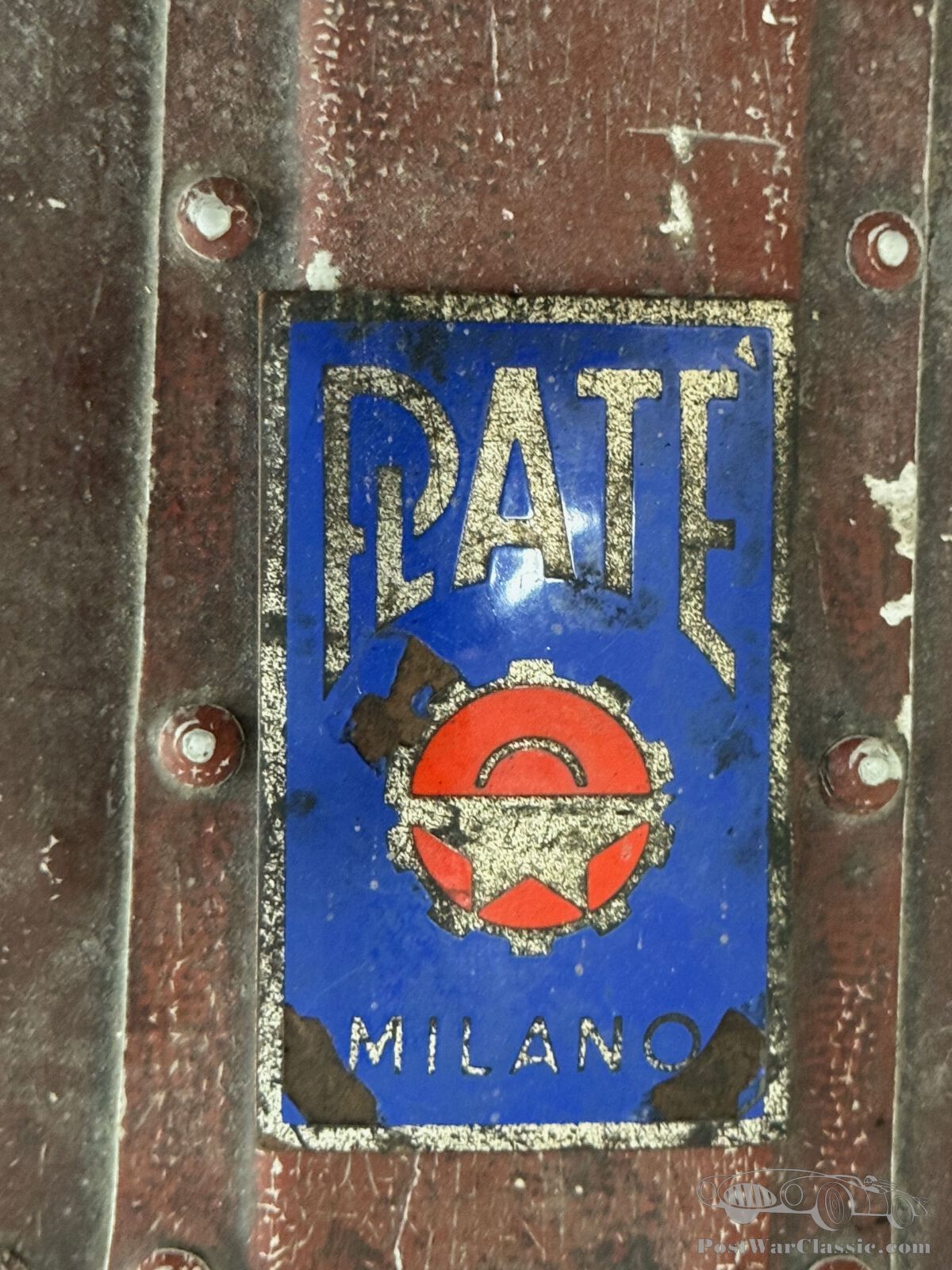
The 1948 Platé Special: Rediscovery of a Grand Prix Legend
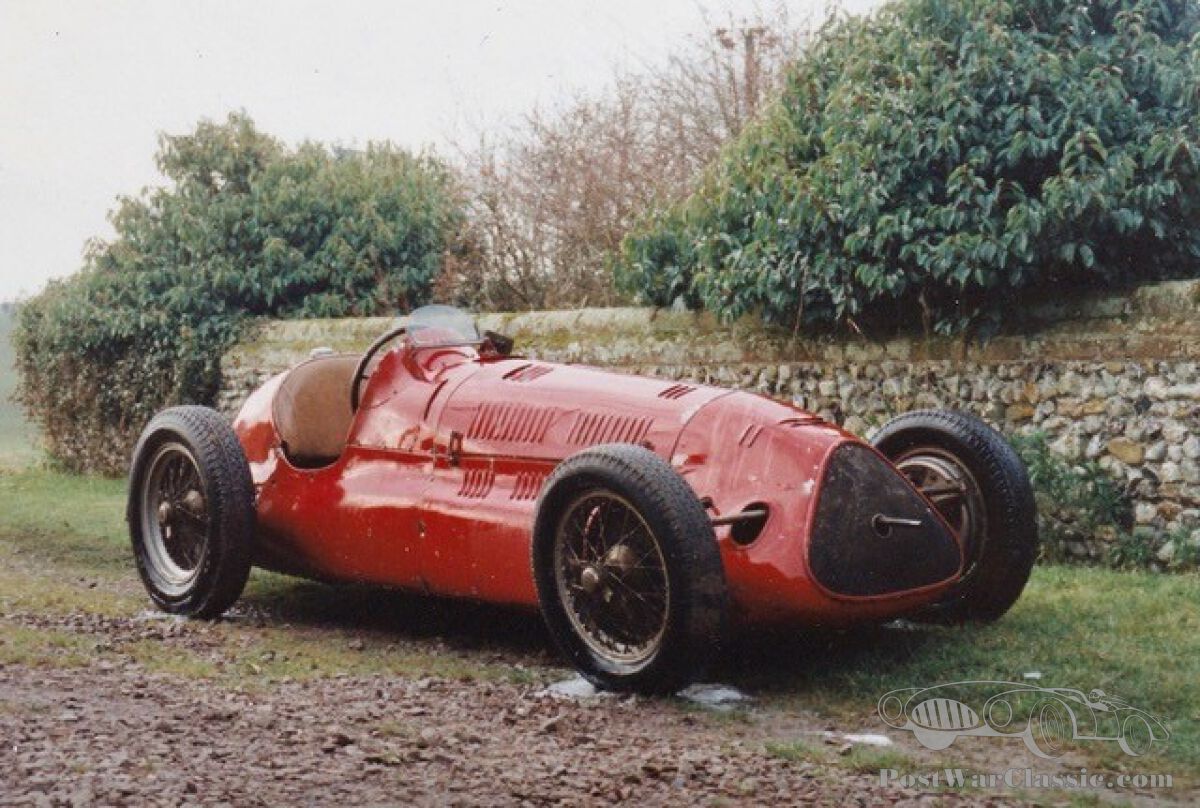
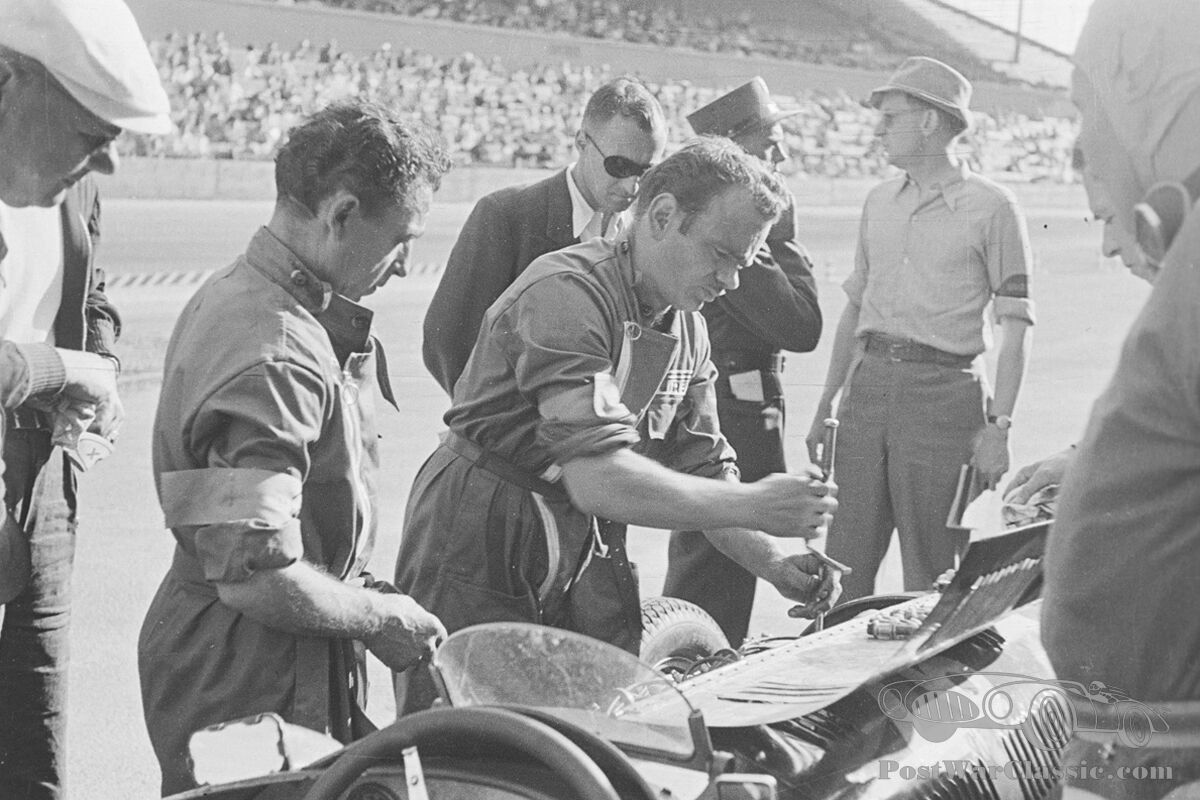
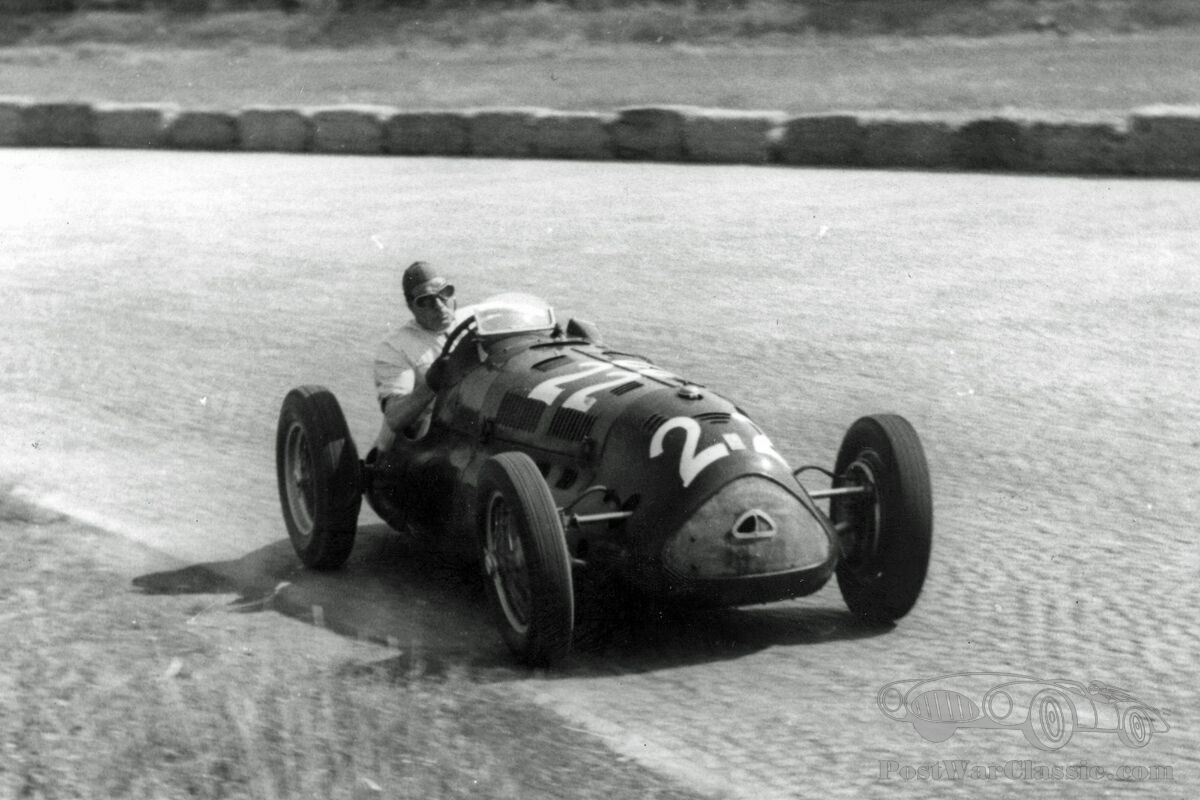
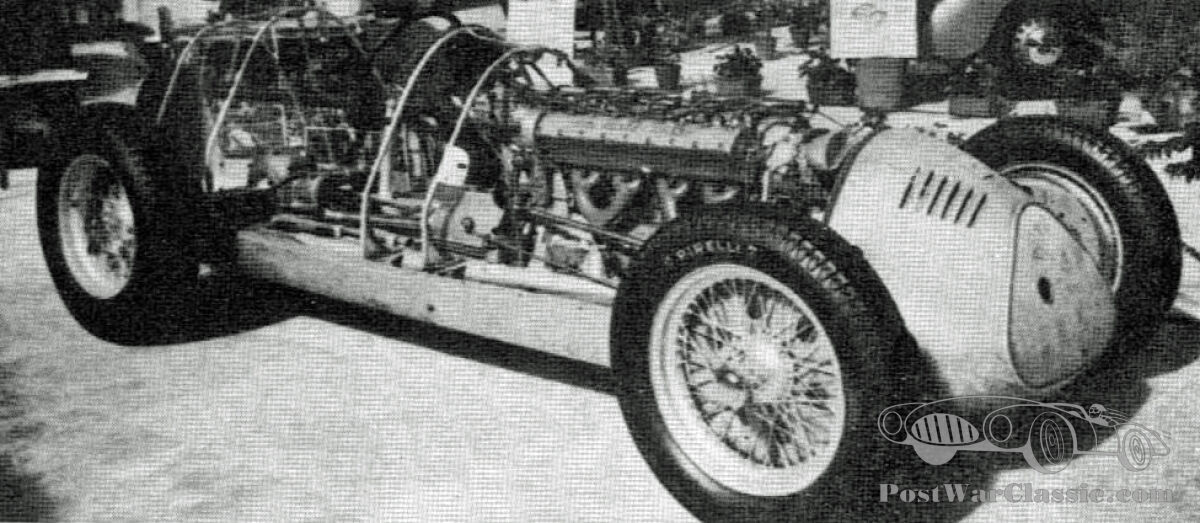
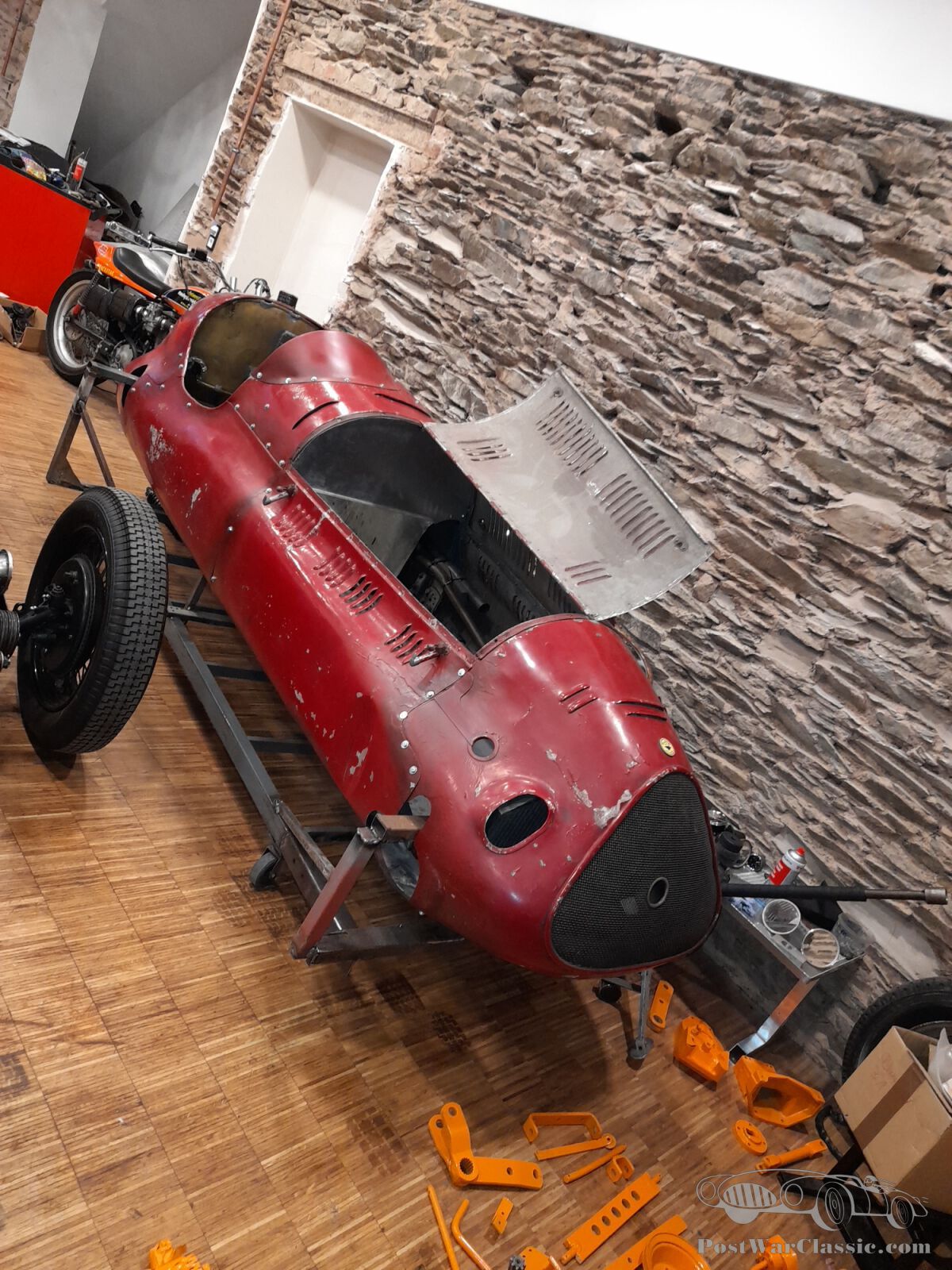
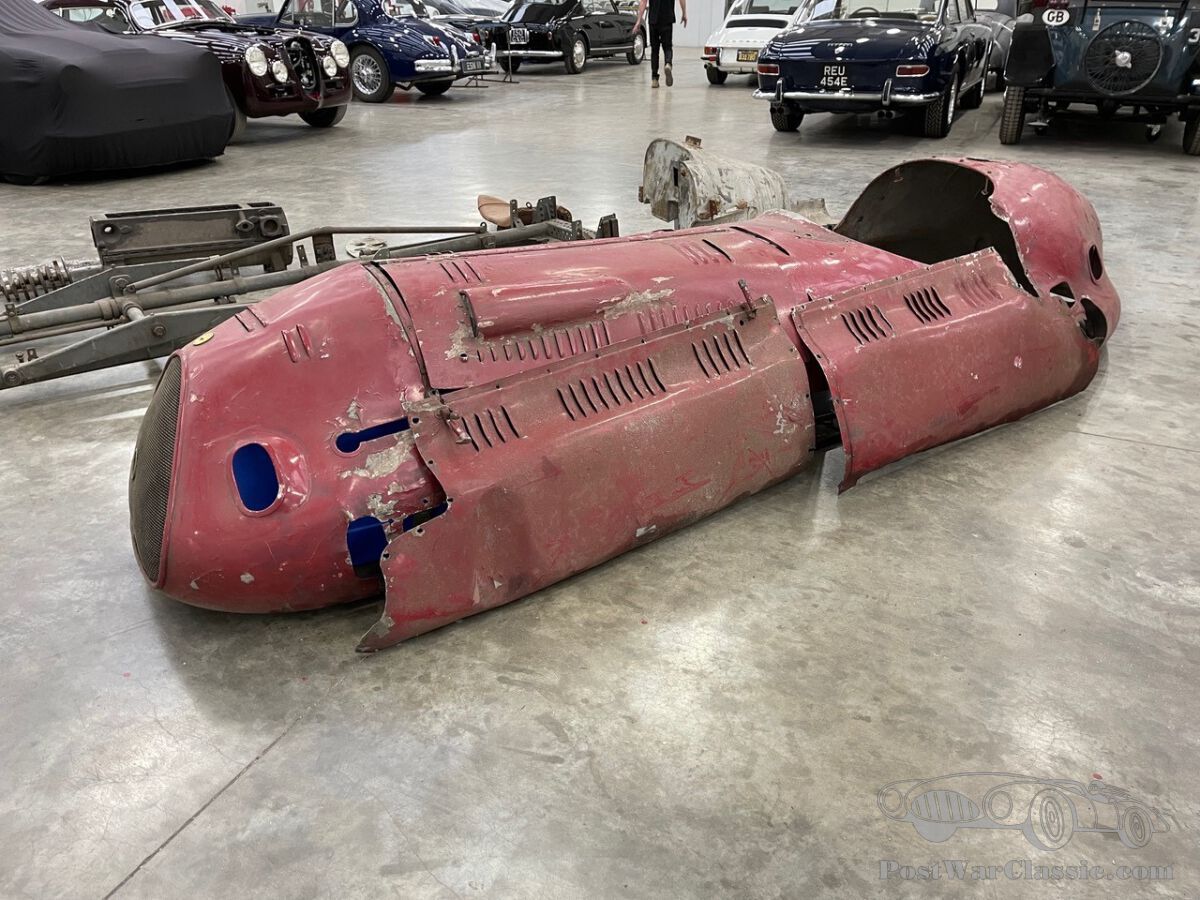
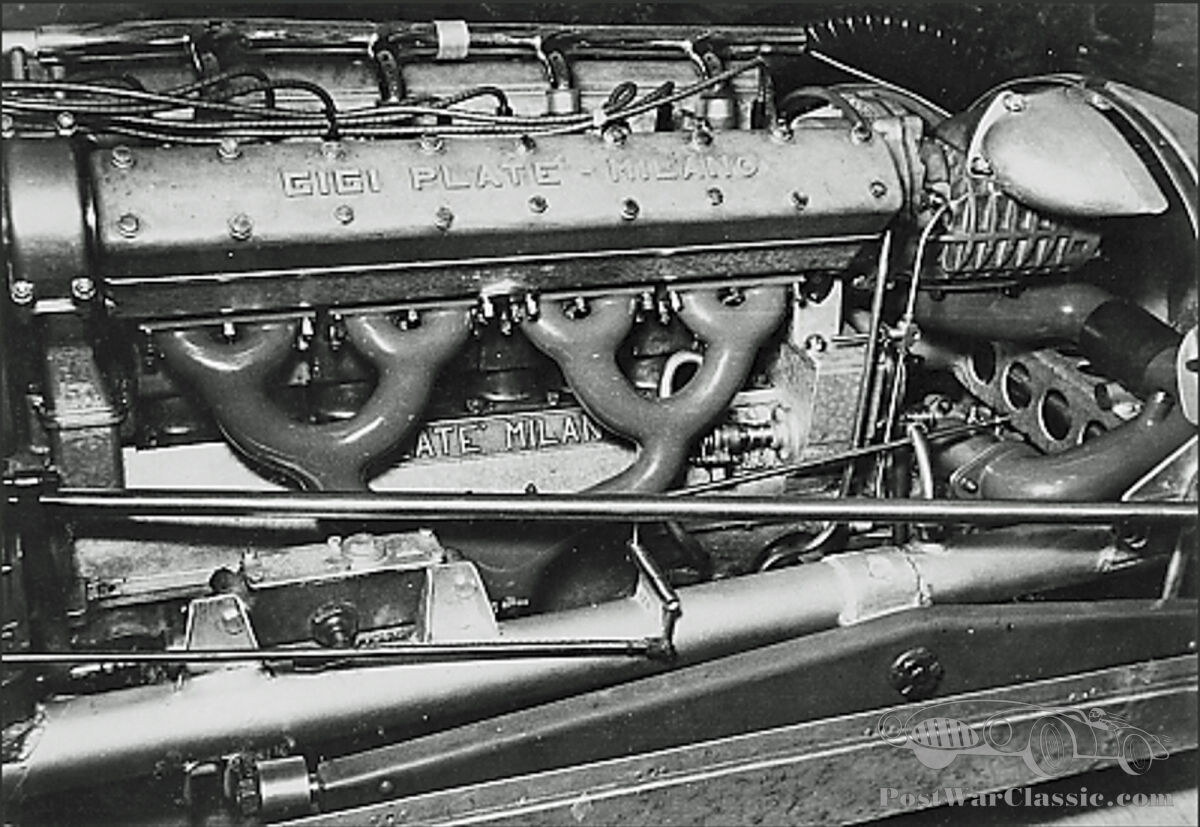
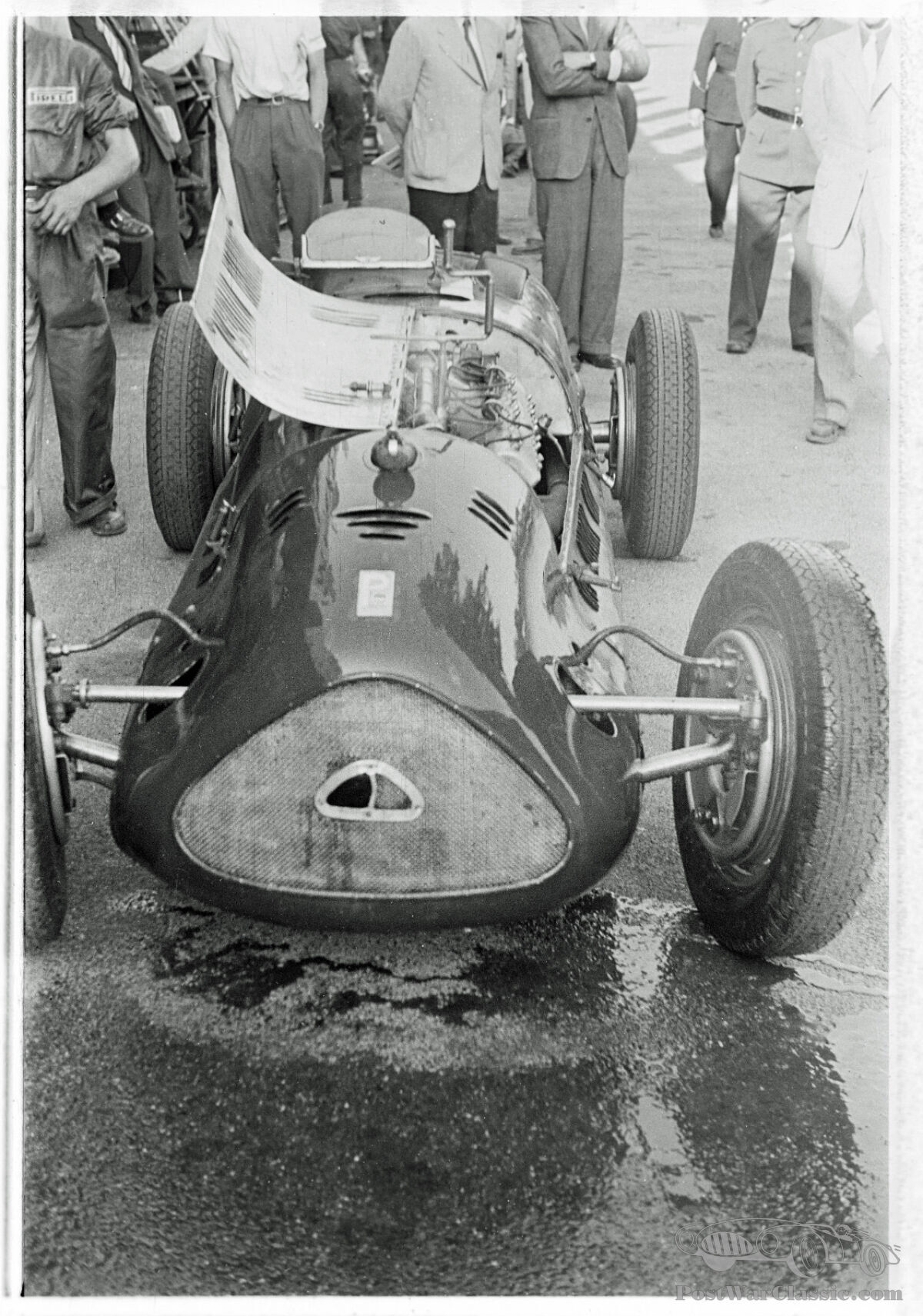


In the ever-evolving world of post-war motor sport, a few machines stand out not just for their performance, but for the stories they carry. The Platé Special, built in 1948, is one such car—a rare Grand Prix creation that bridges the pre-war and post-war eras of racing through ingenuity and craftsmanship.
At the heart of the project was Enrico Platé, a Swiss-Italian driver and team owner active during the 1930s and 1940s. After World War II, Platé shifted focus from racing to rebuilding and modifying cars for Grand Prix competition, often using older platforms and reengineering them for modern performance.
From Talbot roots to racing revival
In the 1930s, Platé acquired all three of the original Talbot-Darracq Grand Prix cars, forming the foundation for years of development. After the war, his efforts culminated in what would become his final and most ambitious creation: the Platé Special.
Unlike his earlier modifications, this car was built on an entirely new chassis of Platé’s own design. It featured a new lightweight body, a Maserati rear axle, and a completely redesigned suspension system—a significant leap forward in engineering for its time. The engine retained its Talbot origins in basic design, but with crucial upgrades: thanks to assistance from famed Italian marque Isotta Fraschini, new blocks were recast and heavily modified to Platé’s specifications. Most notably, the engine now featured twin superchargers, providing a major performance boost.
Driven by Biondetti
Among the few drivers to pilot the Platé Special was Clemente Biondetti, a successful Italian racer and four-time Mille Miglia winner. In 1948, Biondetti raced the car at famous circuits such as Monza and Bremgarten, Switzerland. While the car never achieved major victories, it embodied the spirit of post-war racing: resilience, adaptation, and the relentless pursuit of speed.
In 1950, the Platé Special appeared at an automotive exhibition in Turin, where it was showcased as a unique and innovative racing machine. After that, its trail went cold for many years, fading into the background of motor sport history.
Decades later, the car resurfaced in Germany, now owned by the Neisius family, who are undertaking an ambitious restoration project. However, the Platé Special still holds many mysteries. Details about its exact specifications, race entries, and mechanical history are scarce.
Interestingly, the car remained more or less intact and active until the 1980s, when parts of it were dismantled by various enthusiasts—including Sean Danaher—in an effort to recreate one of the original Talbot-Darracq Grand Prix cars. That recreation now resides in Switzerland, but the Platé Special’s unique story and legacy are far from over.
This is where you come in.
The Neisius family has some questions for classic car and motor sport enthusiasts: do you have photographs, documents, technical drawings, or any information related to the Platé Special or its racing history?
Any piece of the puzzle can help restore this unique machine to its former glory, so if you can contribute in any way, please do—together, we can bring a forgotten Grand Prix legend back to life.
Published:
Tuesday May 13th, 2025
Facebook
LinkedIn
Twitter
WhatsApp
Email
Copy
Comments
Niklas Hannah
18 May 2025, 09:59
There is a third car in existence in Italy, recently surfaced and now being put together.
Read more
Markus Neisius
19 May 2025, 12:59
Hi. Do you have more information about that? We can also communicate privately.
Read more
Alfred Bauer
24 July 2025, 17:40
We will be getting a Platè Monposto shortly, but it will not be of much help to you, since it is technically very different and on a Maserati basis. Since it is very difficult to find proper information on Platé in the first place, it might make sense to get in contact and exchange the pieces of information we have. I am just getting started to work on Platé history, but maybe I can contribute a little as soon as I make some progress.
Read more