The global magazine and marketplace for classic car enthusiasts, by enthusiasts.


Filter
Make a choice:
- Cars
-
Make >>
-
Year >>
-
- Bikes
-
Make >>
-
Year >>
-
-
Location >>
- Parts & more
-
Make of car >>
-
Manufacturer >>
-
Category >>
-
Countries


A dash of American style: Rootes “Bold” body overhaul for Hillman’s mighty Minx
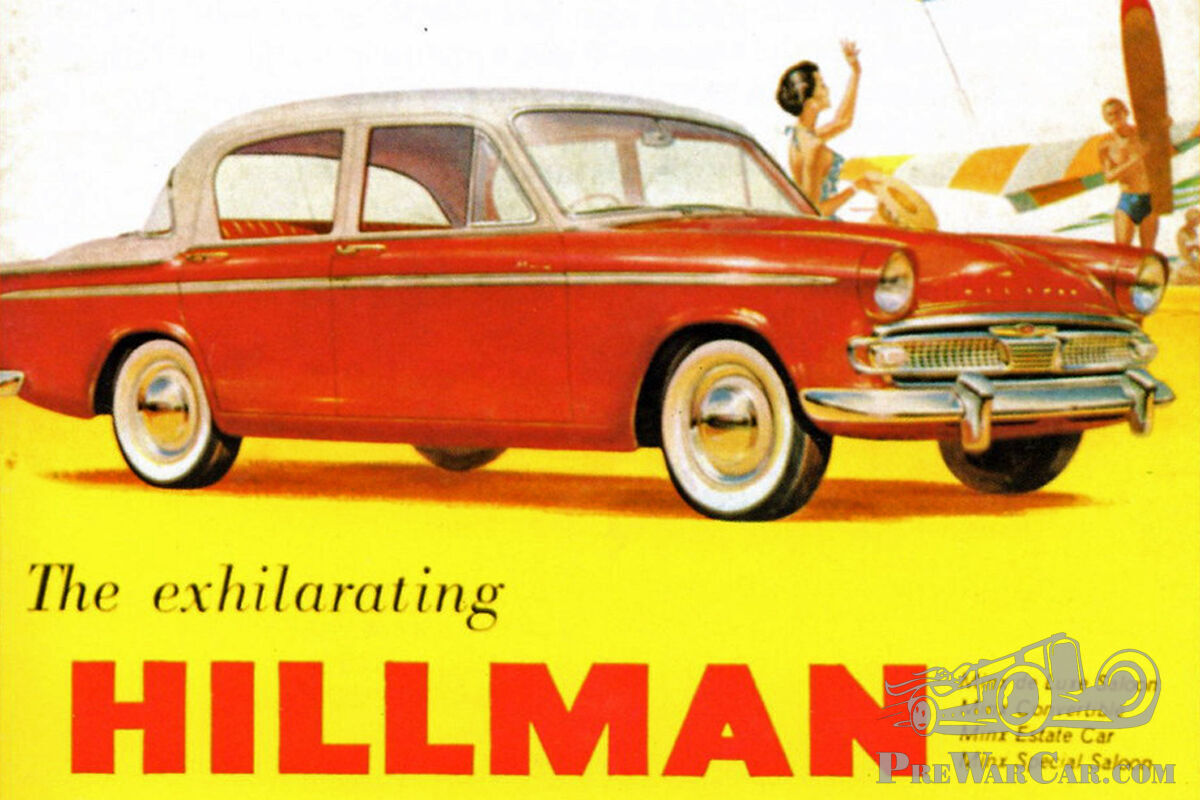


American automotive design of the 1950s was ingrained with the flair of broad bodywork and finned tails — unique, but not easily copied by its transatlantic neighbours. This wouldn’t hold back the Rootes Group, now in possession of the Hillman marque, from attempting their own idea of Americana.
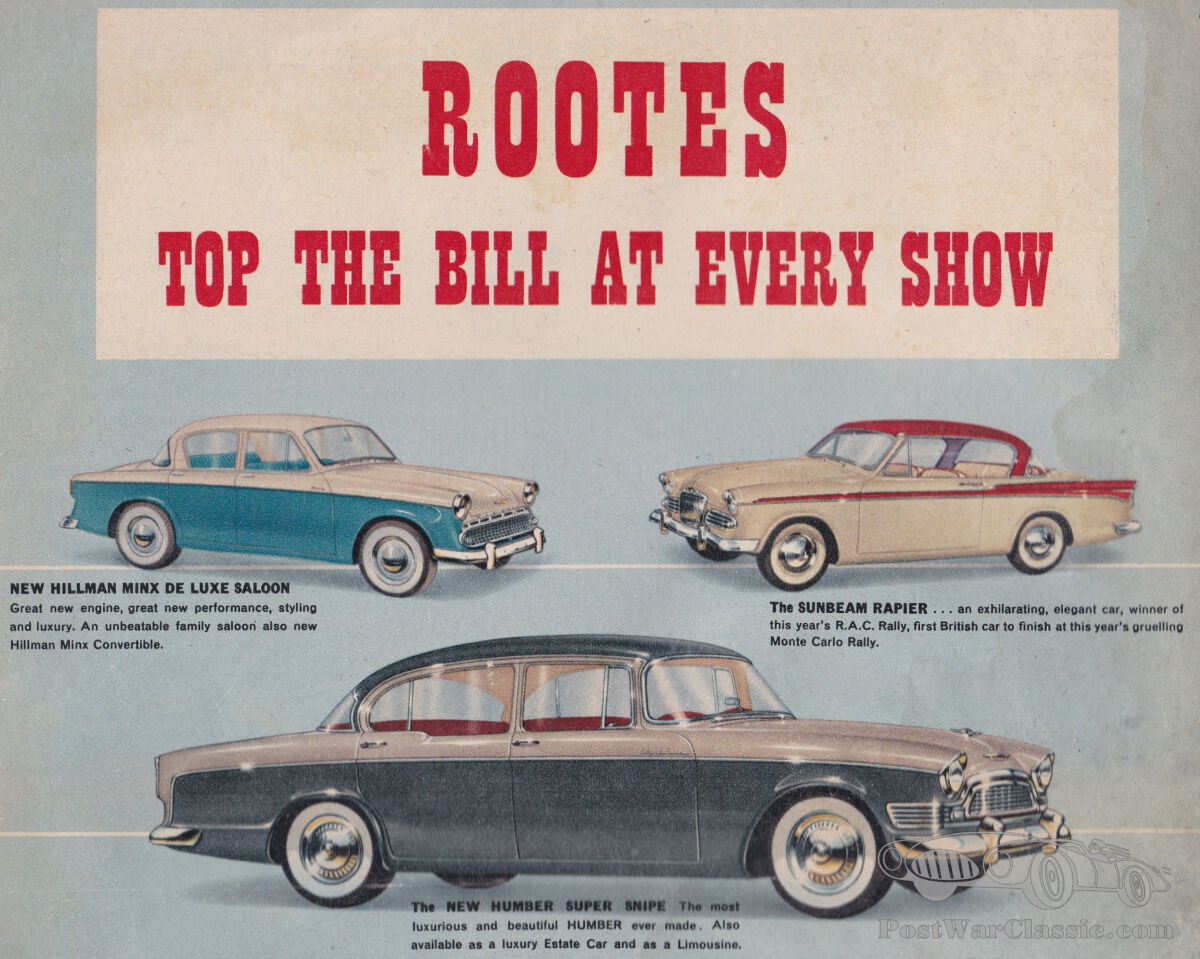
Originally introduced in 1931, the ever-faithful Minx was the affordable and reliable mid-sized family car of the pre-war age. Yet, as a new era of automotive design loomed, Hillman’s dependable performer was beginning to appear severely dated. Trying to be distinct, though, was another problem. Britain’s post-war market for the common family car often gave birth to a variety of unremarkable beige boxes. Rootes instead opted to do away with convention. Their answer to liven up the Minx for the modern motorist would come in the form of Raymond Loewy. A French-born American industrial designer, Loewy forged a reputation for simplicity and streamlining. His industrial firm would be responsible for the 1949 Studebaker Starlight Coupé, later Commander models, and (rather left of field) the redesign of the Coca-Cola contour bottle!
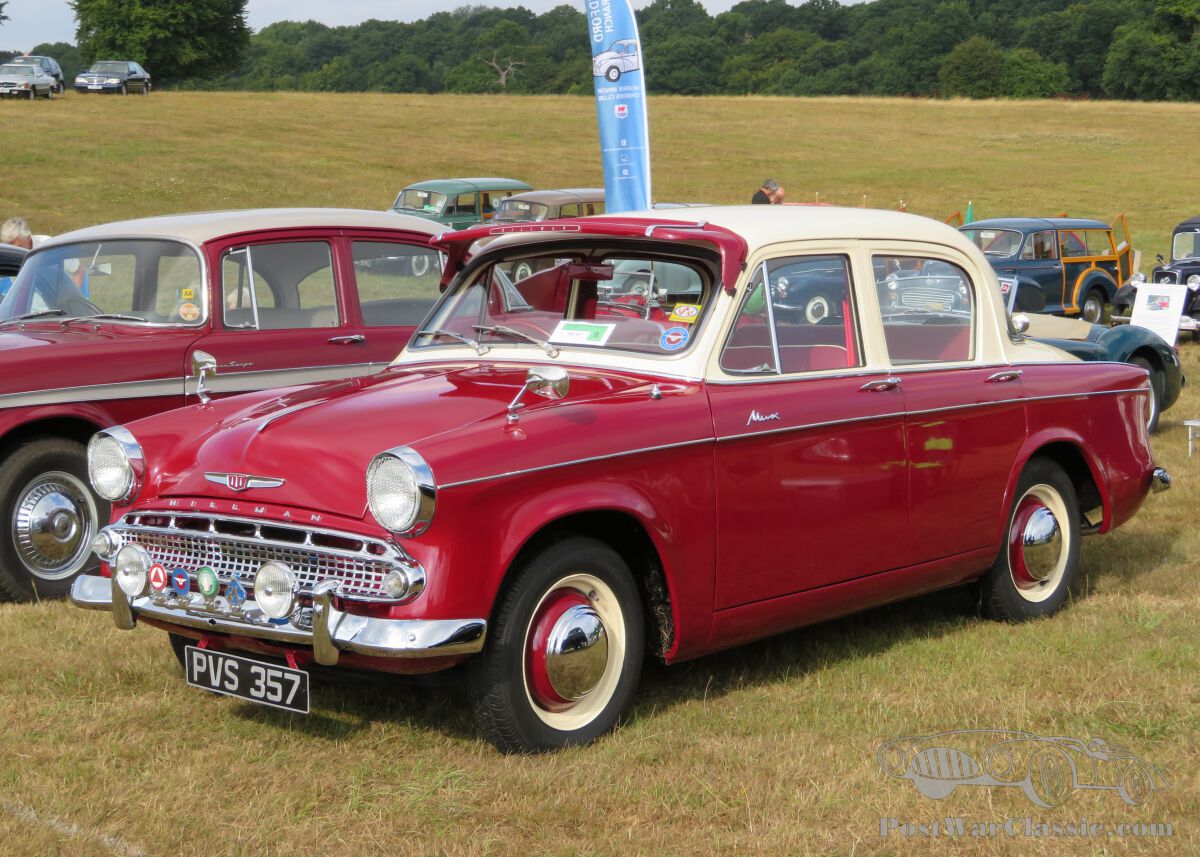
His new contemporary shell for the Minx would be less of a facelift and more of a complete body overhaul. The 1956 Mk1 saw Loewy’s trademark flourish for streamlining realised in a body that was angular yet free-flowing. With oval brake lights, a chromed radiator grille and a broad wraparound rear window, Loewy’s injection of American auto glamour gave the ailing Minx a much-needed refresh. Rootes’ choice of the body name “Audax”, translated from Latin as “bold”, was hardly an understatement. Though, compared to its US cousins, the new Minx would be more compact than those famed American “land boats.”
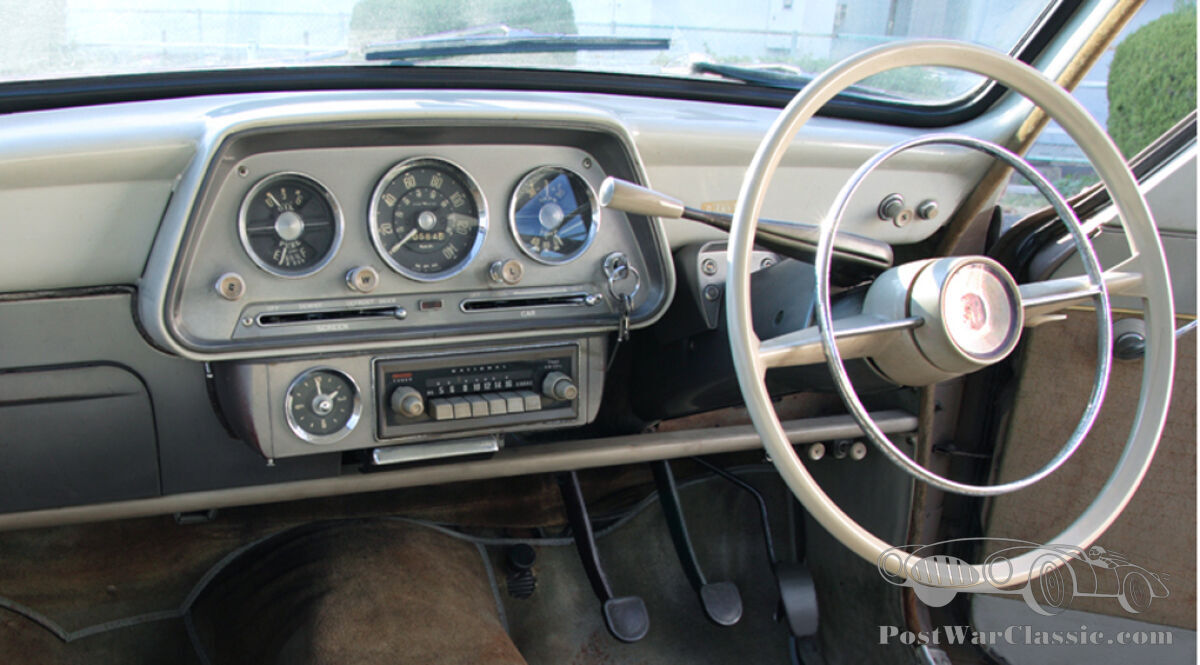
The interior too saw changes from earlier models. With embellishments of chrome surrounding the steering wheel and white piping on the leather seats, the cabin was both stylish and spacious. Unibody monocoque construction allowed the floor to be lower, improving cabin space. Yet the driver would have to brace against the cold in a base model — a heater being £15 10s extra! Mechanically, the Minx was widely praised for its economy. Around £1.75 million was spent on a plant to manufacture a new OHV four-cylinder engine. Producing 51 bhp, this was radically modern compared to older side-valves. Even in early models, a comfortable cruising speed of 60 mph and 30 mpg was possible from the peppy four-cylinder.
Eyes would also be on the international market, with Todd Motors in New Zealand importing and assembling the Minx as the Humber 80. Under licence, around 57,729 were also assembled by Isuzu for the Japanese market. A runaway success for Rootes then, with a total of 752,000 units sold by the 1960s. Hillman’s reconceived and affordable Minx — with a dash of American style. How could you resist?
Words by Alexander Simmons-Miller
Published:
Tuesday October 28th, 2025
Facebook
LinkedIn
Twitter
WhatsApp
Email
Copy