The global magazine and marketplace for classic car enthusiasts, by enthusiasts.


Filter
Make a choice:
- Cars
-
Make >>
-
Year >>
-
- Bikes
-
Make >>
-
Year >>
-
-
Location >>
- Parts & more
-
Make of car >>
-
Manufacturer >>
-
Category >>
-
Countries


Winged wonder: the Mercedes that dominated the DTM


Formula One might be the glamorous face of motor racing, and a thrilling spectacle at that, but we don't think we'll ruffle too many feathers if we pronounce that, in fact, the lowlier sport of saloon car racing was always the most entertaining. After all, the average enthusiast could never realistically expect to own a Formula One car, much less drive it on the road; they could, however, easily aspire to own one of the souped-up family cars speeding round the circuits of the British Saloon Car Championship or the DTM (Deutsche Tourenwagen Meisterschaft). And isn't it nice to think that the car you drive to the shops is also a championship-winning racer?
If you were the sort of person to choose your car based on its racing successes, the car to have in the early '90s had to be either a BMW 3-Series, Audi V8, Alfa Romeo 155 or Mercedes-Benz 190E. Ideally, in the case of the Mercedes, you would want to own a 190E Evolution II, just like the DTM stars raced, but most folk would have to settle for a more humble model, as the Evo II was a homologation special limited to just 502 units.
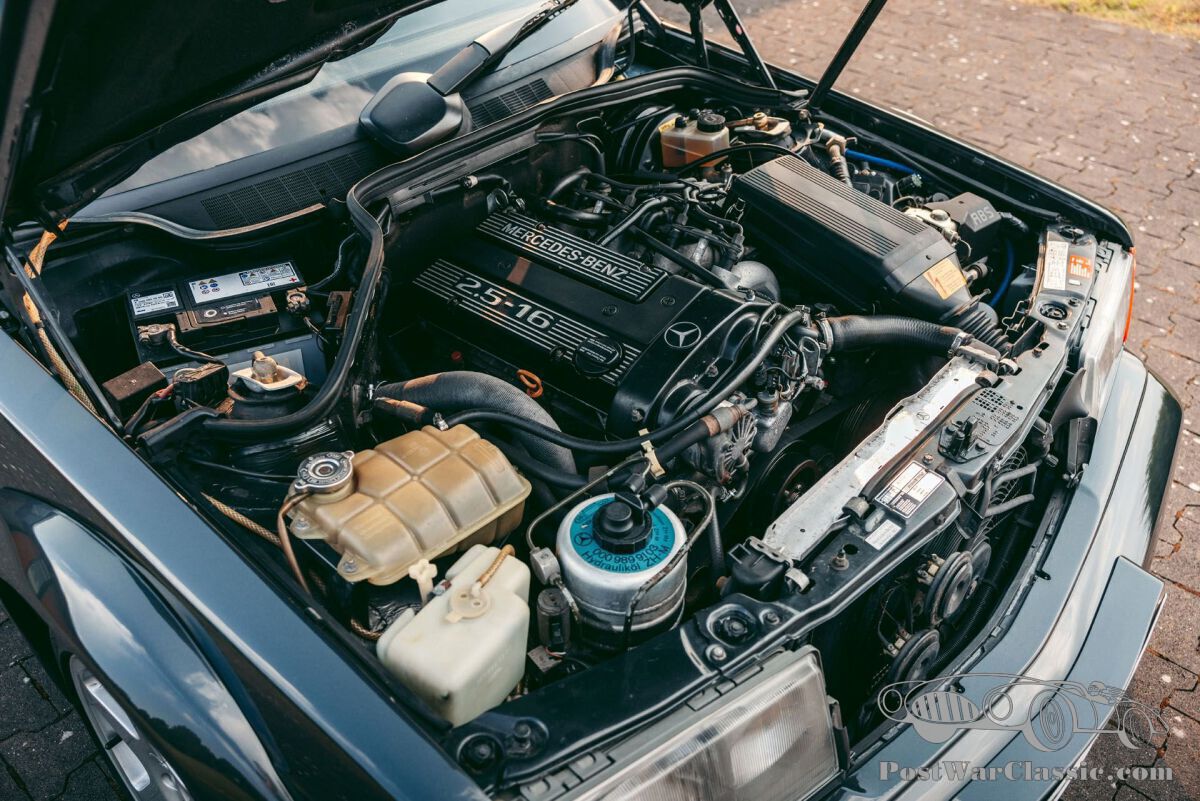
The Evo II was the result of a fierce battle of wits between Mercedes and BMW. When the DTM series started in 1984, the championship was won by Volker Strycek in a BMW 635 CSi. Mercedes arrived in 1985 with a 190E, having got the folk at Cosworth to work their magic on the engine. The resultant 190E 2.3-16 never won a championship, but it was enough to make BMW break into a nervous sweat. BMW responded by creating the M3, which won the DTM in 1987 and 1989. Mercedes tried harder, and the wide-body Evo IIs were the result. Appearing in 1989 at the Geneva Auto Show, the Evo I débuted the beefy bodykit and prominent spoiler, in conjunction with the 2.5-16 (2½-litre, 16-valve) engine, while enhanced suspension and brakes turned it into an even greater circuit weapon.
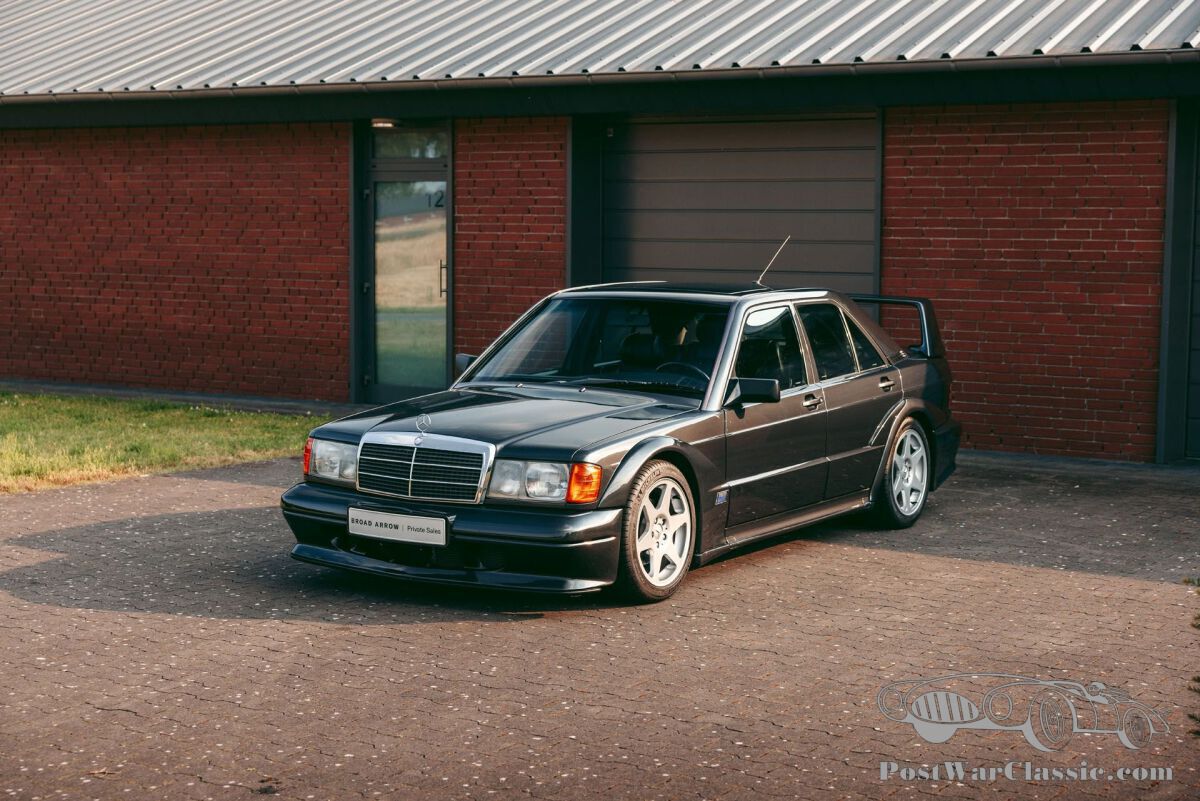
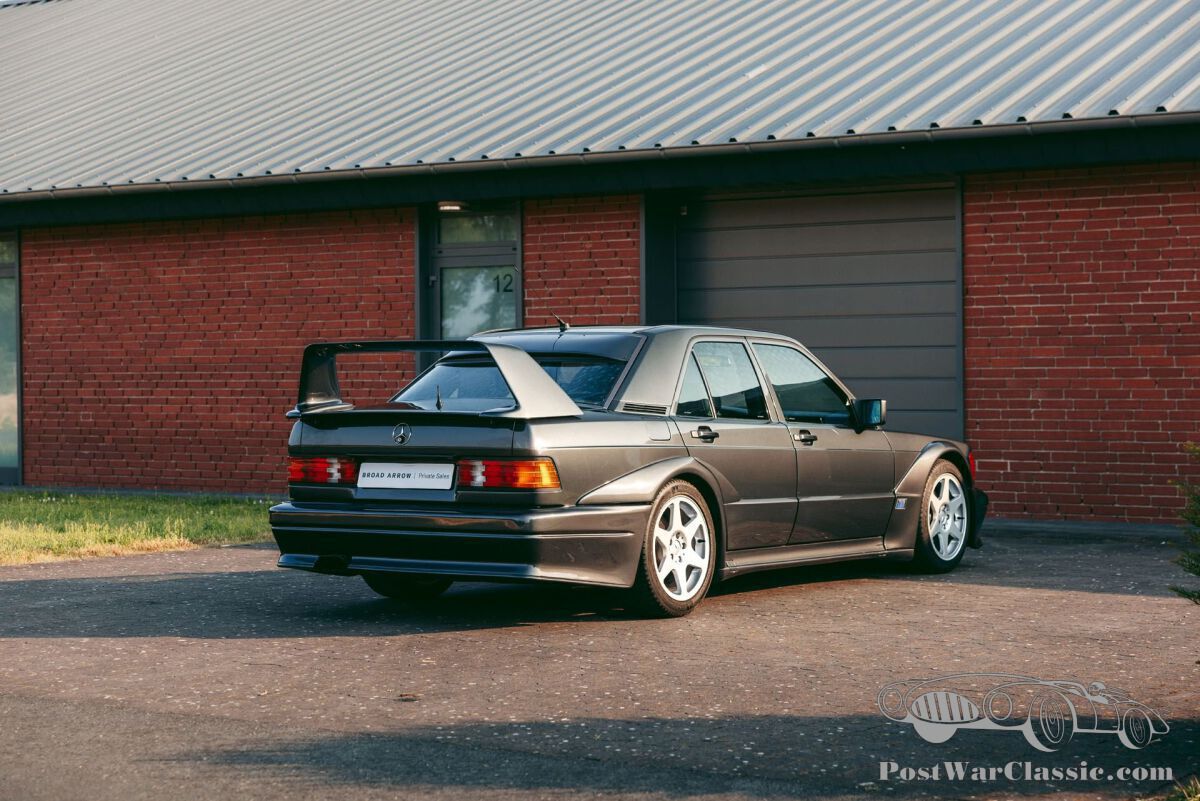
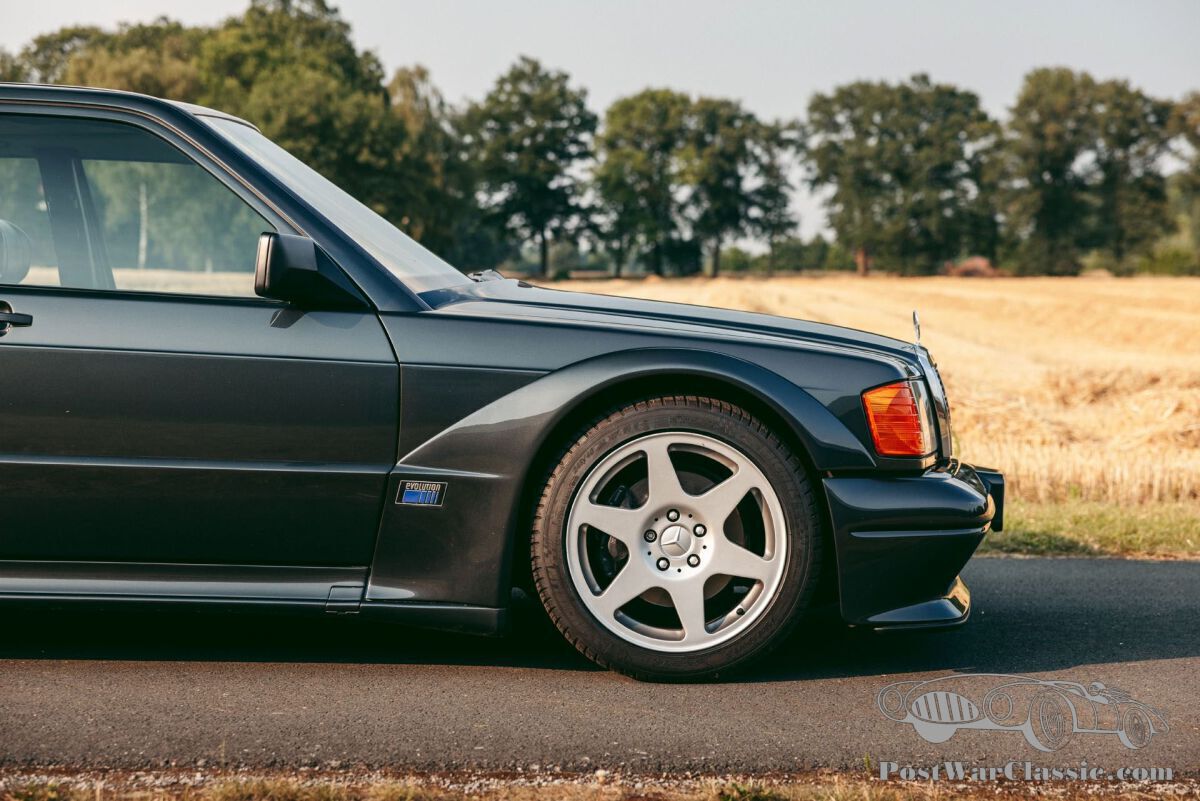
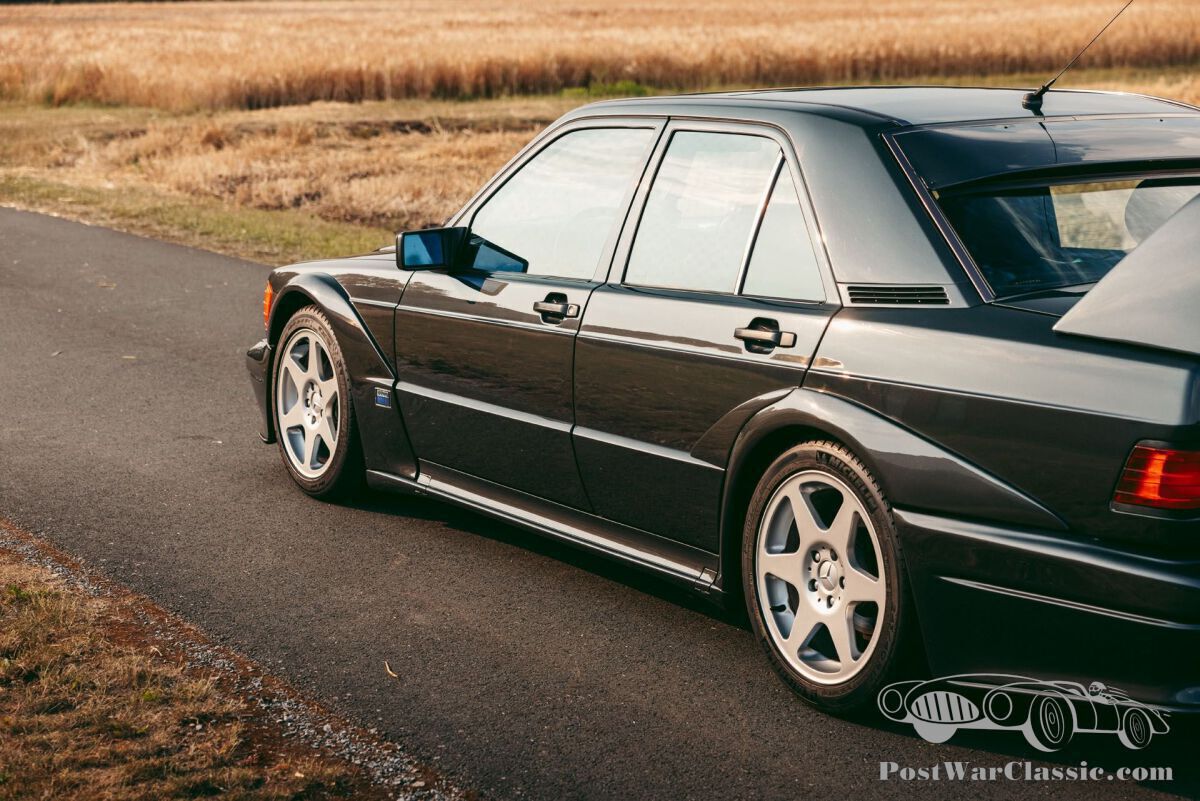
The Evo II followed the Evo I at the 1990 Geneva Show. With the AMG Power Pack now fitted to the engine as standard, it produced 235 b.h.p., but for the race version that figure was increased to 350. Adjustable suspension was another improvement, but for many show-goers, the best bit was the even wilder bodykit—the wing got taller, the arches spread out more aggressively and special 17-inch alloy wheels were tucked neatly within them. The Evo II also had a horizontal panel placed across the rear window. What function could it possibly serve? DTM regulations said rear spoilers were not allowed to inhibit rearward vision, so Mercedes elected to inhibit rearward vision by way of the panel, and so absolve the spoiler from the blame... All the road-going Evo IIs were finished in Blue Black Metallic, save for the last two. As impressive as it looked, there was obviously good reason for the model's extroverted styling; it reduced the drag coefficient down to just 0.29. The result? After two years of the DTM being handed to Audi, Klaus Ludwig in an Evo II scooped it for Mercedes in 1992.
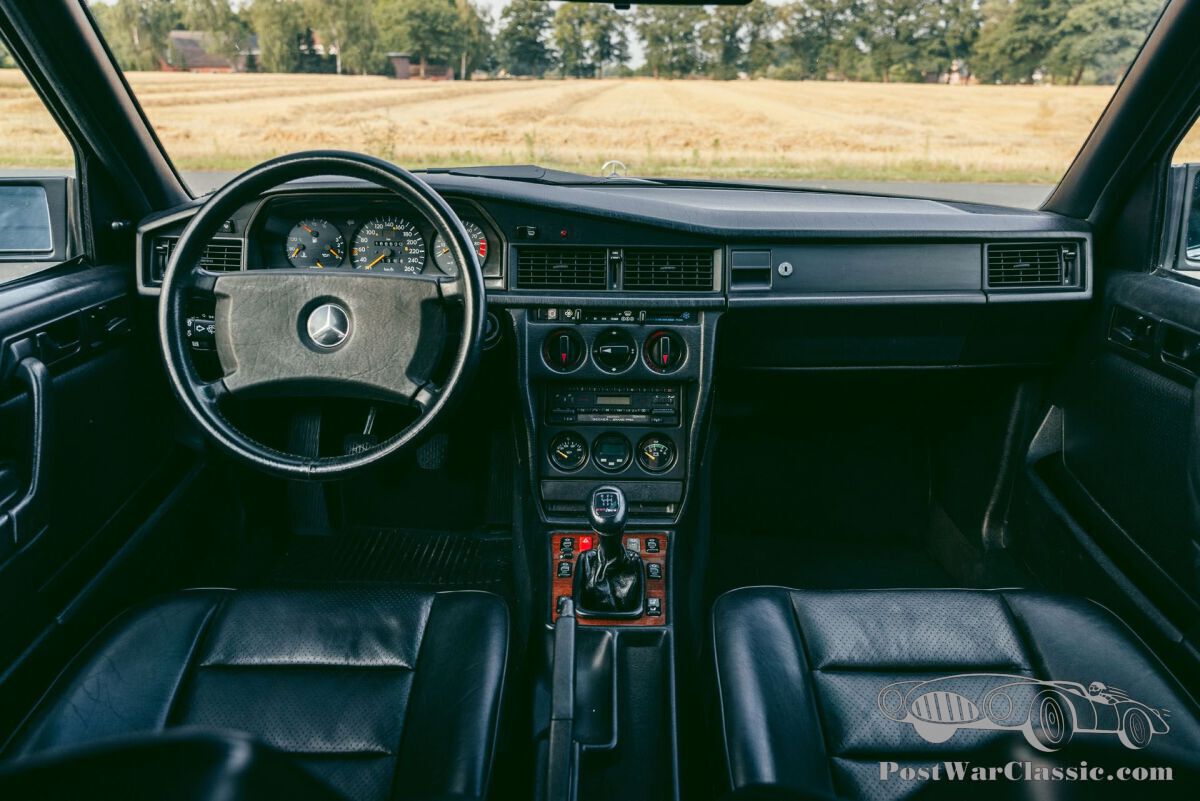
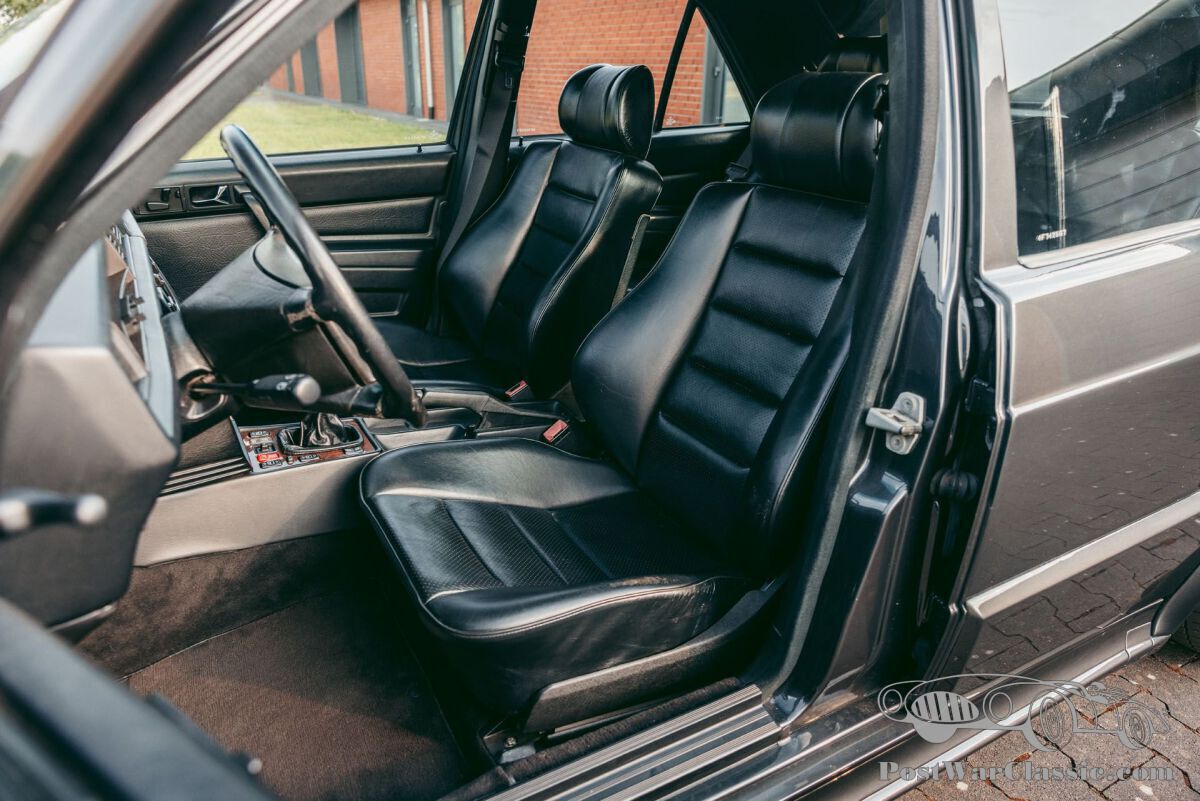
Of the 502 Evo IIs built in 1990 and 1991, this beautifully-preserved 1990 example was kept by its first owner until 1997, covering just under 19,000 miles. Despite its rather wild appearance, it's actually a very civilised car inside, having been specified with such luxury options as air conditioning, heated front seats, an electric sunshine roof, and external thermometer and rear speakers. Its second owner, in France, would cherish it until 2017, covering a further 87,000 miles and having it repainted in its original Blue Black Metallic. Since then, it has been in enthusiast ownership but has barely done any mileage at all, instead being treated to an extensive service and overhaul in 2023.
Ownership of a car like this needn't be an impossible dream, for it is now for sale once more. In stock with Broad Arrow Private Sales and priced at 199,000 euros (approx. £165,000), it represents a very rare opportunity to own a real hero of '90s motor sport, which you could also put your groceries in if the fancy took you. Don't just sit at home dreaming—why not take a look at the car in person? It will be one of hundreds of rare historic cars on display at Interclassics Maastricht on January 16-19th.
For more information about this wonderful homologation special, click here.
For more information about Interclassics Maastricht, and to buy tickets, click here.
Published:
Thursday January 2nd, 2025
Facebook
LinkedIn
Twitter
WhatsApp
Email
Copy